
In the modern landscape of personal finance, few names carry as much weight, controversy, and transformative power as Robinhood Markets, Inc. When people ask, “What is Robinhood stock?” they are typically referring to the equity shares of the company traded under the ticker symbol HOOD on the Nasdaq exchange. However, understanding Robinhood stock requires looking far beyond a simple ticker symbol; it involves analyzing a company that fundamentally shifted how a generation interacts with the global financial markets.
Robinhood’s 2021 Initial Public Offering (IPO) was one of the most anticipated events in the fintech world. Since then, the stock has become a barometer for retail investor sentiment, technological innovation in finance, and the evolving regulatory landscape of the United States brokerage industry. To evaluate Robinhood stock as an investment or a market entity, one must dissect its business model, its impact on market structure, and its strategic pivot toward becoming a full-service financial ecosystem.
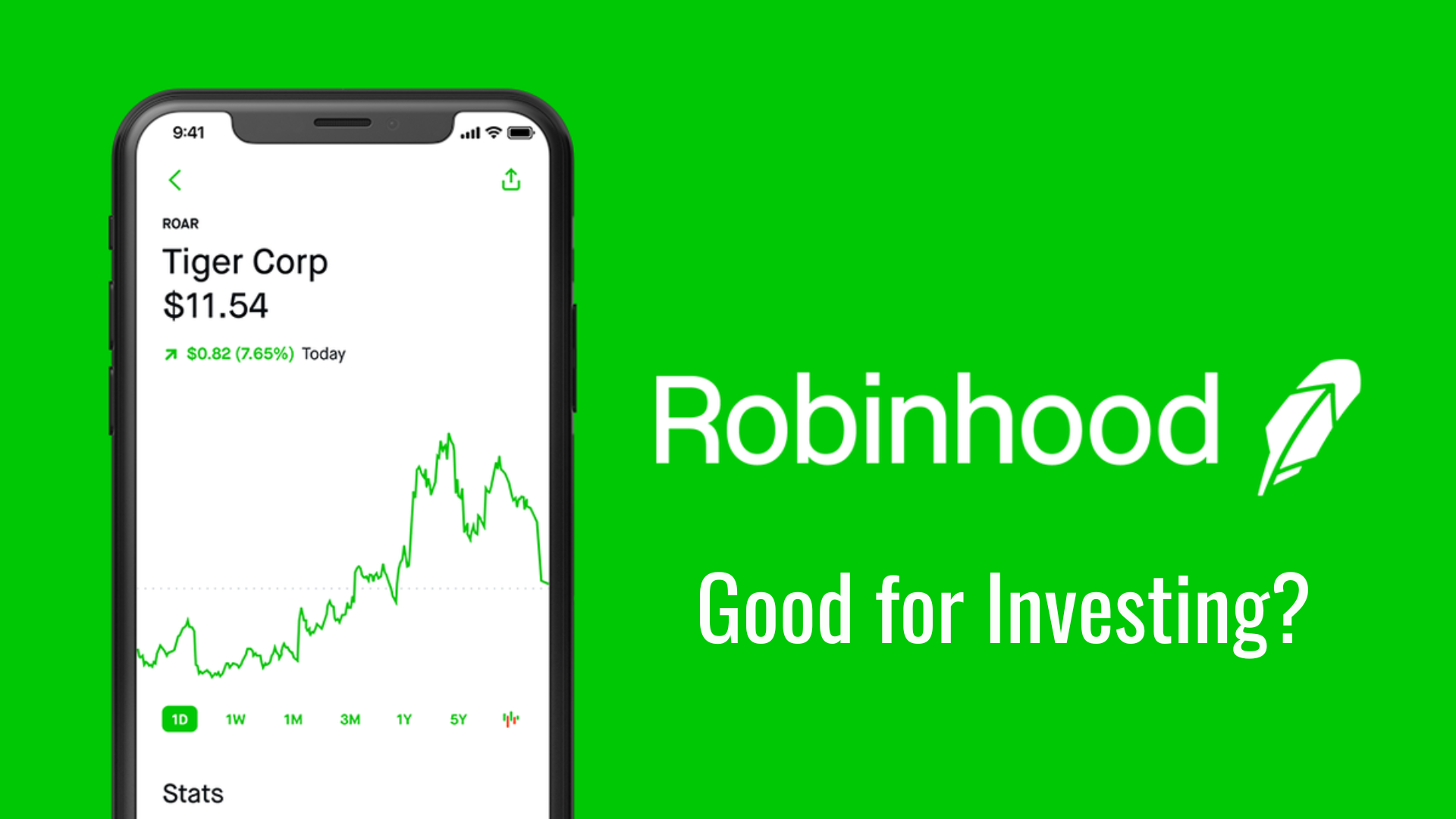
The Business Model Behind HOOD: How Robinhood Makes Money
The primary question for any investor considering Robinhood stock is how a company that offers “commission-free” trading actually generates revenue. Robinhood disrupted the traditional brokerage model—formerly dominated by giants like Charles Schwab and Fidelity—by removing the $5 to $10 per-trade fee that was standard for decades. This shift forced the entire industry to follow suit, but it also necessitated alternative revenue streams for Robinhood.
Payment for Order Flow (PFOF)
The most significant, and often most debated, revenue source for Robinhood is Payment for Order Flow. When a user executes a trade on the Robinhood app, the firm does not usually send that order directly to an exchange like the New York Stock Exchange (NYSE). Instead, it routes the order to market makers—large financial institutions like Citadel Securities or Susquehanna. These market makers pay Robinhood a small fee for the right to execute those trades. While this allows Robinhood to offer zero-commission trading, it has drawn scrutiny from regulators who question whether users are receiving the best possible execution price.
Net Interest Income
As interest rates fluctuated over the past few years, Net Interest Income (NII) became a cornerstone of Robinhood’s profitability. Robinhood earns interest on the uninvested cash held in user accounts and on the margin loans it extends to traders. When the Federal Reserve maintains higher interest rates, Robinhood’s ability to generate “float” on these cash balances increases significantly, making the stock a beneficiary of a higher-rate environment.
Robinhood Gold and Subscription Services
To diversify away from transaction-based revenue, which can be volatile depending on market activity, the company introduced Robinhood Gold. This is a monthly subscription service that offers users higher interest rates on uninvested cash, access to professional research, larger instant deposits, and lower margin rates. For investors in HOOD stock, the growth of Gold subscribers is a key metric, as it represents “sticky,” recurring revenue that provides a cushion during market downturns.
The Impact of Retail Democratization on Stock Valuation
Robinhood stock is inextricably linked to the rise of the “retail revolution.” The platform’s user interface—designed to be as intuitive as a social media app—lowered the barrier to entry for millions of first-time investors. This democratization has had profound effects on the stock’s valuation and its perception in the marketplace.
The Gamification Critique
One of the primary challenges facing Robinhood stock is the public and regulatory perception of its platform. Critics have often accused the company of “gamifying” investing through features like digital confetti (which was later removed) and a push-notification system that encourages frequent trading. From an investment perspective, this engagement is a double-edged sword. While high engagement drives transaction revenue, it also attracts the attention of the SEC and FINRA, leading to potential fines and compliance costs that can weigh on the stock price.
The Meme Stock Legacy
Robinhood was at the epicenter of the 2021 meme stock phenomenon involving GameStop and AMC. The platform’s decision to temporarily restrict buying in certain highly volatile stocks led to a massive backlash from its user base and a series of congressional hearings. For those holding HOOD stock, this period highlighted a significant risk: the platform’s heavy reliance on the trust of a retail community that can be fickle. Since then, the company has worked tirelessly to repair its image, shifting its focus from speculative “meme” trading to long-term wealth building.
Strategic Evolution: From Brokerage to Financial Super-App
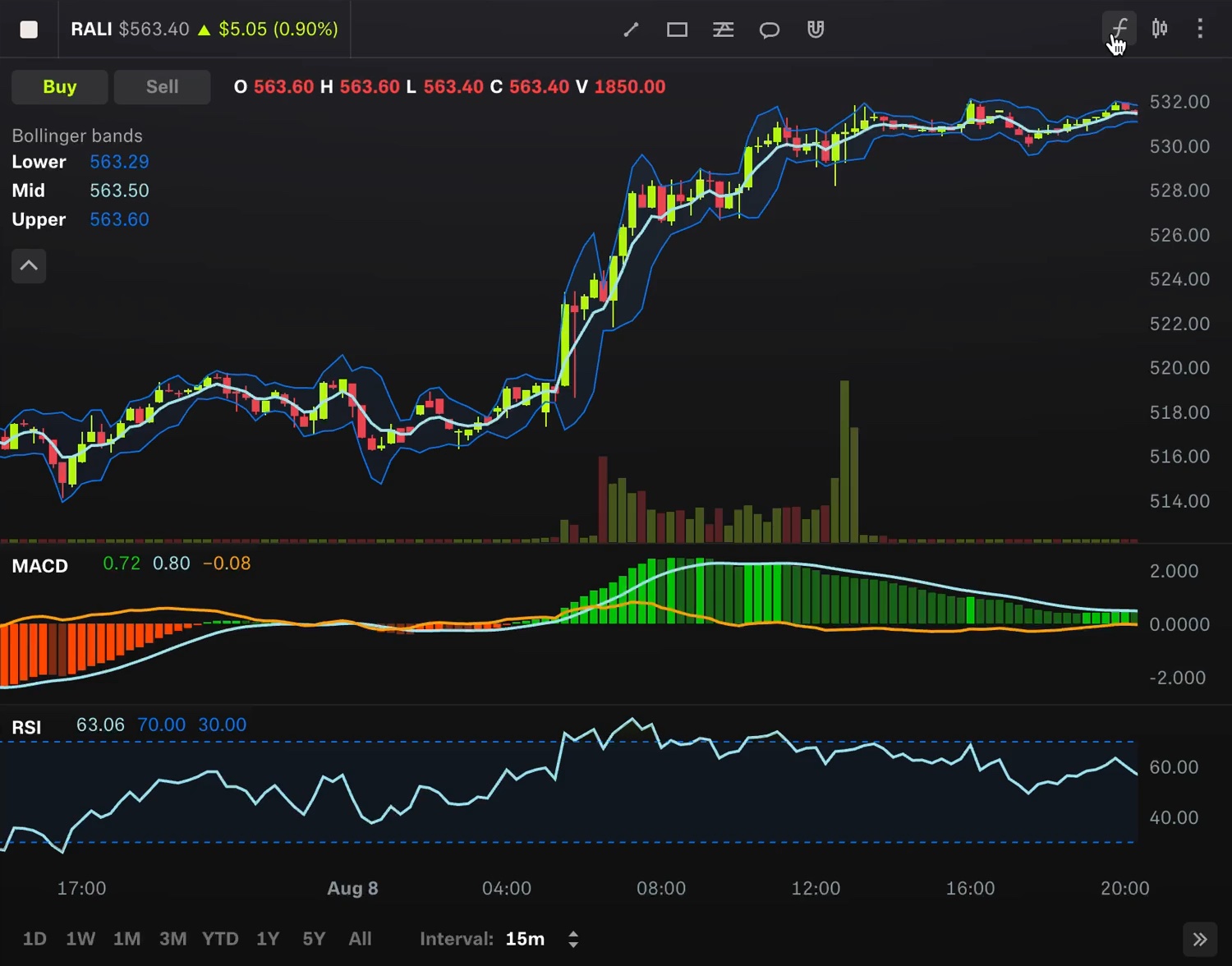
To justify its valuation and compete with traditional banking institutions, Robinhood has expanded its product suite far beyond simple stock trading. This evolution is central to the long-term thesis for Robinhood stock.
Cryptocurrency Integration
Robinhood was an early adopter of cryptocurrency trading, allowing users to buy and sell major assets like Bitcoin and Ethereum alongside their stock portfolios. Unlike its stock trading, Robinhood’s crypto arm operates with different fee structures and has expanded into a non-custodial wallet, allowing users to take control of their digital assets. The volatility of the crypto market often leads to spikes in Robinhood’s quarterly earnings, making the stock a proxy for general crypto adoption.
Retirement and Long-Term Wealth Tools
A pivotal moment for Robinhood stock occurred with the launch of Robinhood Retirement. By offering a 1% to 3% match on IRA contributions, the company signaled its intent to capture the “serious” money of its aging user base. This move is designed to transition the platform from a place for speculative day trading to a primary financial hub where users keep their life savings. For HOOD investors, this represents a shift toward higher Assets Under Custody (AUC), which is a more stable metric than monthly active users.
The Robinhood Credit Card and Spending
The acquisition of X1 and the subsequent launch of the Robinhood Gold Card marked the company’s official entry into the credit and spending space. By offering high cashback rewards and a sleek, physical product, Robinhood is attempting to capture the entire financial lifecycle of the consumer—from earning and spending to saving and investing. If successful, this ecosystem approach could re-rate Robinhood stock from a “niche brokerage” to a “fintech powerhouse” comparable to companies like Block (Square) or PayPal.
Risks and Challenges Facing Robinhood Stock
No analysis of HOOD is complete without addressing the significant hurdles the company faces. Investing in Robinhood stock involves navigating a complex web of regulatory, competitive, and macroeconomic risks.
Regulatory Pressure
The SEC has frequently discussed potential bans or changes to Payment for Order Flow. Since a significant portion of Robinhood’s revenue is derived from this practice, any drastic regulatory change would force the company to pivot its entire monetization strategy. Additionally, the company faces ongoing scrutiny regarding its options trading approvals and its handling of customer support.
Intense Competition
While Robinhood was the first to offer commission-free trading, it is no longer the only one. Traditional brokers have deeper pockets and broader service offerings, while other fintechs like Webull and Public.com compete directly for the same mobile-first demographic. Robinhood must continue to innovate at a rapid pace to prevent user churn.
Macroeconomic Sensitivity
Because Robinhood’s revenue is tied to trading volumes and interest rates, its stock can be highly sensitive to the broader economy. In a bear market, retail trading typically declines, and if the Federal Reserve cuts interest rates aggressively, Robinhood’s interest income could take a significant hit.
The Future of Robinhood (HOOD) in the Global Market
As we look toward the future, the trajectory of Robinhood stock will likely be defined by its ability to expand internationally and its success in institutionalizing its platform. The company has already begun its push into the UK and European markets, aiming to replicate its US success in regions where retail investing has traditionally been more difficult and expensive.
For the personal finance enthusiast or the professional investor, Robinhood stock represents more than just a company; it represents a shift in the power dynamic of Wall Street. It is a bet on the continued participation of the retail investor in the global economy and the belief that technology can make complex financial services accessible to everyone.
Whether Robinhood stock is a “buy” depends on one’s belief in the company’s ability to transition from a disruptive startup into a mature, diversified financial institution. With its expansion into credit, retirement, and international markets, Robinhood is clearly aiming to be the “everything app” for money. As the company continues to report its quarterly earnings and navigate the complexities of the financial world, HOOD will remain one of the most closely watched and influential stocks in the fintech sector.
aViewFromTheCave is a participant in the Amazon Services LLC Associates Program, an affiliate advertising program designed to provide a means for sites to earn advertising fees by advertising and linking to Amazon.com. Amazon, the Amazon logo, AmazonSupply, and the AmazonSupply logo are trademarks of Amazon.com, Inc. or its affiliates. As an Amazon Associate we earn affiliate commissions from qualifying purchases.