
In an era where the quality of our most fundamental resources is under increasing scrutiny, the quest for pure, safe drinking water has led to the widespread adoption of sophisticated filtration technologies. Among these, the Reverse Osmosis (RO) water system stands out as a leading solution, celebrated for its remarkable ability to remove an extensive range of contaminants. Far more than just a simple filter, an RO system is a marvel of modern water treatment technology, engineered to deliver water of unparalleled purity. This comprehensive guide will dissect the intricate workings, components, and profound benefits of RO technology, offering a deep dive into how it transforms ordinary tap water into an exceptional drinking experience.

The Core Concept: Understanding Reverse Osmosis
At its heart, an RO water system operates on the principle of reverse osmosis, a process that is as elegant as it is effective. To truly grasp its innovation, it’s essential to first understand its natural counterpart: osmosis.
Osmosis vs. Reverse Osmosis: A Fundamental Distinction
Osmosis is a natural phenomenon where solvent molecules (typically water) move across a semi-permeable membrane from a region of lower solute concentration to a region of higher solute concentration. This movement occurs spontaneously to equalize the concentration of solutes on both sides of the membrane. Think of a plant absorbing water from the soil – that’s osmosis in action. The driving force is osmotic pressure, created by the difference in solute concentrations.
Reverse osmosis, as its name suggests, reverses this natural process. Instead of allowing water to move from a less concentrated solution to a more concentrated one, an external pressure is applied to the side with the higher solute concentration. This applied pressure must be greater than the natural osmotic pressure. When this condition is met, it forces the water molecules against their natural osmotic gradient, pushing them through the semi-permeable membrane, leaving dissolved salts, minerals, and other impurities behind. The result is purified water on one side and a concentrated brine solution (waste stream) on the other.
The Semi-Permeable Membrane: The Heart of the System
The efficiency and effectiveness of an RO system hinge entirely on its semi-permeable membrane. This membrane is typically a thin film composite (TFC) made from synthetic polymers, designed with incredibly tiny pores, often less than 0.0001 microns in size. To put that into perspective, bacteria are typically 0.2 to 10 microns, and viruses are 0.02 to 0.4 microns. These minute pores are large enough to allow individual water molecules (H2O) to pass through, but small enough to block almost all dissolved salts, organic molecules, heavy metals, pyrogens, bacteria, and viruses. It acts as a highly selective barrier, distinguishing between pure water and contaminants at a molecular level.
Pressure as the Driving Force: Overcoming Natural Tendencies
The application of pressure is paramount in the reverse osmosis process. Without sufficient pressure, the natural osmotic flow would dominate, preventing the separation of water from its dissolved impurities. RO systems typically rely on household water pressure (for point-of-use systems) or dedicated pumps (for whole-house or industrial systems) to generate the necessary force. This pressure literally pushes the water molecules through the membrane, overcoming the osmotic pressure that would otherwise draw water towards the contaminated side. The higher the pressure, the more efficiently water permeates the membrane, though there are practical limits to prevent damage to the membrane itself. This ingenious application of physics is what makes RO technology so powerful in water purification.
Components of a Typical RO Water System
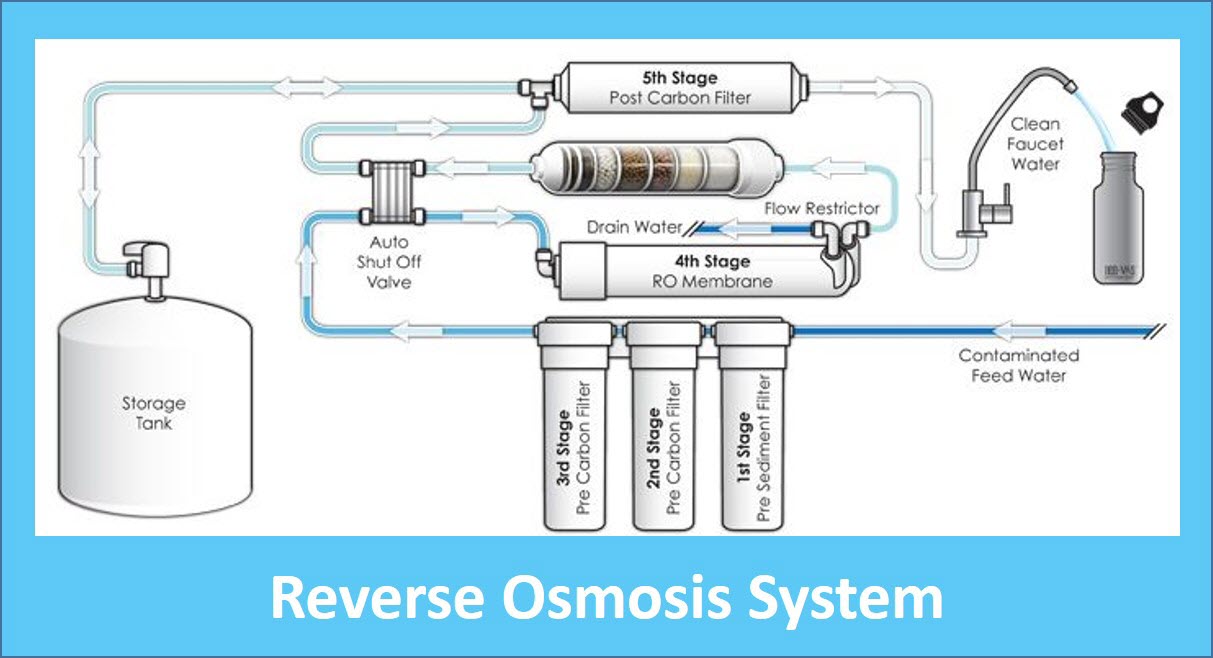
An RO system is not just a single filter; it’s a multi-stage purification powerhouse, featuring a series of interconnected components that work in harmony to achieve ultimate water purity. Each stage plays a critical role in preparing the water, performing the primary filtration, and refining the final output.
Pre-Filtration Stages: Preparing the Water
Before water even reaches the delicate RO membrane, it undergoes a crucial pre-filtration process. This typically involves at least two, often three, separate filters:
-
Sediment Filter: This is the first line of defense, designed to remove larger suspended particles like sand, rust, dirt, and silt. By removing these abrasives, the sediment filter protects subsequent filters and the RO membrane from clogging and premature wear.
-
Activated Carbon Filters (GAC & Carbon Block): Following the sediment filter, one or two carbon filters are used to remove chlorine, chloramines, volatile organic compounds (VOCs), pesticides, and other chemicals that can impart unpleasant tastes and odors. Chlorine, in particular, is highly damaging to the RO membrane and must be effectively removed to preserve the membrane’s integrity and lifespan.
The RO Membrane Module: The Filtration Powerhouse
This is the core of the RO system, typically housed in a cylindrical casing. The RO membrane itself is a spirally wound sheet of semi-permeable material. Water, having passed through the pre-filters, is forced against this membrane. As discussed, pure water molecules pass through, while the rejected impurities are flushed away. This is where the bulk of contaminant removal occurs, including dissolved solids, heavy metals (lead, arsenic), fluoride, nitrates, and even microscopic organisms.
Post-Filtration: Enhancing Taste and Quality
After passing through the RO membrane, the purified water often flows through a final polishing filter.
-
Post-Carbon Filter: This filter, usually a granular activated carbon (GAC) filter, serves to remove any residual tastes or odors that might have developed in the storage tank or seeped through the membrane, ensuring the water has a crisp, clean taste.
-
Optional Re-mineralization Filters: Since RO removes almost all dissolved minerals (including beneficial ones), some systems include a re-mineralization filter. This filter adds back a balanced blend of natural calcium, magnesium, and other minerals, improving the water’s pH (making it less acidic) and enhancing its taste for those who prefer it.
Storage Tank and Faucet: Delivery and Convenience
Because the RO purification process is relatively slow, purified water is stored in a small, pressurized tank. This tank ensures that purified water is available on demand when you turn on your dedicated RO faucet. The tank typically has an internal bladder that uses air pressure to push the water out when the faucet is opened. A stylish, lead-free faucet is usually installed on the kitchen counter, providing a convenient access point for the purified water.
Drain Line: The Disposal of Impurities
One unique aspect of RO systems is the drain line. This line carries the concentrated wastewater (also known as brine or reject water) – containing all the impurities rejected by the RO membrane – away from the system and down the drain. While this might seem like waste, it’s a necessary part of the purification process, ensuring that the membrane remains clean and effective, preventing the buildup of contaminants.
The Multi-Stage Purification Process: A Deep Dive
Understanding the individual components is one thing, but appreciating the synergistic flow through multiple stages truly highlights the technological sophistication of an RO system. Each stage builds upon the previous one, culminating in exceptionally pure water.
Stage 1: Sediment Pre-Filter – Removing Large Particles
The journey begins here. Raw tap water first enters the sediment filter, typically a spun polypropylene cartridge. Its primary role is mechanical filtration, trapping larger particles such as sand, rust flakes from old pipes, silt, and other suspended solids. This critical first step protects the subsequent carbon filters and, most importantly, the delicate RO membrane from premature fouling and clogging, which would severely reduce their efficiency and lifespan.
Stage 2 & 3: Carbon Pre-Filters – Tackling Chlorine and Organic Chemicals
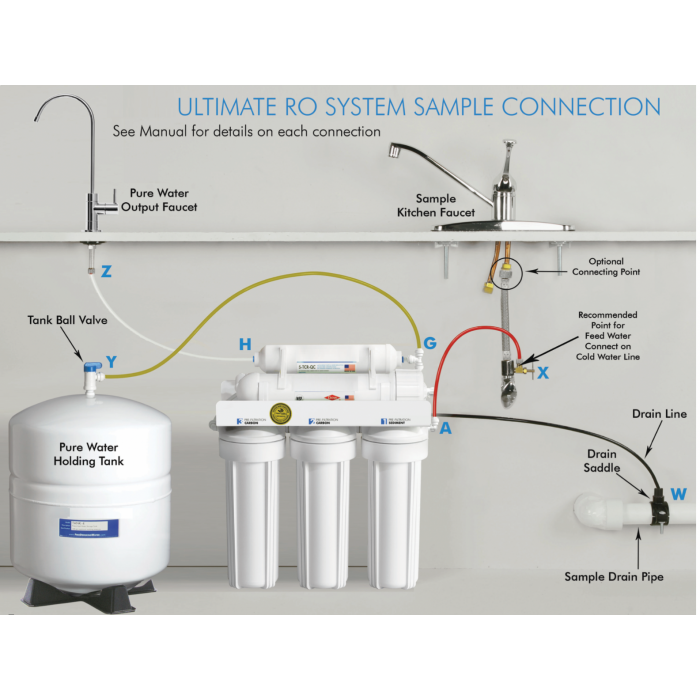
Following the sediment stage, water typically passes through two types of carbon filters: a granular activated carbon (GAC) filter and a carbon block filter. These filters excel at adsorbing a wide array of chemical contaminants. Activated carbon’s porous structure provides an enormous surface area that effectively captures chlorine, chloramines, pesticides, herbicides, volatile organic compounds (VOCs like benzene, toluene), and other chemicals that contribute to unpleasant tastes and odors. The removal of chlorine is particularly vital, as chlorine can degrade the polyamide material of the RO membrane, leading to its irreversible damage and failure over time.
Stage 4: The RO Membrane – The Ultimate Barrier
After meticulous pre-treatment, the water is now ready for the star of the show: the semi-permeable RO membrane. This is where the majority of the “heavy lifting” in purification occurs. Pressurized water is forced against this membrane, and only pure water molecules are allowed to pass through its sub-micron pores. Contaminants such as dissolved salts (sodium, calcium, magnesium), heavy metals (lead, arsenic, mercury, chromium), fluoride, nitrates, sulfates, pharmaceuticals, bacteria, viruses, and other inorganic dissolved solids are physically blocked and channeled away to the drain. This stage is responsible for 95-99% of total dissolved solids (TDS) reduction, making the water significantly purer.
Stage 5 (and beyond): Post-Carbon Filter and Optional Enhancements
Once water has passed through the RO membrane and entered the storage tank, it undergoes a final polishing stage just before being dispensed. A post-carbon filter, often an inline GAC filter, is typically employed to “polish” the water. This step ensures the removal of any lingering tastes or odors that might have developed while stored in the tank, guaranteeing a consistently fresh and clean taste.
For those seeking specific water characteristics, additional optional stages can be integrated:
-
Alkaline/Re-mineralization Filters: These filters introduce beneficial minerals like calcium and magnesium back into the water, raising its pH to a more alkaline level and improving its taste profile.
-
UV Sterilizers: For applications where absolute microbiological purity is critical (e.g., well water or compromised municipal water), an ultraviolet (UV) lamp can be added as a final stage to inactivate any remaining bacteria, viruses, or cysts that might have somehow bypassed previous filtration.
Benefits and Applications of RO Technology
The sophisticated multi-stage purification offered by RO systems translates into a host of significant benefits and broad applications, impacting health, convenience, and even environmental responsibility.
Superior Water Purity: Health and Taste Advantages
The most compelling benefit of an RO system is its unparalleled ability to deliver exceptionally pure water. By effectively removing up to 99% of dissolved solids, heavy metals, chlorine, chemical contaminants, bacteria, and viruses, RO water significantly reduces the health risks associated with contaminated drinking water. This high level of purity also translates directly into a superior taste. RO water is often described as crisp, clean, and refreshing, free from the chemical aftertastes or mineral flavors common in unfiltered tap water, making it ideal for drinking, cooking, and even making coffee or tea.
Versatility in Application: From Homes to Industries
RO technology is remarkably versatile, finding applications across a vast spectrum of needs:
-
Residential: Under-sink RO systems are common in homes, providing purified drinking and cooking water. Whole-house RO systems are also available for comprehensive water treatment.
-
Commercial: Restaurants, coffee shops, hotels, and offices use RO water for beverages, ice production, and culinary applications where water quality directly impacts product taste and equipment longevity.
-
Industrial: RO is critical in industries requiring ultra-pure water, such as semiconductor manufacturing, pharmaceuticals, power generation (boiler feed water), and laboratories.
-
Medical: Dialysis machines and other medical equipment rely on RO purified water to prevent patient exposure to contaminants.
-
Agriculture: Hydroponic systems often use RO water to precisely control nutrient concentrations without interference from tap water impurities.
Addressing Specific Water Challenges: Hard Water and Contaminants
RO systems are particularly adept at addressing challenging water quality issues. For instance, they effectively remove minerals that cause hard water, protecting appliances from scale buildup. More critically, RO is highly effective against specific contaminants that other filters struggle with, such as fluoride, nitrates (a concern in agricultural areas), arsenic (a naturally occurring toxic element), and lead (often found in older plumbing). This makes RO a robust solution for diverse and complex water quality problems, providing peace of mind to users concerned about specific local contaminants.
Environmental Considerations: Reducing Plastic Waste
Beyond health and performance, RO systems offer an environmental advantage. By providing high-quality drinking water on demand at home, they significantly reduce reliance on single-use plastic bottled water. This contributes to a substantial decrease in plastic waste, mitigating the environmental impact associated with manufacturing, transporting, and disposing of plastic bottles. Investing in an RO system is not just an investment in personal health but also a step towards a more sustainable lifestyle.
Maintaining Your RO System: Ensuring Longevity and Performance
Like any sophisticated technological system, an RO water purifier requires routine maintenance to ensure its continued efficiency, performance, and longevity. Neglecting maintenance can lead to reduced water quality, decreased flow rates, and eventual system failure.
Regular Filter Replacement: The Key to Efficiency
This is the most crucial aspect of RO system maintenance. Each filter cartridge has a finite lifespan based on the volume of water processed and the quality of the incoming water.
-
Pre-filters (Sediment & Carbon): These should typically be replaced every 6-12 months. Failing to replace them can lead to premature clogging of the RO membrane, as they won’t be able to effectively remove larger particles and chlorine.
-
RO Membrane: The heart of the system, the membrane, usually lasts 2-5 years. Its lifespan depends heavily on the effectiveness of the pre-filters and the TDS levels of the incoming water. A noticeable drop in purified water production or an increase in the TDS level of the output water are indicators that the membrane needs replacement.
-
Post-filters (Carbon Polishing & Re-mineralization): These generally last 12-24 months. While less critical for overall purification, replacing them ensures optimal taste and, for re-mineralization filters, proper pH balance.
Adhering to the manufacturer’s recommended replacement schedule is vital for maintaining optimal water purity and system efficiency.
Monitoring Water Quality: Indicators of System Health
While filter replacement schedules are guidelines, monitoring your water quality provides objective data on your system’s health. A simple handheld TDS (Total Dissolved Solids) meter is an invaluable tool for this purpose.
-
Baseline Measurement: Test your tap water and your RO water when the system is new to establish a baseline. Your RO water TDS should be significantly lower (95% or more reduction).
-
Regular Checks: Periodically test the RO water output. A gradual increase in the TDS reading of the purified water indicates that the RO membrane is beginning to fail and needs replacement. A sudden spike might suggest a membrane rupture or a problem with the pre-filters. Consistent monitoring empowers you to proactively address issues before they compromise water quality.
Troubleshooting Common Issues: Leaks, Low Pressure, Odors
While generally reliable, RO systems can occasionally develop minor issues.
-
Leaks: Most leaks occur at connections. Regularly check fittings and O-rings. Tightening connections or replacing worn O-rings usually resolves the issue.
-
Low Water Pressure/Flow: This can be due to clogged filters (especially the sediment and carbon pre-filters), a failing RO membrane, or insufficient pressure in the storage tank. Replacing filters or recharging the tank’s air bladder are common solutions.
-
Unusual Taste/Odor: Often indicates that the carbon filters (pre- or post-) are exhausted and need replacement. It could also suggest bacterial growth within the system, requiring sanitization.
-
No Water Production: Can be caused by a completely clogged membrane, insufficient incoming water pressure, or a malfunctioning auto shut-off valve.
Understanding these common problems and their solutions can help users maintain their system without professional intervention for minor issues.
Understanding Waste Water: An Inherent Trade-off
One of the inherent characteristics of RO technology is the production of wastewater (brine). For every gallon of pure water produced, 1-4 gallons of concentrate are sent down the drain. This waste stream is necessary to continuously flush away the rejected contaminants, preventing them from building up on the membrane surface and ensuring its long-term performance. While some might view this as inefficient, it’s a critical trade-off for the high purity achieved. Modern RO systems are becoming increasingly efficient, with some advanced models achieving ratios as low as 1:1 (one gallon of waste per gallon of pure water). Understanding this aspect helps in appreciating the technological compromise for superior water quality.
In conclusion, an RO water system is a sophisticated piece of household technology that harnesses the principles of physical separation to deliver exceptional water purity. Through its multi-stage filtration process, centered around the ingenious semi-permeable membrane, it stands as a robust solution for modern water quality challenges. Its widespread adoption, from domestic kitchens to advanced industrial settings, underscores its efficacy and reliability. By understanding its components, operational mechanics, and necessary maintenance, users can ensure a continuous supply of clean, great-tasting water, making it a cornerstone of contemporary health and well-being.
aViewFromTheCave is a participant in the Amazon Services LLC Associates Program, an affiliate advertising program designed to provide a means for sites to earn advertising fees by advertising and linking to Amazon.com. Amazon, the Amazon logo, AmazonSupply, and the AmazonSupply logo are trademarks of Amazon.com, Inc. or its affiliates. As an Amazon Associate we earn affiliate commissions from qualifying purchases.