
In the global landscape of finance, understanding regional currencies is essential for investors, travelers, and business professionals alike. If you have ever looked at a price tag in Kuala Lumpur or checked a foreign exchange board for Southeast Asian markets, you have likely encountered the abbreviation “RM.”
RM stands for Ringgit Malaysia, the official currency of Malaysia. Represented by the ISO code MYR, the Ringgit is a significant player in the Association of Southeast Asian Nations (ASEAN) economy. This article provides a deep dive into the RM currency, exploring its historical roots, its economic drivers, and its practical applications in today’s modern financial ecosystem.
The Fundamentals of Ringgit Malaysia (RM)
The Ringgit Malaysia is the sole legal tender of Malaysia, issued and regulated by the central bank, Bank Negara Malaysia (BNM). Understanding the structure of this currency is the first step for anyone looking to engage with the Malaysian market.
ISO Code and Symbolism
While “RM” is the symbol used locally and in most retail transactions, “MYR” is the three-letter code used in international banking and forex trading. The word “Ringgit” translates to “jagged” in Malay, historically referring to the serrated edges of silver Spanish dollars that circulated in the region during the 16th and 17th centuries.
The currency is divided into smaller units called sen. One Ringgit is equivalent to 100 sen. This decimal system simplifies accounting and personal finance management within the country.
Denominations and Physical Characteristics
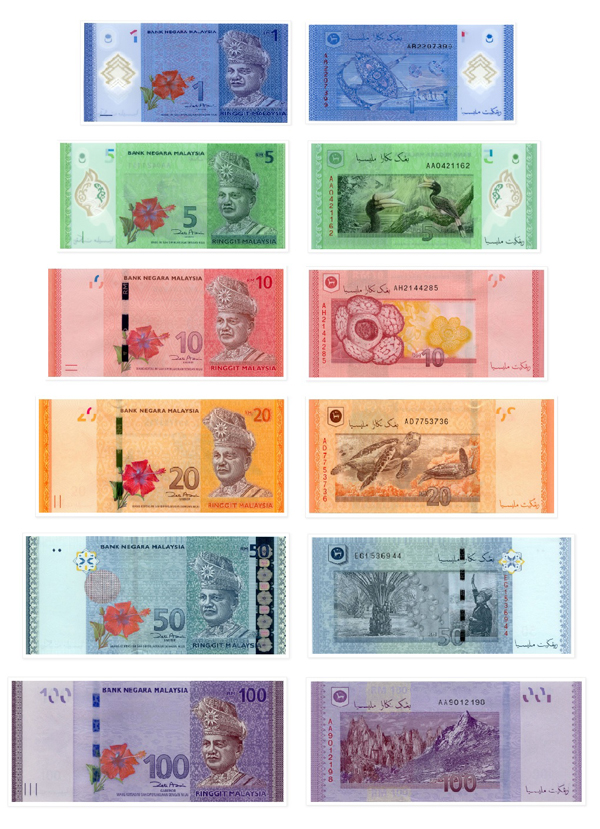
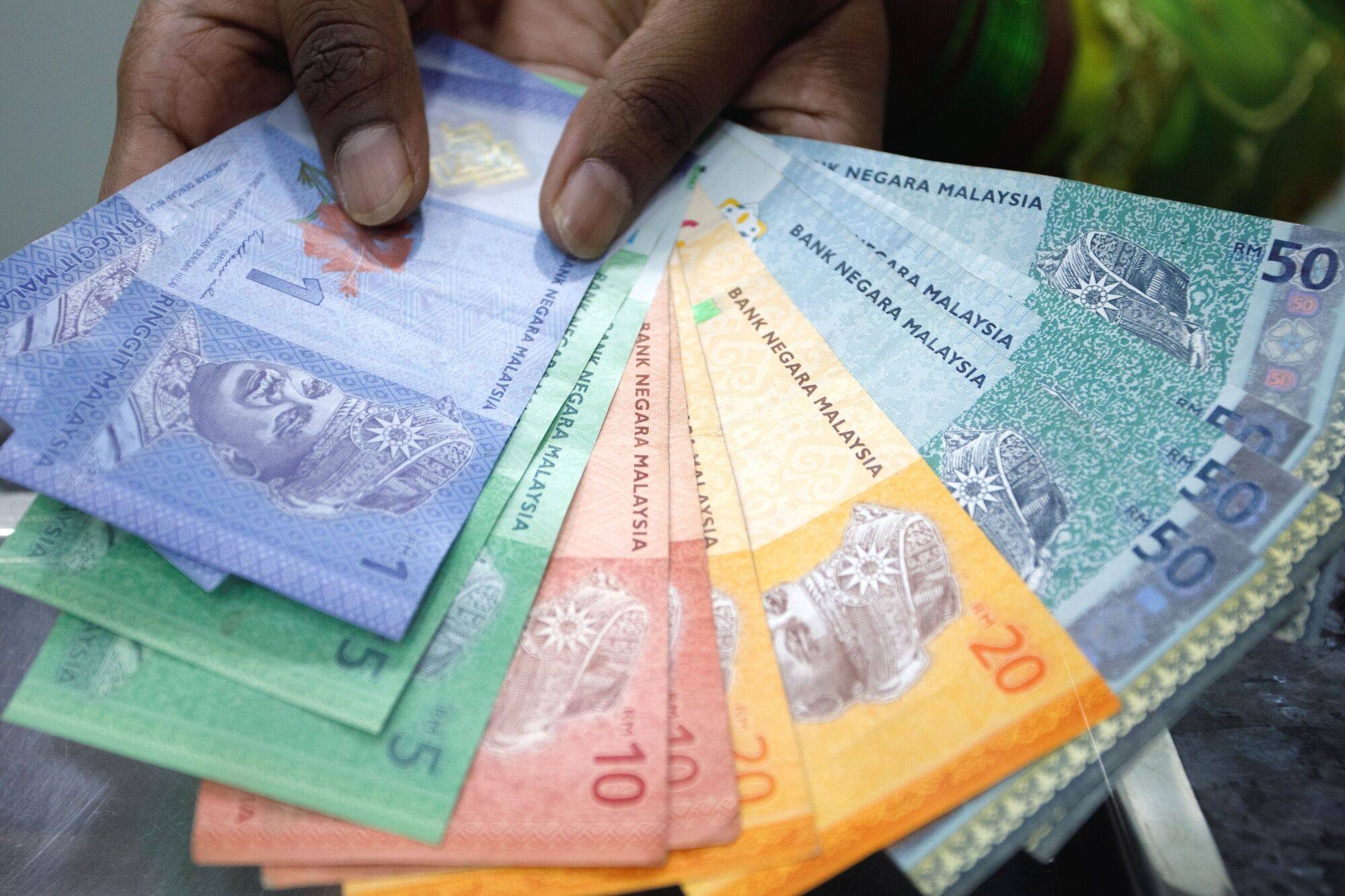
Bank Negara Malaysia issues the Ringgit in both banknote and coin forms. Currently, the “Fourth Series” of banknotes is in circulation, featuring vibrant colors and cultural motifs such as the national flower, the Hibiscus (Bunga Raya), and traditional Malaysian patterns.
- Banknotes: Common denominations include RM1, RM5, RM10, RM20, RM50, and RM100. Higher-value notes like the RM50 and RM100 are frequently used for larger transactions, while the RM1 and RM5 notes are increasingly made of polymer to enhance durability and prevent counterfeiting.
- Coins: These are issued in 5, 10, 20, and 50 sen denominations. Modern Malaysian coins are lightweight and feature intricate designs representing Malaysian flora and traditional crafts.
From a financial security standpoint, RM banknotes are equipped with advanced features, including holographic strips, watermarks, and micro-printing, making the Malaysian Ringgit one of the more secure currencies in the region.
The Historical Evolution of the Malaysian Currency
To understand the current value and stability of the RM, one must look at its historical trajectory. The Ringgit has undergone several transformations, moving from a colonial-linked currency to a modern floating asset.
From Colonial Roots to Independence
Before the Ringgit, Malaysia used the Malayan Dollar, which was pegged to the British Pound Sterling. Following independence in 1957, the country continued to use a shared currency with Singapore and Brunei. It wasn’t until 1967 that the Bank Negara Malaysia issued its own currency, known initially as the Malaysian Dollar ($).
In 1975, the official names “Ringgit” and “sen” were formally adopted to replace “Dollar” and “Cent.” This move was a symbolic step toward financial sovereignty, distancing the nation’s economy from its colonial past and establishing a unique identity in the global market.
The 1997 Financial Crisis and the Dollar Peg
One of the most pivotal moments in the history of the RM was the 1997 Asian Financial Crisis. Like many of its neighbors, Malaysia saw its currency come under heavy speculative attack. In response, the Malaysian government took a controversial but effective stance: they pegged the Ringgit to the US Dollar at a fixed rate of RM3.80 to USD1.00 in September 1998.
This peg, combined with strict capital controls, provided the stability needed for the domestic economy to recover without the volatility of a free-floating exchange rate. The peg remained in place for seven years until July 2005, when Bank Negara Malaysia shifted to a managed float system, allowing the Ringgit to find its value based on market forces while the central bank intervened periodically to maintain order.
Understanding RM in the Global Financial Market
For those interested in investing or business finance, the Ringgit’s performance on the international stage is a key metric. As a “commodity currency,” the RM’s value is often tied to the health of Malaysia’s exports.
Factors Influencing the Ringgit’s Value
The value of the RM against major currencies like the USD, EUR, or SGD is determined by several macroeconomic factors:
- Oil and Gas Prices: Malaysia is a net exporter of oil and liquefied natural gas (LNG). Therefore, when global Brent crude prices rise, the Ringgit often strengthens. Conversely, a slump in the energy market can lead to a depreciation of the RM.
- Palm Oil Exports: As one of the world’s largest producers of palm oil, Malaysia’s trade balance—and consequently its currency—is sensitive to the demand and pricing of this commodity.
- Interest Rates (OPR): The Overnight Policy Rate (OPR) set by Bank Negara Malaysia influences the Ringgit. Higher interest rates typically attract foreign investment into Malaysian bonds, increasing demand for the RM and boosting its value.
- Global Trade Relations: Given Malaysia’s role as a manufacturing hub for electronics and semiconductors, global trade tensions (such as those between the US and China) can create ripples in the RM’s stability.
Trading the MYR (Forex Considerations)
In the world of foreign exchange (Forex), the MYR is considered an “emerging market currency.” It offers higher volatility than “G7” currencies, which presents both risks and opportunities for traders.
Investors should note that the MYR is not traded offshore as a result of regulations aimed at preventing speculative attacks. This means that all Ringgit-related transactions must be settled through licensed onshore banks in Malaysia. For businesses operating internationally, this requires careful navigation of Bank Negara’s foreign exchange policy (FEP) to ensure compliance.
Managing RM: Personal Finance and Business Strategy
Whether you are a local citizen or an international investor, managing RM effectively requires a grasp of the local financial infrastructure and current digital trends.
Investing in Malaysia for Foreigners
For international investors, the RM offers entry into a diverse economy. Investment opportunities range from the Bursa Malaysia (the local stock exchange) to real estate and government bonds (MGS – Malaysian Government Securities).
- Diversification: Adding RM-denominated assets can serve as a hedge against Western market volatility.
- Fixed Deposits: Malaysian banks often offer competitive interest rates on RM fixed deposits compared to those in more matured economies, making it an attractive option for conservative wealth preservation.
However, investors must stay mindful of inflation rates within Malaysia. While the government frequently employs subsidies to control the cost of living, fluctuations in the RM’s value can impact the “real return” on investments when converted back to a home currency.
Digital Banking and E-wallets in the Malaysian Economy
In recent years, the way people interact with the RM has shifted from physical cash to digital formats. Malaysia has become a leader in Southeast Asia for digital payment adoption.
- E-wallets: Tools like Touch ‘n Go eWallet, GrabPay, and Boost have revolutionized the “Money” landscape in Malaysia. These platforms allow users to hold RM balances, pay for services, and even invest in money market funds directly through their smartphones.
- DuitNow: This is a financial tool that allows for real-time RM transfers using a phone number or National ID, bypassing the need for traditional account numbers. For businesses, this has drastically reduced the friction of transactions and improved cash flow management.
- Digital Banks: Bank Negara recently issued licenses for digital-only banks. These institutions are expected to offer more personalized financial products, from high-yield savings accounts to micro-loans, all denominated in RM.

The Future Outlook of the Ringgit
As Malaysia moves toward its goal of becoming a high-income nation, the Ringgit continues to adapt. The central bank remains committed to maintaining “monetary and financial stability conducive to sustainable growth.”
For the savvy financial observer, the RM is more than just a currency; it is a barometer for the health of a nation that sits at the crossroads of global trade. While external factors like US Federal Reserve hikes and global commodity cycles will always play a role, the underlying strength of the Malaysian economy—supported by robust manufacturing and a burgeoning digital finance sector—provides a solid foundation for the Ringgit’s future.
In conclusion, “what is RM currency” is a question with a multi-layered answer. It is a symbol of jagged silver origins, a survivor of global financial crises, and a modern digital asset. By understanding the Ringgit Malaysia, you gain a clearer perspective on one of the most dynamic financial environments in Asia, enabling better personal finance decisions and more strategic business investments.
aViewFromTheCave is a participant in the Amazon Services LLC Associates Program, an affiliate advertising program designed to provide a means for sites to earn advertising fees by advertising and linking to Amazon.com. Amazon, the Amazon logo, AmazonSupply, and the AmazonSupply logo are trademarks of Amazon.com, Inc. or its affiliates. As an Amazon Associate we earn affiliate commissions from qualifying purchases.