
The human hair strand, seemingly simple, is a marvel of biological engineering, capable of exhibiting a vast spectrum of characteristics, from color and texture to growth patterns and structural anomalies. Among these fascinating variations lies what might be broadly categorized as “ringed hair” – a term that can encompass specific conditions like pili annulati, where hair strands display alternating light and dark bands, or other complex structural irregularities visible at a microscopic level. While its biological definition is intriguing, it is through the sophisticated applications of technology that we truly begin to unravel the mysteries of such intricate hair structures. From advanced diagnostic imaging to biotechnological interventions and the digital simulation of realistic hair in virtual worlds, technology is not just observing “ringed hair” but fundamentally transforming our understanding and interaction with it. This article delves into the technological dimensions of “ringed hair,” exploring how cutting-edge tools and innovations are revolutionizing its study, management, and digital representation.
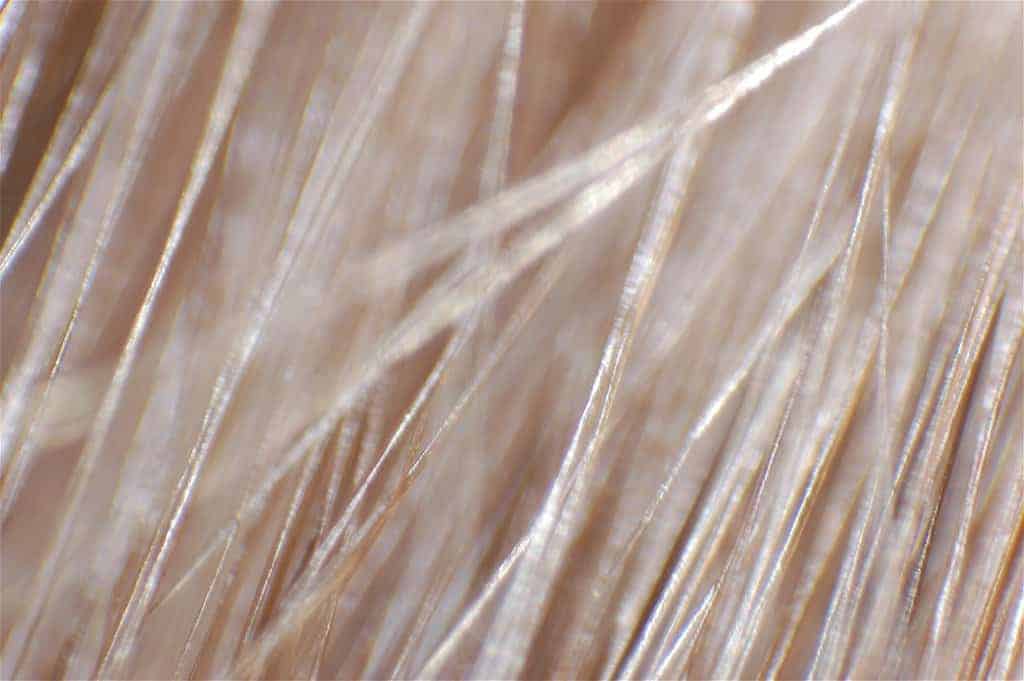
Unveiling the Microscopic World: Advanced Diagnostics for Ringed Hair
Understanding the nuances of hair structures like “ringed hair” begins with seeing beyond the capabilities of the naked eye. Technology has provided a revolutionary suite of diagnostic tools that allow scientists, dermatologists, and trichologists to peer into the microscopic architecture of the hair shaft, revealing intricate patterns and anomalies that inform both diagnosis and treatment strategies.
Beyond the Naked Eye: Imaging and Microscopy
The journey into the hair shaft’s micro-world relies heavily on advanced imaging techniques. Traditional light microscopy has long been a staple, offering basic visualization, but it’s the advent of more sophisticated tools that has truly deepened our understanding. Electron microscopy, both scanning electron microscopy (SEM) and transmission electron microscopy (TEM), provides ultra-high-resolution images, revealing the surface topography and internal structure of individual hair strands with unprecedented detail. For conditions like pili annulati, these microscopes can clearly depict the alternating air-filled cavities (which appear bright) and pigment-rich segments (which appear dark), explaining the “ringed” appearance. Confocal microscopy, with its ability to create clear, in-focus images from specific depths within a specimen, further enhances our capacity to visualize three-dimensional structural variations without extensive sample preparation. These technologies are indispensable for characterizing the precise nature of “ringed hair,” whether it’s a genetic anomaly or a consequence of external factors.
AI-Powered Hair Analysis
The sheer volume and complexity of microscopic hair imagery present a perfect challenge for artificial intelligence. AI and machine learning algorithms are rapidly becoming integral to hair diagnostics, offering speed, precision, and scalability previously unimaginable. By training neural networks on extensive datasets of annotated hair images, including those exhibiting various structural anomalies, AI systems can now automatically detect and classify specific hair characteristics, such as the distinct patterns of “ringed hair.” These AI tools can identify subtle deviations, measure structural parameters, and even predict potential underlying causes with remarkable accuracy. This not only aids in quicker and more consistent diagnoses but also empowers clinicians with data-driven insights, potentially flagging conditions that might be overlooked by the human eye. The integration of AI into diagnostic workflows promises a future where hair health assessments are more personalized, proactive, and precise.
The Role of Digital Trichoscopy
Bridging the gap between specialized microscopy and clinical practice is digital trichoscopy. This non-invasive diagnostic technique utilizes high-magnification cameras and specialized software to capture detailed images of the scalp and hair in vivo. Digital trichoscopes, often handheld and connected to powerful computing platforms, allow practitioners to examine hair follicles, shafts, and scalp skin with exceptional clarity. For “ringed hair,” trichoscopy can reveal characteristic light-dark banding patterns on individual hair strands, helping to differentiate it from other conditions. The associated software typically allows for image storage, comparison over time, and quantitative analysis of various hair parameters, such as hair density, shaft thickness, and the presence of structural defects. This digital record-keeping and analytical capability make digital trichoscopy a cornerstone in monitoring the progression of hair conditions and evaluating the efficacy of treatments, ensuring a technologically informed approach to patient care.
Biotechnology and Material Science: Crafting Solutions for Unique Hair
Beyond diagnosis, technology is at the forefront of developing innovative solutions for diverse hair needs, including those posed by unique structures like “ringed hair.” Biotechnology and material science are converging to create smart ingredients and personalized approaches that address the specific challenges presented by complex hair shaft anomalies.
Formulating for Structure: Smart Ingredients
Biotechnology has revolutionized the development of haircare ingredients, moving beyond generic formulations to create “smart” compounds engineered to interact with specific hair structures. For “ringed hair,” where structural integrity might be compromised by alternating segments, material science plays a crucial role. Researchers utilize advanced analytical techniques to understand the molecular composition and biomechanical properties of different hair regions. This knowledge informs the creation of ingredients that can selectively strengthen weakened areas, improve elasticity, or optimize moisture retention across uneven hair shafts. Biopolymers, ceramides, and targeted protein complexes, often derived through biotechnological processes, are examples of intelligent ingredients designed to fill gaps, reinforce cuticles, and provide resilience. These innovations ensure that products are not merely cosmetic but functionally enhance the health and appearance of structurally complex hair.
Genetic Insights and Personalized Approaches
The ultimate frontier in personalized hair care lies in understanding the genetic blueprint. Advancements in genomics and proteomics are beginning to unlock the genetic predispositions for various hair characteristics, including rare conditions that might present as “ringed hair.” DNA sequencing technologies can identify specific genes or mutations linked to hair structural abnormalities, providing profound insights into their etiology. This genetic understanding paves the way for truly personalized, technology-driven solutions. Imagine a future where a genetic profile informs the precise formulation of a shampoo, conditioner, or treatment serum, delivered via an app, specifically engineered to support the unique structure of an individual’s hair. This data-driven approach moves beyond trial-and-error, promising highly effective and preventative care tailored to each person’s genetic makeup.
Nanotechnology in Hair Care

Nanotechnology, the manipulation of matter on an atomic and molecular scale, offers exciting possibilities for addressing specific hair concerns, including those related to “ringed hair.” Nanoparticles can be engineered to deliver active ingredients more effectively and deeply into the hair shaft or scalp. For instance, encapsulating repair agents in nanoparticles allows for targeted release within the hair’s cortex, potentially strengthening fragile segments or repairing micro-fissures characteristic of some “ringed” structures. Nano-emulsions can create more stable and penetrative formulations, ensuring that beneficial compounds reach their intended targets without degradation. While still an emerging field in hair care, the precision and efficacy offered by nanotechnology hold immense promise for creating ultra-sophisticated solutions that can enhance the health, appearance, and resilience of even the most unique hair types.
Digital Realities: Simulating Ringed Hair in Virtual Worlds
Beyond the realm of diagnostics and treatment, technology is also fundamentally changing how we perceive and create hair in digital environments. The complexity of “ringed hair” provides a unique challenge and opportunity for advanced rendering and simulation techniques, shaping virtual experiences from gaming to metaverse interactions.
The Art and Science of Hair Rendering
Digitally rendering realistic hair is one of the most demanding tasks in computer graphics, far surpassing the complexity of skin or clothing. The intricate nature of “ringed hair,” with its alternating bands of texture and light reflection, elevates this challenge. Advanced algorithms employ physically based rendering (PBR) to accurately simulate how light interacts with individual hair strands, accounting for absorption, scattering, and reflection based on material properties. Hair strand-based rendering techniques treat each hair as a distinct object, allowing for individual texture mapping and dynamic movement. Developers must not only replicate the visual appearance of “ringed” patterns but also simulate their unique light absorption and scattering properties to achieve photorealism, which requires sophisticated shaders and ray tracing techniques to capture the subtle nuances of such structures.
Metaverse and Virtual Avatars
The explosion of the metaverse, virtual reality (VR), and augmented reality (AR) platforms has created an unprecedented demand for highly customizable and hyper-realistic digital avatars. Users expect their virtual counterparts to reflect their unique identities, including diverse hair types and styles. Creating “ringed hair” in these virtual environments requires not just artistic skill but also robust technological frameworks. Game engines and 3D modeling software now offer advanced hair creation tools that allow artists to sculpt, texture, and simulate a vast array of hair types. Integrating “ringed” patterns involves detailed texture mapping, material definitions that mimic the varying optical properties of different hair segments, and sophisticated physics engines to ensure realistic movement and interaction within the virtual world. This ensures that users can express their individuality, even down to unique hair characteristics, in their digital personas.
AI-Driven Hair Styling and Design
Artificial intelligence is increasingly being leveraged to democratize and enhance digital hair design. AI-driven tools can assist artists and even end-users in creating and customizing hairstyles for digital characters or avatars with remarkable speed and flexibility. These systems can learn from vast libraries of real and digitally rendered hair, allowing them to generate plausible hair structures, including variations that might resemble “ringed hair.” Users can input parameters, and AI can then generate multiple stylistic options, modify textures, or even animate hair patterns dynamically. This not only streamlines the production pipeline for games and films but also empowers individuals in the metaverse to experiment with unique, complex hairstyles, potentially including “ringed” effects, that would be difficult or impossible to achieve through manual modeling alone.
The Future of Hair Tech: From Diagnostics to Customization
The trajectory of technological innovation in hair science points towards an increasingly integrated and personalized future. Our understanding and interaction with hair structures, including “ringed hair,” will continue to evolve through groundbreaking advancements.
Wearable Hair Health Devices
Imagine wearable technology designed specifically for hair health. Future gadgets could integrate microscopic cameras, environmental sensors, and bio-impedance monitors to continuously assess hair structure, moisture levels, cuticle integrity, and environmental damage in real-time. Such devices could detect the early signs of structural changes, like the onset of “ringed” patterns, or monitor the efficacy of treatments. This data, analyzed by onboard AI, could provide instant, data-driven recommendations via a smartphone app, suggesting adjustments to haircare routines, product usage, or even alerting users to environmental factors impacting hair health. These intelligent wearables would empower individuals with unprecedented control and insight into their hair’s condition.
3D Printing and Bio-fabrication for Hair
While highly speculative, the long-term potential of advanced manufacturing techniques like 3D printing and bio-fabrication in hair science is compelling. Research in bio-printing is exploring the possibility of culturing hair follicles and even printing hair-like structures. For complex conditions like “ringed hair,” this could eventually lead to personalized restorative solutions, where hair follicles or even segments of hair are custom-printed to match an individual’s unique biological and structural needs. Though still in its nascent stages, the vision of precisely bio-fabricated hair, designed to correct structural anomalies or replicate desired textures, represents the ultimate in personalized hair care technology.

Integrated Hair Ecosystems
The ultimate future will likely involve an integrated ecosystem where diagnostics, product formulation, and digital styling are seamlessly interconnected through sophisticated technology platforms. Users might undergo an AI-powered hair analysis at home or in a clinic, generating a detailed profile of their hair’s unique characteristics, including any “ringed” patterns. This data would then automatically inform the formulation of custom-blended products, potentially manufactured on-demand by smart dispensing systems. Simultaneously, this profile could be imported into metaverse platforms, allowing avatars to feature hair that precisely matches the user’s real-world or desired “ringed” characteristics. This holistic, data-driven approach promises a revolutionary shift towards ultra-personalized, preventative, and digitally integrated hair care for all hair types.
In conclusion, “ringed hair,” whether understood as a specific biological anomaly or a broader term for intricate hair structures, serves as a powerful illustration of the profound impact of technology. From the microscopic precision of advanced diagnostics to the intelligent design of biotechnological solutions and the hyper-realistic rendering in digital realms, technology is not merely observing but actively shaping our interaction with hair. As innovations continue to accelerate, the future promises a world where every hair strand, no matter how unique or complex, can be understood, managed, and even digitally celebrated with unprecedented accuracy and personalization. The journey into the intricacies of hair is increasingly a journey through the cutting edge of technological advancement.
aViewFromTheCave is a participant in the Amazon Services LLC Associates Program, an affiliate advertising program designed to provide a means for sites to earn advertising fees by advertising and linking to Amazon.com. Amazon, the Amazon logo, AmazonSupply, and the AmazonSupply logo are trademarks of Amazon.com, Inc. or its affiliates. As an Amazon Associate we earn affiliate commissions from qualifying purchases.