
In the world of high-stakes technology—ranging from aerospace engineering to renewable energy and telecommunications—environmental factors are often the most significant hurdles to overcome. Among these, rime ice stands out as a deceptively beautiful but technically catastrophic phenomenon. While a hiker might see rime ice as a crystalline wonder decorating a mountain peak, a systems engineer sees it as a high-risk variable that can take down a power grid, crash a drone, or paralyze a wind farm.
Understanding rime ice through a technical lens requires more than just a meteorological definition. It requires an exploration of material science, sensor technology, and predictive AI. This article examines the mechanics of rime ice formation and the cutting-edge technological solutions being deployed to mitigate its impact on modern infrastructure.
The Physics and Detection of Rime Ice: Sensor Tech and Data Acquisition
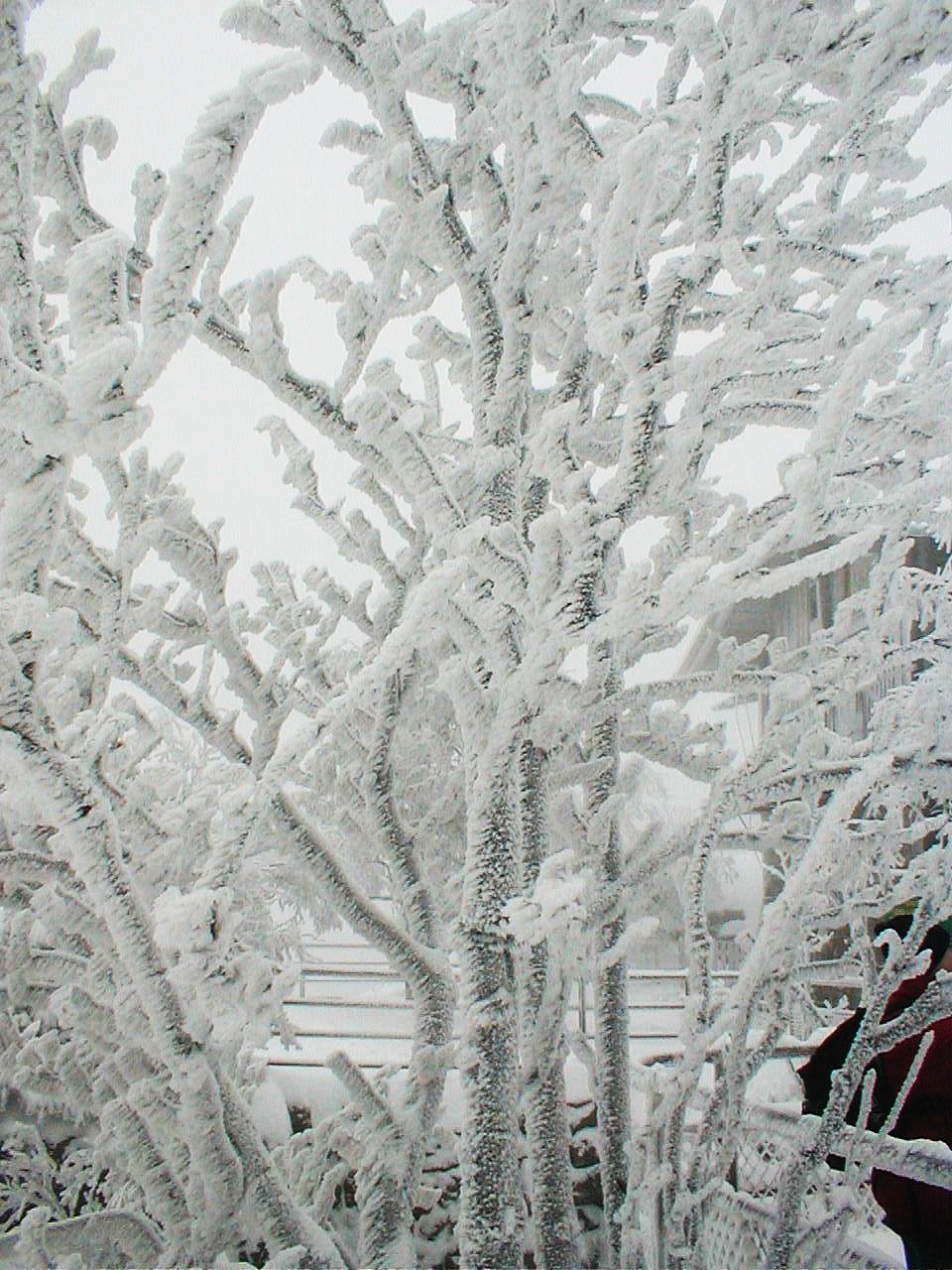
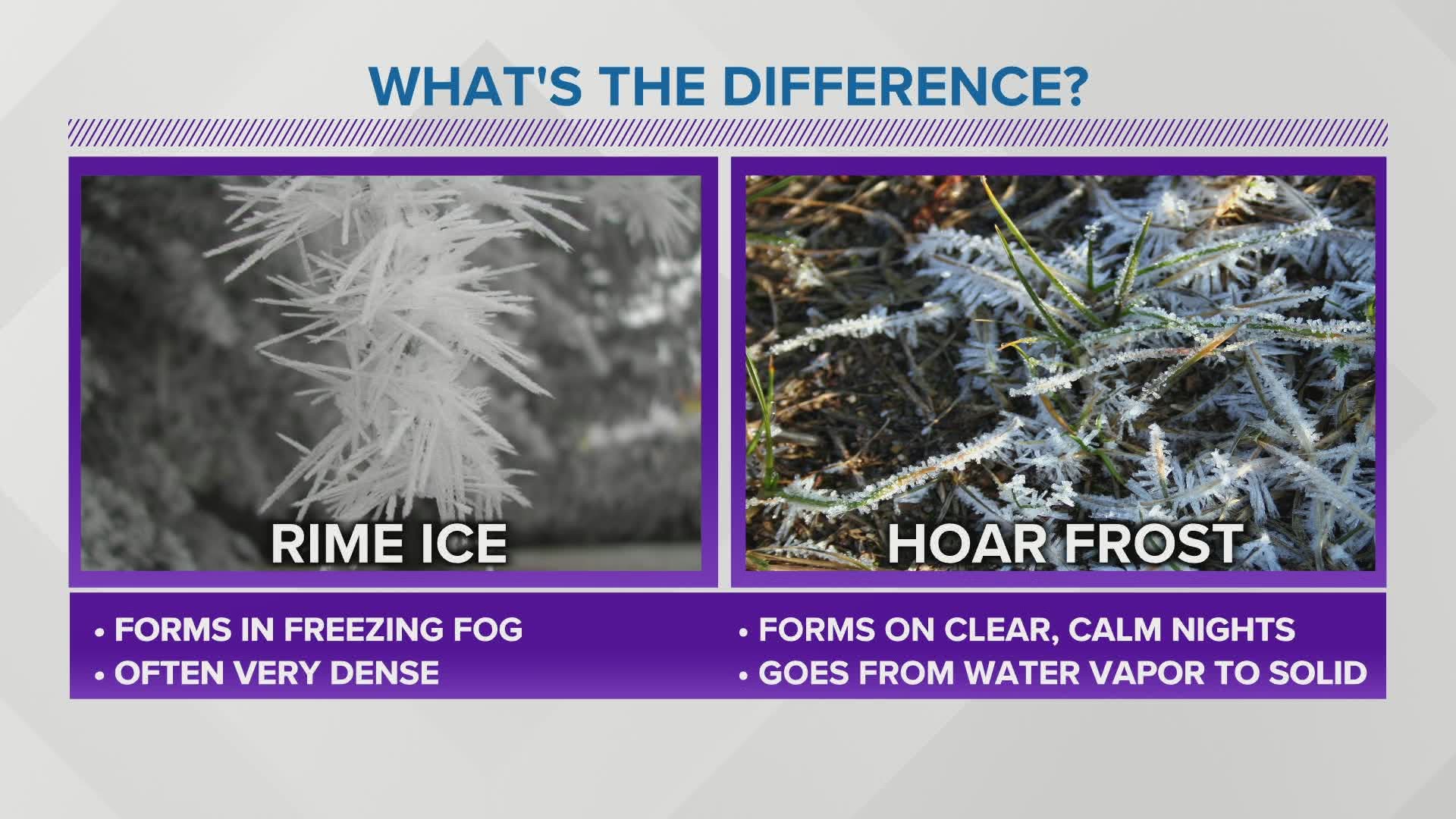
To solve the problem of rime ice, engineers must first understand its digital signature. Rime ice forms when supercooled water droplets—liquid water that remains below freezing point—impact a surface and freeze almost instantaneously. This process traps air between the droplets, resulting in a white, opaque, and brittle structure. From a tech perspective, the rapid accumulation of this mass changes the aerodynamic and structural properties of a device in real-time.
Supercooled Water and the Digital Signature
Detecting rime ice before it becomes critical is a primary focus of modern sensor development. Traditional temperature sensors are insufficient because rime ice can form in specific humidity conditions even when ambient air temperature fluctuates. Modern “Ice Detectors” use piezoelectric sensors that vibrate at a specific ultrasonic frequency. As ice accumulates on the probe, the mass increases, changing the vibration frequency. This data is then fed into a central processing unit that triggers de-icing protocols.
LiDAR and Remote Sensing
In high-altitude telecommunications and aviation, remote sensing has become the gold standard. Light Detection and Ranging (LiDAR) systems are now being calibrated to detect the specific refractive index of supercooled droplets in the atmosphere. By utilizing multi-spectral imaging, tech companies can map out “icing zones” in the atmosphere, allowing autonomous systems to re-route before the first crystal even forms on a wing or a sensor housing.
Aviation Tech: Battling the “Ghost” of the Skies
In the aviation industry, rime ice is often referred to as a “ghost” because of its ability to silently alter the shape of an airfoil, leading to a sudden loss of lift. For decades, the solution was “bleed air”—using hot air from the engines to heat the wings. However, as we move toward electric aviation and more fuel-efficient composite materials, new tech solutions are required.
Next-Generation In-flight De-icing Systems
Modern aerospace engineering is moving away from energy-heavy thermal systems toward Electro-Mechanical Expulsive De-Icing Systems (EMEDS). These systems use electronic actuators to deliver a high-speed “jolt” to the aircraft’s skin, effectively shattering the brittle rime ice and allowing it to be swept away by the airflow. This is a massive leap in tech efficiency, as it requires a fraction of the power of traditional heating elements, making it ideal for the emerging market of Electric Vertical Take-off and Landing (eVTOL) vehicles.
AI-Driven Prediction and Real-time Modeling
The integration of Artificial Intelligence into cockpit avionics has transformed how pilots interact with icing conditions. Predictive algorithms now ingest data from global weather satellites, onboard humidity sensors, and historical icing patterns to provide a “probabilistic risk assessment” on the pilot’s HUD (Heads-Up Display). Instead of reacting to ice, the onboard AI suggests altitude or heading changes to avoid the specific micro-climates where rime ice is most likely to proliferate.

Critical Infrastructure: Protecting the Grid and Renewables
The transition to green energy has inadvertently placed more of our critical infrastructure in the direct path of rime ice. Wind turbines, often located on ridges or offshore, are particularly susceptible. When rime ice builds up on a turbine blade, it disrupts the balance and the aerodynamic profile, leading to mechanical failure or a total “icing shutdown.”
Wind Turbine Efficiency and Thermal Coatings
To combat this, the tech industry has developed “Smart Blades.” These blades are embedded with carbon fiber heating elements that are partitioned into zones. Instead of heating the entire blade, IoT sensors detect which specific section is accumulating ice and apply targeted heat. Furthermore, the development of omniphobic and icephobic nanocoatings is a burgeoning field. These chemical treatments reduce the surface energy of the blade, making it physically difficult for supercooled droplets to adhere, effectively allowing the ice to “slide” off before it can bond.
Smart Grid Monitoring and IoT Integration
High-voltage power lines in northern climates are frequently brought down by the sheer weight of rime ice. The tech solution involves the deployment of “Line Monitoring Robots” and IoT-enabled strain gauges. These devices live on the power lines and use machine learning to distinguish between the weight of snow, rime ice, and wind shear. When a critical mass of rime ice is detected, utility companies can pulse high-frequency currents through the lines—a process known as “joule heating”—to melt the ice remotely from a centralized control room.
The Future of Icing Prevention: Nanotech and Material Science
As we look toward the future, the goal is to move from “active” de-icing (which requires energy) to “passive” anti-icing (which is built into the material itself). This shift represents the cutting edge of material science and nanotechnology.
Superhydrophobic and Icephobic Surfaces
The most promising tech in the fight against rime ice is the development of surfaces inspired by nature—specifically the lotus leaf. By creating a microscopic texture on a surface, engineers can trap a layer of air between the material and the water droplet. In the case of rime ice, this means the supercooled droplet bounces off the surface before it has time to transfer its latent heat and freeze. This “zero-adhesion” technology is currently being tested for use on everything from high-speed train windshields to satellite dishes.
Real-time Data Analytics in Harsh Environments
The “Digital Twin” concept is also being applied to icing management. By creating a virtual replica of a bridge, a turbine, or an aircraft, engineers can run thousands of simulations based on real-time atmospheric data. This allows for “predictive maintenance,” where technicians can apply anti-icing treatments or perform mechanical checks before a storm hits. The convergence of Big Data and meteorology is turning rime ice from an unpredictable threat into a manageable technical variable.
Conclusion: Engineering a Resilience to the Cold
Rime ice is a testament to the power of the natural world, but it is also a catalyst for some of the most impressive technological innovations of our time. From the ultrasonic sensors that detect microscopic changes in mass to the AI algorithms that guide our planes through frozen skies, our ability to understand and mitigate rime ice is a direct reflection of our technical progress.
As we continue to push the boundaries of where our technology operates—higher into the atmosphere, deeper into the arctic, and further into the realm of autonomous systems—the battle against rime ice will remain a central pillar of engineering. By combining material science, IoT connectivity, and advanced physics, we are not just reacting to the weather; we are building a world that is fundamentally more resilient to the elements. The “white ghost” of the atmosphere may never disappear, but in the face of modern technology, it is losing its power to disrupt.
aViewFromTheCave is a participant in the Amazon Services LLC Associates Program, an affiliate advertising program designed to provide a means for sites to earn advertising fees by advertising and linking to Amazon.com. Amazon, the Amazon logo, AmazonSupply, and the AmazonSupply logo are trademarks of Amazon.com, Inc. or its affiliates. As an Amazon Associate we earn affiliate commissions from qualifying purchases.