
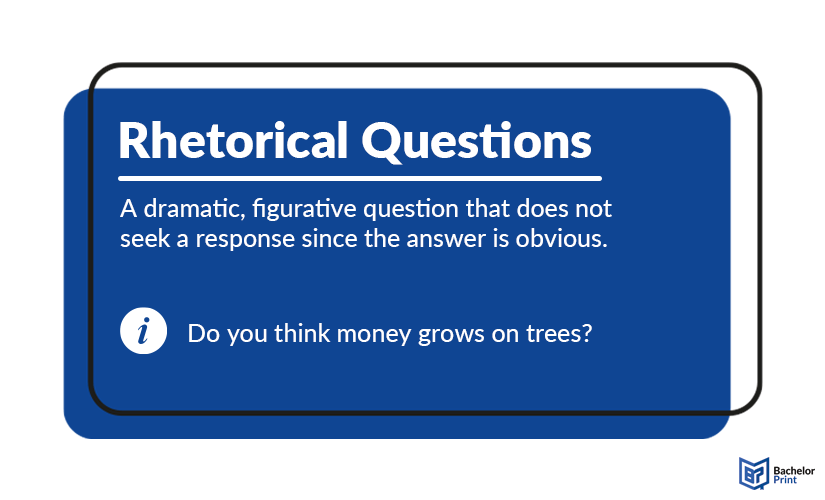
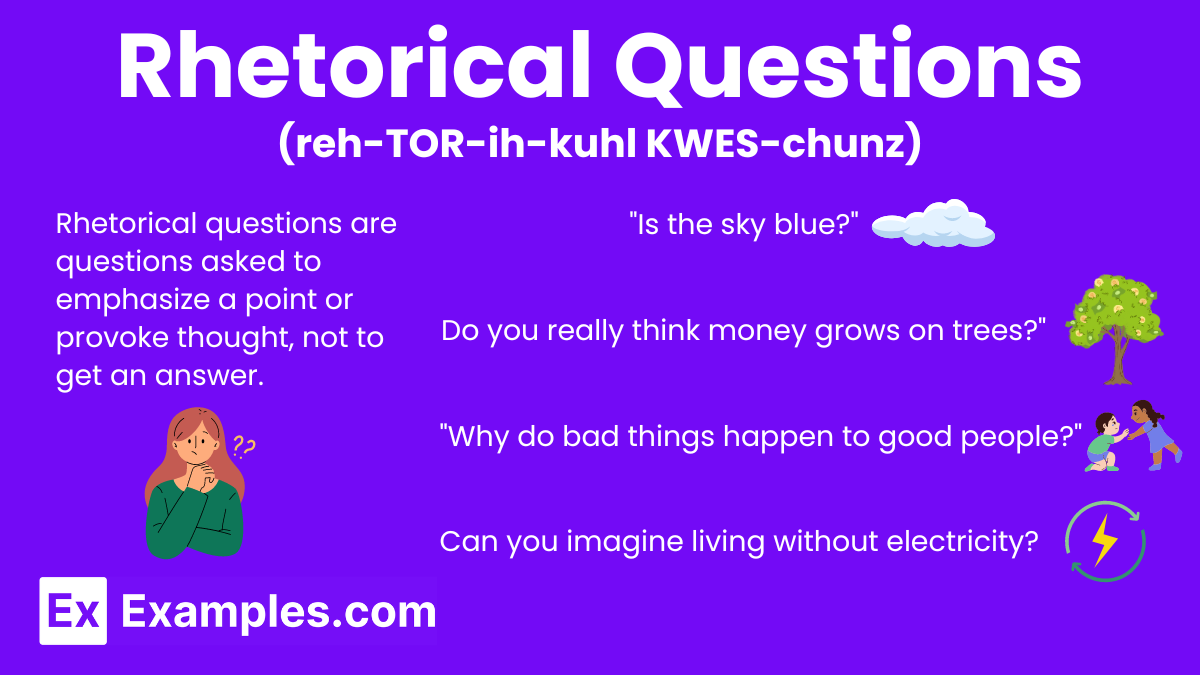
In the dynamic landscape of modern communication, where every word, image, and interaction contributes to an overarching brand narrative, understanding the subtle yet powerful tools of persuasion is paramount. Among these, the rhetorical question stands out as a deceptively simple device with profound implications for engagement, perception, and influence. Far from a mere grammatical curiosity, a rhetorical question is a strategic linguistic maneuver—a question posed not to elicit an answer, but to provoke thought, emphasize a point, or subtly guide an audience towards a desired conclusion. It is a question designed to make you pause, reflect, and perhaps even answer it in your own mind, thereby engaging you more deeply with the message being conveyed.

At its core, a rhetorical question is a statement in disguise. When a brand asks, “Don’t you deserve the best?” it isn’t waiting for a literal affirmation; it’s asserting that you do deserve the best, and implicitly, that their product or service is the best. This technique leverages inherent human psychology, compelling the audience to participate in the communication process rather than passively receive information. For brands, this participatory engagement is invaluable, transforming monologue into an implied dialogue, fostering connection, and embedding the brand’s message more deeply within the consumer’s consciousness. In an era saturated with information, the ability to cut through the noise and genuinely resonate with an audience is a brand’s ultimate asset, and the rhetorical question is a sharp instrument in achieving precisely that.
The Psychology Behind Rhetorical Questions in Branding
The efficacy of rhetorical questions in branding is not accidental; it is deeply rooted in human psychology and cognitive processes. By framing a statement as a question, brands tap into fundamental ways we process information, engage with ideas, and form opinions. This psychological leverage transforms a simple query into a powerful persuasive tool.
Eliciting Engagement and Thought
Human beings are naturally curious and problem-solving creatures. When confronted with a question, our minds instinctively begin to seek an answer, even if the question is self-evident. A rhetorical question exploits this inherent drive, compelling the audience to pause and actively process the information rather than passively scanning it. For instance, a software company might ask, “Tired of endless spreadsheets and manual data entry?” This isn’t a request for a ‘yes’ or ‘no’ response, but an invitation for the potential customer to reflect on their own pain points and acknowledge the problem the software aims to solve. This mental engagement increases retention of the message and strengthens the association between the problem and the brand’s proposed solution. It forces the audience to internalize the premise, making them more receptive to the subsequent arguments or offerings.
Building Rapport and Connection
Rhetorical questions can effectively bridge the gap between a brand and its audience, fostering a sense of shared understanding and intimacy. By posing a question that resonates with common experiences, challenges, or aspirations, a brand can create an impression of empathy and relatability. Consider a personal finance brand asking, “Isn’t it time your money started working harder for you?” This question speaks directly to a universal desire for financial security and growth, making the audience feel understood and validated. This conversational tone reduces the perceived distance between the brand and the consumer, transforming a marketing message into an implied dialogue. It establishes a rapport, making the brand feel less like a distant entity and more like a trusted advisor or a fellow traveler on a shared journey.
Guiding Perceptions and Shaping Narratives
Perhaps one of the most potent psychological functions of rhetorical questions is their ability to subtly guide perceptions and shape narratives. Brands can use them to frame an issue, highlight a benefit, or pre-emptively address potential objections without directly stating them. For example, a luxury car brand might query, “What if safety didn’t have to compromise style?” This question subtly challenges the traditional dichotomy between safety and aesthetics, positioning the brand as one that transcends such limitations. It doesn’t assert a fact but plants a seed of possibility, leading the audience to a desired conclusion through their own introspective process. This indirect persuasion is often more effective than direct assertion because it allows the audience to “discover” the truth for themselves, making the conclusion feel more personal and therefore more convincing.
Strategic Applications in Marketing and Advertising
In the competitive arenas of marketing and advertising, the ability to communicate persuasively and memorably is crucial. Rhetorical questions, when wielded strategically, serve as powerful tools to achieve these objectives across various brand touchpoints.
Crafting Compelling Slogans and Taglines
Some of the most iconic and enduring slogans in advertising history are, in fact, rhetorical questions. Consider “Got Milk?” This simple, three-word question became a cultural phenomenon, prompting consumers to instinctively check their refrigerators and associating milk with everyday necessity. Similarly, “Is it live, or is it Memorex?” challenged perceptions of audio fidelity, directly engaging the consumer in evaluating the product’s quality. These slogans succeed because they are memorable, provoke immediate thought, and directly relate to the product’s core value proposition without needing a lengthy explanation. They create an instant connection and a powerful, lasting impression, embedding the brand deeply into public consciousness.
Enhancing Call-to-Actions (CTAs)
While traditional CTAs are direct commands (e.g., “Buy now,” “Sign up”), rhetorical questions can significantly enhance their persuasive power by framing the action within a benefit or a felt need. Instead of a bland “Learn More,” a brand might ask, “Ready to unlock your full potential?” or “What’s stopping you from achieving your goals?” These questions don’t just instruct; they invite consideration of the desired outcome and the potential barriers, subtly pushing the audience towards the solution offered by the brand. They transform a transactional request into an engaging invitation, making the decision to act feel more intrinsic and less externally imposed.
Storytelling and Content Marketing
In the realm of content marketing, where the goal is to inform, entertain, and engage, rhetorical questions are invaluable for drawing readers and viewers into a narrative. A blog post might open with, “Have you ever wondered why some brands succeed where others fail?” or a video could start with, “What if there was a simpler way to manage your finances?” These openings immediately establish a hook, pique curiosity, and set the stage for the content that follows. They create a conversational flow, making the content feel less like a lecture and more like an exploration of a shared question, thereby increasing reader retention and fostering deeper engagement with the brand’s message.
Overcoming Objections and Building Trust
Rhetorical questions can be skillfully used to pre-emptively address potential consumer objections or build trust by acknowledging common concerns. For example, an eco-friendly brand might ask, “Worried about the environmental impact of your daily choices?” before presenting its sustainable solutions. This approach demonstrates an understanding of the audience’s concerns, positions the brand as a thoughtful problem-solver, and builds credibility. By vocalizing potential doubts and immediately offering a path forward, brands can alleviate anxieties and reinforce their commitment to addressing customer needs, thereby solidifying trust and fostering loyalty.
Leveraging Rhetorical Questions in Personal and Corporate Branding
The utility of rhetorical questions extends beyond direct marketing, playing a significant role in shaping both personal and corporate identities. They are instrumental in defining brand voice, influencing internal culture, and navigating complex communication scenarios.
Shaping a Personal Brand Voice
For thought leaders, entrepreneurs, and public figures, a distinctive personal brand voice is crucial. Rhetorical questions are a powerful tool for crafting this voice, allowing individuals to present themselves as reflective, insightful, and engaging. A motivational speaker might frequently ask, “What truly limits you?” during presentations, prompting their audience to introspect and challenge their own assumptions. A business consultant might blog with questions like, “Are you leaving money on the table?” to demonstrate expertise and provoke action. This technique establishes an authoritative yet accessible persona, positioning the individual as a guide who encourages self-discovery rather than simply delivering directives. It fosters a connection based on shared intellectual inquiry, elevating the personal brand beyond mere information provision to genuine thought leadership.
Defining Corporate Identity
Rhetorical questions can encapsulate a company’s mission, values, and strategic vision, translating abstract concepts into tangible, thought-provoking statements. A tech company might ask, “What if innovation knew no bounds?” to convey its commitment to pioneering solutions and pushing technological frontiers. Such questions, often embedded in mission statements, brand manifestos, or corporate advertising, communicate the brand’s ethos and aspiration. They invite stakeholders—from employees to investors—to align with the company’s vision, fostering a sense of shared purpose and identity. This use allows a brand to articulate its aspirational self, encouraging an emotional connection that transcends product features alone.
Crisis Communication and Reputation Management
In times of crisis, clear, empathetic, and strategic communication is paramount. Rhetorical questions can be carefully employed to reframe discussions, acknowledge concerns, and guide public perception. For instance, a company facing a product recall might ask, “Isn’t the safety of our customers our top priority?” This question, if backed by genuine action, can subtly reinforce the brand’s core values and commitment, redirecting focus from the immediate crisis to the underlying principles guiding the company’s response. While sensitive, used judiciously, they can demonstrate transparency and a commitment to resolution, provided they don’t appear disingenuous or evasive. The key is to ask questions that genuinely resonate with public sentiment while subtly steering the narrative towards accountability and resolution.
Internal Communications
Within an organization, rhetorical questions can foster a culture of inquiry, collaboration, and strategic thinking. Leaders can use them to engage employees, encourage critical thought, and align teams around common objectives. For example, a manager might start a meeting with, “How can we truly empower our customers to succeed?” rather than just stating a goal. This approach invites active participation, making employees feel valued and invested in the outcomes. It encourages brainstorming, problem-solving, and a deeper understanding of strategic priorities, transforming passive recipients of information into active contributors to the brand’s success. This creates a more dynamic and engaged internal environment, strengthening the overall brand from within.
Best Practices and Pitfalls to Avoid
While rhetorical questions are potent communication tools, their effectiveness hinges on judicious application. Misuse can lead to confusion, alienation, or even legal repercussions. Brands must navigate their deployment with care and strategic foresight.
Knowing Your Audience
The impact of a rhetorical question is highly dependent on the audience’s existing knowledge, beliefs, and emotional state. A question that resonates deeply with one demographic might fall flat or even offend another. Brands must conduct thorough audience research to understand their target market’s cultural nuances, pain points, and aspirations. A question like, “Tired of overpriced, underperforming gadgets?” might appeal to a tech-savvy, value-conscious audience but might alienate those who prioritize luxury or brand prestige. Tailoring the rhetorical question to align with the audience’s specific context is crucial for ensuring it evokes the desired response.
Maintaining Authenticity
The most effective rhetorical questions are those that genuinely reflect a brand’s values, mission, and personality. Inauthenticity can be quickly detected and erode trust. If a brand asks, “Don’t you believe in ethical sourcing?” but has a dubious supply chain, the question becomes disingenuous and damaging. Every rhetorical question should feel organic to the brand’s voice and consistent with its actions. Authenticity builds credibility; without it, even the cleverest rhetorical question can backfire, leaving the audience feeling manipulated rather than engaged.
Avoiding Ambiguity or Confusion
The purpose of a rhetorical question is to guide thought, not to create confusion. Questions that are too complex, vague, or open to multiple interpretations can derail the message. The desired implied answer or conclusion should be relatively obvious to the audience. For instance, asking, “What’s the true nature of being?” might be too philosophical for a commercial context. Brands should strive for clarity and precision, ensuring the rhetorical question points directly towards the intended emphasis or insight, without leaving the audience wondering what the brand is trying to say.
Overuse and Redundancy
Like any persuasive technique, the power of rhetorical questions diminishes with overuse. A communication piece peppered with too many rhetorical questions can feel repetitive, forced, or even condescending. Their impact lies in their ability to punctuate and emphasize, so they should be used sparingly and strategically, at key moments where maximum engagement or reflection is desired. A single, well-placed rhetorical question can be far more effective than a barrage of them, maintaining their gravitas and ensuring each one lands with impact.
Legal and Ethical Considerations
Brands must be mindful of the legal and ethical implications of their rhetorical questions. Questions that are misleading, make unsubstantiated claims, or unfairly disparage competitors can lead to legal challenges or reputational damage. For example, asking, “Why settle for anything less than the industry’s safest product?” might imply a superiority that isn’t legally verifiable. It is crucial to ensure that any implied claims within a rhetorical question are truthful, substantiated, and do not cross ethical boundaries, maintaining transparency and integrity in all brand communications.
In conclusion, the rhetorical question is far more than a stylistic flourish; it is a sophisticated, psychological tool that, when skillfully applied, can profoundly impact brand perception, consumer engagement, and overall communication effectiveness. From crafting memorable slogans to shaping corporate identity and navigating complex communications, its power lies in its ability to transform passive reception into active introspection. By understanding its psychological underpinnings and adhering to best practices, brands can unlock the full potential of this linguistic device, forging deeper connections and building more compelling narratives in an increasingly crowded marketplace.
aViewFromTheCave is a participant in the Amazon Services LLC Associates Program, an affiliate advertising program designed to provide a means for sites to earn advertising fees by advertising and linking to Amazon.com. Amazon, the Amazon logo, AmazonSupply, and the AmazonSupply logo are trademarks of Amazon.com, Inc. or its affiliates. As an Amazon Associate we earn affiliate commissions from qualifying purchases.