
The classification of human blood is one of the most fundamental aspects of medical science, playing a pivotal role in everything from life-saving transfusions to genetic research. While most people are familiar with the basic ABO blood group system—A, B, AB, and O—the secondary classification known as the Rh factor remains a subject of intense scientific fascination and occasional misinformation. Understanding the Rh-negative blood type requires a dive into hematology, the nuances of antigen presentation, and the evolutionary history of human blood groups.
The Science of the Rh Factor
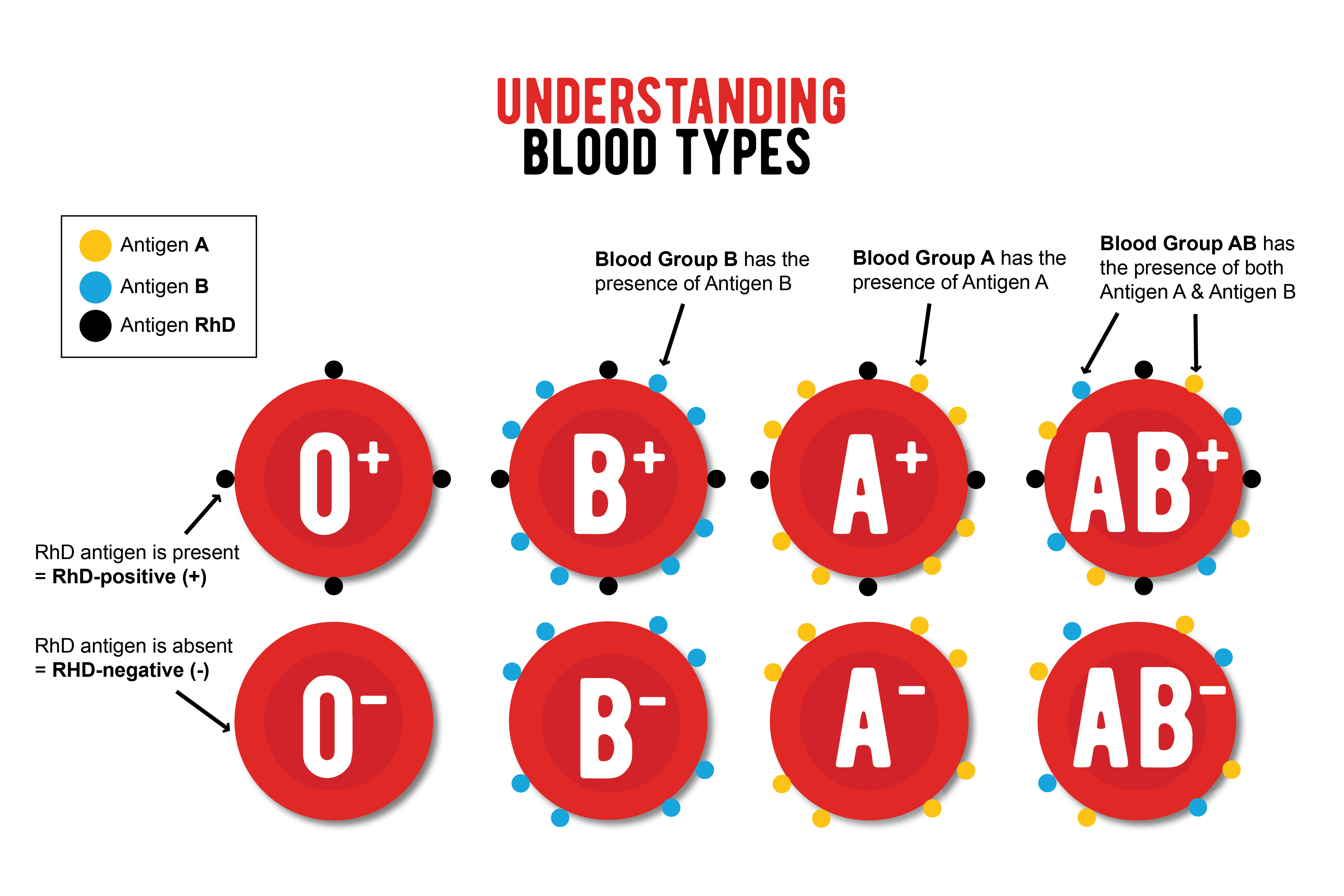
At the heart of the Rh system is a specific protein known as the Rhesus (Rh) antigen, also referred to as the RhD protein. This protein sits on the surface of red blood cells. When individuals possess this protein, they are classified as Rh-positive. Conversely, those who lack the RhD protein are classified as Rh-negative.
Understanding Antigenicity
Blood typing is essentially a process of identifying markers on the surface of red blood cells. When a person is Rh-negative, their immune system recognizes the Rh protein as a “foreign” substance. If an Rh-negative individual is exposed to Rh-positive blood—such as through an incompatible transfusion—their immune system may trigger an antibody response. This reaction is the body’s natural defense mechanism, treating the Rh-positive cells as invaders to be neutralized.
Genetics and Inheritance
The Rh status is inherited genetically. The gene responsible for the RhD protein is dominant, meaning that if an individual inherits the Rh-positive gene from even one parent, they will have an Rh-positive blood type. Rh-negative status is a recessive trait. This means that for a person to be Rh-negative, they must inherit the recessive gene from both parents. Because of this inheritance pattern, Rh-negative blood remains a minority phenotype in the global population, appearing in only about 15% of people of European descent and even lower percentages in other ethnic demographics.
Clinical Implications and Medical Considerations
For the vast majority of daily life, having an Rh-negative blood type has no impact on physical health. It is not a disease, nor does it inherently make an individual “weaker” or “stronger.” However, the medical community maintains strict protocols regarding Rh status, particularly in scenarios involving surgery, trauma, and reproductive health.
The Dynamics of Blood Transfusion
In emergency medical settings, the priority is to provide blood that will not trigger an adverse reaction. Rh-negative individuals must typically receive Rh-negative blood. If an Rh-negative patient receives Rh-positive blood, the body develops anti-D antibodies. While the first instance of such a mismatch might not always result in a fatal reaction due to the time the body takes to produce antibodies, subsequent exposures can lead to severe hemolytic transfusion reactions, where the body actively destroys the transfused blood cells, leading to organ failure or shock.
Pregnancy and Sensitization
The most critical clinical application of Rh knowledge occurs during pregnancy. When an Rh-negative mother is carrying an Rh-positive fetus (having inherited the father’s Rh-positive status), a condition known as Rh incompatibility can occur. During childbirth or certain prenatal complications, small amounts of the fetus’s blood can enter the mother’s bloodstream.
The mother’s immune system detects the Rh protein on the baby’s blood cells and begins producing antibodies. In a first pregnancy, this often happens too late to affect the current child. However, if the mother becomes pregnant again with another Rh-positive fetus, her pre-existing antibodies can cross the placenta and attack the baby’s red blood cells. This condition, known as hemolytic disease of the newborn (HDN), can lead to anemia, jaundice, or heart failure in the infant. Modern medicine has effectively managed this risk through the administration of Rho(D) immune globulin, which prevents the mother from developing the harmful antibodies in the first place.

The Evolutionary Mystery of Rh-Negative Blood
The origins of the Rh-negative trait have long sparked debate among anthropologists and evolutionary biologists. Unlike the ABO system, which is found in many primates, the Rh-negative blood type is remarkably rare in non-human species. Its persistence in the human gene pool suggests that it may have offered a selective advantage at some point in our evolutionary past, or that it is simply a byproduct of genetic drift.
The Selective Advantage Theory
Some researchers have proposed that Rh-negative blood may provide a protective advantage against certain parasitic infections. The logic follows that because the immune system of an Rh-negative individual is “primed” differently, it might be more efficient at identifying and destroying specific pathogens that use surface proteins to hijack host cells. While these theories are compelling, conclusive evidence linking Rh-negative status to specific historical immunity remains a subject of ongoing study.
Geography and Migration
The distribution of Rh-negative blood is not uniform across the globe. It is most prevalent in populations of European origin, particularly in the Basque region of Spain and France. In contrast, populations in East Asia and parts of Africa have a very low incidence of Rh-negative blood, often less than 1%. This distribution suggests that the trait was likely preserved in isolated populations as human groups migrated and adapted to different environmental stressors.
Dispelling Myths Surrounding Rh-Negative Blood
Because of the rarity and the “unknown” nature of the Rh-negative factor, it has been the subject of various fringe theories and misconceptions. It is essential to ground our understanding in verifiable scientific fact.
Personality and Health Myths
A common set of myths suggests that people with Rh-negative blood possess distinct personality traits, higher intelligence, or are even physically different from the rest of the population. There is zero empirical evidence to support these claims. Blood type is determined by the presence or absence of specific proteins on the surface of red blood cells and has no causal link to neurological development, psychological profiles, or physical strength.
The “Alien” Narrative
Perhaps the most peculiar myth suggests that the lack of the Rh antigen indicates non-human or extraterrestrial ancestry. This is purely speculative fiction. Evolutionary biology confirms that the Rh-negative trait emerged through natural mutation within the human species. The loss of the Rh protein is a well-documented genetic event that does not indicate any external intervention. The genetic variation seen in human blood is a testament to the diversity of our species and the complex ways in which our biology has adapted over millennia.
Conclusion: Living with Rh-Negative Status
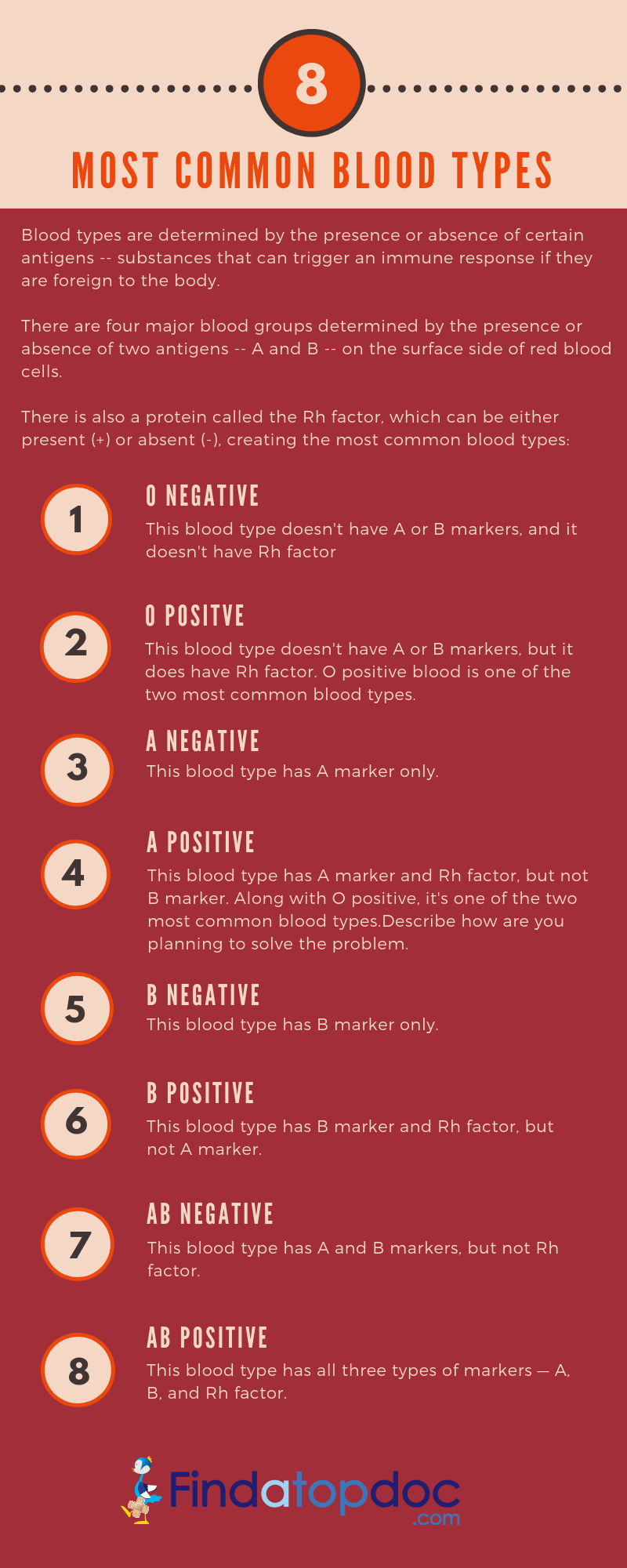
For the individual, knowing one’s blood type is a fundamental component of personal health management. While having an Rh-negative blood type does not require a change in lifestyle or dietary habits, it is vital information to share with medical professionals.
Whether it is for routine health screenings, surgical preparation, or family planning, understanding the implications of your blood type ensures that you receive the safest and most effective care. Furthermore, Rh-negative blood donors are frequently in high demand, as their blood is compatible with both Rh-negative and, in some emergency cases, Rh-positive recipients. By keeping informed and contributing to blood banks when possible, individuals with Rh-negative blood play an indispensable role in the modern healthcare ecosystem, supporting a system that relies on the life-saving generosity of donors to address a wide range of medical needs.
The study of blood types like Rh-negative remains a cornerstone of hematology, proving that even the smallest molecular differences can have profound implications for human health and our understanding of our own biological heritage.
aViewFromTheCave is a participant in the Amazon Services LLC Associates Program, an affiliate advertising program designed to provide a means for sites to earn advertising fees by advertising and linking to Amazon.com. Amazon, the Amazon logo, AmazonSupply, and the AmazonSupply logo are trademarks of Amazon.com, Inc. or its affiliates. As an Amazon Associate we earn affiliate commissions from qualifying purchases.