
Retail Price Maintenance (RPM), also known as resale price maintenance, is a business practice where a manufacturer or supplier dictates the minimum or maximum price at which their products can be resold by retailers. This practice has a long and complex history, often sparking debate among businesses, economists, and antitrust regulators due to its potential impacts on competition, consumer welfare, and market dynamics. Understanding RPM requires delving into its mechanics, its historical context, its legal implications, and its varied economic effects.
The Mechanics and Intentions of Retail Price Maintenance
At its core, RPM involves an agreement between a supplier and a retailer that sets the price for a product. This agreement can take several forms, but the fundamental goal is to influence the final price consumers pay.

Types of Retail Price Maintenance Agreements
RPM can manifest in a few primary ways, each with slightly different implications:
- Minimum Resale Price Maintenance (MRP): This is the most common and often most controversial form. Under MRP, a supplier sets a floor below which a retailer cannot sell the product. For instance, a luxury watch brand might stipulate that its watches must never be sold for less than a certain price, even during sales or promotional periods. The intention here is often to preserve brand image, prevent aggressive price wars, and ensure a certain level of profitability for both the manufacturer and the retailer.
- Maximum Resale Price Maintenance (Max RPM): Less common than MRP, Max RPM sets a ceiling on the price. A supplier might dictate that a retailer cannot sell a product for more than a specified price. This is often used to prevent retailers from price gouging, especially in situations where demand is high or for essential goods. For example, during a public health crisis, a supplier of essential medical supplies might implement Max RPM to ensure affordability.
- Fixed Resale Price Maintenance (Fixed RPM): This is the most restrictive form, where a specific, fixed price is set for the product, and retailers are not allowed to deviate either upwards or downwards. This is increasingly rare in most jurisdictions due to its direct impact on price flexibility.
The key element in all RPM agreements is that the supplier is actively involved in setting the resale price, rather than leaving it entirely to the retailer’s discretion based on market conditions and their own cost structures.
Motivations Behind Implementing RPM
Suppliers implement RPM for a variety of strategic and economic reasons:
- Brand Image and Quality Perception: For premium or luxury brands, maintaining a consistent, higher price point reinforces an image of quality, exclusivity, and sophistication. Frequent discounting can erode this perception, making the brand appear less valuable. RPM helps ensure that the brand is perceived as it’s intended to be.
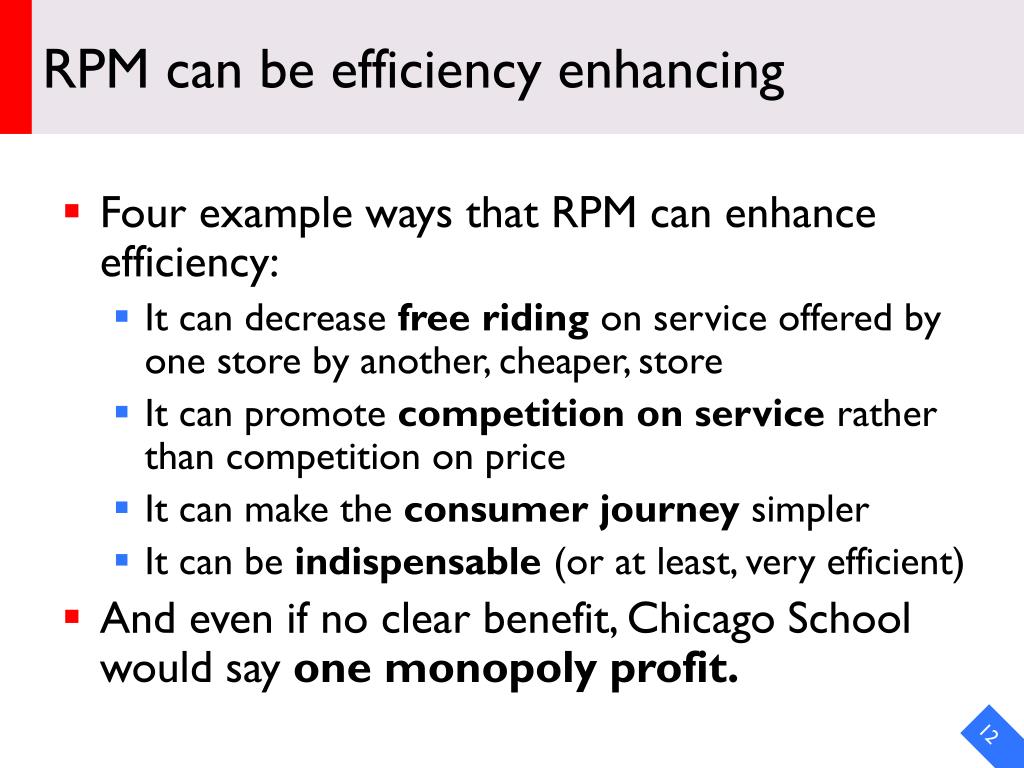
- Preventing “Free-Riding” and Encouraging In-Store Services: Retailers often invest in providing valuable customer service, such as product demonstrations, knowledgeable staff, and a pleasant shopping environment. Without RPM, a retailer that invests heavily in these services might be undercut by a competitor who offers a lower price by cutting back on such services. This is known as the “free-rider” problem. RPM can incentivize retailers to continue investing in service by ensuring they can recoup their costs through a stable, albeit not necessarily higher, margin.
- Ensuring Product Availability and Retailer Viability: Manufacturers may wish to ensure that a diverse range of retailers, including smaller independent shops, can remain profitable and continue to stock their products. Aggressive discounting by large retailers can make it difficult for smaller businesses to compete, potentially leading to reduced product availability in certain channels.
- Market Stability and Predictability: RPM can contribute to a more stable market by reducing extreme price fluctuations. This predictability can be beneficial for both suppliers and retailers in their financial planning and inventory management.
- Controlling Distribution Channels: RPM can be a tool for manufacturers to exert greater control over their distribution network, ensuring that products are sold through channels that align with their brand strategy and marketing efforts.
The Legal and Antitrust Landscape of Retail Price Maintenance
The legality of RPM varies significantly across different jurisdictions and has been a subject of intense scrutiny by antitrust authorities worldwide. Historically, RPM was viewed with suspicion due to its potential to stifle competition.
Historical Evolution of Antitrust Views on RPM
In many countries, particularly the United States and the European Union, RPM was once presumed to be illegal under antitrust laws. The rationale was that by eliminating price competition among retailers, RPM could lead to higher prices for consumers, reduce output, and hinder innovation.
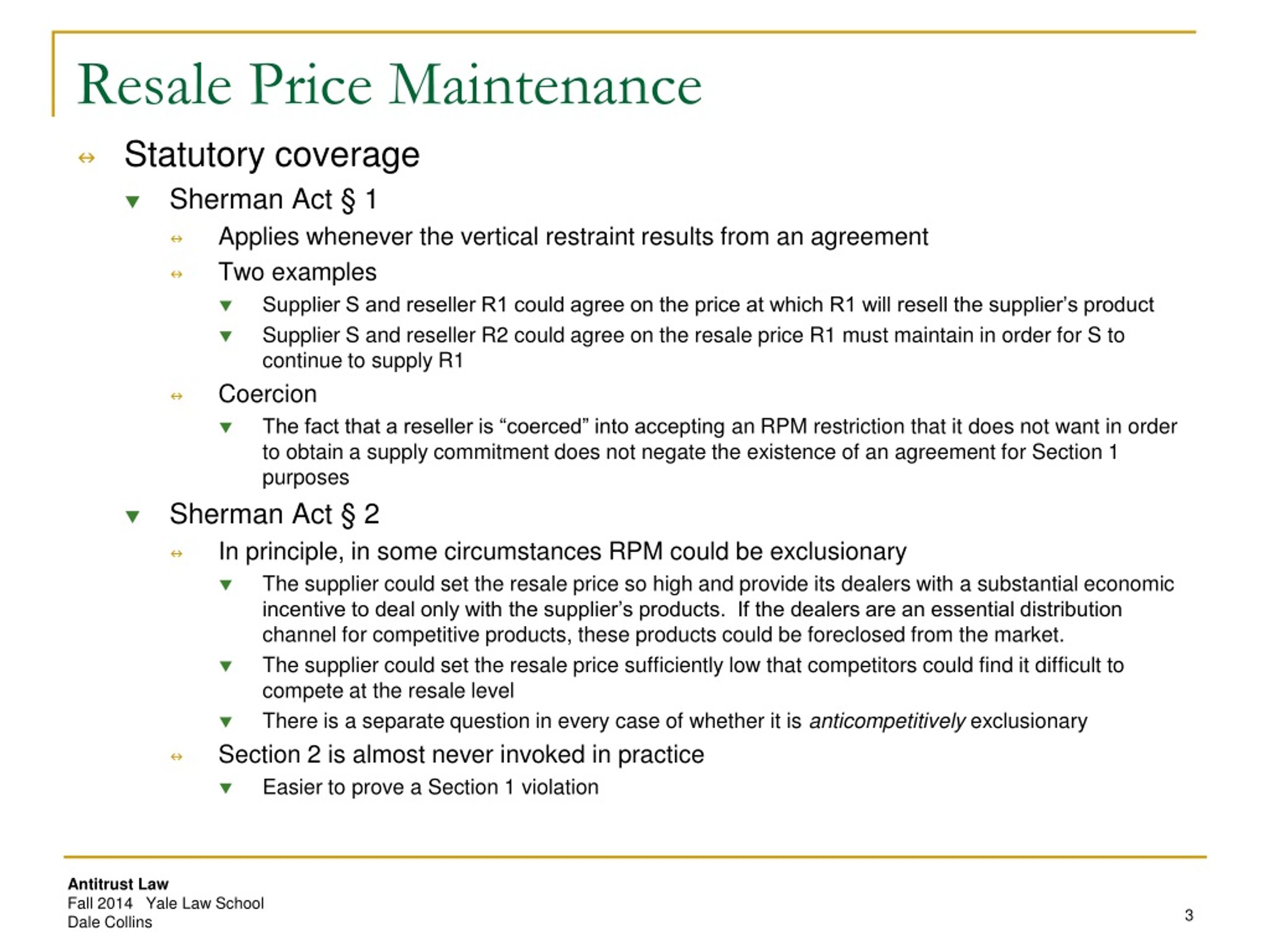
- Per Se Illegality: For a significant period, both the US and the EU treated RPM as a practice that was illegal per se – meaning it was inherently anticompetitive and didn’t require a detailed analysis of its actual effects. This strict stance reflected a strong presumption that any agreement to fix resale prices was harmful.
- Shift Towards Rule of Reason: Over time, antitrust jurisprudence has evolved. In many jurisdictions, the “per se” rule has been softened or replaced by the “rule of reason.” Under the rule of reason, the legality of RPM is assessed by weighing its anticompetitive effects against its pro-competitive justifications. This allows for a more nuanced analysis, acknowledging that in some specific circumstances, RPM might have beneficial effects that outweigh its potential harms.
- Jurisdictional Differences: It is crucial to understand that the legal status of RPM is not uniform globally. Some countries, like the UK, have largely abolished RPM or treat it with extreme caution. Others, like certain countries in Asia or developing economies, may have different legal frameworks or enforcement priorities. Even within major economic blocs, interpretations and enforcement can differ. For instance, while the EU has moved towards a more nuanced approach, specific member states might have their own interpretations or historical legacies regarding RPM.
Key Antitrust Concerns and Defenses
Antitrust authorities typically focus on several potential harms when evaluating RPM:
- Higher Consumer Prices: The most direct concern is that by preventing price competition, RPM can lead to retailers charging consumers higher prices than they would in a free market.
- Reduced Consumer Choice: If RPM leads to the demise of price-competitive retailers or forces them to alter their business models, consumers might have fewer options for purchasing goods.
- Stifled Innovation: The argument is that intense price competition can drive businesses to innovate and differentiate their products or services. RPM, by reducing this pressure, might slow down such innovation.
However, proponents of RPM can raise several defenses under the rule of reason:
- Enhancing Inter-Brand Competition: While RPM might reduce intra-brand competition (competition among retailers selling the same brand), it can, in theory, enhance inter-brand competition (competition between different brands). For example, if RPM allows a premium brand to maintain its quality image and invest in customer service, it might compete more effectively against other premium brands or even lower-priced alternatives.
- Promoting Product Quality and Service: As discussed earlier, RPM can be defended as a mechanism to ensure that consumers receive adequate information and service related to a product, which is a form of value that consumers may be willing to pay for.
- Market Entry and Small Business Support: RPM can sometimes help new brands enter the market by ensuring that retailers have sufficient margins to stock and promote their products. It can also support smaller, independent retailers by preventing them from being driven out of business by larger discounters.
Economic Effects and Debates Surrounding Retail Price Maintenance
The economic implications of RPM are multifaceted and are a subject of ongoing debate among economists. While some argue that RPM leads to consumer harm, others contend that it can generate economic efficiencies and benefits.
Arguments for and Against RPM’s Economic Impact
-
Arguments for Consumer Harm:
- Higher Prices: The most consistent argument is that RPM leads to higher prices for consumers by eliminating a key competitive force – price competition among retailers.
- Reduced Consumer Surplus: When prices are artificially inflated, consumers have less disposable income to spend on other goods and services, leading to a reduction in overall consumer welfare (consumer surplus).
- Inefficiency: Some economists argue that RPM can lead to an inefficient allocation of resources, as retailers may not be incentivized to become as efficient as possible if their margins are guaranteed.
-
Arguments for Potential Benefits:
- Information Asymmetry and Search Costs: In markets where products are complex, require demonstration, or have significant post-purchase service needs, consumers face high search costs. RPM can encourage retailers to invest in providing information and service, thereby reducing these search costs and making markets more efficient for consumers.
- Encouraging Product Differentiation: RPM can allow manufacturers to differentiate their products not just on price but also on the quality of service and retail experience. This can lead to a richer and more diverse marketplace for consumers.
- Supporting Innovation in Distribution: By ensuring fair margins, RPM can incentivize retailers to invest in new distribution methods or customer experiences, which can indirectly benefit innovation.
- Preventing Market Failure: In certain niche markets or for highly specialized products, RPM might be necessary to prevent market collapse or to ensure that a sufficient variety of retailers can operate and serve consumers.
Modern Applications and Emerging Trends
The landscape of RPM is continuously evolving, influenced by technological advancements and changing consumer behaviors.
- Online vs. Brick-and-Mortar: The rise of e-commerce has significantly complicated RPM. Online retailers often have lower overhead costs and can engage in aggressive price competition. Manufacturers selling through both online and offline channels may use RPM to try and level the playing field, which has led to significant legal challenges.
- Agency Agreements: One way manufacturers are attempting to maintain control over prices without directly engaging in RPM is through agency agreements. In an agency model, the retailer acts as an agent for the manufacturer, selling the product on behalf of the manufacturer. The manufacturer sets the price, and the retailer receives a commission. This model can avoid some of the direct legal prohibitions against RPM, though its legality is also subject to antitrust scrutiny in various jurisdictions.
- Dynamic Pricing and AI: The increasing use of AI and dynamic pricing algorithms by retailers and manufacturers presents new challenges. How RPM interacts with algorithms that adjust prices in real-time is an area of ongoing discussion and potential regulatory concern.
- Focus on Specific Industries: RPM tends to be more prevalent and debated in certain industries, such as luxury goods, pharmaceuticals, books, and electronics, where brand image, product knowledge, and service play a significant role.
In conclusion, Retail Price Maintenance is a complex business practice with far-reaching implications for competition, consumer welfare, and market structure. While its legality and economic effects remain subjects of debate and vary by jurisdiction, understanding its mechanics, motivations, and the evolving legal and economic landscape is crucial for businesses operating in today’s dynamic markets.
aViewFromTheCave is a participant in the Amazon Services LLC Associates Program, an affiliate advertising program designed to provide a means for sites to earn advertising fees by advertising and linking to Amazon.com. Amazon, the Amazon logo, AmazonSupply, and the AmazonSupply logo are trademarks of Amazon.com, Inc. or its affiliates. As an Amazon Associate we earn affiliate commissions from qualifying purchases.