
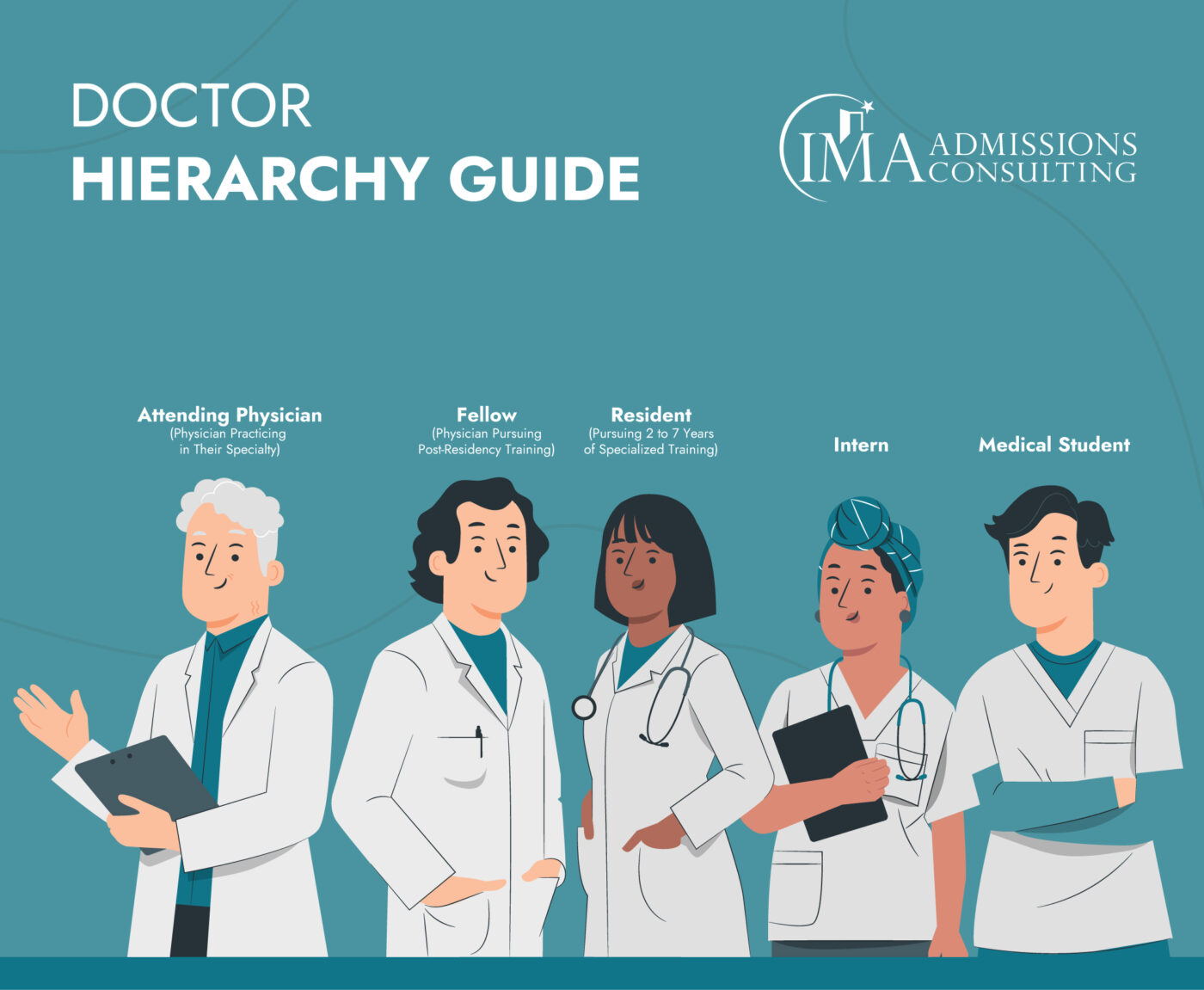
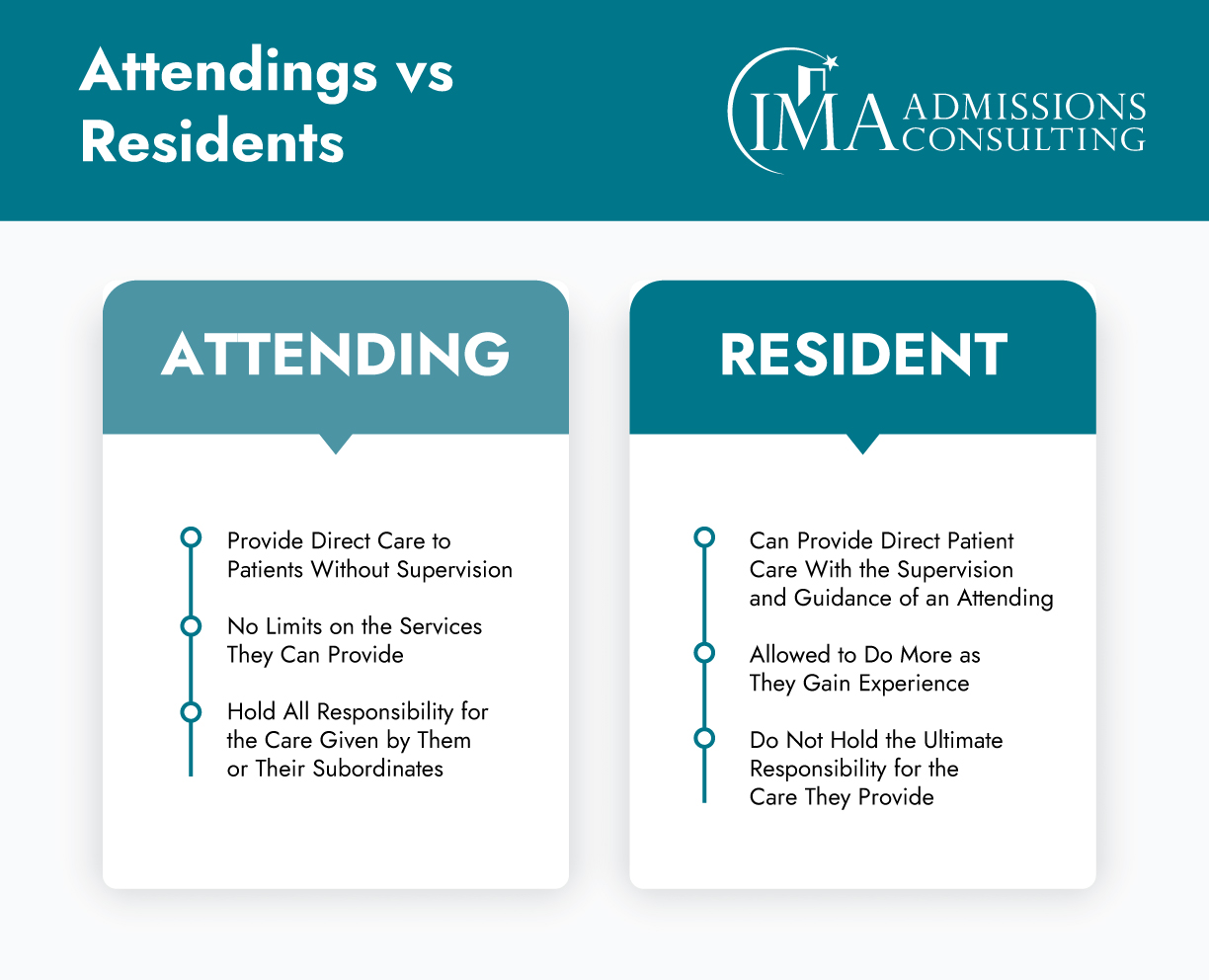
For aspiring physicians, completing medical school marks the culmination of years of rigorous study and significant personal investment. However, the journey to becoming a fully licensed, independent practitioner doesn’t end there. It transitions into what is arguably the most demanding and transformative phase: residency. Often described as on-the-job training, residency is where newly minted doctors hone their skills under the supervision of attending physicians, specializing in a chosen field. While the primary focus is clinical education and patient care, understanding “what is residency for a doctor” is incomplete without a comprehensive look at its profound financial dimensions.
From the modest salaries that barely cover living expenses to the looming burden of medical school debt, and the critical decisions regarding future financial planning, residency is a crucible not just for clinical competence but also for financial literacy and discipline. This article delves exclusively into the financial landscape of medical residency, exploring the economic realities, challenges, and strategic opportunities for doctors navigating this crucial period.
The Financial Reality of Residency: Salaries and Living Costs
Residency is a paradox in the medical world: it’s a period of immense responsibility and grueling hours, yet the compensation is relatively low compared to the average salaries of fully licensed physicians. Understanding this financial reality is the first step for any aspiring or current resident.
Understanding Resident Compensation
Resident salaries, often referred to as stipends, typically range from $50,000 to $70,000 annually, varying based on the postgraduate year (PGY), specialty, and geographic location. While this might seem like a substantial income to someone fresh out of college, it’s a stark contrast to the six-figure salaries often associated with the medical profession, especially when considering the average medical student debt.
The term “stipend” itself suggests that residents are primarily learners, not highly compensated employees, despite their critical role in patient care and the functioning of hospitals. Salaries generally increase with each PGY year, reflecting growing experience and responsibility. Beyond the base salary, residents often receive a benefits package that can include health insurance, dental and vision coverage, life insurance, malpractice insurance, and a limited amount of paid time off. Some programs may also offer small stipends for educational expenses, suchiforms, or housing. However, these benefits rarely translate into significant disposable income.
It’s crucial to recognize that this compensation is for an average of 60-80 hours of work per week, sometimes more, making the hourly wage quite modest. This reality underscores the need for meticulous financial planning and budgeting from the outset.
Navigating Living Expenses on a Resident’s Salary
Living on a resident’s salary presents unique challenges, particularly when faced with the high cost of living in many urban areas where major medical centers are located. The primary expenses for residents mirror those of any working professional, but the tight budget magnifies the impact of each financial decision.
-
Housing: This is often the largest expenditure. Rent for even a modest apartment can consume a significant portion of a resident’s income, especially in cities like New York, San Francisco, or Boston. Many residents opt for roommates or choose to live further away from the hospital to reduce costs, trading commute time for affordability.
-
Food: With long shifts and unpredictable schedules, residents often rely on quick meals, takeout, or hospital cafeteria food, which can add up quickly. Budgeting for groceries and meal prepping become essential strategies for cost control.
-
Transportation: Depending on the location, residents might need to factor in car payments, insurance, fuel, or public transport passes. Parking fees at hospitals can also be a hidden expense.
-
Other Essentials: Utilities, phone bills, internet, and personal care items are non-negotiable expenses. Discretionary spending, such as entertainment, dining out, or travel, often needs to be significantly curtailed.
Effective budgeting is not merely a suggestion for residents; it’s a necessity. Tracking income and expenses, prioritizing needs over wants, and finding creative ways to save money are skills as vital during residency as any clinical procedure.
Managing Medical School Debt During Residency
The financial pressure on residents is further compounded by the staggering amount of debt accumulated during medical school. For many, the weight of student loans casts a long shadow over their early career.
The Looming Shadow: Student Loans
The average medical school debt for a graduating physician in the U.S. is well over $200,000, with many graduates owing significantly more. This debt continues to accrue interest during residency, even if payments are deferred or minimized. Understanding the nature of this debt is paramount.
-
Federal vs. Private Loans: Federal student loans often come with more flexible repayment options, including income-driven repayment (IDR) plans and eligibility for public service loan forgiveness (PSLF). Private loans, while sometimes offering lower initial interest rates, typically lack these protections and are less forgiving in times of financial hardship.
-
Interest Accrual: Even if principal payments are deferred, interest often continues to grow, increasing the total amount owed. For a debt of $200,000 at 6% interest, the monthly interest alone is $1,000. If unpaid, this capitalizes, adding to the principal and compounding the debt.
The sheer magnitude of this debt, combined with a resident’s modest salary, means that proactive and informed debt management is non-negotiable.
Repayment Strategies and Loan Forgiveness Programs
Navigating medical school debt during residency requires a strategic approach. Ignoring it can lead to financial distress, while informed choices can significantly ease the burden.
-
Income-Driven Repayment (IDR) Plans: These federal plans (e.g., PAYE, REPAYE, IBR, ICR) calculate monthly payments based on a percentage of your discretionary income and family size. For residents with lower incomes relative to their debt, IDR plans can result in very low or even $0 monthly payments, making them a lifeline. A crucial benefit is that any remaining balance is forgiven after 20 or 25 years of qualifying payments, though this forgiven amount is typically taxable (except for PSLF).
-
Public Service Loan Forgiveness (PSLF): This program is a game-changer for many residents. If you work for a qualifying non-profit organization (most teaching hospitals are non-profits) and make 120 qualifying payments under an IDR plan, the entire remaining balance of your federal student loans is forgiven, tax-free. Many residents work for non-profit hospitals, making them eligible. The key is to consolidate federal loans, enroll in an IDR plan, and certify employment annually.
-
Refinancing Private Loans: For residents with significant private loan debt, refinancing might be an option. If you have excellent credit (or a co-signer), you might secure a lower interest rate, reducing the overall cost of the loan. However, refinancing federal loans into private loans forfeits federal protections like IDR and PSLF eligibility, so this decision requires careful consideration.
-
Aggressive Payment (if feasible): While rare for most residents, some may choose to make aggressive payments on their student loans if they have a spouse’s income, minimal living expenses, or other financial support. The goal here is to reduce the principal as quickly as possible to minimize total interest paid.
Understanding these options and choosing the right path requires thorough research and potentially consultation with a financial advisor specializing in physician finance.
Financial Planning and Building a Foundation for the Future
Despite the financial constraints, residency is a critical time to lay the groundwork for long-term financial health. Delaying these decisions can have significant opportunity costs.
Early Investment and Retirement Planning

The concept of “time in the market” is incredibly powerful for investing. Even small contributions during residency can grow substantially over decades, thanks to compound interest.
-
Employer-Sponsored Retirement Plans: If your residency program offers a 401(k) or 403(b), especially if there’s an employer match, contributing at least enough to get the full match is often the highest-return “investment” you can make. It’s essentially free money.
-
Roth IRA: For those who can’t access an employer plan or want to supplement it, a Roth IRA is an excellent option. Contributions are made with after-tax dollars, but qualified withdrawals in retirement are tax-free. For residents in lower tax brackets, this can be incredibly advantageous, as their future attending salaries will likely place them in much higher tax brackets.
-
The Power of Compound Interest: Illustrating this, if a resident invests $200 per month starting at age 28 and earns an average annual return of 7%, they could have over $400,000 by age 65. Waiting until age 35 to start with the same contributions dramatically reduces the potential outcome.
Starting early, even with modest amounts, cultivates good financial habits and leverages the magic of compounding.
Insurance Needs and Emergency Funds
Beyond investing, protecting oneself against unforeseen events and building a financial safety net are paramount during residency.
-
Disability Insurance: This is arguably the most critical insurance for a resident. Your greatest asset as a physician is your ability to earn an income. If illness or injury prevents you from practicing medicine, disability insurance replaces a portion of your income. Policies should be “own-occupation” specific (meaning it covers you if you can’t practice your specialty, not just any job) and non-cancellable/guaranteed renewable. The cost is often more affordable when purchased early in your career.
-
Life Insurance: If you have dependents (a spouse, children, or even parents whose care you contribute to), term life insurance is essential. It provides a safety net for your loved ones in case of your untimely death.
-
Emergency Fund: Building an emergency fund—typically 3-6 months of living expenses—is vital for financial security. It provides a cushion for unexpected car repairs, medical emergencies, or job loss (though unlikely during residency, unexpected leaves can occur). Even saving a small amount consistently can build this fund over time.
These foundational elements provide peace of mind and protect against potential financial catastrophes.
Long-Term Financial Vision: Specialty Choice and Future Earnings
While residency is a time of learning, it also solidifies one’s chosen specialty. This choice has significant long-term financial implications.
-
Impact on Future Income: Different medical specialties have vastly different earning potentials. While passion and aptitude should always be primary drivers, being aware of the financial landscape of various specialties can inform decisions, especially when factoring in debt repayment goals. Specialties requiring longer training (e.g., surgical subspecialties) often lead to higher incomes but delay the earning potential.
-
The Attending Physician Salary: The light at the end of the residency tunnel is the significant increase in income upon becoming an attending physician. This transition dramatically alters the financial planning landscape, allowing for accelerated debt repayment, more substantial investments, and improved quality of life. Understanding this future potential can provide motivation during the lean years of residency.
-
Fellowship vs. Immediate Practice: Deciding whether to pursue further subspecialty training (fellowship) immediately after residency has both clinical and financial considerations. While a fellowship can lead to higher specialization and potentially higher future earnings, it also prolongs the period of lower resident-level income, delaying the transition to attending physician salary.
Integrating this long-term financial vision into the residency experience helps residents make informed choices that align with both their professional aspirations and financial goals.
Beyond the Paycheck: Hidden Financial Aspects and Opportunities
The financial scope of residency extends beyond direct income and debt, encompassing less obvious aspects that are equally vital for a doctor’s overall financial well-being.
The Value of Learning and Human Capital
While residency salaries are modest, the “payment” is also in the form of invaluable training and skill development. This period significantly enhances a doctor’s human capital, their future earning potential, and professional marketability.
-
Investment in Future Earning Potential: Every hour spent learning, every complex case managed, and every skill mastered during residency is an investment in a doctor’s future income generation capacity. The specialized knowledge and experience gained are what command high salaries post-residency.
-
Developing Highly Specialized Skills: Residency transforms a general medical graduate into a specialist. This specialization allows doctors to charge more for their services and secure positions in lucrative areas of medicine.
-
Intangible Value of Reputation and Networking: Building a strong professional reputation and networking with colleagues and mentors during residency can open doors to future career opportunities, partnerships, and referrals, which have indirect but significant financial benefits.
Viewing residency as a strategic investment in oneself, despite the immediate financial constraints, is crucial for perspective.
Tax Considerations for Residents
Understanding the tax implications of resident income is often overlooked but important.
-
Understanding Tax Brackets: Residents typically fall into lower federal and state income tax brackets compared to attending physicians. This is why strategies like contributing to a Roth IRA (paying taxes now on a smaller income for tax-free growth later) can be advantageous.
-
Deductions and Credits: Residents should be aware of potential deductions for student loan interest, professional development expenses, and other eligible items that can reduce their taxable income. Proper record-keeping is essential.
-
State Income Taxes: Moving for residency can mean navigating different state income tax laws. This adds another layer of complexity to financial planning.
Consulting with a tax professional or utilizing tax software tailored for medical professionals can help residents optimize their tax situation.
Navigating Financial Traps and Misconceptions
Finally, residents must be wary of common financial pitfalls that can undermine their long-term stability.
-
Avoiding Lifestyle Creep: The temptation to upgrade one’s lifestyle as soon as the attending physician salary hits can be strong. However, maintaining a modest lifestyle initially allows for aggressive debt repayment and substantial savings, accelerating financial independence.
-
The Myth of “Doctors are Instantly Rich”: Society often perceives doctors as wealthy from the moment they graduate. This misconception overlooks the massive debt, delayed gratification, and financial discipline required during and immediately after training.
-
Importance of Financial Literacy: Many medical school curricula do not adequately cover personal finance. Residents must take the initiative to educate themselves on budgeting, investing, debt management, and insurance to make informed decisions. Resources abound, from books and podcasts to financial advisors specializing in physicians.
Conclusion
Residency is a period of intense professional growth and personal sacrifice, and its financial landscape is a defining characteristic of this journey. While the primary goal is to become a competent and compassionate physician, successfully navigating residency also means mastering financial discipline, strategic debt management, and proactive long-term planning. By understanding resident salaries, tackling student debt head-on, wisely building a financial foundation, and being mindful of less obvious financial aspects, doctors can emerge from residency not only as skilled clinicians but also as financially empowered individuals ready to build prosperous careers and lives. The financial lessons learned and habits formed during residency will serve as the bedrock for a lifetime of financial well-being.
aViewFromTheCave is a participant in the Amazon Services LLC Associates Program, an affiliate advertising program designed to provide a means for sites to earn advertising fees by advertising and linking to Amazon.com. Amazon, the Amazon logo, AmazonSupply, and the AmazonSupply logo are trademarks of Amazon.com, Inc. or its affiliates. As an Amazon Associate we earn affiliate commissions from qualifying purchases.