
In the modern landscape of global finance, digital banking, and the burgeoning gig economy, the term “residence address” has evolved far beyond its simple definition of where one happens to sleep at night. For the savvy investor, the remote entrepreneur, or anyone navigating the complexities of personal finance, a residence address serves as a critical financial anchor. It is a legal pivot point that determines tax liabilities, access to banking products, and compliance with rigorous international regulations. Understanding the nuances of a residence address is not merely a matter of administrative housekeeping; it is a fundamental pillar of maintaining financial health and security in an increasingly regulated world.

The Financial Significance of Your Residence Address
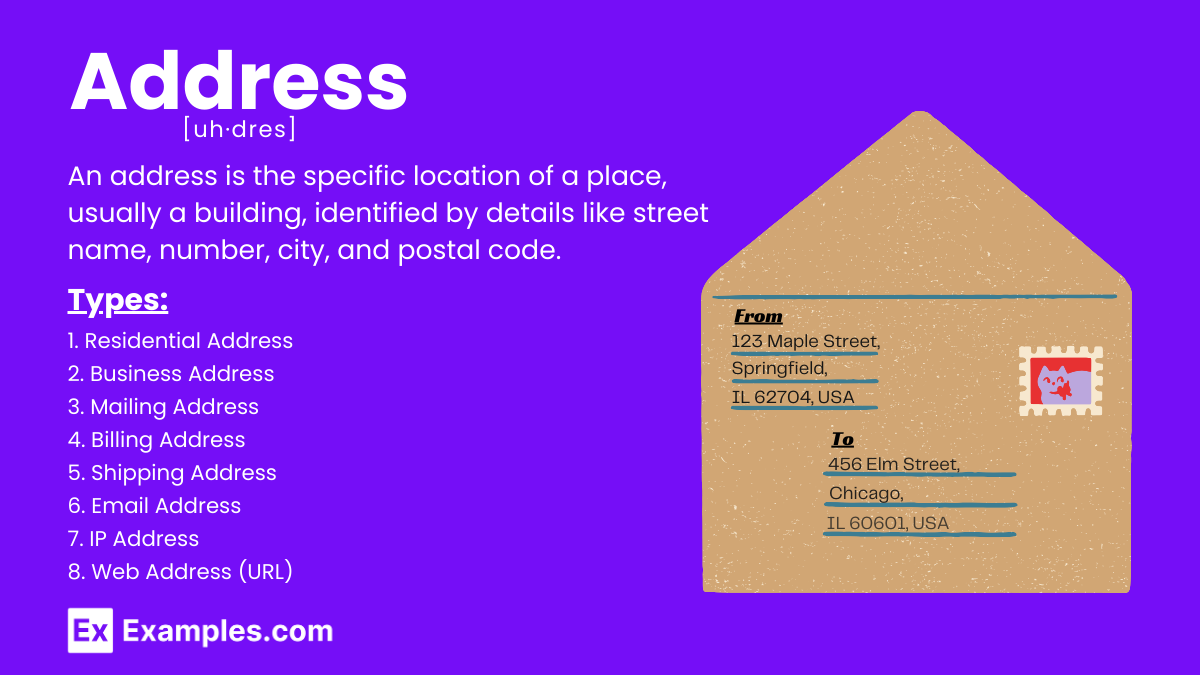
At its core, a residence address is the physical location where an individual permanently resides. In the eyes of financial institutions and government agencies, this address is the primary data point used to establish your legal and financial jurisdiction. Unlike a temporary mailing address or a vacation home, your residence address is intended to signify your “domicile”—the place you consider your true, permanent home and to which you intend to return.
KYC and AML Compliance
One of the most immediate impacts of a residence address is felt during the onboarding process for any financial service. Under “Know Your Customer” (KYC) and “Anti-Money Laundering” (AML) protocols, banks, brokerage firms, and cryptocurrency exchanges are legally mandated to verify the identity and location of their clients. A residence address provides these institutions with a verified geographic location, allowing them to assess risk and ensure that the individual is not on any global sanctions lists.
When you provide a residence address for financial purposes, institutions typically require “proof of address.” This is usually in the form of a recent utility bill, a lease agreement, or a government-issued identification card. This verification process is designed to prevent financial fraud, identity theft, and the movement of illicit funds across borders.
Access to Credit and Financial Products
Your residence address also plays a silent but significant role in your creditworthiness and access to financial tools. Lenders often look at the stability of your residence as a factor in credit scoring models. Frequent changes in residence address can, in some cases, be flagged as a sign of financial instability. Furthermore, certain high-yield savings accounts, premium credit cards, and investment vehicles are only available to residents of specific jurisdictions. Without a valid, verifiable residence address, an individual may find themselves “unbanked” or restricted from the most lucrative corners of the financial market.
Residence Address vs. Mailing Address: Key Differences for Tax and Banking
A common point of confusion in personal finance is the distinction between a residence address and a mailing address. While they may often be the same, their legal and financial implications are vastly different.
Physical Presence and Legal Intent
A mailing address is simply a location where you receive correspondence. This could be a P.O. Box, a friend’s house, or a commercial mail forwarding service. In contrast, a residence address requires physical presence. For tax authorities like the IRS in the United States or HMRC in the United Kingdom, your residence is defined by where you spend the majority of your time and where your economic interests are centered.
Using a mailing address in place of a residence address on official financial documents can lead to significant complications. For instance, most major banks will not allow a P.O. Box to be listed as a primary residence address because it does not satisfy the physical presence requirements of KYC laws. If a financial institution discovers that a provided residence address is actually a mail drop, it may result in the immediate freezing of accounts.
Digital Nomadism and the “Tax Trap”
The rise of the digital nomad lifestyle has further blurred these lines. Many professionals now work remotely while traveling the world, often relying on a “permanent” mailing address in their home country while they have no fixed residence. However, for financial and tax purposes, “no fixed address” is rarely an acceptable status.
Individuals who fail to maintain a clear residence address may inadvertently trigger tax liabilities in multiple jurisdictions or, conversely, find themselves unable to claim tax benefits in their home country. This “tax trap” occurs when an individual spends enough time in a foreign country to be deemed a tax resident there, while still being tied to their original residence address for financial reporting.
How Residence Impacts Your Tax Liability and Investment Opportunities
Perhaps the most profound impact of a residence address is its role in determining tax residency. In most global jurisdictions, your residence address dictates which government has the right to tax your worldwide income.
Determining Tax Residency: The 183-Day Rule
While specific laws vary by country, many utilize the “183-day rule” as a benchmark. If you maintain a residence address in a country and spend more than 183 days there during a calendar year, you are typically considered a tax resident. This status subjects you to local income taxes, capital gains taxes, and wealth taxes.
For investors, this makes the choice of a residence address a strategic financial decision. For example, individuals might choose to establish residency in states or countries with no income tax to maximize their net returns. However, establishing such a residence requires more than just a paper address; it requires demonstrating a “center of life,” which includes physical presence, local bank accounts, and often, local property ownership.
Investment Restrictions and “Accredited” Status
Beyond taxes, your residence address determines what you can invest in. Regulations such as the SEC’s rules in the United States or the MiFID II framework in Europe restrict certain investment products to residents of those specific regions. For example, many European-based Exchange Traded Funds (ETFs) are not available to U.S. residents due to reporting requirements, and many U.S.-based private equity opportunities are closed to non-residents.
Furthermore, being an “accredited investor”—a status that allows access to high-risk, high-reward private placements—is often tied to the legal framework of your country of residence. Your address determines which regulatory body protects you and which investment doors are open to you.
Establishing a Residence Address for Business and Side Hustles
For entrepreneurs and side-hustlers, the residence address is often the first building block of a corporate identity. Whether you are a sole proprietor or the owner of a multi-member LLC, the address you associate with your business has long-term financial consequences.
Registered Agent vs. Physical Business Location
When forming a business, you are often required to provide both a registered agent address and a principal place of business. While the registered agent address can be a professional service, the principal place of business is often tied to the owner’s residence address, especially for home-based businesses.
Using your home address as your business residence can offer tax deductions for home office expenses. However, it also creates a link between your personal and professional life that may impact your privacy. In terms of business finance, having a professional residence address (even if it is a shared executive suite) can sometimes improve a business’s ability to secure commercial loans, as it projects a sense of permanence and legitimacy to traditional lenders.
Remote Work and State-Level Tax Nexus
In the United States, the residence address of remote employees can create a “tax nexus” for their employers. If a business has an employee working from their residence in a different state, the business may be required to register for taxes and pay unemployment insurance in that state. This has led many businesses to implement strict policies regarding where their employees’ residence addresses can be located, making the “residence address” a key factor in employment eligibility and salary negotiations in the remote work era.
Protecting Your Financial Identity and Address Privacy
In an era of increasing data breaches and identity theft, the privacy of one’s residence address has become a concern for high-net-worth individuals and privacy-conscious investors. Since the residence address is tied to so many sensitive financial accounts, its exposure can lead to targeted phishing attacks or even physical security risks.
Virtual Offices and Private Mailboxes
While a residence address must be a physical location for KYC purposes, many individuals use “private mailbox” services for their day-to-day financial correspondence to keep their actual home address off the public record. In some jurisdictions, it is possible to use a “virtual office” address for business registrations while maintaining a private residence address for personal banking. However, it is vital to ensure that these setups remain compliant with local laws to avoid being flagged for fraudulent activity.
The Future of Address Verification: Digital Identity
The financial world is moving toward digital identity solutions that may eventually decouple our financial existence from a physical street address. Blockchain-based identity protocols and “Self-Sovereign Identity” (SSI) aim to provide a way for individuals to prove their residency and identity without revealing their exact physical location to every service provider. Until these technologies are universally adopted, however, the physical residence address remains the ultimate “source of truth” in the global financial system.

Conclusion
A residence address is far more than a simple geographical coordinate; it is a vital component of one’s financial identity. It serves as the gateway to the global banking system, the yardstick for tax compliance, and a key factor in investment eligibility. Whether you are managing personal wealth, launching a side hustle, or navigating the complexities of international tax law, understanding and correctly managing your residence address is essential. By treating your address with the same strategic care as your investment portfolio, you can ensure financial stability, maintain compliance, and protect your privacy in a rapidly changing world.
aViewFromTheCave is a participant in the Amazon Services LLC Associates Program, an affiliate advertising program designed to provide a means for sites to earn advertising fees by advertising and linking to Amazon.com. Amazon, the Amazon logo, AmazonSupply, and the AmazonSupply logo are trademarks of Amazon.com, Inc. or its affiliates. As an Amazon Associate we earn affiliate commissions from qualifying purchases.