
For decades, the kitchen island was the undisputed centerpiece of the modern home. It was the architectural anchor of the “open concept” era, serving as a prep station, a dining table, a homework zone, and a social hub. However, as we move deeper into the 2020s, a paradigm shift is occurring. The static, heavy, and often cumbersome stone monolith is being phased out. In its place, a new generation of technology-driven solutions is emerging—driven by advances in robotics, spatial computing, and integrated Internet of Things (IoT) ecosystems.
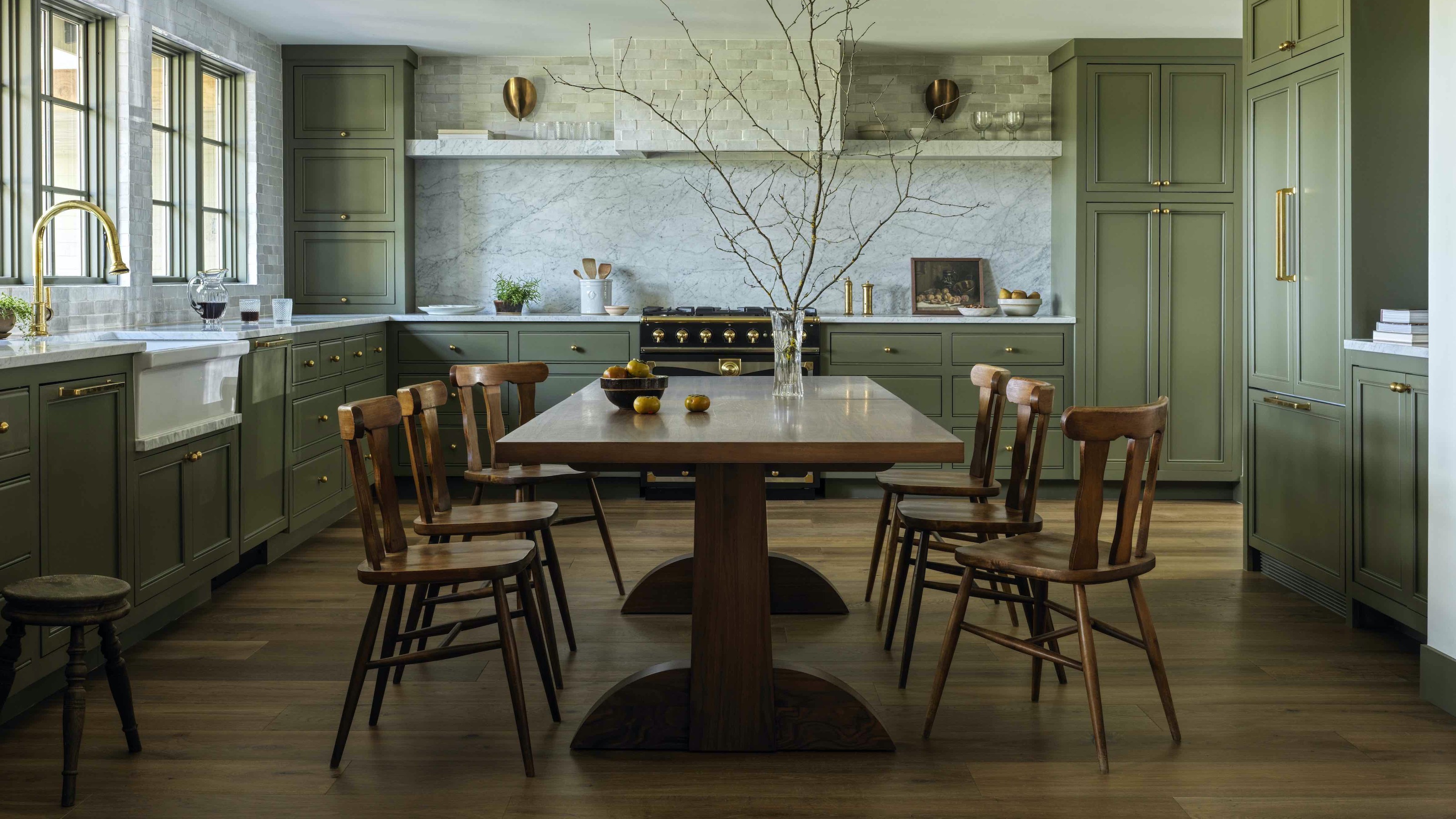
The replacement for the kitchen island is not just another piece of furniture; it is a sophisticated, multi-functional command center that prioritizes flexibility, digital integration, and automated efficiency. This evolution reflects a broader tech trend: the transition from “dumb” static assets to “smart” dynamic environments.
The Rise of the Intelligent Surface and Invisible Technology
One of the primary tech drivers replacing the traditional kitchen island is the development of the “intelligent surface.” In a conventional kitchen, the island takes up a massive amount of permanent real estate. Modern tech-centric design is moving toward surfaces that disappear when not in use or transform their utility based on the user’s immediate needs.
Invisible Induction and Wireless Power Transfer
The first major technological blow to the traditional island is the integration of invisible induction hobs. Brands are now embedding electromagnetic heating elements directly beneath porcelain or ultra-compact surfaces. This effectively turns the entire “island” replacement into a seamless workspace. When you aren’t cooking, the surface is a clean, minimalist desk or social table with no visible burners or dials.
Furthermore, the integration of Wireless Power Transfer (WPT) technology—the same tech used for smartphone charging—is being scaled up for appliances. The next generation of kitchen hubs will feature “hot spots” where blenders, toasters, and mixers function without cords, drawing power directly from the surface. This eliminates the need for unsightly outlets and allows for a more fluid use of the space, effectively turning the countertop into a giant circuit board.
Interactive OLED Overlays and Smart Glass
We are seeing the transition from tablets propped up on stands to fully integrated OLED displays embedded within the backsplash or the countertop itself. The replacement for the kitchen island is becoming a literal interface. Smart glass technology allows surfaces to toggle between being a transparent window, a frosted privacy screen, or a high-definition display for recipe projection, video conferencing, or ambient digital art. This digital overlay replaces the need for a physical “hub” by making every surface in the kitchen a potential data point.
Robotic Furniture and Moveable Architecture
As urban living spaces shrink and the demand for “flex-rooms” grows, the fixed kitchen island has become a liability. The tech industry has responded with architectural robotics—a field that treats walls and furniture as programmable hardware.
Automated Spatial Configuration
Companies like Ori and other startups in the modular tech space are creating “moving islands” that operate on track systems or autonomous robotic wheels. These units can be summoned via voice command or a mobile app. During the day, the “island” might be tucked under a perimeter counter or moved into a wall recess to create open floor space for exercise or play. In the evening, it rolls out to become a food preparation station or a bar.
This is a fundamental shift in how we view domestic hardware. By applying the principles of robotics to kitchen design, the “replacement” for the island becomes an on-demand service rather than a permanent obstacle. These robotic units are often equipped with internal sensors to avoid obstacles, and they can even include self-contained plumbing and battery systems, allowing them to function anywhere in the home.
The “Transformer” Workstation
The trend toward modularity is also seeing the rise of the “transformer” workstation. These are highly engineered units that unfold to reveal different functionalities. A sleek, wall-mounted cabinet might deploy a cantilevered surface that serves as a prep area, equipped with integrated scales, haptics-enabled touch controls, and self-cleaning UV-C light cycles. The technology here is focused on maximizing the utility of every square inch, using precision engineering to replace the bulk of a traditional stone island.
Spatial Computing and the Virtual Social Anchor
Perhaps the most radical replacement for the kitchen island isn’t physical at all. As spatial computing—led by devices like the Apple Vision Pro and Meta Quest—becomes more integrated into daily life, the “social hub” function of the kitchen is moving into the digital realm.
The Death of the Physical “Homework Zone”
The kitchen island was traditionally the place where children did homework or parents caught up on emails. With the advent of robust Augmented Reality (AR), the need for a physical table for these tasks is diminishing. AR allows users to project “virtual monitors” and workstations onto any flat surface or even into mid-air.
In this tech-forward vision, the kitchen becomes an open gallery. The “island” is replaced by a much smaller, high-tech “perch” or a minimalist “floating” counter, while the actual work and social interaction happen through shared AR environments. Family members can collaborate on a digital whiteboard projected onto a wall, or attend “holographic dinner parties” where remote guests appear to be sitting at a much smaller, more efficient dining surface.
Gesture Control and Voice Integration
The removal of the physical island also coincides with the rise of “frictionless” interaction. In a kitchen without a central prep station, the user relies on AI-driven voice and gesture control to manage the environment. Sensors embedded in the ceiling and walls track movement, allowing the user to dim lights, adjust temperatures, or even move motorized cabinetry without ever touching a surface. This “invisible UI” (User Interface) reduces the need for the physical touchpoints that the kitchen island once provided.
The AI-Driven Nutrition and Inventory Command Center
The kitchen island was once the place where food was sorted and prep work was done. Tech is replacing this with automated inventory management and AI-guided nutrition.
Smart Pantries vs. Island Storage
The massive drawer space of a kitchen island is being replaced by high-density, automated storage systems. Imagine a “vending machine” style pantry integrated into the wall that uses computer vision to track every item’s expiration date and nutritional profile. When you want to cook, the AI suggests a recipe based on what is in stock and “dispenses” the ingredients to a compact, high-efficiency workstation.
This level of automation renders the traditional “sprawl” of a kitchen island unnecessary. If the system knows exactly where everything is and can move items to you via internal conveyors, the need for a giant central prep area is significantly reduced.
Integrated Waste-to-Energy Systems
In the push for sustainable tech, the base of the “new island” (the modular hub) is being fitted with sophisticated waste-management technology. This includes AI-sorted recycling bins and compact, odor-free aerobic digesters that turn food waste into nutrient-rich soil or even biogas for the home in real-time. This turns the kitchen hub into a functional piece of utility infrastructure rather than just a decorative counter. Instead of a dead block of wood and stone, the replacement is a living, breathing ecosystem that manages the home’s inputs and outputs.

Conclusion: The Era of the Liquid Kitchen
What is replacing the kitchen island? The answer is a move toward “liquid” space—a home environment that is fluid, programmable, and tech-integrated. The fixed, heavy island is a relic of an era when we were tethered to physical objects and permanent layouts. Today’s technology allows us to decouple the functions of the island from its form.
By leveraging invisible induction, architectural robotics, spatial computing, and AI-driven automation, the modern home is reclaiming the space once occupied by the island. The “replacement” is a suite of technologies that offer more utility, better aesthetics, and higher efficiency, all while requiring a smaller physical footprint. We are transitioning from a kitchen defined by its furniture to a kitchen defined by its capabilities. The island hasn’t just been moved; it has been digitized, automated, and evolved into something far more powerful.
aViewFromTheCave is a participant in the Amazon Services LLC Associates Program, an affiliate advertising program designed to provide a means for sites to earn advertising fees by advertising and linking to Amazon.com. Amazon, the Amazon logo, AmazonSupply, and the AmazonSupply logo are trademarks of Amazon.com, Inc. or its affiliates. As an Amazon Associate we earn affiliate commissions from qualifying purchases.