
In the high-stakes world of the Olympic Games, where milliseconds and centimeters translate into millions of dollars in sponsorship deals and national prestige, the “repechage” round serves as a critical mechanism. Traditionally understood as a “second chance” for competitors who lose in early heats, the repechage round is often viewed through the lens of sportsmanship and fairness. However, from a financial and business perspective, the introduction and expansion of the repechage system—most notably its recent debut in track and field at the Paris 2024 Games—is a sophisticated strategic move designed to maximize revenue, protect athlete equity, and optimize the return on investment (ROI) for global broadcasters.
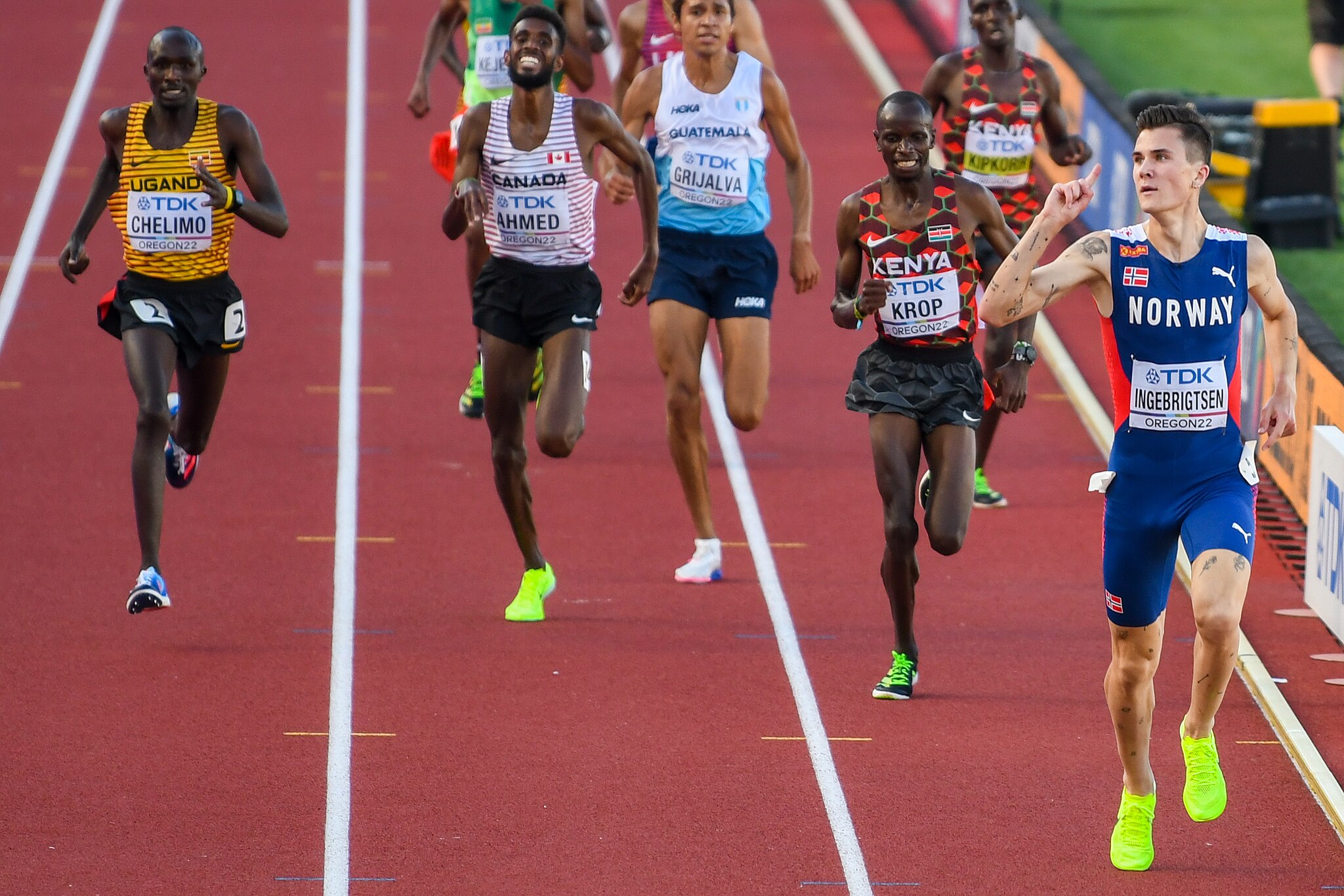
For investors, sports marketers, and financial analysts, the repechage round is not merely a technicality of competition; it is a vital component of the Olympic financial ecosystem. This article explores how the repechage round functions as a value-driver in the business of sports.
The ROI of Repechage: Boosting Olympic Broadcasting Revenue
The International Olympic Committee (IOC) and its various partners operate on a business model heavily reliant on media rights. For the 2017–2021 cycle, the IOC generated $7.6 billion in revenue, with 61% of that coming from broadcasting rights alone. To maintain this growth, the “product”—which is the sporting events themselves—must be optimized for maximum airtime and viewer engagement.
Increasing Content Inventory for Media Rights Holders
In the world of television and digital streaming, “content inventory” is king. By introducing repechage rounds into major events like the 100m hurdles, 400m, and 800m races, the Olympic organizers effectively increase the number of high-stakes “live” hours available for broadcast. In previous iterations of the Games, an athlete who failed to qualify in a heat was immediately eliminated, resulting in fewer races.
With the repechage system, the middle of the Olympic schedule is bolstered with additional competitive sessions. For broadcasters like NBCUniversal or Warner Bros. Discovery, this extra inventory allows for more advertising slots, higher premium placements, and a more robust programming grid. When more races are “must-watch” events with medal implications, the commercial value of the morning and afternoon sessions skyrockets.
Viewer Retention and the “Cinderella Story” Market
From a marketing psychology perspective, the repechage round provides the narrative foundation for the “underdog” or “Cinderella” story. Financial analysts recognize that viewer retention is significantly higher when there is an emotional narrative at play. An athlete who “comes back from the dead” via a repechage round to win a medal creates a viral media moment.
These moments are high-value assets in the digital economy. They generate millions of social media impressions and click-throughs, which in turn drive traffic to streaming platforms and boost subscriber numbers for services like Peacock or Discovery+. The “second chance” narrative is a marketable commodity that keeps viewers tuned in longer, directly impacting the lifetime value (LTV) of a sports consumer.
Athlete Equity: How Repechage Rounds Impact Earning Potential
For an Olympian, the difference between reaching a final and being eliminated in the first round is not just a matter of pride; it is a massive financial pivot point. The Olympic repechage round serves as a safety net for an athlete’s personal brand and future earning potential.
The Correlation Between Medal Access and Sponsorship Value
Sponsorship contracts are often tiered based on performance. A bronze medal might trigger a $50,000 bonus from a footwear sponsor like Nike or Adidas, while a gold medal could trigger $500,000. Furthermore, becoming a “finalist” is a status that significantly increases an athlete’s appearance fees for future Diamond League meets or promotional events.
Before the expansion of the repechage round, an unlucky draw or a minor slip in a heat could end an athlete’s financial prospects for the entire four-year cycle. By providing a formal path back into the competition, the repechage round protects the “equity” of the athlete’s brand. It ensures that the most marketable stars have a higher statistical probability of reaching the final, thereby securing the brand exposure that sponsors pay for.
Performance Bonuses and National Stipends
Many nations offer direct financial rewards for Olympic performance. For instance, Project 100 in various countries provides tiered funding based on an athlete’s progression through the rounds. In some sports, reaching the semi-final (which the repechage facilitates) ensures a higher level of government funding for the next quadrennial.
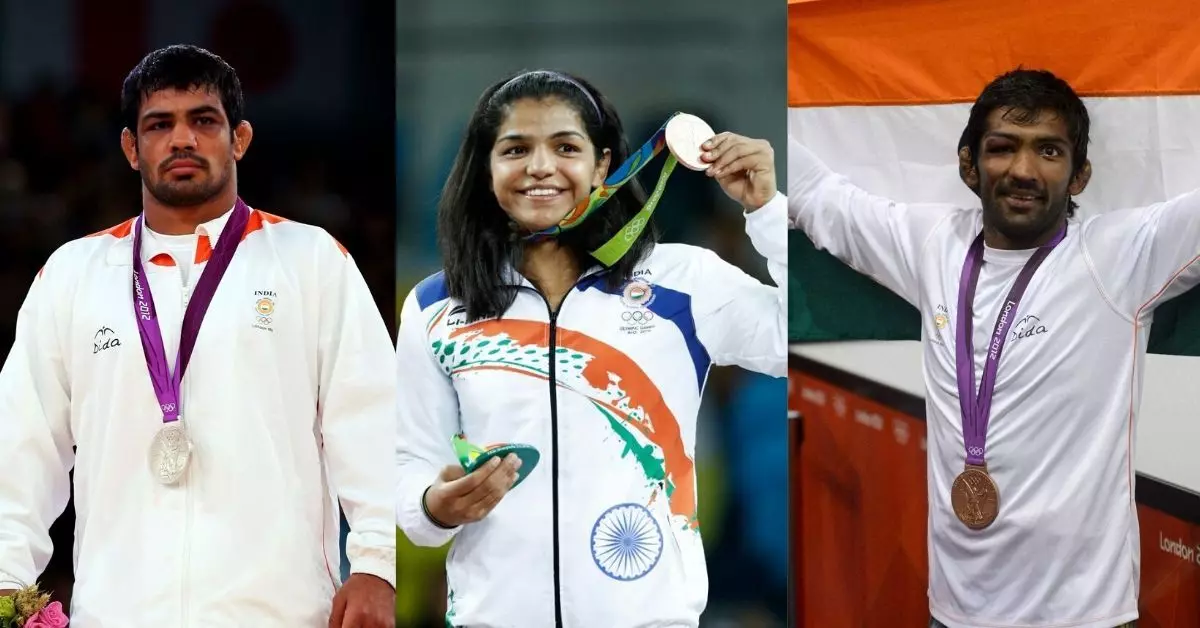
The repechage round acts as a form of “insurance” for National Olympic Committees (NOCs). It maximizes the chance that their investment in an athlete—often totaling hundreds of thousands of dollars in coaching, travel, and medical support—yields a measurable result that justifies future taxpayer or donor funding.
The Betting and Wagering Ecosystem of Second-Chance Rounds
The global sports betting market has become an inseparable part of the financial landscape of major sporting events. The Olympic Games represent a massive peak in wagering volume, and the structure of the tournament—including repechage rounds—has a direct impact on the profitability and risk management of sportsbooks.
Dynamic Odds and the Surge in Micro-Betting Volume
Repechage rounds create unique opportunities for “micro-betting” and live-action wagering. Because these rounds feature athletes who have already competed once and failed to qualify directly, oddsmakers have a fresh set of data points to adjust their lines.
For the betting industry, the repechage round represents a “second bite at the apple” for consumers. A bettor whose favorite athlete failed to win their initial heat might be inclined to “double down” on that athlete in the repechage round to recoup losses. This increases the total “handle” (the total amount of money wagered) for the event. The volatility of the repechage—where tension is high and the margin for error is zero—tends to attract higher betting volumes compared to standard preliminary heats.
Risk Management for Sportsbooks in Multi-Stage Tournaments
From a business finance perspective, sportsbooks must manage the risk of “heavy favorites.” In a straight elimination format, if a massive favorite is upset early, the sportsbook might see a significant swing in profitability. The repechage round provides a buffer. It allows favorites who may have had a “bad day” to re-enter the main draw, stabilizing the long-term futures markets. This predictability, paradoxically created by a “second chance” mechanism, allows sportsbooks to offer more competitive and stable odds throughout the duration of the Games.
Operational Costs vs. Financial Gains: The Host City Perspective
While the benefits to broadcasters and athletes are clear, the inclusion of repechage rounds also impacts the balance sheet of the Olympic Organizing Committee (OCOG) and the host city.
Infrastructure Utilization and Ticketing Revenue
One of the primary challenges for a host city is the efficient use of expensive sporting venues. A stadium that sits empty during morning sessions is a wasted asset. By scheduling repechage rounds during these “off-peak” times, the OCOG can sell more tickets and increase the utilization rate of the venue.
For the Paris or Los Angeles Games, an extra session of repechage rounds in the Stade de France or the LA Coliseum can translate into tens of thousands of additional ticket sales. When factoring in the “ancillary revenue”—concessions, merchandise, and local transport—the financial incentive to extend the competition schedule via repechage rounds becomes undeniable. It turns a logistical necessity into a profit center.
The Long-Term Branding Value of Competitive Integrity
Finally, there is the “Brand Equity” of the Olympics itself. The Olympic brand is built on the idea of the “best of the best.” If a top-tier athlete is eliminated due to a minor technicality or a difficult draw, the quality of the final product (the Gold Medal match or race) is diminished.
By using the repechage round to ensure the most deserving athletes reach the final, the IOC protects the long-term value of its “Premium Product.” A final that features the world’s most famous and talented athletes is worth significantly more in future rights negotiations than a final missing its key stars. The repechage round is, in essence, a quality control mechanism that ensures the financial “crown jewels” of the Olympics—the Finals—remain as prestigious and profitable as possible.

Conclusion
The repechage round, while often discussed as a sporting gesture of fairness, is a powerhouse of Olympic business strategy. It serves as a tool for content creation, a safeguard for athlete and sponsor equity, a driver for the wagering industry, and a revenue-maximizer for host cities. In the modern era of the “Attention Economy,” the second chance offered by the repechage is not just about sportsmanship—it is about ensuring that every minute of the Olympic Games is monetized to its fullest potential. As the Games continue to evolve, expect the repechage format to expand even further, proving that in the world of sports finance, the “second chance” is often the most profitable one.
aViewFromTheCave is a participant in the Amazon Services LLC Associates Program, an affiliate advertising program designed to provide a means for sites to earn advertising fees by advertising and linking to Amazon.com. Amazon, the Amazon logo, AmazonSupply, and the AmazonSupply logo are trademarks of Amazon.com, Inc. or its affiliates. As an Amazon Associate we earn affiliate commissions from qualifying purchases.