
In the modern economic landscape, housing costs consistently rank as the largest monthly expense for the average household. As inflation fluctuates and urban centers become increasingly dense, the gap between stagnant wages and rising property values has widened significantly. For many individuals and families, this disparity creates a precarious financial situation where more than half of their gross income is diverted toward rent. This is where the concept of a “rental subsidy” becomes a vital instrument of personal finance and socioeconomic stability.
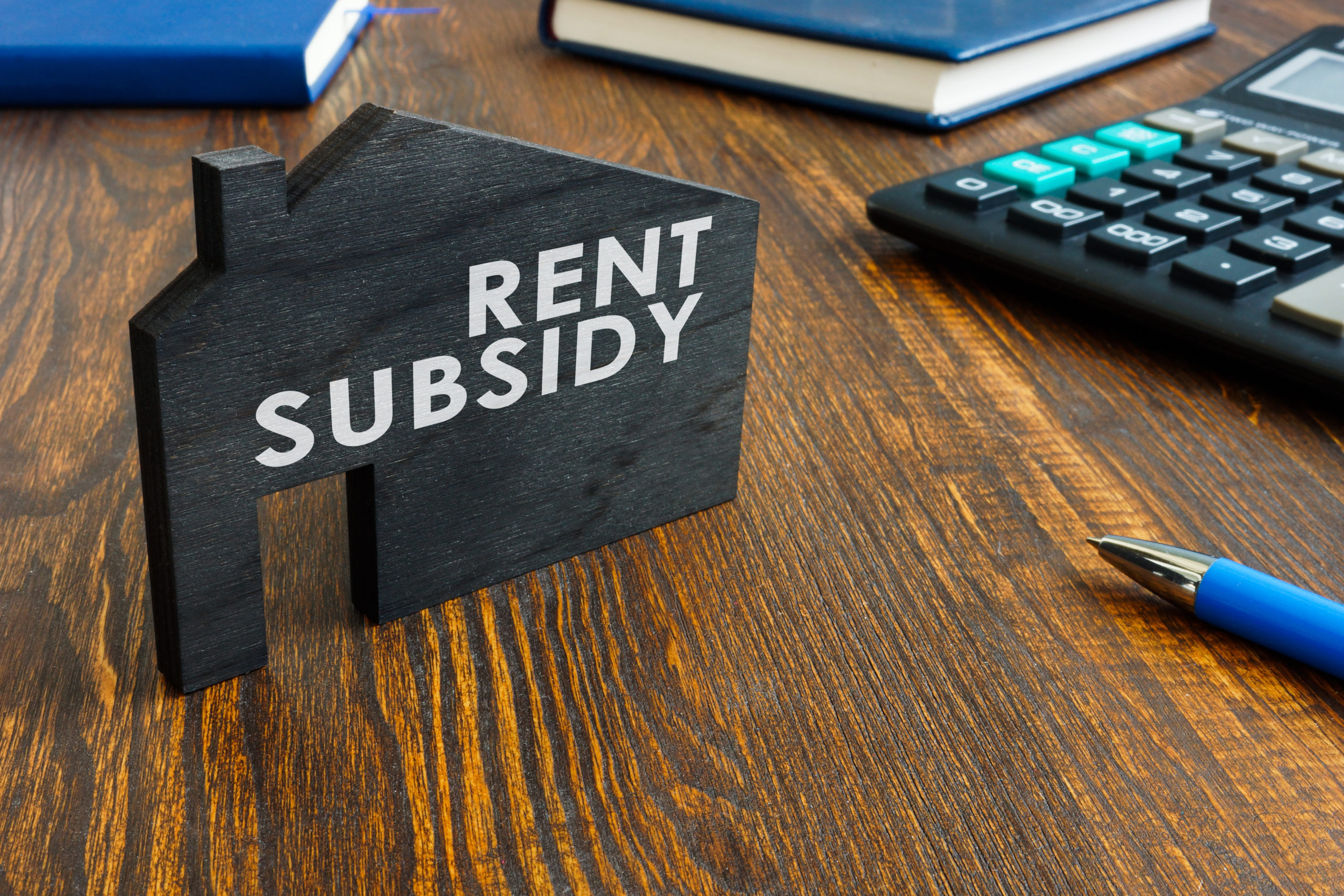
A rental subsidy is a financial assistance program designed to help low-to-moderate-income individuals afford safe and sanitary housing. Rather than being a simple “handout,” these subsidies are sophisticated financial tools—often funded by government agencies or non-profit organizations—that pay a portion of a tenant’s rent directly to a landlord. By reducing the “rent burden,” these programs allow recipients to reallocate their limited capital toward other essential financial goals, such as education, debt repayment, and emergency savings.

The Mechanics of Rental Subsidies: Bridging the Affordability Gap
To understand a rental subsidy from a financial perspective, one must first understand the “30% rule.” Economists and financial planners generally agree that a household is “cost-burdened” if it spends more than 30% of its gross income on housing. When this threshold is exceeded, the risk of financial insolvency increases, as there is less liquidity available for healthcare, food, and transportation. A rental subsidy is designed to artificially correct this ratio.
Defining the Subsidy Model
At its core, a rental subsidy functions as a “gap payment.” If a family earns $2,000 a month, their “affordable” rent target is $600 (30%). However, if the market rate for a two-bedroom apartment in their area is $1,400, there is an $800 deficit. A rental subsidy program steps in to cover that $800 gap. The tenant pays their calculated share based on their income, and the program covers the remainder, ensuring the landlord receives the full market rate while the tenant remains financially viable.
Government-Funded vs. Private Initiatives
The most recognizable form of rental subsidy in the United States is the Housing Choice Voucher Program, commonly known as Section 8. Managed by the Department of Housing and Urban Development (HUD), this program is a cornerstone of federal housing finance. However, the ecosystem of rental subsidies is broader than just federal vouchers. Many state and local governments offer “Project-Based Vouchers,” where the subsidy is tied to a specific building rather than a specific person.
Furthermore, private non-profits and corporate social responsibility funds sometimes offer short-term “Rental Assistance Grants.” These are often used as “bridge financing” for individuals facing temporary financial shocks, such as a medical emergency or a sudden job loss, preventing a temporary liquidity crisis from turning into a permanent state of homelessness.
Financial Eligibility: Navigating the Numbers
Rental subsidies are “means-tested” financial tools. This means that eligibility is determined strictly by an applicant’s financial profile. Unlike universal programs, these subsidies are targeted toward those who statistically face the greatest risk of financial displacement.
Understanding Area Median Income (AMI)
The primary metric used to determine eligibility is the Area Median Income (AMI). This is a figure calculated annually for different geographic regions. Most rental subsidy programs categorize applicants into “Low Income” (80% of AMI), “Very Low Income” (50% of AMI), or “Extremely Low Income” (30% of AMI).
From a personal finance standpoint, knowing your AMI is crucial for strategic planning. If you reside in a high-cost-of-living area (HCOL), your income might seem high on paper, but because the AMI is also high, you may still qualify for assistance. Conversely, in low-cost areas, the income ceilings are much tighter.
Calculating the 30% Income Threshold
Most subsidy programs require the tenant to contribute roughly 30% of their “adjusted” gross income toward rent. The “adjustment” is a critical financial detail; it often accounts for the number of dependents in the household, specific medical expenses for the elderly or disabled, and childcare costs. By subtracting these “non-discretionary” expenses from the gross income before calculating the rent portion, the subsidy program ensures that the household’s remaining net income is sufficient to cover other life necessities.
Maximizing Your Personal Finance Strategy with Housing Assistance
Receiving a rental subsidy is often the single most significant financial event for a low-income household. It represents a massive “income floor” that provides the breathing room necessary for long-term wealth building. When managed correctly, a subsidy can serve as a springboard for upward mobility.
Budgeting for the Future: Debt Reduction and Savings
The immediate impact of a rental subsidy is an increase in monthly disposable income. If a family was previously paying $1,200 for rent and their new subsidized portion is $400, they have effectively received an $800 monthly “raise.”
In a professional financial plan, this surplus should be aggressively allocated toward three areas:
- Emergency Fund: Building a 3-to-6-month cash reserve to handle future financial shocks without relying on high-interest credit.
- Debt Eradication: Paying off high-interest consumer debt or student loans that have been compounding over time.
- Human Capital Investment: Using the funds to pay for certifications, tuition, or tools that increase the individual’s earning potential in the labor market.
The “Benefit Cliff” and Financial Planning
A significant challenge in the world of rental subsidies is the “benefit cliff.” This occurs when a recipient receives a modest raise at work that pushes their income just above the eligibility limit, causing them to lose their entire subsidy. For example, a $2,000 annual raise could result in the loss of a $10,000 annual rental subsidy, leaving the household $8,000 worse off.
Engaging in proactive financial planning is essential to navigate this. Recipients should work with financial counselors to understand “income exclusions” and how to transition gradually away from assistance through career advancement that far outpaces the value of the subsidy.
The Strategic Application Process: A Financial Roadmap
Securing a rental subsidy is a rigorous process that requires meticulous financial record-keeping. Because these programs are highly sought after and underfunded, the application process is often competitive and document-intensive.
Necessary Documentation and Financial Records
To apply for a subsidy, you must present a transparent view of your financial life. This typically includes:
- Income Verification: Tax returns (1040s), W-2s, and recent pay stubs.
- Asset Disclosure: Statements for bank accounts, investment accounts, and any real estate holdings.
- Expense Tracking: Documentation for childcare, medical bills, and other deductible expenses.
Maintaining an organized “Financial Portfolio” can speed up the application process and reduce the likelihood of denial due to incomplete information. In the world of government finance, “paperwork is policy,” and accuracy is paramount.
Managing Long Waitlists and Interim Budgeting
In many jurisdictions, the demand for rental subsidies far outweighs the supply. It is not uncommon for waitlists to be years long. This necessitates a “dual-track” financial strategy. While waiting for a subsidy, individuals must practice extreme budgeting—utilizing every available financial tool, from food assistance (SNAP) to utility discounts (LIHEAP)—to maintain housing stability until the subsidy becomes available.

Conclusion: Leveraging Subsidies for Long-Term Wealth Building
A rental subsidy is far more than a monthly check sent to a landlord; it is a fundamental pillar of financial security for millions. By stabilizing the most volatile and expensive part of a household budget—housing—subsidies allow individuals to move from a state of “financial survival” to one of “financial planning.”
Understanding the mechanics of AMI, the 30% income rule, and the strategic management of the resulting surplus income can transform a temporary assistance program into a long-term engine for economic growth. For those eligible, a rental subsidy provides the most valuable asset in the world of finance: time. Time to save, time to study, and time to build a foundation that eventually leads to total financial independence. Whether through government vouchers or private grants, the intelligent application of rental subsidies remains one of the most effective ways to combat the housing crisis and empower the individual’s personal balance sheet.
aViewFromTheCave is a participant in the Amazon Services LLC Associates Program, an affiliate advertising program designed to provide a means for sites to earn advertising fees by advertising and linking to Amazon.com. Amazon, the Amazon logo, AmazonSupply, and the AmazonSupply logo are trademarks of Amazon.com, Inc. or its affiliates. As an Amazon Associate we earn affiliate commissions from qualifying purchases.