
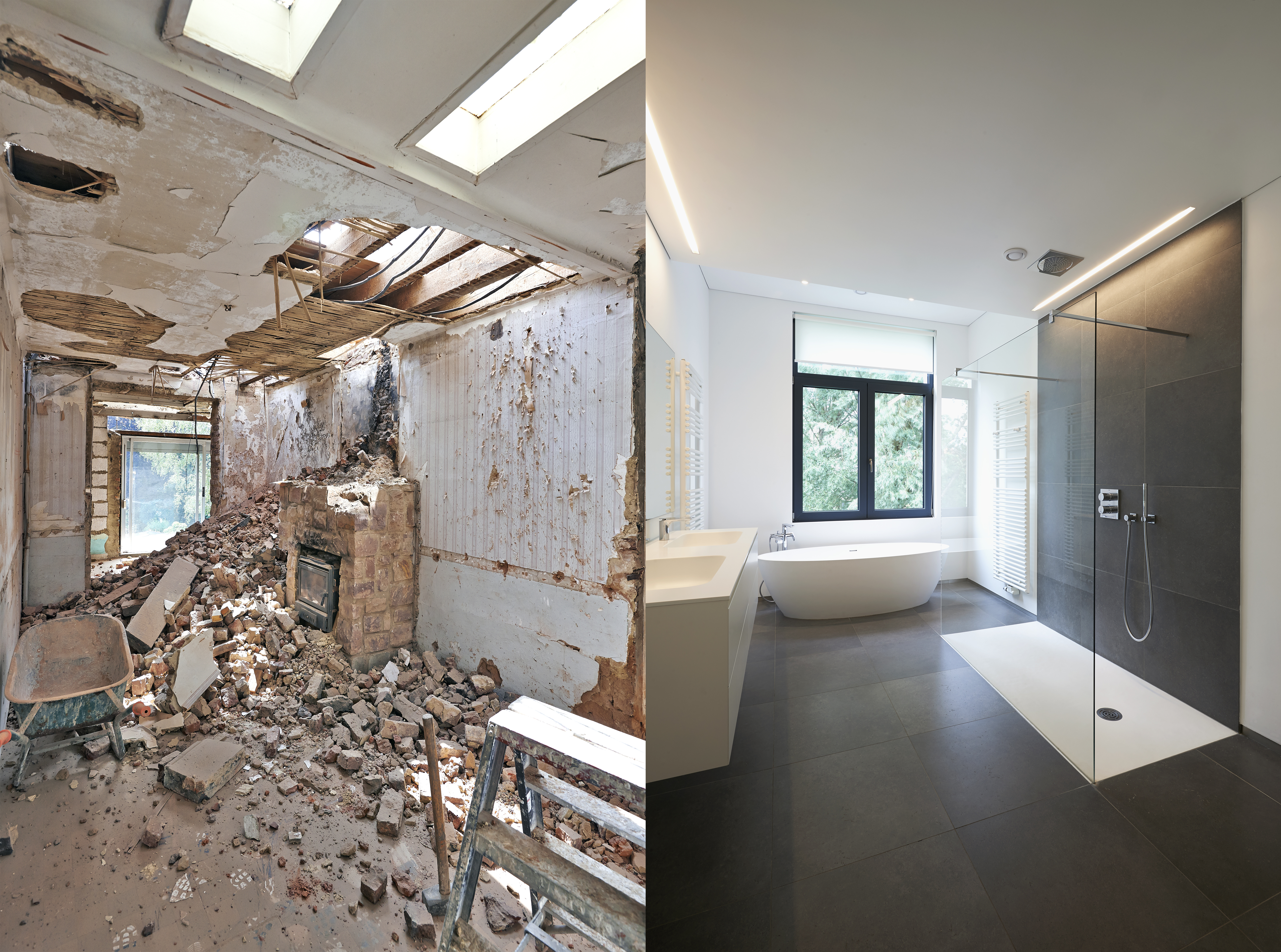
Remodeling is more than just a fresh coat of paint or a new set of cabinets; it’s a strategic financial undertaking with significant implications for both personal wealth and business profitability. Often viewed through the lens of aesthetics or functionality, the true essence of a remodeling project, when approached judiciously, lies in its capacity to transform a tangible asset—property—into a more valuable and economically efficient resource. Whether you’re a homeowner dreaming of an updated living space or a business owner looking to optimize commercial real estate, understanding remodeling from a purely financial standpoint is paramount to success. This article delves into the monetary dimensions of remodeling, exploring how to plan, fund, execute, and ultimately profit from these transformative projects.
Understanding the Financial Mechanics of Remodeling
Embarking on a remodeling project requires a robust understanding of its financial underpinnings. It’s not merely about spending money but about making calculated investments that align with financial goals, be it increasing property value, enhancing operational efficiency, or improving long-term cost savings.
The Initial Investment: Costs and Budgeting
The first and most critical step in any remodeling endeavor is establishing a comprehensive budget. Many projects falter or become sources of significant stress due to inadequate financial planning. The initial investment encompasses a myriad of costs that must be meticulously cataloged:
-
Direct Labor Costs: This includes wages for contractors, sub-contractors (plumbers, electricians, carpenters), and any specialized tradespeople. Labor often constitutes the largest portion of a remodeling budget.
-
Material Costs: From structural elements like lumber and drywall to finishes such as flooring, fixtures, paint, and countertops, material costs can fluctuate based on quality, brand, and market availability. Smart material sourcing can lead to substantial savings.
-
Permit and Inspection Fees: Local regulations almost always require permits for significant structural, electrical, or plumbing changes. These fees, while sometimes overlooked, are non-negotiable and protect both the homeowner/business and the integrity of the work.
-
Design and Architectural Fees: For larger or more complex projects, engaging architects, interior designers, or structural engineers adds to the upfront cost but can prove invaluable in avoiding costly mistakes and ensuring optimal design and functionality.
-
Contingency Funds: This is perhaps the most crucial element of a well-structured remodeling budget. Unexpected issues—discovering old wiring, plumbing problems behind walls, or structural deficiencies—are common. Financial experts universally recommend allocating 10% to 20% of the total estimated project cost as a contingency fund. This buffer prevents projects from stalling or requiring emergency, high-interest financing when surprises arise.
A detailed budget should itemize “must-have” improvements versus “nice-to-have” enhancements. Prioritizing essential upgrades ensures the core financial objectives are met before indulging in optional amenities. Leveraging project management tools or spreadsheets to track expenses against the budget in real-time is also vital for maintaining financial control.
Funding Your Renovation: Financing Options
Once the budget is established, the next financial hurdle is securing the necessary capital. The choice of financing can significantly impact the overall cost of the project and your long-term financial health.
-
Cash Reserves: Paying with cash is often the most financially advantageous method, as it avoids interest payments and simplifies the financial process. However, it requires significant liquid assets and should only be considered if it doesn’t deplete emergency funds or hinder other crucial financial goals.
-
Home Equity Loans or Lines of Credit (HELOCs): These are popular options for homeowners. A home equity loan provides a lump sum with a fixed interest rate and repayment schedule, while a HELOC offers a revolving credit line up to a certain limit, allowing borrowers to draw funds as needed. Both leverage the equity built up in your home, often offering lower interest rates than unsecured loans due to the collateral involved. However, they place your home at risk if you default.
-
Cash-Out Refinance: This involves replacing your existing mortgage with a new, larger one, and receiving the difference in cash. It can be advantageous if current interest rates are lower than your existing mortgage, allowing you to secure renovation funds while potentially lowering your monthly mortgage payment. However, it extends the repayment period and increases the total interest paid over the life of the loan.
-
Personal Loans: Unsecured personal loans can be a quick way to access funds for smaller projects. They typically have higher interest rates than home equity products because there’s no collateral, but they don’t put your home at risk. They are generally suitable for minor renovations or filling budget gaps.
-
Contractor Financing: Some contractors offer financing options through third-party lenders. While convenient, it’s essential to scrutinize the terms and interest rates, as they may not always be the most competitive.
Choosing the right financing strategy depends on your current financial situation, the size of the project, and your risk tolerance. It’s advisable to compare multiple offers and understand all fees and interest charges before committing.
Remodeling as an Investment: Maximizing Financial Returns
Viewing remodeling purely as an expense misses its potential as a strategic investment. A well-planned renovation can yield substantial financial returns, especially when considering the impact on property value and long-term savings.
ROI: Which Remodeling Projects Offer the Best Returns?
Not all remodeling projects are created equal when it comes to return on investment (ROI). Understanding which improvements resonate most with the market and provide tangible benefits is key to maximizing financial gains.
-
Kitchen and Bathroom Remodels: These areas are consistently cited as having some of the highest ROIs. Buyers often prioritize updated kitchens and bathrooms, making them critical selling points. While full, high-end renovations can be costly, minor-to-midrange updates (e.g., new countertops, refreshed cabinets, updated fixtures) often provide a better balance of cost and value appreciation.
-
Curb Appeal Improvements: First impressions matter. Enhancements like a new garage door, updated front door, fresh landscaping, or a well-maintained deck can significantly boost perceived value and attract buyers. These are often cost-effective improvements with strong ROIs.
-
Adding Usable Space: Projects that genuinely increase functional living space, such as finishing a basement, converting an attic, or adding a deck, often add substantial value, especially if they are well-integrated and professionally executed. The value per square foot added can be very attractive.
-
Energy Efficiency Upgrades: While perhaps less visually appealing, investments in energy-efficient windows, improved insulation, or high-efficiency HVAC systems offer long-term savings on utility bills and appeal to environmentally conscious buyers. Furthermore, some of these upgrades may qualify for tax credits or rebates, further enhancing their financial appeal.
Conversely, highly personalized or overly luxurious renovations might not yield a proportionate return, especially if they price the property out of its neighborhood market or appeal to a very niche taste. The goal is to enhance broad market appeal, not just individual preference.
The Impact on Property Value

The primary financial goal for many remodelers is to increase their property’s market value. This impact is assessed through several lenses:
-
Appraisal Considerations: Appraisers evaluate renovations based on their quality, functionality, and how they compare to similar properties (comparables or “comps”) in the local market. High-quality work that aligns with neighborhood standards is more likely to be fully valued.
-
Market Demand: A renovation that addresses current market trends or fulfills a common buyer desire (e.g., open-concept living, a home office space) will naturally contribute more to value. Researching local real estate trends is vital.
-
Avoiding Over-Improvement: Investing too much in a property relative to its neighborhood can lead to “over-improvement,” where the cost of the renovation exceeds the additional value it brings to the property. It’s crucial to understand the ceiling value for homes in your specific area.
Strategic Financial Planning for a Successful Remodel
A successful remodel is not just about the final outcome; it’s about the journey and the disciplined financial decisions made along the way. Strategic planning mitigates risks and optimizes spending.
Due Diligence and Vendor Selection from a Financial Standpoint
The choice of contractors and suppliers has a profound financial impact. Cutting corners here can lead to costly mistakes, delays, and subpar results.
-
Obtain Multiple Bids: Always solicit at least three detailed bids from different contractors. These bids should clearly itemize labor, materials, and any sub-contractor costs. Comparing these allows you to understand market rates and identify any significant discrepancies.
-
Verify Credentials and Insurance: Ensure your chosen contractor is licensed, bonded, and insured. This protects you financially from liabilities arising from accidents on your property or unfinished work. Request proof of insurance (liability and worker’s compensation).
-
Detailed Contracts: A comprehensive contract is your financial safeguard. It should clearly outline the scope of work, materials to be used (including brand and model numbers), payment schedule linked to milestones, start and completion dates, warranty information, and a clear process for change orders. Ambiguous contracts are fertile ground for budget overruns and disputes.
-
Payment Schedules: Avoid large upfront payments. A typical payment structure involves an initial deposit, followed by progress payments tied to specific, measurable milestones of completed work. The final payment should be withheld until the project is fully completed to your satisfaction and all necessary inspections have passed.
Managing Financial Risks and Unexpected Costs
Even with meticulous planning, remodeling projects inherently carry financial risks. Proactive management is essential.
-
Contingency Fund Deployment: As mentioned, maintaining a contingency fund is crucial. This fund should be managed carefully, used only for genuine unforeseen issues, and replenished if possible.
-
Change Orders: Any deviation from the original scope of work should be documented through a formal change order, signed by both parties, detailing the new work, its cost implications, and revised timelines. This prevents disputes and ensures transparency.
-
Record Keeping: Maintain meticulous records of all receipts, invoices, contracts, communications, and payments. This is invaluable for financial tracking, warranty claims, tax purposes (some improvements may be deductible or reduce capital gains tax when selling), and resolving any potential disagreements.
Post-Remodel Financial Considerations
The financial implications of remodeling extend beyond the project’s completion, influencing ongoing expenses and future financial planning.
Property Tax Implications
A significant remodel, particularly one that increases the square footage or substantially upgrades the property, will likely affect your property’s assessed value. A higher assessed value typically translates to higher annual property taxes. It’s prudent to research local assessment rules and understand how your improvements might impact future tax obligations. Factor these potential increases into your long-term budget.
Maintenance and Long-Term Value Protection
The financial benefits of a remodel are sustained through proper maintenance. Neglecting new installations or materials can quickly erode the value added by the renovation.
-
Ongoing Maintenance Costs: New appliances, fixtures, or landscaping might come with their own maintenance requirements and costs. Budgeting for these ongoing expenses is vital to protect your investment.
-
Warranty Management: Keep track of all warranties for new materials, appliances, and contractor work. These can provide significant financial protection against defects or failures, saving you from out-of-pocket repair costs.
-
Protecting Against Wear and Tear: Regular upkeep, cleaning, and addressing minor repairs promptly prevent small issues from escalating into expensive problems, ensuring the longevity and continued appeal of your remodeled space.

Conclusion
Remodeling, when approached with a keen financial eye, transcends mere aesthetic upgrade; it becomes a powerful tool for wealth creation and asset optimization. From the initial budgeting and strategic financing to the careful selection of high-ROI projects and diligent risk management, every decision has a monetary consequence. By embracing a professional, insightful, and financially savvy approach, homeowners and business owners alike can transform their properties not just into more beautiful or functional spaces, but into more valuable and financially rewarding assets, ultimately enhancing their overall financial well-being.
aViewFromTheCave is a participant in the Amazon Services LLC Associates Program, an affiliate advertising program designed to provide a means for sites to earn advertising fees by advertising and linking to Amazon.com. Amazon, the Amazon logo, AmazonSupply, and the AmazonSupply logo are trademarks of Amazon.com, Inc. or its affiliates. As an Amazon Associate we earn affiliate commissions from qualifying purchases.