
Relevant experience is the foundation upon which strong brands are built, whether personal or corporate. It’s more than just a chronological list of past roles or projects; it’s the demonstrable accumulation of skills, knowledge, and achievements that directly pertains to a specific context, goal, or market need. In the realm of branding, relevant experience serves as the ultimate proof point, validating claims of expertise, competence, and reliability. It communicates a brand’s unique ability to solve particular problems, deliver specific value, or innovate within a defined space, making it indispensable for establishing credibility, fostering trust, and differentiating oneself in a crowded marketplace.
The Core of Credibility: Defining Relevant Experience
At its heart, relevant experience is about alignment and impact. It’s not merely having done something, but having done something that matters in a specific domain and can be directly applied to future challenges or opportunities. For a brand, this means carefully curating and communicating the aspects of its history and capabilities that resonate most powerfully with its target audience and strategic objectives. This selective storytelling ensures that every piece of information presented reinforces the brand’s intended identity and value proposition, rather than diluting it with extraneous details.
Beyond the Resume: A Holistic View
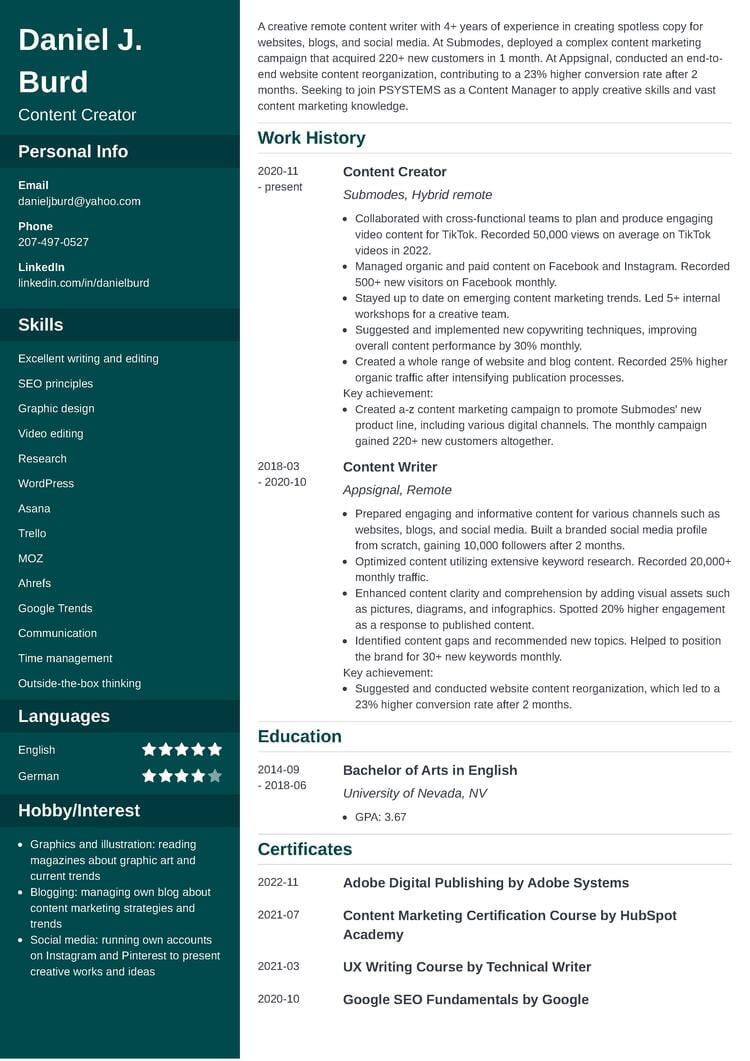
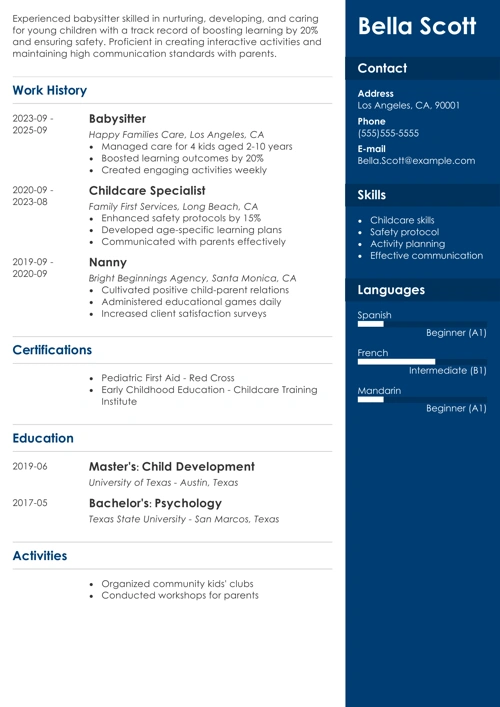
While a resume or corporate history often provides a factual record of activities, true relevant experience transcends mere bullet points. It encompasses the transferable skills acquired, the problem-solving methodologies mastered, the industry insights gained, and the quantifiable results achieved. For a personal brand, this might include volunteer work, side projects, public speaking engagements, or published articles that showcase expertise beyond formal employment. For a corporate brand, it extends to patented innovations, industry awards, customer testimonials, strategic partnerships, and even the collective wisdom embedded within its organizational culture. It’s a holistic tapestry woven from various threads, all contributing to a cohesive narrative of competence and authority.
The Narrative of Competence
Relevant experience becomes truly powerful when framed within a compelling narrative. It’s not enough to simply state that a brand has “X years of experience.” The brand must articulate what kind of experience, how it was gained, what challenges were overcome, and what lessons were learned. This narrative transforms abstract claims into tangible proof, allowing the audience to envision the brand’s capabilities and predict its future performance. By weaving together a story that highlights key milestones, pivotal projects, and successful outcomes, a brand can effectively communicate its unique journey towards its current level of mastery, reinforcing its position as a trusted and capable entity.
Relevant Experience in Personal Branding
For individuals aiming to establish a strong personal brand, identifying and articulating relevant experience is paramount. It’s the engine that drives career advancement, attracts desired opportunities, and positions one as an authority in their chosen field. In a competitive professional landscape, the ability to clearly define and powerfully present one’s unique blend of skills and accomplishments is what separates the memorable from the overlooked.
Crafting Your Professional Story
A personal brand thrives on a consistent and compelling professional story, with relevant experience forming its backbone. This involves more than listing job duties; it requires reflecting on the challenges faced, the solutions developed, and the impact created in previous roles. For example, a marketer building a personal brand in digital analytics might highlight specific campaigns where they improved ROI through data-driven insights, rather than just stating “managed digital campaigns.” The story should connect past achievements to future aspirations, demonstrating a clear trajectory of growth and expertise. Every piece of content, from LinkedIn summaries to portfolio pieces, should serve to reinforce this narrative, illustrating how past experiences have shaped current capabilities and future potential.
Showcasing Niche Expertise
The most effective personal brands often focus on a specific niche, and relevant experience is crucial for owning that territory. If an individual wants to be known as an expert in sustainable supply chains, their experience should emphatically demonstrate a deep understanding of environmental regulations, logistics optimization, ethical sourcing, and cost reduction strategies within that specific domain. This might involve case studies of successful green initiatives they spearheaded, articles they’ve published on circular economy principles, or certifications they’ve obtained in supply chain management. By concentrating on experiences that align with their chosen niche, individuals can cut through generalist noise and establish themselves as the go-to authority for a specific set of problems or solutions.
Building Thought Leadership Through Demonstrated Skill
Thought leadership is intrinsically linked to relevant experience. An individual becomes a thought leader not just by having opinions, but by having opinions backed by a track record of successful application and innovative thinking. This means actively sharing insights derived from real-world projects, presenting data-backed conclusions, and offering actionable advice based on their extensive experience. For instance, a software engineer aiming for thought leadership in cloud architecture would share open-source contributions, present at industry conferences on specific cloud migration strategies they implemented, or publish technical deep-dives into scaling solutions they designed. Their relevant experience serves as the evidence that their ideas are not theoretical, but proven in practice, earning them respect and influence within their community.
Relevant Experience for Corporate Identity and Marketing
For organizations, relevant experience is the bedrock of their corporate identity and the most potent tool in their marketing arsenal. It’s how a company builds its reputation, differentiates itself from competitors, and assures customers of its capacity to deliver on its promises. Without a compelling demonstration of relevant experience, a corporate brand struggles to inspire confidence or command market authority.
Establishing Market Authority
A company’s market authority is directly proportional to its demonstrated relevant experience. This authority is not merely claimed; it is earned through years of consistent performance, successful projects, and the accumulation of specialized knowledge. For a cybersecurity firm, relevant experience means showcasing a history of protecting high-profile clients from sophisticated threats, detailing the types of breaches prevented, and highlighting proprietary technologies developed in response to evolving risks. For a consulting firm, it means presenting case studies of measurable improvements delivered for clients in specific industries, along with the expertise of its team members. This collective experience reinforces the company’s position as a leader and trusted partner, rather than just another vendor.
Communicating Value Through Track Record
Marketing and communications efforts become far more impactful when they are anchored in a solid track record of relevant experience. Instead of making abstract claims about “quality” or “innovation,” companies can present concrete examples of how their past work has created tangible value for clients. This could involve highlighting key performance indicators (KPIs) improved, cost efficiencies achieved, market share gained, or regulatory compliance ensured. An architectural firm, for instance, wouldn’t just state “we design beautiful buildings”; it would showcase award-winning projects, illustrate their sustainable design principles through completed structures, and feature client testimonials praising their functional and aesthetic outcomes. This direct evidence of past success serves as powerful predictive marketing for future clients.
The Role in Brand Trust and Loyalty
Ultimately, relevant experience is a critical driver of brand trust and loyalty. Customers choose brands they believe can consistently deliver on their needs, and that belief is largely shaped by the brand’s past performance. A company with a long history of successfully serving a particular market segment builds a deep reservoir of trust. This trust translates into repeat business, positive referrals, and a resilient brand reputation that can withstand challenges. For instance, a financial institution that has consistently guided clients through various economic cycles with sound advice builds an enduring sense of loyalty. Their relevant experience reassures clients that they are in capable hands, fostering a relationship built on proven competence and reliability.
Identifying and Leveraging Your Relevant Experience
The process of defining and leveraging relevant experience is a strategic exercise that requires self-awareness, market understanding, and effective communication. It’s about consciously shaping the narrative that defines a brand, whether personal or corporate.
Self-Assessment and Gap Analysis
To effectively leverage relevant experience, a thorough self-assessment is essential. For individuals, this means documenting every skill, project, and achievement, then critically evaluating its relevance to current career goals or desired brand positioning. For companies, it involves an audit of all past projects, client engagements, and internal capabilities. This assessment should be followed by a gap analysis: identifying areas where experience is lacking or where existing experience needs to be re-packaged to better align with market demands or strategic objectives. This helps in understanding not just what is relevant, but what needs to become relevant through learning or new ventures.
Strategic Storytelling
Once identified, relevant experience must be communicated through strategic storytelling. This involves curating and presenting information in a way that is compelling, clear, and specifically tailored to the target audience. For a personal brand, this might mean updating a portfolio with projects that align with a desired niche, refining a LinkedIn profile to highlight specific expertise, or developing a personal website that frames accomplishments within a professional narrative. For a corporate brand, it involves crafting compelling case studies, testimonials, thought leadership pieces, and marketing collateral that consistently reinforce the brand’s core competencies and unique value proposition, always emphasizing the impact of their experience.
Continuous Development and Adaptation
The definition of “relevant” is not static; it evolves with industry trends, technological advancements, and changing market needs. Therefore, a brand, whether personal or corporate, must commit to continuous development and adaptation of its experience. This means actively seeking opportunities to acquire new skills, take on innovative projects, and stay abreast of emerging challenges. For a personal brand, this might involve continuous learning, certification, or mentorship. For a corporate brand, it could mean R&D investments, strategic acquisitions, or fostering a culture of innovation. By proactively building new relevant experience, brands can maintain their competitive edge and ensure their narrative of competence remains current and impactful.
The Pitfalls of Irrelevant Experience and How to Avoid Them
While relevant experience is a brand’s strength, the inclusion of irrelevant experience can dilute its message and confuse its audience. Understanding what not to highlight is as important as knowing what to highlight.
Diluting Your Message
When a personal or corporate brand attempts to showcase every single piece of its history, regardless of its alignment with its current identity or goals, it risks diluting its core message. An excessive display of disparate experiences can make a brand appear unfocused, lacking in specialized expertise, or unsure of its own direction. For example, if a software development company highlights its past venture into event planning, it detracts from its intended image as a tech-focused innovator. The audience struggles to understand the brand’s true capability, leading to a lack of clear positioning and a diminished impact of its genuine strengths.

The Importance of Context and Audience
The relevance of any experience is always contextual and audience-dependent. What might be highly relevant for one audience or objective could be entirely irrelevant for another. Therefore, brands must carefully consider who they are speaking to and what those individuals or entities value most. For a personal brand, this means tailoring resumes and cover letters for each specific job application, highlighting only the experiences that directly address the employer’s needs. For a corporate brand, it involves segmenting marketing messages to speak to the distinct pain points and priorities of different customer groups or industry sectors. By being discerning about which experiences to present and how to frame them, brands can ensure their message is always sharp, compelling, and precisely targeted, maximizing its impact and fostering stronger connections with their intended audience.
aViewFromTheCave is a participant in the Amazon Services LLC Associates Program, an affiliate advertising program designed to provide a means for sites to earn advertising fees by advertising and linking to Amazon.com. Amazon, the Amazon logo, AmazonSupply, and the AmazonSupply logo are trademarks of Amazon.com, Inc. or its affiliates. As an Amazon Associate we earn affiliate commissions from qualifying purchases.