
Navigating the world of driver’s licenses can often feel like deciphering a complex code, especially when terms like “class” and “endorsement” are thrown around. While the primary function of a driver’s license is to grant legal permission to operate a motor vehicle, the “class” of that license is a crucial detail that significantly impacts your financial landscape. It dictates not only what you can drive but also influences insurance costs, vehicle choices, and even your potential for earning income. This article delves into the concept of regular driver’s license classes, focusing specifically on their financial ramifications. Understanding these distinctions is not merely about legal compliance; it’s a foundational step towards making informed financial decisions related to transportation, personal expenses, and potential business ventures.

The Financial Foundation: Why License Classes Matter for Your Wallet
The classification of a driver’s license is not an arbitrary designation. It’s a system designed to ensure that drivers possess the appropriate knowledge and skills for the weight, size, and passenger capacity of the vehicles they operate. From a financial standpoint, this classification has direct and indirect consequences. The type of vehicle you are legally permitted to drive fundamentally shapes your expenses, from the initial purchase price and ongoing maintenance to the cost of insurance and fuel. For those seeking to generate income, understanding these classes is paramount, as specific license endorsements can unlock lucrative opportunities in transportation and logistics.
Vehicle Purchase and Operating Costs
The class of your driver’s license often dictates the types of vehicles you can legally purchase and operate. A standard Class D license, for instance, typically permits the operation of most passenger cars and light trucks. However, if you’re considering larger vehicles like RVs, small buses, or certain commercial trucks, you’ll need a different license class. This directly impacts your purchasing decisions.
For example, a recreational vehicle (RV) capable of sleeping multiple people and offering extensive amenities might require a Class B or even a Class A commercial driver’s license (CDL) endorsement, depending on its weight and air brake system. These vehicles are significantly more expensive to purchase, maintain, and insure than a standard passenger car. The fuel consumption of larger vehicles also tends to be higher, adding to the ongoing operational costs.
Conversely, if your needs are primarily for personal transportation and occasional hauling, a standard license class will suffice, allowing you to opt for more economical vehicles. The decision to upgrade or maintain a standard license often hinges on a careful assessment of your transportation needs versus the associated financial commitments. Understanding the limits of your current license class can prevent costly mistakes, such as purchasing a vehicle that you are not legally permitted to drive or that incurs prohibitive insurance premiums.
Insurance Premiums: A Direct Financial Link
The connection between driver’s license class and insurance premiums is one of the most immediate financial impacts. Insurance companies assess risk based on various factors, and the type of vehicle you operate is a significant one.
- Vehicle Type and Value: Vehicles that are larger, heavier, more powerful, or more expensive to repair generally command higher insurance premiums. Driving a large commercial truck, for instance, with a CDL, will invariably lead to higher insurance costs than driving a standard sedan with a regular license. The potential for damage and liability is significantly greater with larger, more complex machinery.
- Usage and Purpose: If your license class allows you to operate vehicles for commercial purposes (e.g., delivery trucks, taxis), your insurance premiums will be substantially higher than for personal use. This is because commercial vehicles are typically driven more miles, under more varied conditions, and carry goods or passengers, increasing the risk profile for the insurer.
- Driver Experience and Endorsements: Insurers also consider the experience and qualifications associated with different license classes. A driver holding a CDL is generally considered to have undergone more rigorous training and testing, which might, in some cases, offset higher premiums for certain risks. However, the inherent risks associated with operating commercial vehicles often outweigh this factor.
- Personal Finance Strategy: From a personal finance perspective, factoring in the potential insurance costs associated with different vehicle types and the corresponding license classes is crucial. If you’re planning to purchase a vehicle that requires a specialized license, you must research and obtain accurate insurance quotes before making the purchase. Unexpectedly high insurance bills can derail even the best-laid financial plans. For businesses, understanding this link is vital for accurate budgeting and cost management.
Vehicle Financing and Loan Eligibility
The type of vehicle you intend to purchase, and thus the corresponding driver’s license class required, can also influence your ability to secure financing and the terms of any loans.
- Commercial Vehicles: If your goal is to operate a commercial vehicle for business purposes, securing a loan for such a vehicle often involves a different process than for a personal car. Lenders may require a more detailed business plan, proof of revenue, and specific CDL endorsements. The loan amounts are often larger, and the interest rates might reflect the higher risk associated with commercial ventures.
- Recreational Vehicles: Large RVs, which may require higher license classes, are also significant financial commitments. Financing these vehicles often falls into a category similar to recreational boats or luxury vehicles, with specific loan products and interest rates that can differ from standard auto loans.
- Personal Finance Planning: For individuals looking to finance a vehicle that necessitates a specialized license class, it’s essential to consult with lenders early in the process. Understanding your creditworthiness, the down payment requirements, and the potential interest rates based on the vehicle type and your license is a critical component of responsible financial planning. Misjudging financing capabilities based on an incorrect understanding of license requirements can lead to rejection of loan applications or unfavorable terms.
Unlocking Income Streams: License Classes as Career Catalysts
Beyond personal use and associated costs, regular driver’s license classes play a pivotal role in individuals’ ability to generate income. Certain classes and endorsements are prerequisites for a wide array of professions, directly impacting earning potential and career pathways.
Professional Driving Opportunities
The most direct link between license classes and income is through professional driving roles. A standard driver’s license (often Class D or its equivalent) is sufficient for many entry-level roles like personal delivery services or driving for ride-sharing platforms. However, for more specialized and often higher-paying opportunities, advanced license classes are essential.
- Commercial Driver’s Licenses (CDLs): CDLs are the gateway to careers in trucking, bus operation, and other large-vehicle transportation. These roles are critical to the economy, moving goods and people across vast distances.
- Class A CDL: Allows operation of a combination vehicle with a gross vehicle weight rating (GVWR) of more than 26,000 pounds, and the towed vehicle has a GVWR of more than 10,000 pounds. This is for tractor-trailers.
- Class B CDL: Allows operation of a single vehicle with a GVWR of more than 26,000 pounds, or the towed vehicle has a GVWR of less than 10,000 pounds. This is for straight trucks, dump trucks, and buses.
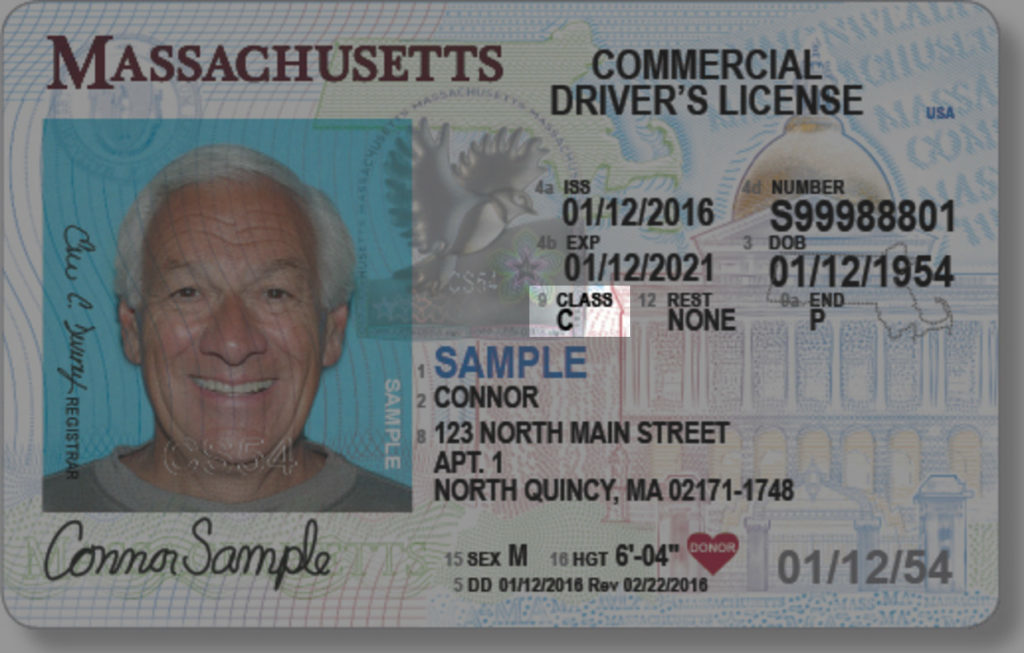
- Class C CDL: For vehicles that don’t meet the definition of Class A or B but are designed to transport 16 or more occupants (including the driver), or are transporting hazardous materials. This often includes smaller buses and specialized delivery vehicles.

Each CDL class, and any accompanying endorsements (e.g., for passenger transport, hazardous materials, air brakes), directly correlates to specific job markets and earning potential. The demand for skilled CDL drivers remains high, making this a stable and potentially lucrative career path for those who meet the licensing requirements.
The Gig Economy and Transportation Services
The burgeoning gig economy has also highlighted the financial importance of understanding driver’s license classifications. While many platforms are accessible with a standard license, the scope and earning potential can expand with specific endorsements or if the “regular” license class permits operation of certain types of vehicles.
For instance, the ability to drive a larger van or a small truck might open up opportunities in local delivery services that exceed the capacity of a standard passenger car. This could include furniture delivery, catering services, or specialized freight transport. These can be pursued as side hustles or even developed into full-fledged small businesses, directly contributing to online income or entrepreneurial ventures.
The key is to recognize that your driver’s license isn’t just an identification document; it’s a credential that can unlock various income-generating avenues. Researching the licensing requirements for specific jobs or entrepreneurial pursuits related to transportation is a proactive financial strategy.
Business Development and Logistics
For entrepreneurs and small business owners, understanding the nuances of driver’s license classes is critical for efficient and compliant business operations.
- Fleet Management: If a business operates a fleet of vehicles, the license classes required by its drivers directly influence the types of vehicles that can be acquired and the associated operating costs. Improper licensing can lead to significant fines, operational disruptions, and increased insurance liabilities.
- Service Offerings: The services a business can offer are often limited by the legal capabilities of its drivers and vehicles. A business aiming to provide moving services, for instance, needs drivers licensed to operate moving trucks. Similarly, a company transporting goods might need drivers with specific endorsements for hazardous materials.
- Cost-Benefit Analysis: From a business finance perspective, the decision to acquire vehicles that require specialized licenses must be weighed against the potential revenue and operational benefits. This includes factoring in the cost of driver training and licensing, specialized insurance, and vehicle maintenance. A thorough understanding of license classes allows for more accurate financial forecasting and resource allocation.
Navigating the System: Costs and Considerations
Acquiring and maintaining the appropriate driver’s license class involves various costs and considerations that directly impact personal and business finances.
Licensing Fees and Testing Costs
The process of obtaining a driver’s license, especially a commercial one, involves fees for applications, written tests, practical driving tests, and potentially endorsements. These costs, while perhaps not astronomical, are part of the overall financial outlay associated with driving.
- Standard Licenses: Fees for regular driver’s licenses are typically modest.
- Commercial Driver’s Licenses (CDLs): Obtaining a CDL involves more extensive testing and, consequently, higher fees. These can range from several hundred to over a thousand dollars, depending on the state, the required endorsements, and whether you opt for professional training courses.
- Endorsements and Renewals: Adding endorsements (like for hazardous materials or passenger transport) or renewing licenses also incurs fees.
Driver Training and Education
For specialized license classes, particularly CDLs, professional training is often necessary and highly recommended. These training programs provide the essential skills and knowledge to pass the rigorous testing and operate vehicles safely.
- CDL Training Programs: These can be significant financial investments, ranging from a few thousand dollars for shorter programs to upwards of $10,000 for more comprehensive courses that may include job placement assistance. However, the return on investment can be substantial, given the higher earning potential of CDL-licensed drivers.
- Online Courses and Resources: While not a substitute for practical training, online resources and study materials can help individuals prepare for written exams for various license classes, incurring minimal costs.
From a financial planning standpoint, individuals and businesses must budget for these licensing and training costs. For aspiring professional drivers, the investment in training can be viewed as a down payment on a more lucrative career. For businesses, it’s an essential operational expense to ensure a qualified workforce.
The Financial Trade-Off: Flexibility vs. Cost
Ultimately, understanding driver’s license classes involves a constant financial trade-off between flexibility and cost. A standard license offers broad access to personal vehicles with generally lower associated costs. However, it limits access to more specialized vehicles and professional driving careers. Conversely, obtaining advanced licenses and endorsements opens up a wider range of opportunities, both for personal use of larger vehicles and for earning income, but at a significantly higher financial cost in terms of training, fees, insurance, and vehicle acquisition.
A strategic approach to your driver’s license class involves aligning it with your financial goals. If your primary concern is minimizing transportation expenses, a standard license is likely sufficient. If you aim to maximize earning potential in transportation-related fields or require specialized vehicles for personal or business use, investing in the appropriate training and licensing becomes a financially sound decision. Carefully weighing these factors will lead to more informed choices, ultimately benefiting your financial well-being.
aViewFromTheCave is a participant in the Amazon Services LLC Associates Program, an affiliate advertising program designed to provide a means for sites to earn advertising fees by advertising and linking to Amazon.com. Amazon, the Amazon logo, AmazonSupply, and the AmazonSupply logo are trademarks of Amazon.com, Inc. or its affiliates. As an Amazon Associate we earn affiliate commissions from qualifying purchases.