
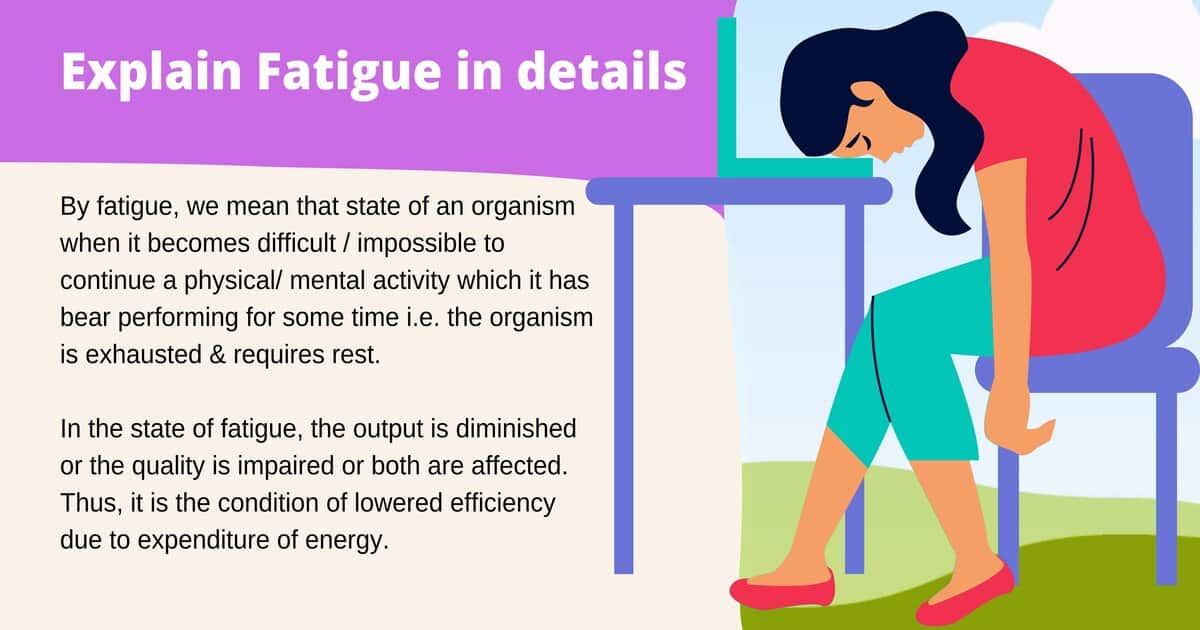
In our hyper-connected, information-saturated world, the constant barrage of stimuli, demands, and expectations can leave us feeling drained, not just physically or mentally, but profoundly on a deeper, existential level. This phenomenon, increasingly recognized and discussed, is known as meaning fatigue. It’s the creeping exhaustion that arises from an overwhelming need to imbue every aspect of our lives with purpose, significance, and value, often in the face of relentless digital noise and societal pressures.
The concept of meaning fatigue is intrinsically linked to the core tenets of our modern existence, touching upon the rapid advancements in Tech, the intricate dance of Brand in shaping our perceptions, and the ever-present pursuit of Money as a perceived measure of success and fulfillment. We are constantly presented with opportunities to optimize, achieve, and connect, each promising a path to a more meaningful life, yet paradoxically, this very pursuit can lead to a depletion of our capacity to genuinely experience meaning.
This article will delve into the multifaceted nature of meaning fatigue, exploring its origins, manifestations, and the subtle ways it infiltrates our professional and personal lives. We will examine how the relentless march of technology, the strategic crafting of brands, and the pervasive influence of financial aspirations contribute to this growing malaise. Ultimately, we will offer actionable strategies to navigate and mitigate meaning fatigue, fostering a more authentic and sustainable sense of purpose.
The Digital Deluge: How Tech Fuels Meaning Fatigue
The technological landscape has become the primary battleground for our attention and, consequently, our sense of meaning. While technology offers incredible tools for connection, learning, and productivity, its inherent design often pushes us towards constant engagement and a relentless pursuit of external validation.
1. The Illusion of Productivity and the Tyranny of “More”
Our professional lives are deeply intertwined with the tech world. We are encouraged to be more productive, more efficient, and more innovative. Productivity apps promise to streamline our workflows, AI tools offer to automate complex tasks, and the ever-present smartphone acts as a gateway to a world of constant updates and notifications. This relentless drive for “more” – more tasks completed, more emails answered, more projects delivered – can become a surrogate for genuine meaning.
The satisfaction derived from checking off to-do lists can be fleeting, a dopamine hit that masks a deeper void. We can become so engrossed in the mechanics of doing that we lose sight of why we are doing it. This is particularly true in roles that are heavily reliant on metrics and quantifiable outcomes. When our success is solely defined by numbers, the pursuit of meaning can feel like a luxury we can’t afford. The pressure to constantly leverage new software, adopt the latest AI tools, and integrate emerging gadgets into our routines can lead to a form of “tech burden,” where the effort to stay current outweighs the actual benefits, leaving us feeling overwhelmed rather than empowered.
2. The Algorithmic Rabbit Hole of Validation
Social media platforms, driven by sophisticated algorithms, are designed to keep us engaged by feeding us content that aligns with our interests and, more importantly, elicits reactions. The pursuit of likes, shares, and comments can become a powerful, albeit shallow, source of validation. We begin to curate our online personas, meticulously crafting narratives that project an image of a meaningful and successful life. This constant need for external approval can distract us from finding intrinsic sources of meaning.
The “highlight reel” effect of social media exacerbates this. We are constantly exposed to the curated successes and seemingly perfect lives of others, leading to comparisons that can erode our own sense of accomplishment and purpose. This can manifest as a feeling of inadequacy, a nagging sense that our own lives are somehow less meaningful or significant. The digital security aspects also play a role; while crucial for protecting our online presence, the constant vigilance and worry about breaches can add another layer of mental overhead, diverting energy from more meaningful pursuits.
3. The Blurring Lines Between Work and Life
The digital tools that enable remote work and constant connectivity have also blurred the boundaries between our professional and personal lives. The ability to access work emails and project management software from our phones at any hour means that the demands of work are always present. This constant “always-on” culture makes it difficult to disconnect and engage in activities that truly nourish our souls and provide a sense of deeper purpose. When work bleeds into every moment, finding time and mental space for reflection, hobbies, or meaningful relationships becomes a significant challenge.
The Art of the Brand: Crafting Meaning in a Competitive Landscape
In today’s economy, branding is not just for corporations; it’s a critical element of personal and professional success. The deliberate cultivation of a strong brand identity is presented as a pathway to recognition, influence, and, by extension, meaning. However, this emphasis on performance and perception can inadvertently contribute to meaning fatigue.
1. The Pressure of the Personal Brand
The rise of personal branding has encouraged individuals to view themselves as products to be marketed. Every interaction, every online post, every professional achievement is seen as an opportunity to enhance one’s brand narrative. This requires a constant conscious effort to project a specific image, often one of dynamism, expertise, and unwavering positivity.
This performative aspect can be exhausting. It necessitates a degree of self-surveillance and strategic communication that can feel inauthentic. When our focus shifts from genuinely developing our skills and contributing meaningfully to constantly managing our external perception, the act of branding itself can become a source of fatigue. The pressure to consistently produce engaging content, share insightful opinions, and maintain a polished online presence can drain our creative energy and make us question the authenticity of our own endeavors.
2. The Promise of Corporate Identity and its Disconnect
For many, a career within a well-established or rapidly growing company offers a perceived sense of purpose. Corporate identity is carefully crafted to communicate a mission, values, and a commitment to making a positive impact. Case studies are highlighted, and marketing campaigns are designed to instill a sense of pride and belonging. However, the reality within large organizations can often be far removed from these aspirational narratives.
When an individual’s daily tasks and responsibilities do not align with the proclaimed mission, or when the corporate culture contradicts the advertised values, a disconnect emerges. This dissonance can lead to a profound sense of disillusionment and a feeling that the “meaning” promoted by the brand is merely a facade. The constant effort to reconcile the perceived meaning of the brand with the actual experience of working within it can be a significant contributor to meaning fatigue. We may find ourselves questioning our commitment and the value of our contributions when they feel detached from a larger, genuine purpose.
3. The Design of Desire: Marketing and the Pursuit of Fulfillment

Marketing, at its core, is about creating desire and connecting products and services to perceived needs and aspirations. The constant barrage of advertisements, both online and offline, bombards us with messages suggesting that happiness, fulfillment, and meaning can be achieved through consumption. From the latest gadgets that promise to enhance our lives to lifestyle brands that offer a sense of belonging, we are perpetually nudged towards acquiring more as a means of achieving a more meaningful existence.
This constant exposure to aspirational advertising can create a sense of dissatisfaction with what we currently have, fueling a perpetual cycle of wanting. We may find ourselves chasing the next purchase, the next upgrade, or the next experience advertised as the key to unlocking a more meaningful life. This relentless pursuit of external validation through consumption can lead to a spiritual emptiness, a feeling that no matter how much we acquire, the core sense of purpose remains elusive.
The Currency of Worth: Money and the Pursuit of Meaning
The pursuit of financial security and prosperity is a fundamental human drive. However, in contemporary society, money has become an increasingly prominent, and often oversimplified, proxy for success and meaning. This conflation can lead to a unique form of meaning fatigue.
1. The Pressure of Financial Success as the Sole Metric
In many circles, financial achievement is equated with personal worth and the successful realization of life’s purpose. The narratives surrounding online income, side hustles, and ambitious investment strategies often emphasize the ultimate goal of wealth accumulation as the pinnacle of a life well-lived. While financial stability is undeniably important, when it becomes the sole indicator of meaning, it can create immense pressure and a sense of failure for those who do not achieve a certain level of material wealth.
This can lead to individuals feeling that their efforts are meaningless if they are not directly contributing to their financial bottom line. The focus shifts from the intrinsic satisfaction of work, contribution, or personal growth to the external metric of income. This can be particularly taxing for individuals in careers that are not traditionally lucrative but are nonetheless vital to society, such as those in the arts, education, or social services.
2. The Illusion of Control and the Trade-off for Time
The pursuit of financial freedom often involves sacrificing other valuable aspects of life, most notably time. The relentless drive for online income and the investment in side hustles, while potentially rewarding, can consume vast amounts of personal time. This trade-off can lead to a feeling of being perpetually busy but not necessarily fulfilled.
We might find ourselves working longer hours, sacrificing family time, or neglecting personal well-being in the name of financial progress. The irony is that while financial security is often sought to enable a more meaningful life, the relentless pursuit of it can paradoxically deplete the very time and energy needed to experience that meaning. The constant scanning of financial tools and the strategizing for future wealth can become an all-consuming activity, leaving little room for the spontaneous joys and deep connections that truly enrich life.
3. The Financialization of Everything: From Side Hustles to Life Goals
The pervasive influence of money has led to the financialization of almost every aspect of our lives. Even personal relationships and leisure activities are sometimes viewed through the lens of return on investment. The popularization of “side hustles” encourages us to monetize our hobbies and passions, blurring the lines between work and enjoyment. While this can be a source of extra income, it also risks turning our sources of joy into obligations, draining them of their inherent meaning.
When the question “Is this worth my time?” is always answered with a financial calculation, we can lose touch with activities that provide emotional, intellectual, or spiritual nourishment but don’t offer a direct financial payoff. This can lead to a hollow sense of accomplishment, where we have accumulated wealth but lost the richness of experience.
Navigating Towards Sustainable Meaning
Understanding the origins of meaning fatigue is the first step towards mitigating its effects. It’s a call to re-evaluate our priorities and to actively cultivate a more authentic and sustainable sense of purpose, independent of the relentless demands of technology, branding, and financial metrics.
Reclaiming Your Time and Attention
The first and perhaps most crucial step is to reclaim control over your time and attention. This involves setting boundaries with technology, consciously limiting your exposure to distracting platforms, and being deliberate about how you spend your free time. Consider digital detoxes, turning off notifications, and scheduling “unplugged” time each day.
Redefining Success Beyond External Metrics
Challenge the societal narrative that equates success solely with financial wealth or external validation. Define what a meaningful life looks like for you, independent of external pressures. This might involve prioritizing personal growth, nurturing relationships, contributing to your community, or pursuing creative endeavors that bring you intrinsic joy.
Cultivating Authentic Connections and Experiences
In a world that often prioritizes curated online personas, genuine human connection and authentic experiences are more vital than ever. Invest time in building deep, meaningful relationships. Seek out activities that engage your senses, spark your curiosity, and allow you to be fully present. These are the true wellsprings of meaning.
Embracing Imperfection and Self-Compassion
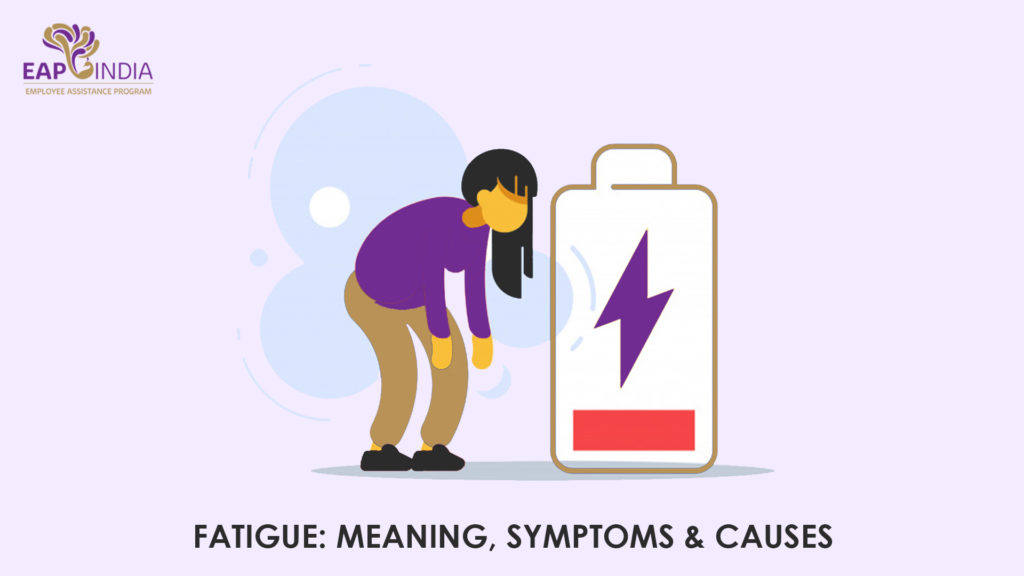
Meaning fatigue often stems from the pressure to be constantly productive, perfect, and perpetually happy. Embrace imperfection and practice self-compassion. Recognize that life is a journey with ups and downs, and that true meaning can be found even in challenges and periods of quiet reflection.
By actively engaging with these strategies, we can begin to dismantle the mechanisms that contribute to meaning fatigue and cultivate a life that is not just busy or successful by external standards, but truly rich, purposeful, and deeply fulfilling.
aViewFromTheCave is a participant in the Amazon Services LLC Associates Program, an affiliate advertising program designed to provide a means for sites to earn advertising fees by advertising and linking to Amazon.com. Amazon, the Amazon logo, AmazonSupply, and the AmazonSupply logo are trademarks of Amazon.com, Inc. or its affiliates. As an Amazon Associate we earn affiliate commissions from qualifying purchases.