
In the landscape of global sports commerce, “Red Ball Tennis” represents more than just a developmental stage for junior athletes; it is a sophisticated economic framework designed to maximize participation, optimize equipment sales, and ensure the long-term financial viability of the tennis industry. At its core, Red Ball Tennis is the first stage of the International Tennis Federation’s (ITF) “Tennis Play and Stay” campaign. However, from a business perspective, it serves as the primary acquisition funnel for a multi-billion dollar ecosystem encompassing equipment manufacturing, facility management, and professional coaching services.
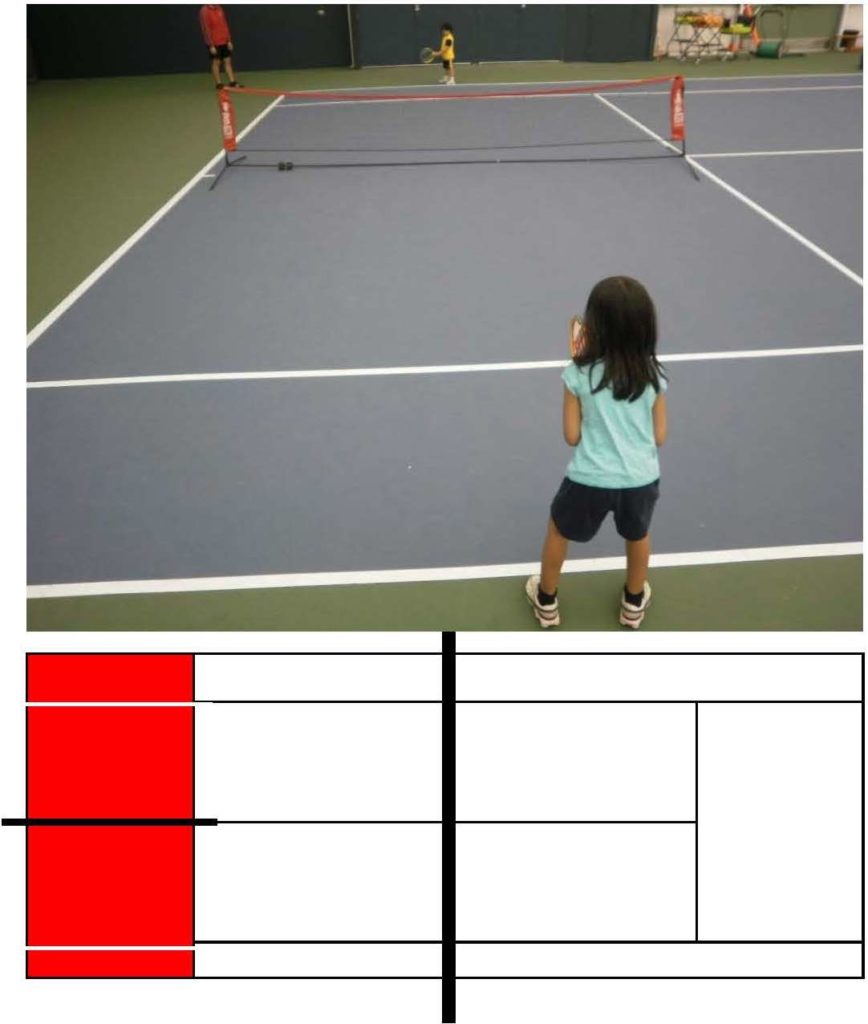
By scaling down the court size, the racket length, and the ball’s internal pressure, the industry has effectively lowered the barrier to entry, creating a massive market for “low-compression” products. This strategic pivot transformed tennis from a sport with a high churn rate among beginners into a structured, tiered progression model that captures consumer spending from as early as age five.
The Financial Architecture of the Red Ball Market
The transition to Red Ball Tennis was a calculated response to a stagnating market. Historically, tennis struggled with “beginner burnout,” where new players abandoned the sport due to the technical difficulty of using standard equipment. From an investment standpoint, high churn rates are catastrophic for long-term growth. The introduction of Red Ball Tennis solved this by creating a product specifically engineered for the physical and cognitive capabilities of young children, thereby stabilizing the “top of the funnel” for the entire industry.
The Engineering of Low-Compression Equipment
The “Red Ball” itself is the linchpin of this market. Larger than a standard yellow ball and approximately 75% slower, it is designed to bounce lower and stay within the hitting zone of a child. For manufacturers like Wilson, Head, and Babolat, this represented the opening of an entirely new SKU (Stock Keeping Unit) category. Unlike standard balls, which are pressurized and have a limited shelf life, many red balls are pressureless or use high-density foam. This change in manufacturing allows for longer inventory cycles and reduced shipping sensitivities, optimizing the supply chain for mass-market retailers.
Racket Categorization and Incremental Upgrades
In the Red Ball ecosystem, equipment is categorized by length—typically 19, 21, or 23 inches. This creates a built-in “forced upgrade” cycle. As a child grows, the previous equipment becomes obsolete, requiring parents to reinvest in new gear every 12 to 24 months. This incremental revenue stream is a cornerstone of the sporting goods sector, ensuring that the customer remains in a constant state of transaction throughout their developmental years.
Revenue Models for Academies and Facilities
For tennis clubs and municipal facilities, the Red Ball format changed the fundamental math of court profitability. In the traditional model, a single tennis court (roughly 2,800 square feet) could accommodate two to four players for a lesson. Red Ball Tennis utilizes a “cross-court” configuration, allowing a single standard court to be divided into four mini-courts.
Maximizing Revenue Per Square Foot
By dividing one court into four, a facility can increase its capacity from four students to sixteen or even twenty students simultaneously. If a club charges $25 per student for a group clinic, the gross revenue for a single court hour jumps from $100 to $400 or $500. This dramatic increase in revenue per square foot has made junior development programs the most profitable segment for many tennis centers, often subsidizing the less efficient “court rental” models used by adult members.
The Low-Barrier Entry as a Lead Magnet
Red Ball programs are frequently marketed as high-volume, low-cost entry points. By keeping the price of introductory classes competitive, clubs can acquire new families at a low cost. Once a child is enrolled in a Red Ball program, the facility has the opportunity to upsell them into private lessons, summer camps, and eventually, the more expensive Orange and Green ball tiers. This “staircase” pricing model is a classic example of tiered service delivery designed to maximize the lifetime value of each participant.
Manufacturing Dynamics and Global Supply Chains

The production of Red Ball equipment is a high-volume, low-margin business that relies on global economies of scale. Because red balls and junior rackets are often sold in bulk to schools and massive community programs, the manufacturing process must be highly efficient.
Material Science and Cost Management
The shift from felt-covered pressurized rubber to high-density foam (for “Stage 3” red balls) significantly alters the cost of goods sold (COGS). Foam balls are cheaper to produce and more durable, which increases the value proposition for the consumer while maintaining healthy margins for the producer. For rackets, the use of aluminum alloys instead of the expensive carbon fiber composites found in adult rackets allows manufacturers to hit price points that are palatable for “entry-level” parents while still capturing a significant share of the youth demographic.
The Role of Global Governing Bodies
The ITF and national associations like the USTA act as market-makers for this sector. By mandating the use of specific equipment for sanctioned tournaments and youth rankings, they effectively force consumer compliance. This regulatory environment creates a “moat” for established manufacturers who can afford the certification and testing required to label their products as “ITF Approved.”
Long-Term Customer Lifetime Value (CLV)
In the business of sports, the most valuable asset is a lifelong participant. Red Ball Tennis is the primary tool for securing the “Customer Lifetime Value” (CLV). If a child has a positive experience at age six using a red ball, the likelihood of them continuing into their teens and adulthood increases exponentially.
Brand Loyalty and Early Adoption
Major sports brands invest heavily in “pro-staff” programs and youth sponsorships not just to sell a $20 junior racket, but to build brand affinity. A child who learns to play using a Babolat Red Ball racket is significantly more likely to purchase a $250 Babolat Pure Aero when they reach the competitive yellow ball stage. This early-stage brand positioning is a defensive strategy against competitors, securing market share years before the consumer becomes a “high-value” spender.
Data Collection and Digital Integration
Modern Red Ball programs are increasingly integrated with digital tools. Apps that track progress, gamify drills, and manage tournament registrations provide a wealth of data to organizations. This data allows for targeted marketing, enabling brands to serve ads for the “next size up” racket exactly when a child is outgrowing their current one. The digitization of the Red Ball experience transforms a physical activity into a trackable consumer journey.
Investment Risks and Market Forecasts
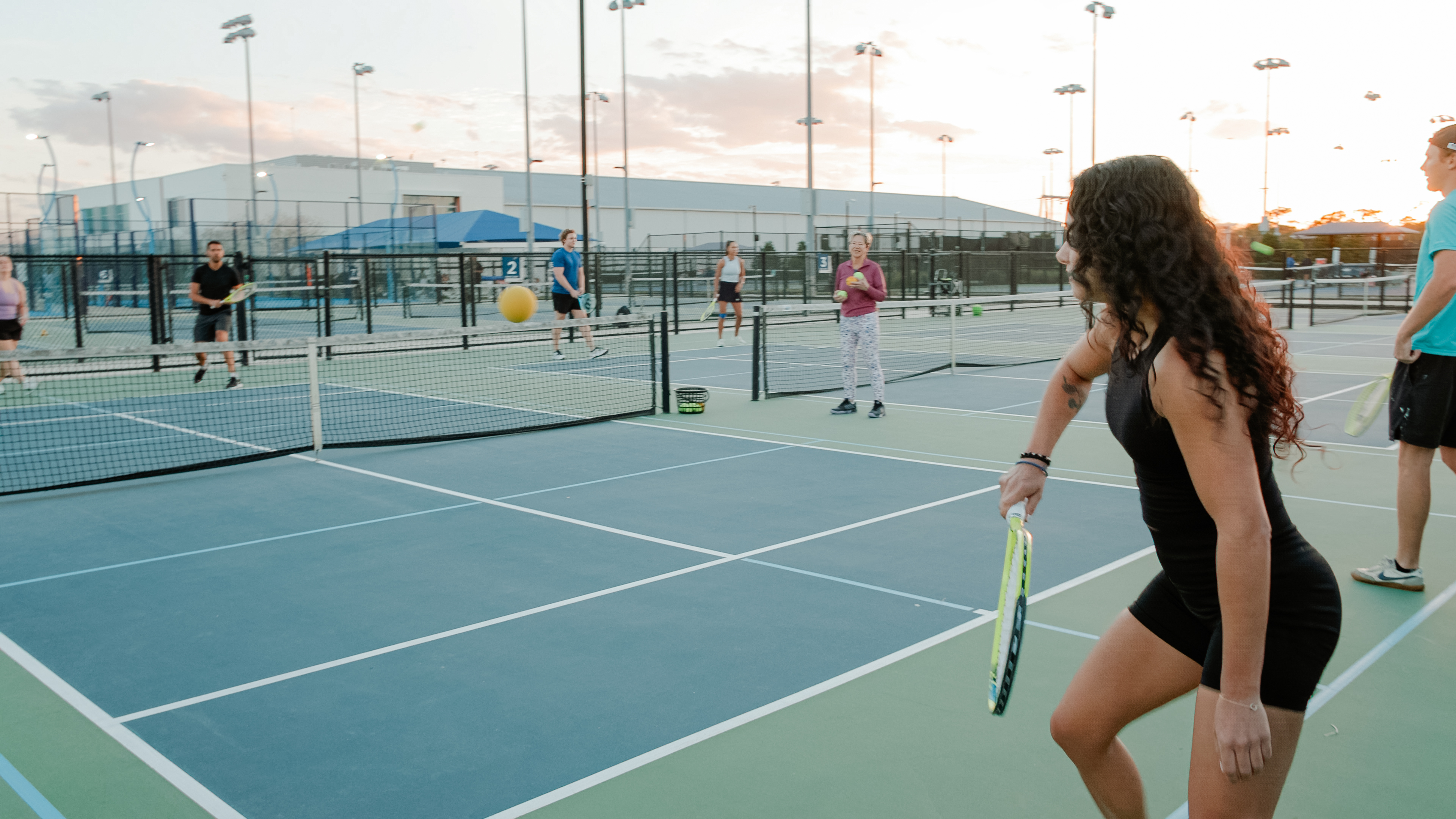
While the Red Ball segment is currently robust, it faces several economic headwinds. The rising cost of real estate makes the maintenance of large tennis facilities challenging in urban areas, leading to a shift toward “pop-up” Red Ball courts in multi-purpose spaces. Furthermore, the rise of alternative “entry-level” sports like pickleball—which utilizes a similar court size—presents a significant competitive threat to the tennis market share.
Market Diversification
To combat these risks, savvy investors are diversifying their portfolios to include multi-sport facilities that can pivot between Red Ball Tennis and other paddle sports. This flexibility ensures that the infrastructure remains profitable regardless of which specific sport is trending. Additionally, the expansion of Red Ball Tennis into emerging markets—particularly China and India—represents a massive growth lever. As the middle class expands in these regions, the demand for structured, “prestigious” youth sports like tennis is expected to skyrocket.
The Sustainability Factor
There is also a growing movement toward the “circular economy” in tennis equipment. As parents become more environmentally conscious, the market for “recyclable” or more durable red balls is expanding. Companies that can innovate in the materials space—creating balls that don’t end up in landfills after a single season—will likely capture a premium segment of the market in the coming decade.
Conclusion: The Strategic Importance of the Smallest Ball
Red Ball Tennis is the foundation of the modern tennis economy. It is a masterclass in market segmentation, where every technical adjustment—from the bounce of the ball to the length of the racket—is aligned with a specific business objective. By making the sport accessible to the youngest demographic, the industry has secured its future, creating a sustainable cycle of participation and consumption. For the business professional, Red Ball Tennis serves as a reminder that market growth often comes from scaling down, simplifying the product, and focusing on the long-term retention of the entry-level consumer. Whether viewed through the lens of manufacturing, facility management, or brand strategy, the “red stage” is the most critical phase in the financial lifecycle of the sport.
aViewFromTheCave is a participant in the Amazon Services LLC Associates Program, an affiliate advertising program designed to provide a means for sites to earn advertising fees by advertising and linking to Amazon.com. Amazon, the Amazon logo, AmazonSupply, and the AmazonSupply logo are trademarks of Amazon.com, Inc. or its affiliates. As an Amazon Associate we earn affiliate commissions from qualifying purchases.