
In the traditional landscape of high-end fashion, luxury was defined by scarcity, virgin materials, and an untouchable supply chain. However, as global consumer sentiment shifts toward environmental accountability, the definition of luxury is undergoing a radical transformation. At the heart of this shift is recycled cashmere—a material that once existed on the fringes of the textile industry but has now become a cornerstone of modern brand strategy. For a brand to thrive in the current market, “what is recycled cashmere” is no longer just a technical question about fibers; it is a question of corporate identity, marketing narrative, and long-term viability in a circular economy.

The Strategic Shift: Why Luxury Brands Are Embracing Recycled Fibers
The adoption of recycled cashmere represents a pivot from the traditional linear “take-make-waste” model to a circular one. This transition is not merely an ethical choice; it is a strategic maneuver designed to protect brand equity in an era where “greenwashing” is a significant liability.
From Linear to Circular Models
For decades, the prestige of cashmere was tied to the length and fineness of virgin goat hair sourced from specific regions like Inner Mongolia. However, the environmental cost of this production—including overgrazing, desertification, and high water usage—has become a threat to the very regions that supply the material. Brands that rely on virgin cashmere face a precarious future regarding supply chain stability.
By integrating recycled cashmere, brands are diversifying their material sourcing. Recycled cashmere, often referred to as regenerated cashmere, is created by breaking down existing garments or textile scraps and re-spinning them into new yarn. This allows a brand to maintain its aesthetic of softness and warmth while significantly reducing its environmental footprint. From a brand strategy perspective, this circularity functions as a hedge against resource scarcity and a proof of concept for innovative design.
Meeting the Values of the Conscious Consumer
The modern luxury consumer—particularly within the Millennial and Gen Z demographics—prioritizes transparency and ethics. They are less impressed by the “newness” of a product and more invested in its “provenance.” For these consumers, a brand that utilizes recycled cashmere is communicating a sophisticated understanding of global challenges. It positions the brand not just as a seller of goods, but as a steward of resources. This builds a deeper, values-based loyalty that transcends the seasonal trend cycle.
Understanding the Material: Defining Recycled Cashmere within the Supply Chain
To market recycled cashmere effectively, a brand must first master the technical nuances of the material. There is a common misconception that recycled means inferior. In a branding context, reframing this perception is critical.
Pre-consumer vs. Post-consumer Waste
Recycled cashmere is generally categorized into two streams: pre-consumer and post-consumer waste.
- Pre-consumer waste consists of factory off-cuts, yarn scraps, and overstock that never reached the customer. For a brand, utilizing pre-consumer waste is an exercise in operational efficiency—it signals to stakeholders that the company is optimizing its manufacturing process to eliminate internal waste.
- Post-consumer waste involves garments that have been worn and discarded by consumers. This stream is more challenging to process but offers a more compelling brand story regarding the “second life” of a product. It allows brands to implement take-back programs, creating a closed-loop system that keeps the customer engaged with the brand long after the initial purchase.
The Mechanics of Regeneration
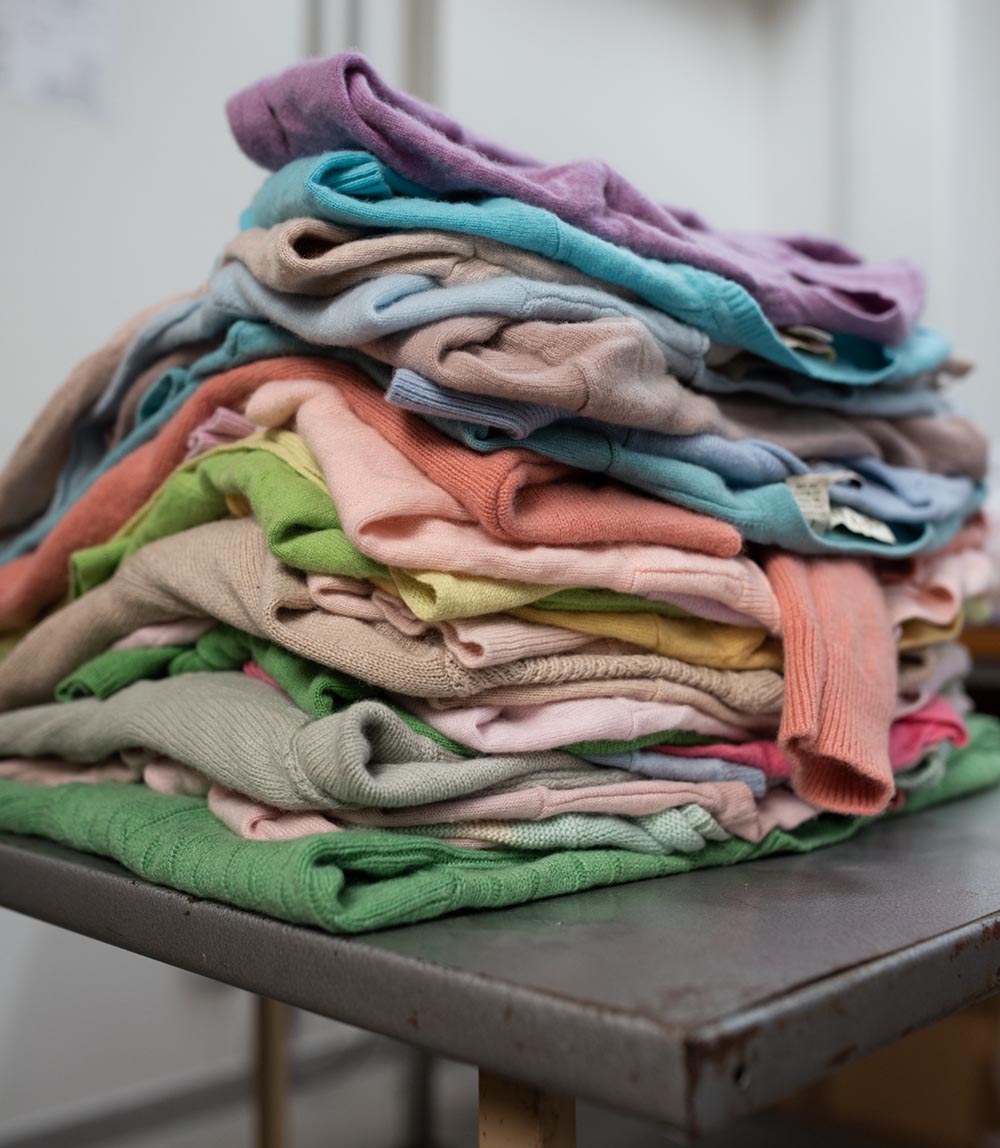
The process of creating recycled cashmere involves sorting by color to minimize the need for re-dyeing, which further reduces chemical and water usage. The garments are shredded mechanically, which can shorten the fiber length. To maintain the structural integrity and the “hand-feel” that customers expect from luxury goods, many brands blend recycled fibers with a small percentage of virgin cashmere or organic wool.
From a marketing standpoint, this blend is often presented as an “engineering feat.” Rather than hiding the fact that the fiber is recycled, brands are highlighting the craftsmanship required to make recycled materials feel indistinguishable from virgin ones. This elevates the product from a simple sweater to a piece of high-tech textile innovation.
Building a Brand Narrative Around Circularity
In the world of branding, the story is often as important as the product itself. Recycled cashmere provides a rich tapestry for storytelling, allowing brands to move away from generic marketing and toward high-impact, mission-driven narratives.
Transparency as a Marketing Asset
The “black box” of the fashion supply chain is being dismantled. Brands that use recycled cashmere often leverage certifications like the Global Recycled Standard (GRS) to provide third-party verification of their claims. This transparency becomes a competitive advantage. When a brand can pinpoint exactly where its recycled fibers originated—be it from a sorting facility in Prato, Italy, or a proprietary take-back scheme—it builds a level of trust that virgin-only brands struggle to match.
Overcoming the “Second-Hand” Stigma
Historically, recycled materials carried a stigma of being “second-best” or “cheap.” Luxury branding has turned this on its head. High-end labels now market recycled cashmere as “reclaimed luxury” or “curated fibers.” They emphasize the heritage of the material, suggesting that the fibers have a history and a soul. By framing recycling as a process of “elevation” rather than “downgrading,” brands have successfully maintained high price points for recycled collections, often matching or even exceeding the price of virgin counterparts.
Case Studies: Brands Leading the Recycled Cashmere Revolution
Several industry leaders have successfully integrated recycled cashmere into their core brand identity, providing a blueprint for others to follow.
The Pioneer Model: Patagonia and Stella McCartney
Patagonia was one of the first major brands to mainstream recycled wool and cashmere, using its “Worn Wear” initiative to normalize the idea of repaired and recycled goods. Their brand strategy is rooted in activism; for them, recycled cashmere is a tool for environmental advocacy.
Similarly, Stella McCartney has been a vocal proponent of “Re-Verso” cashmere, a circular system developed in Italy. By focusing on the luxury applications of recycled fibers, McCartney has proven that sustainability does not require a sacrifice in glamour. Her brand strategy centers on the idea that “cruelty-free” and “earth-friendly” are the ultimate expressions of modern elegance.
The Italian Tradition: Prato’s Rebirth
The city of Prato in Italy has become a focal point for brand stories revolving around heritage and innovation. Prato has been recycling wool and cashmere for centuries, but only recently has this “cenciaioli” (rag-man) tradition been recognized as a global model for sustainability. Luxury brands now proudly advertise their partnership with Prato-based mills, utilizing the region’s historical expertise to add a layer of “made in Italy” prestige to their recycled lines. This blend of ancient craftsmanship and modern sustainability is a potent branding tool.
The Future of Brand Longevity: Beyond the Hype
As recycled cashmere moves from a niche offering to a standard expectation, brands must look toward the next phase of evolution to stay ahead. The focus is shifting from simply “using” recycled materials to “managing” the entire lifecycle of the fiber.
Navigating Greenwashing and Certifications
As the market for recycled goods grows, so does the scrutiny. Brands that make vague claims about “sustainable blends” without providing data are increasingly being called out by consumers and regulators. To maintain brand integrity, companies are investing in digital passports and blockchain technology to track fibers from the recycling center to the retail floor. This level of data-backed branding is becoming the new gold standard.
The Role of Digital IDs and Traceability
The future of recycled cashmere branding lies in the “Digital Product Passport.” By scanning a QR code on a label, a customer can see the history of the fibers, the environmental savings (in terms of liters of water and kilograms of CO2), and instructions on how to return the garment for recycling once it reaches the end of its life.
This creates a continuous loop of engagement. The brand-customer relationship is no longer a one-time transaction; it is a partnership in a larger movement. This shift from consumerism to “user-ship” is the ultimate goal of a modern brand strategy. By embracing recycled cashmere, brands are not just selling a material—they are selling a vision of a world where luxury and responsibility are one and the same.
In conclusion, “what is recycled cashmere” is a question that sits at the intersection of design, ethics, and business. For the forward-thinking brand, it is an opportunity to redefine what it means to be a luxury leader in the 21st century. Through transparency, innovation, and strategic storytelling, recycled cashmere has become much more than a recycled fiber; it has become the fabric of the future brand identity.
aViewFromTheCave is a participant in the Amazon Services LLC Associates Program, an affiliate advertising program designed to provide a means for sites to earn advertising fees by advertising and linking to Amazon.com. Amazon, the Amazon logo, AmazonSupply, and the AmazonSupply logo are trademarks of Amazon.com, Inc. or its affiliates. As an Amazon Associate we earn affiliate commissions from qualifying purchases.