
In the global marketplace, the word “authentic” is often tossed around as a buzzword, yet few products exemplify the tension between authenticity and mass-market imitation quite like wasabi. To the average consumer, wasabi is the pungent, neon-green paste served alongside sushi—a condiment that provides a sharp, sinus-clearing heat. However, in the world of brand strategy and corporate identity, what most people identify as “wasabi” is one of the most successful, albeit deceptive, branding pivots in history.
Real wasabi, or Wasabia japonica, is a finicky, semi-aquatic plant that is notoriously difficult to cultivate. Because of its scarcity and high production costs, approximately 95% of the “wasabi” consumed globally is actually a mixture of horseradish, mustard flour, and green food coloring. This discrepancy creates a fascinating case study in brand perception: how a substitute can become the category standard, and what happens to a brand’s value when the “real” version of the product is hidden behind a wall of high-cost exclusivity.
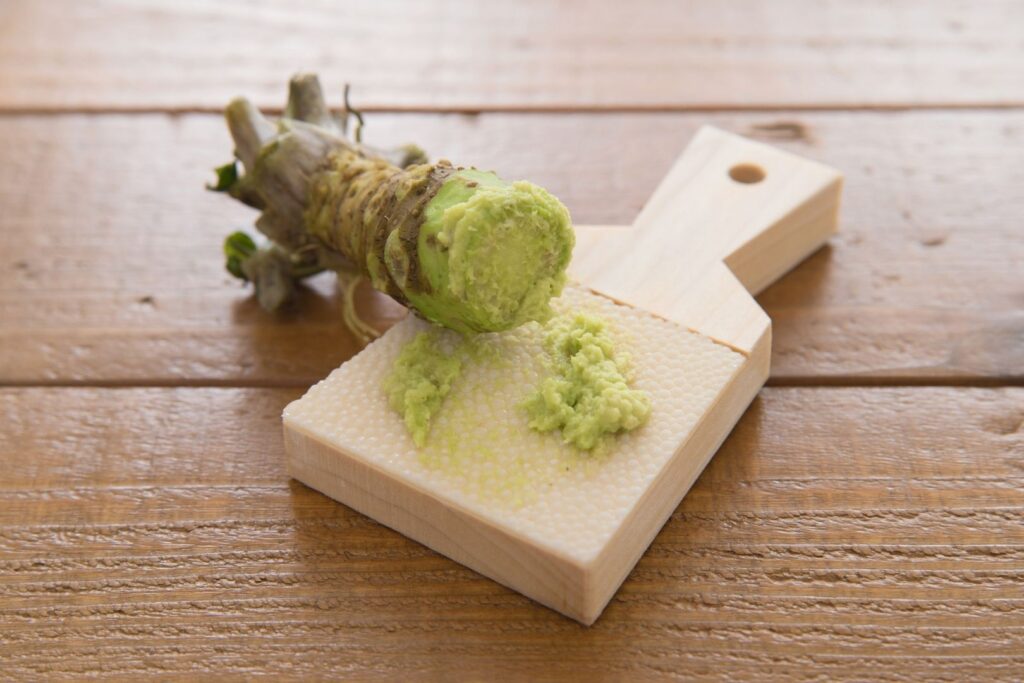
The Great Brand Deception: When the Substitute Defines the Category
The branding of wasabi is a perfect example of what happens when a product’s identity is hijacked by its own convenience. From a marketing perspective, horseradish is an “analog” product—it mimics the chemical profile of real wasabi (specifically the allyl isothiocyanate) at a fraction of the cost. Over decades, the food industry has successfully rebranded horseradish-based paste as “wasabi,” to the point where the majority of consumers would likely find the flavor of the real root unfamiliar or “wrong.”
The Commoditization of the Mimic
When a brand or product category becomes commoditized, the primary differentiator becomes price rather than quality. Horseradish-based wasabi is a triumph of commoditization. It is shelf-stable, cheap to produce, and easy to distribute. By branding this mixture as “wasabi,” manufacturers created a global expectation for a specific type of sensory experience. This is a common strategy in brand development: if you cannot own the premium space, you redefine the category so that your accessible version becomes the benchmark for the masses. This “mimicry branding” allows companies to leverage the prestige of a luxury item (real wasabi) while operating with the margins of a mass-market commodity.
The Psychology of ‘Good Enough’ Branding
For most businesses, the “Real Wasabi” problem highlights the “Good Enough” trap. In many sectors, brands find that consumers are unwilling to pay the premium for true authenticity if a functional equivalent exists. The challenge for a brand strategist is to determine whether the pursuit of the “real” provides enough added value to justify the cost. In the case of the green paste, the branding is so powerful that it has effectively erased the original product from the public consciousness, creating a disconnect between the brand name and the biological reality.
The Architecture of Scarcity: How Wasabia Japonica Maintains Its Luxury Status
If the green paste represents mass-market branding, the actual Wasabia japonica rhizome represents the pinnacle of luxury brand positioning. Real wasabi is one of the most expensive crops in the world, often retailing for $250 or more per kilogram. Its brand identity is built entirely on the pillars of scarcity, craftsmanship, and a high barrier to entry.
Supply Chain as Brand Moat
In business, a “moat” is a competitive advantage that protects a company from rivals. For producers of real wasabi, the moat is the environment. The plant requires cool, mountain stream water, specific shade conditions, and a growth cycle that can last up to two years. Unlike the horseradish substitute, real wasabi cannot be scaled infinitely. This physical limitation creates a natural “Luxury of Scarcity.”
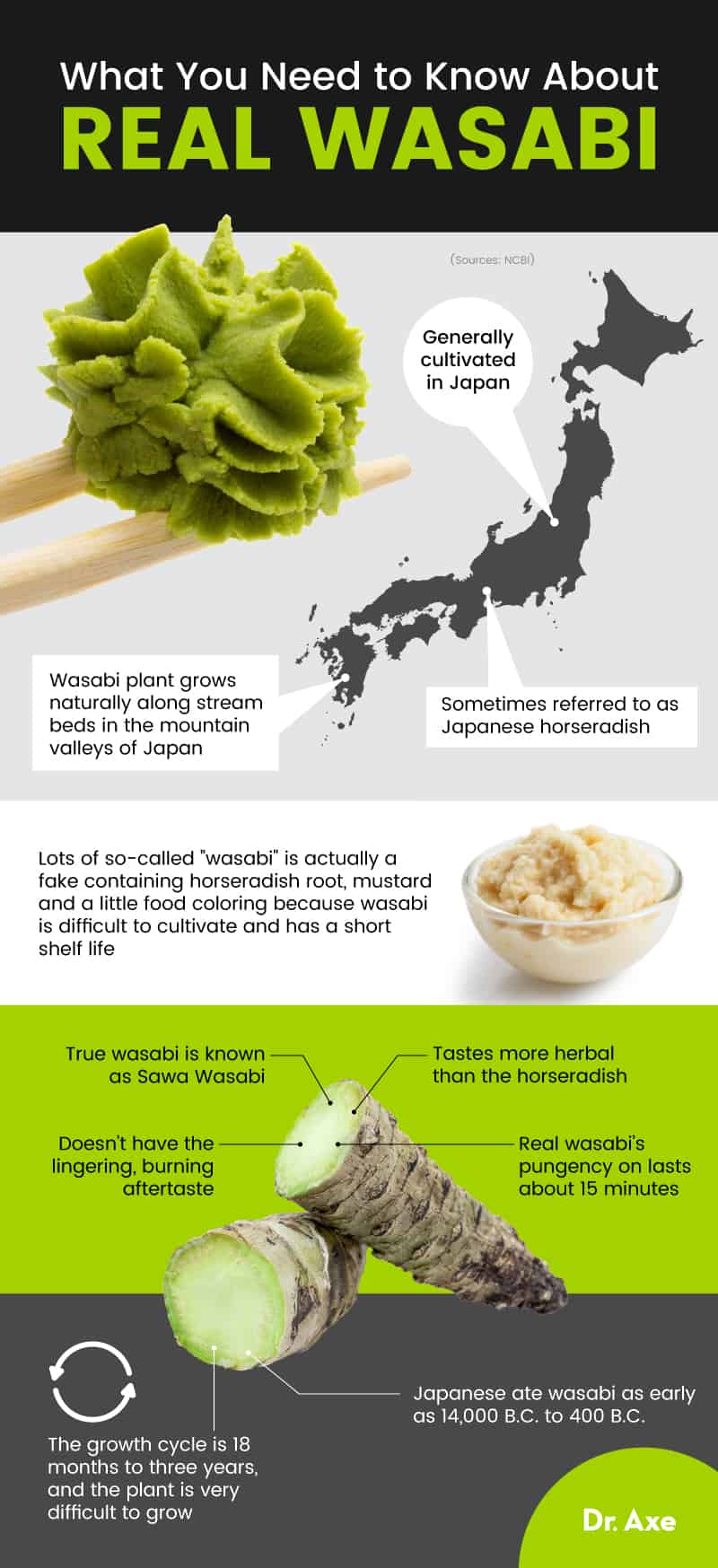
From a brand strategy perspective, this scarcity is an asset. It allows real wasabi to remain a “Veblen good”—a product for which demand increases as the price increases, because it serves as a status symbol. High-end restaurants use real wasabi not just for its complex, herbal, and sweet-heat flavor profile, but because its presence signals a brand commitment to uncompromising quality. It is a “credence attribute”—a quality that the consumer cannot always perceive immediately but trusts based on the brand’s reputation.
The High Barrier to Entry
The difficulty of cultivation serves as a filter that keeps the market from being flooded with competitors. In any industry, a high barrier to entry is the strongest protection for a premium brand identity. When a product is difficult to make, difficult to source, and difficult to maintain, the brand inherently possesses a “proof of work” that low-cost competitors cannot replicate. Real wasabi brands do not compete on price; they compete on the narrative of their struggle against the elements to produce a pure product.
Authenticity as a Strategic Asset: Bridging the Credibility Gap
For modern brands, the “Wasabi Gap”—the space between what the product is and what the customer thinks it is—represents a significant risk. In an era of radical transparency, consumers are increasingly looking for the “root” of the brands they support. The discovery that a brand has been selling a “horseradish version” of its values can lead to a total collapse of brand equity.
Transparency vs. Marketability
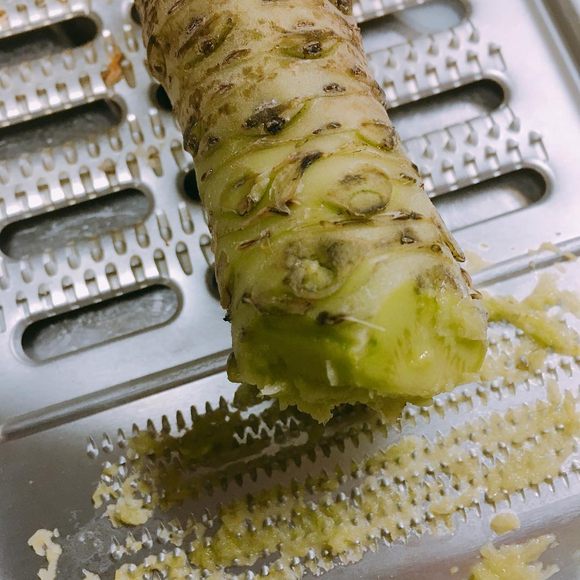
The lesson for corporate identity is clear: if you are selling a substitute, be transparent, or risk the backlash of the “authenticity hunt.” Some brands have successfully navigated this by leaning into the “style” of their product rather than claiming a false origin. However, the most successful premium brands are those that lean into their “Real Wasabi” status. They document their process, they highlight their origins, and they use their “flaws”—such as the fact that real wasabi loses its flavor within 15 minutes of being grated—as a sign of its high-status authenticity.
Educating the Consumer: The Content Strategy of Truth
One of the most effective ways to build a brand around an authentic product is through education. Real wasabi producers and high-end distributors use content marketing to teach consumers how to distinguish the real from the fake. By shifting the consumer’s “Value Lens,” they transform what was once an invisible difference into a critical purchasing factor. This is a common tactic in the craft beer, specialty coffee, and luxury watch industries. By educating the market, you create a more discerning customer base that is loyal to your brand because they finally understand why it is superior.
Applying the Wasabi Principle to Modern Brand Strategy
The “Wasabi Principle” can be summarized as follows: A brand must choose whether it will be the ubiquitous substitute or the rare original. Both are viable business models, but they require entirely different marketing architectures and corporate identities.
Finding Your ‘Root’ in a Surface-Level Market
For a brand to achieve “Real Wasabi” status, it must identify its unique “rhizome”—the core, difficult-to-replicate value that it brings to the market. This might be a proprietary technology, a unique service model, or an uncompromising ethical stance. In a world of “green paste” competitors who offer quick fixes and cheap imitations, the brand that stands by its slow-growing, high-maintenance “root” will eventually attract the highest-value clients.
To implement this, a brand should focus on:
- The Origin Story: Where does the product come from, and why is that origin essential?
- The Complexity of Process: Show the work. If it’s hard to do, that’s a selling point, not a weakness.
- The Sensory Signature: What is the unique experience that only the “real” version can provide? For wasabi, it is the nuanced, vegetal sweetness. For a software brand, it might be a cleaner UX or a more robust security protocol.
The ROI of Being Genuine
While the “horseradish” approach offers immediate scale and high volume, the “Real Wasabi” approach offers long-term brand resilience. Authentic brands command higher margins, foster deeper customer loyalty, and are less susceptible to price wars. In the end, what is real wasabi? It is more than just a plant; it is a testament to the power of authenticity in a world of imitations. Whether you are building a personal brand or a global corporation, the goal should be to offer something so genuine that, once the customer experiences the real thing, the substitute is no longer an option.
aViewFromTheCave is a participant in the Amazon Services LLC Associates Program, an affiliate advertising program designed to provide a means for sites to earn advertising fees by advertising and linking to Amazon.com. Amazon, the Amazon logo, AmazonSupply, and the AmazonSupply logo are trademarks of Amazon.com, Inc. or its affiliates. As an Amazon Associate we earn affiliate commissions from qualifying purchases.