
In an increasingly interconnected world, the mechanisms for verifying identity are paramount, especially within the realm of digital security and physical access control. The Real ID Act, enacted in 2005, represents a significant legislative response to the challenges of ensuring secure identification in the wake of evolving threats. While often perceived merely as an enhanced driver’s license, the Real ID is far more than a simple document; it is a critical component within a broader technological and security framework designed to safeguard critical infrastructure, streamline secure travel, and reinforce national security. This article delves into the core uses of Real ID, examining its place within the digital security landscape, the technologies it underpins, and its implications for future identity verification systems.
The Genesis of Real ID: A Foundation for Enhanced Security
The creation of the Real ID standard was a direct consequence of the vulnerabilities exposed by the September 11, 2001, terrorist attacks. Investigators discovered that several of the hijackers had obtained state driver’s licenses from various states, sometimes fraudulently. This revelation highlighted a critical weakness in the national identification system: a lack of uniform security standards for state-issued identification documents. The Real ID Act sought to rectify this by establishing minimum security standards for state-issued driver’s licenses and identification cards, aligning these physical documents with national security objectives.
Post-9/11 Imperatives and the REAL ID Act
The REAL ID Act transformed the way states issue identification documents by mandating stricter requirements for proof of identity and residency. Prior to the Act, the varying security features and issuance standards across states created loopholes that could be exploited. The federal government, through the Department of Homeland Security (DHS), stipulated that federal agencies would no longer accept driver’s licenses and state IDs from states that did not meet these new standards for specific federal purposes. This legislative push was not merely about creating a “national ID card,” but rather about fortifying the existing state-issued identification system to meet a baseline of security and reliability essential for national defense and public safety. It effectively raised the bar for what constitutes a trustworthy government-issued identity document in the digital age, where the authenticity of a physical ID can be leveraged for digital access or verification.
Standardizing Identity: Beyond Traditional Documents
The core philosophy behind Real ID is standardization—a critical concept in any robust security system. By requiring states to adopt uniform practices for document design, materials, and verification of applicant data, Real ID aims to create a more secure and interoperable identification ecosystem. This standardization extends beyond the physical characteristics of the card itself to the underlying processes of identity verification, record-keeping, and data management. In a world increasingly reliant on digital authentication and secure data exchange, ensuring that the foundational physical identity document adheres to rigorous, common standards is a prerequisite for building reliable digital security frameworks. It provides a common, trusted reference point that digital systems can then verify against, reducing the potential for fraudulent digital identities to be linked to legitimate-seeming physical ones.
Real ID as a Cornerstone of Physical and Digital Access Control
The primary uses of Real ID directly relate to enhancing security at critical access points, serving as a foundational element for both physical and, increasingly, digital access control systems. Its application in these domains underscores its role as a key technology enabler in modern security infrastructure.
Secure Air Travel: Verifying Identity at the Gate
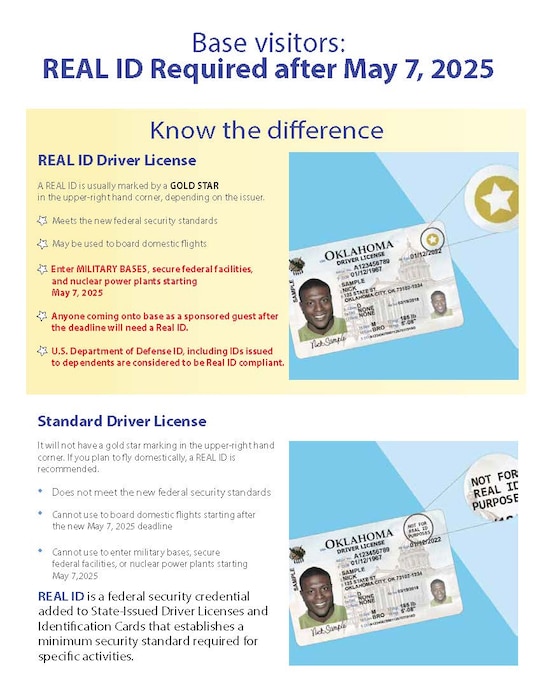
Perhaps the most recognized use of Real ID is for domestic air travel. Since the enforcement date, individuals 18 years and older are required to present a Real ID-compliant driver’s license or state ID (or another acceptable form of identification like a U.S. passport) to fly within the United States. This requirement is a direct measure to enhance aviation security. At airport security checkpoints, TSA agents use advanced screening technologies and protocols to verify the authenticity of identity documents. A Real ID-compliant card, with its standardized security features, allows for more efficient and reliable verification, reducing the risk of individuals using fraudulent identification to bypass security. This is not just about checking a card; it’s about integrating the physical ID into a broader system of secure access, often involving digital databases and facial recognition technologies to cross-reference traveler information.
Federal Facility Access: Protecting Sensitive Environments
Real ID is also mandated for accessing certain federal facilities, including federal courthouses, military bases, and other government buildings that require stricter security protocols. These facilities often house sensitive information, critical infrastructure components, or personnel involved in national security. The requirement for a Real ID-compliant document ensures that only individuals whose identity has been verified to a federal standard can gain entry. This enhances the physical security perimeter and prevents unauthorized access to sensitive areas, playing a vital role in safeguarding national assets. For contractors or frequent visitors, Real ID simplifies the process of gaining clearance, as the document itself signifies a baseline level of identity trustworthiness.
Nuclear Power Plants: High-Security Clearance Requirements
Among the most critical infrastructure elements are nuclear power plants, which present unique security challenges due to the potential for catastrophic consequences in the event of a security breach. Access to these facilities is extremely restricted, and Real ID serves as a mandatory form of identification for entry. This stringent requirement highlights the document’s role in verifying the identity of individuals seeking access to environments of the highest security concern. The underlying premise is that a Real ID-compliant document represents a verified identity that has passed a rigorous state issuance process, making it a reliable credential for entry into areas where national security and public safety are paramount.
Integration with Digital Verification Systems
Beyond its physical presentation, the Real ID concept implicitly supports the integration with digital verification systems. The standardized data fields and security features (like holograms, specific fonts, and embedded information) make Real ID cards amenable to automated scanning and database lookups. Airport security systems, for instance, can quickly scan a Real ID to extract information and cross-reference it with passenger manifests or watchlists. This leverages technology to speed up verification while enhancing accuracy, directly impacting digital security by ensuring that the physical identity presented aligns with digital records. It lays groundwork for secure, machine-readable identity verification.
The Technological Underpinnings of Real ID Verification
The effectiveness of Real ID in enhancing security is deeply rooted in the technological advancements embedded within the document itself and the systems used to verify it. Far from being a mere piece of plastic, a Real ID card is a miniature marvel of digital security engineering.
Secure Document Features: Anti-Counterfeiting Tech

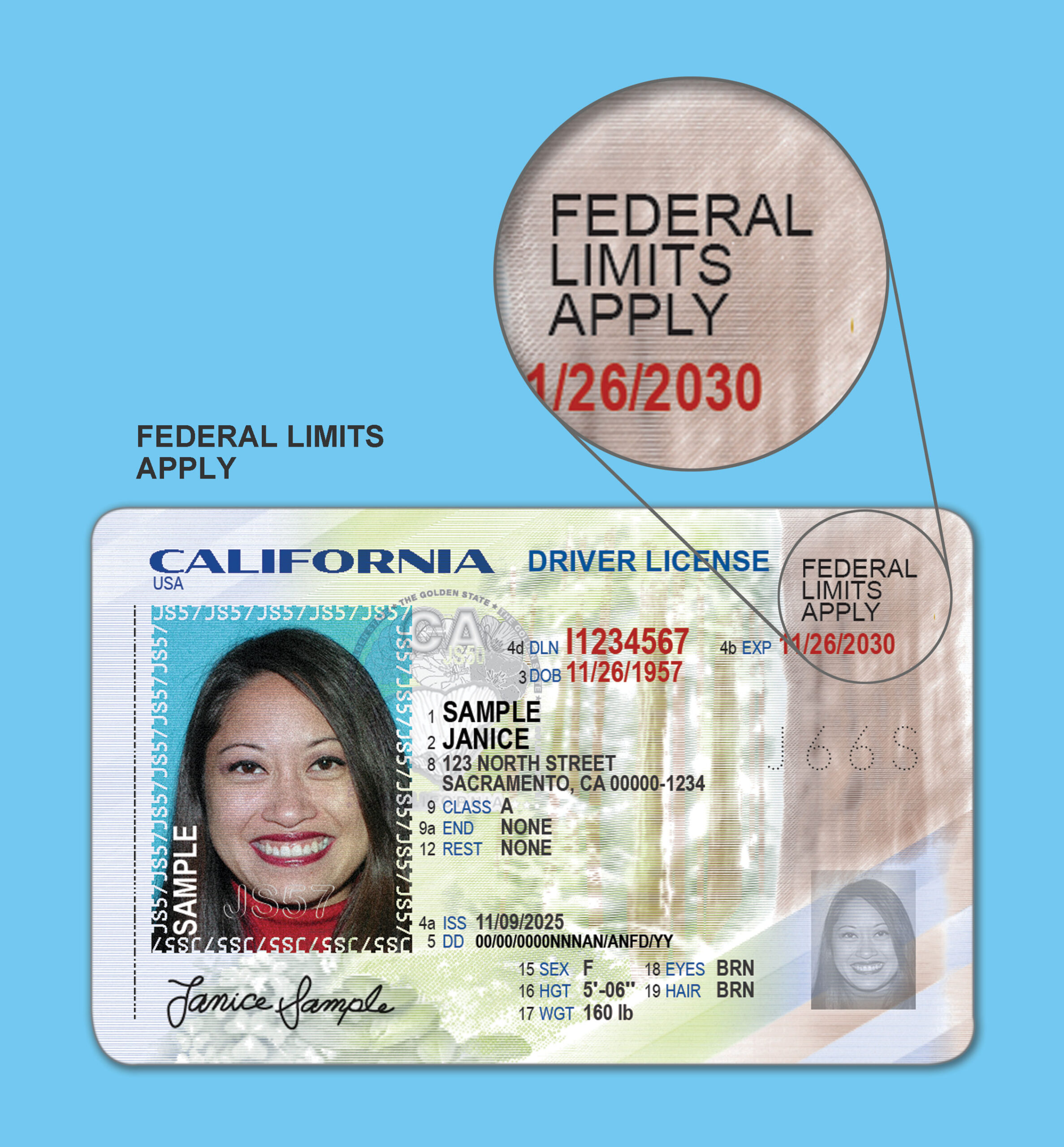
Real ID-compliant cards incorporate a range of advanced anti-counterfeiting technologies. These include optical variable devices (OVDs) like holograms that change appearance when tilted, microprinting that is difficult to replicate without specialized equipment, laser-engraved personal data, and unique security patterns. Many cards also feature tactile elements and UV-sensitive inks that reveal hidden designs under ultraviolet light. These features are designed to deter fraud and make it extremely difficult to create convincing fake IDs, acting as a first line of digital security defense by making the physical document itself highly resistant to tampering and replication. The presence of these features allows for quick visual and automated verification using specialized scanning devices.
Database Integration and Data Exchange Protocols
A crucial aspect of Real ID’s security framework is its reliance on robust database integration and secure data exchange protocols. When a Real ID is issued, the applicant’s identity and residency documents are verified against state and federal databases. This involves real-time checks and secure data transfers between government agencies. For verification purposes, such as at an airport, the scanned data from a Real ID can be quickly cross-referenced with various government databases to confirm its authenticity and the cardholder’s identity. This intricate network of data sharing is governed by strict security protocols to protect personal information while ensuring that legitimate verification checks can occur efficiently and securely. This interplay between physical document and digital data is a cornerstone of modern digital identity management.
Biometric Potential: A Glimpse into Future Verification
While not a standard feature on all Real ID cards currently, the framework of standardized, secure identity documents opens the door to future integration with biometric verification technologies. As facial recognition, fingerprint scanning, and iris recognition technologies become more sophisticated and widely adopted, Real ID could serve as the secure baseline identity against which biometric data is compared. Imagine a future where a Real ID-compliant card, when scanned, instantly triggers a biometric match, offering a seamless and highly secure verification process. This potential for integration positions Real ID as a foundational element for the next generation of highly secure, technologically advanced identity systems.
The Role of AI and Machine Learning in Fraud Detection
The sheer volume of identification checks, coupled with the increasing sophistication of fraudulent attempts, makes Artificial Intelligence (AI) and Machine Learning (ML) invaluable tools in Real ID verification. AI algorithms can be trained to recognize subtle inconsistencies in document features, detect patterns indicative of fraud, and even analyze behavioral cues during the verification process. ML models can continuously learn from new fraud tactics, adapting and improving their detection capabilities over time. From analyzing the pixel structure of a scanned ID to identifying discrepancies in the data presented, AI and ML enhance the human element of security screening, making the Real ID system more resilient against evolving threats and bolstering the overall digital security posture.
Challenges and the Evolving Landscape of Digital Identity
Despite its critical role, Real ID navigates a complex landscape filled with challenges, particularly as the concept of “digital identity” continues to evolve rapidly.
Privacy Concerns vs. Security Needs
One of the most significant debates surrounding Real ID has been the tension between individual privacy and national security. Critics have raised concerns about the potential for a de facto national identity card, the centralization of personal data, and the implications for surveillance. While DHS has repeatedly stated that Real ID is not a national ID and does not create a federal database, the underlying requirement for standardized data collection and verification processes raises legitimate questions about data security, access, and the potential for misuse. Balancing the imperative to enhance security with the fundamental right to privacy remains a persistent challenge that technology must continually address through secure data architectures and transparent policies.
Interoperability and Cross-Jurisdictional Challenges
Although Real ID aims for standardization, achieving seamless interoperability across all 50 states and various federal agencies presents ongoing technological and logistical hurdles. Differences in state-level database systems, legacy infrastructure, and varying interpretations of implementation guidelines can create friction points. Ensuring that all systems can effectively communicate and verify Real ID data securely and efficiently requires continuous investment in standardized protocols, API development, and robust cybersecurity measures. This is a common challenge in large-scale digital security deployments, where diverse systems must integrate to form a cohesive whole.
The Shift Towards Mobile and Digital ID Solutions
The future of identity is increasingly digital, with a growing trend towards mobile driver’s licenses (mDLs) and other forms of digital identification stored on smartphones. Many states are exploring or piloting mDL programs, which leverage advanced cryptography and blockchain-like technologies to provide secure, verifiable digital credentials. Real ID, as a physical document, will need to adapt to this evolving landscape. The challenge lies in integrating the established security principles of Real ID with the dynamic, digital-first approach of mDLs, ensuring that digital versions maintain the same level of trust and verifiability. This will require developing secure digital issuance frameworks and robust authentication technologies that can bridge the physical and digital divide seamlessly.
Beyond Compliance: Real ID’s Broader Impact on a Secure Digital Ecosystem
Real ID’s influence extends beyond mere compliance, shaping broader trends in digital security and identity management.
Fostering Trust in Digital Interactions
By establishing a higher standard for physical identity verification, Real ID indirectly fosters greater trust in digital interactions that rely on linking a digital persona to a verified physical identity. For example, online services that require identity verification often ask for a photo of a government-issued ID. When that ID is Real ID-compliant, the digital service has a higher degree of confidence in the authenticity of the identity being presented, thereby improving overall digital trust and security for transactions like opening bank accounts, accessing healthcare records, or engaging in secure online commerce.
Laying the Groundwork for Future Secure Identification Technologies
The principles and infrastructure established by the Real ID Act—namely, rigorous identity verification, secure document production, and standardized data management—create a foundational layer for future secure identification technologies. As we move towards more advanced forms of digital identity, decentralized identity systems, and privacy-enhancing authentication methods, the lessons learned from Real ID’s implementation will be invaluable. It provides a blueprint for how complex, multi-stakeholder identity systems can be designed, deployed, and managed, ensuring that future innovations in digital identity remain robust, secure, and trustworthy in protecting individuals and national interests.
In conclusion, Real ID is much more than a document required for air travel; it is a critical component within the architecture of modern digital security and access control. By standardizing identity verification, fortifying physical documents with advanced anti-counterfeiting technology, and facilitating integration with digital systems, Real ID plays an indispensable role in safeguarding our physical spaces and contributing to a more secure digital ecosystem. As technology continues to evolve, Real ID will remain a benchmark for robust identity management, influencing the ongoing development of secure and trustworthy identification solutions for the digital age.
aViewFromTheCave is a participant in the Amazon Services LLC Associates Program, an affiliate advertising program designed to provide a means for sites to earn advertising fees by advertising and linking to Amazon.com. Amazon, the Amazon logo, AmazonSupply, and the AmazonSupply logo are trademarks of Amazon.com, Inc. or its affiliates. As an Amazon Associate we earn affiliate commissions from qualifying purchases.