
Real estate wholesaling is a strategic and often lucrative investment approach that allows individuals to profit from property transactions without ever taking ownership of the property itself. At its core, wholesaling involves identifying distressed or undervalued properties, securing them under contract, and then assigning that contract to an end buyer for a higher price. The wholesaler acts as a middleman, facilitating a deal between a motivated seller and an eager investor, and earning a fee—known as an assignment fee—for their efforts. This business model is particularly attractive for its relatively low capital requirements and the potential for rapid returns, making it a popular entry point into real estate investing for many entrepreneurs.
The Fundamentals of Real Estate Wholesaling
Understanding the foundational principles of wholesaling is crucial for anyone considering this path. It’s a business built on speed, negotiation, and an extensive network.
Defining the Wholesale Process
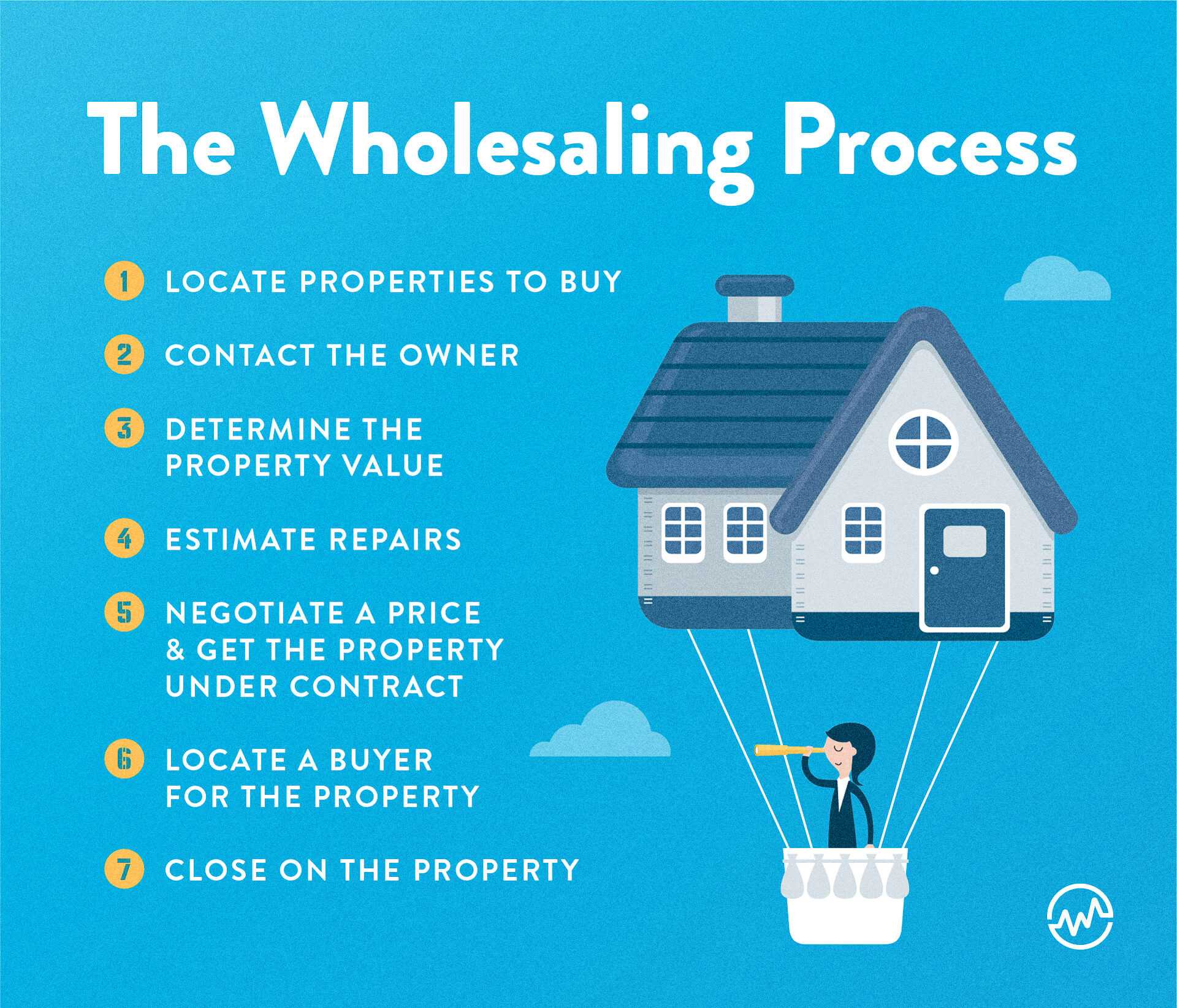
The process typically begins with a wholesaler identifying a property that a seller is motivated to sell quickly, often below market value. These properties might be in disrepair, owned by an absentee landlord, subject to foreclosure, or inherited by individuals who simply want to liquidate assets without the hassle of traditional selling. The wholesaler then enters into a purchase agreement with the seller, securing the right to buy the property at a specific price within a defined timeframe. Crucially, this agreement often includes an “assignability clause,” which permits the wholesaler to transfer their rights and obligations under the contract to another party.
Once the property is under contract, the wholesaler immediately seeks a cash buyer or an investor who is willing to purchase the property at a higher price than what the wholesaler agreed to pay the original seller. This end buyer is typically a fix-and-flipper, a landlord seeking rental properties, or another long-term investor. The difference between the original contracted price and the price paid by the end buyer, minus any associated costs, constitutes the wholesaler’s profit. The transaction is often swift, aiming to close within weeks rather than months, minimizing holding costs and maximizing efficiency.
Key Players in a Wholesale Transaction
A typical wholesale deal involves several critical participants:
- The Motivated Seller: This is the property owner looking to sell quickly, often due to personal circumstances (e.g., divorce, relocation, financial distress, inherited property) or the condition of the property itself. They prioritize speed and convenience over maximizing their sale price, making them ideal partners for wholesalers.
- The Wholesaler (You): The individual or entity that identifies the distressed property, negotiates a purchase agreement with the seller, and then finds an end buyer to assume that contract. The wholesaler’s primary role is connecting sellers with buyers.
- The Cash Buyer/Investor: This is the end purchaser who ultimately buys the property. They are typically looking for properties below market value that they can renovate, rent, or hold for appreciation. They appreciate wholesalers for finding off-market deals that fit their investment criteria.
- Title Company or Escrow Agent: An impartial third party responsible for facilitating the closing process, ensuring all legal requirements are met, handling funds, and transferring title securely. Their role is vital in ensuring a legitimate and smooth transaction.
- Real Estate Attorneys (Optional but Recommended): While not always mandatory, legal counsel can be invaluable, especially for drafting or reviewing contracts, understanding local real estate laws, and navigating complex situations.
Why Investors Choose Wholesaling
Wholesaling offers several distinct advantages that make it an attractive entry point into real estate and a sustainable business model for seasoned investors.
Low Capital Requirement
Perhaps the most significant appeal of wholesaling is its minimal capital outlay. Unlike traditional real estate investing, which often requires substantial down payments, closing costs, and ongoing maintenance expenses, wholesaling primarily involves covering marketing costs to find properties and potential legal fees. The wholesaler rarely, if ever, uses their own money to purchase the property. The end buyer provides the capital for the acquisition, making wholesaling accessible to individuals without significant savings or access to traditional financing.
Speed of Transaction
Wholesale deals are designed to be fast. Motivated sellers want to unload properties quickly, and cash buyers are typically prepared to close without the delays associated with mortgage approvals or extensive inspections. This rapid turnaround allows wholesalers to cycle through multiple deals in a shorter period, accelerating profit generation and improving cash flow compared to longer-term investment strategies.
Market Flexibility
Wholesaling is not confined to specific market conditions. In a seller’s market, wholesalers can find properties that still offer value to investors. In a buyer’s market, they can secure even better deals. The ability to source off-market properties provides an advantage regardless of the broader real estate climate. This adaptability makes it a resilient strategy.
Scalability Potential
Once a wholesaler establishes reliable systems for lead generation, contract negotiation, and buyer cultivation, the business model can be highly scalable. A successful wholesaler can build a team, automate processes, and expand into multiple markets, significantly increasing their deal volume and income potential without proportionally increasing personal financial risk.
The Mechanics of a Wholesale Deal
Executing a successful wholesale deal involves a structured approach, from identifying opportunities to closing the transaction.
Finding Distressed Properties
The bedrock of wholesaling is sourcing properties. Wholesalers actively seek out “distressed” or “motivated” sellers. This often involves proactive marketing efforts such as direct mail campaigns, driving for dollars (identifying properties with visible signs of distress), online advertising, social media outreach, networking with real estate agents, probate attorneys, and even code enforcement officers. The goal is to uncover properties that are not typically listed on the Multiple Listing Service (MLS), thereby avoiding direct competition with retail buyers.
Securing the Property Under Contract

Once a motivated seller is identified, the wholesaler negotiates a purchase price that is attractive to potential end buyers, ensuring there’s enough room for their assignment fee. A standard real estate purchase agreement is then executed between the wholesaler (as the buyer) and the seller. This contract should clearly state the purchase price, closing date, and crucially, an assignability clause. This clause grants the wholesaler the explicit right to assign the contract to another party. The earnest money deposit (EMD) provided by the wholesaler is often minimal, reflecting the low-capital nature of the business.
Building a Buyer’s List
Concurrently with finding properties, successful wholesalers continually cultivate a robust “buyer’s list.” This is a database of investors (fix-and-flippers, landlords, developers) who are actively looking for discounted properties. This list is invaluable because it allows the wholesaler to quickly match a contracted property with a ready buyer, streamlining the sales process. Building this list involves networking, attending investor meetups, online forums, and targeted marketing to investors.
Assigning the Contract
With a property under contract and a buyer’s list at hand, the wholesaler’s next step is to find an appropriate end buyer. The wholesaler presents the deal to their buyer’s list, highlighting the property’s potential and the discounted price. Once a buyer commits, an Assignment of Contract agreement is executed. This legal document transfers the wholesaler’s rights and obligations under the original purchase agreement to the new buyer. The buyer then pays the wholesaler an assignment fee, which is often collected at closing directly from the title company. The new buyer then steps into the wholesaler’s shoes and proceeds to close on the property with the original seller.
The Double Close Alternative
In certain situations, particularly when the assignment fee is substantial or when a seller prefers not to see the wholesaler’s profit margin, a “double close” (or simultaneous close) might be employed. In a double close, the wholesaler actually purchases the property from the original seller (Transaction A) and then immediately sells it to the end buyer (Transaction B) in two separate but simultaneous transactions. This requires the wholesaler to have access to transactional funding, which is short-term, private financing that covers the purchase price for a few hours or days. While more complex and potentially incurring higher closing costs, it can be a useful strategy to maintain privacy regarding profit margins.
Navigating the Challenges and Risks
While attractive, wholesaling is not without its challenges and potential pitfalls. Awareness and mitigation of these risks are essential for long-term success.
Legal and Ethical Considerations
The legality of wholesaling varies by state and local jurisdiction. Some areas require wholesalers to hold a real estate license, particularly if they are perceived as acting as a broker without proper licensure. “Equitable interest” and “procuring cause” are legal concepts that can impact how wholesaling is viewed. Wholesalers must be diligent in understanding and adhering to all applicable real estate laws, disclosure requirements, and consumer protection regulations. Operating ethically and transparently is paramount to avoiding legal issues and maintaining a good reputation. Misrepresenting oneself as a licensed agent or making false claims about a property can lead to significant legal consequences.
Market Fluctuations and Due Diligence
Even though wholesalers don’t take ownership, they are still exposed to market risks. If market conditions shift rapidly after a contract is secured but before an end buyer is found, the perceived value of the deal might diminish, making it harder to find a buyer or justify the assignment fee. Thorough due diligence on the property and the market is critical. This includes accurately assessing the property’s after-repair value (ARV), estimating repair costs, and understanding local comparable sales. An inaccurate assessment can lead to overpaying the seller or failing to attract a buyer, resulting in a lost deposit or a damaged reputation.
The Importance of a Robust Buyer Network
The ability to quickly and reliably offload contracts is directly tied to the strength and responsiveness of a wholesaler’s buyer network. Without a consistent stream of qualified cash buyers, even the best-sourced deals can fall through. Building and maintaining this network requires continuous effort, trust-building, and consistent communication. A small or unreliable buyer’s list is a major bottleneck to scaling a wholesaling operation and can lead to expired contracts and missed opportunities.
Building a Successful Wholesaling Business
Success in wholesaling is a blend of market knowledge, strategic execution, and persistent effort.
Education and Mentorship
The real estate landscape is dynamic, and wholesaling, specifically, has its nuances. Investing in education, whether through courses, seminars, or books, is crucial. Even more valuable is seeking out experienced mentors who can provide guidance, share best practices, and offer insights into local market conditions and legalities. A good mentor can help navigate common pitfalls and accelerate learning.
Developing a Strong Network
Beyond the buyer’s list, a wholesaler benefits immensely from a broader professional network. This includes trustworthy title companies, real estate attorneys, contractors, and other investors. These relationships can provide referrals, crucial information, and support, enhancing the overall efficiency and robustness of the wholesaling operation. Attending local real estate investor associations (REIAs) and industry events is an excellent way to expand this network.
Utilizing Technology and Tools
Modern wholesaling leverages technology to improve efficiency. Customer Relationship Management (CRM) software helps manage leads and buyer lists. Data analytics tools can aid in property valuation and market analysis. Online marketing platforms facilitate lead generation, while digital contract management tools streamline the paperwork. Embracing these tools can provide a competitive edge and allow for greater scalability.

Consistent Lead Generation
The lifeblood of a wholesaling business is a consistent flow of motivated seller leads. Wholesalers must establish reliable and diversified lead generation strategies. Relying on a single source of leads is risky. Continuous marketing efforts, testing different channels, and refining messaging are essential to ensure a steady pipeline of potential deals.
In summary, real estate wholesaling offers a compelling avenue for profiting from real estate transactions with minimal upfront capital. It requires diligence in finding distressed properties, savvy negotiation, a robust network of cash buyers, and strict adherence to legal and ethical standards. For those willing to invest the effort in learning the process and building the necessary relationships, wholesaling can be a highly rewarding and scalable business within the broader financial landscape.
aViewFromTheCave is a participant in the Amazon Services LLC Associates Program, an affiliate advertising program designed to provide a means for sites to earn advertising fees by advertising and linking to Amazon.com. Amazon, the Amazon logo, AmazonSupply, and the AmazonSupply logo are trademarks of Amazon.com, Inc. or its affiliates. As an Amazon Associate we earn affiliate commissions from qualifying purchases.