
In the hyper-competitive landscape of the consumer packaged goods (CPG) industry, a label is rarely just a list of ingredients. It is a psychological bridge between a corporation and a consumer’s values. One of the most enduring and impactful examples of this phenomenon is the “rBST-free” label found on dairy products across North America. While the term describes the absence of a specific synthetic hormone, its presence on a carton of milk or a tub of yogurt represents a sophisticated masterclass in brand positioning, risk management, and the “clean label” movement.
For brand strategists and marketing executives, understanding the “rBST-free” designation is essential not just for food science, but for understanding how modern brands navigate the complex intersection of consumer skepticism, regulatory constraints, and ethical storytelling.
Understanding the rBST-Free Movement: More Than Just a Health Claim
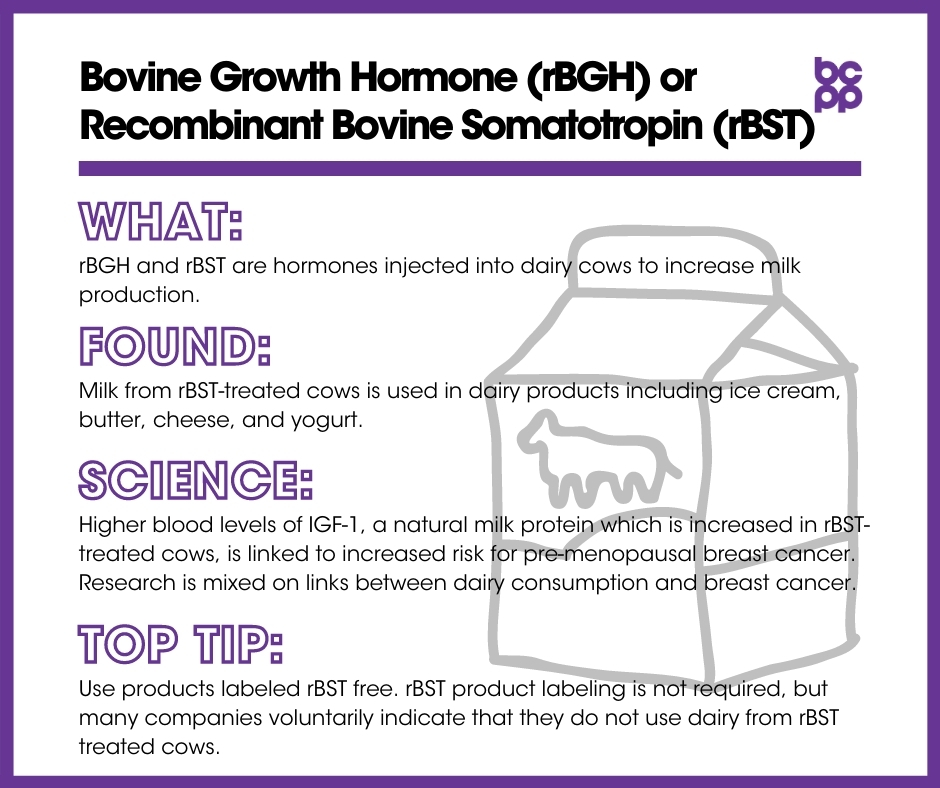
To understand the branding power of “rBST-free,” one must first understand what the acronym represents and why it became a focal point for market differentiation. Recombinant bovine somatotropin (rBST), also known as recombinant bovine growth hormone (rBGH), is a synthetic version of a naturally occurring hormone in cattle. Developed through biotechnology in the 1980s and approved for use in the 1990s, it was designed to increase milk production in dairy cows.
The Science and the Label as a Differentiator
From a purely technical standpoint, the FDA and various health organizations have maintained for decades that there is no significant difference between milk derived from rBST-treated cows and non-treated cows. However, in the world of brand strategy, perception often carries more weight than clinical data. Brands recognized early on that a significant segment of the population was uncomfortable with the “industrialization” of nature.
By adopting an “rBST-free” stance, brands were not necessarily making a medical claim; they were making a lifestyle promise. They were positioning their products as “closer to nature,” tapping into a primal consumer desire for purity and simplicity. This was one of the first major instances where a “free-from” label became a primary driver of brand equity in the dairy aisle.
Consumer Perception as a Brand Driver
The rise of rBST-free labeling was fueled by a growing distrust of “Big Ag” and chemical interventions in the food supply. For a brand, the decision to go rBST-free is a strategic alignment with the “Precautionary Principle.” Consumers often feel that if a technology is unnecessary for the final product’s quality but carries even a perceived risk, they would prefer its absence. Brands that capitalized on this early—such as Ben & Jerry’s and Stonyfield Farm—built a foundation of trust that allowed them to charge premium prices, proving that “values-based branding” was a viable financial model.
The Evolution of “Clean Label” Branding in the Dairy Industry
The rBST-free movement served as the progenitor of the modern “Clean Label” trend. Today’s consumers are more educated and more skeptical than ever before. They don’t just want to know what is in their food; they want to know what was done to it.
Shifting from Mass Production to Values-Based Marketing
In the mid-20th century, dairy branding focused on reliability, calcium content, and price. As the market became commoditized, brands faced a “race to the bottom” regarding margins. The introduction of rBST-free labeling allowed companies to break away from the commodity trap.
By certifying their supply chains as rBST-free, dairy processors shifted the conversation from “milk is milk” to “our milk represents a specific set of agricultural ethics.” This pivot is a classic brand strategy: when you cannot compete on price, you must compete on identity. The label transformed a generic liquid into a badge of conscientious consumption. It allowed the consumer to feel like an advocate for animal welfare and “natural” farming every time they opened their refrigerator.
Case Studies in Dairy Differentiation
Looking at the success of brands like Tillamook or Chobani, we see the long-term impact of this strategy. These brands didn’t just stop at rBST-free; they used it as a stepping stone to build comprehensive corporate identities centered on transparency.
Tillamook, for instance, used its commitment to non-rBST milk to reinforce its image as a farmer-owned cooperative. This created a “halo effect,” where the rBST-free claim lent credibility to their other claims of quality and tradition. For Chobani, entering a crowded yogurt market, the rBST-free label was part of a broader “No Bad Stuff” campaign. This helped them disrupt established giants who were slower to react to the shifting consumer sentiment regarding synthetic additives.
Transparency as a Corporate Identity: Navigating Regulatory and Ethical Boundaries

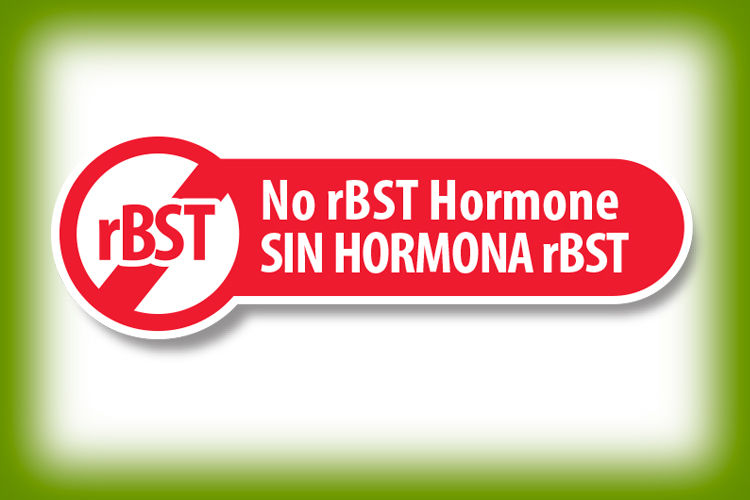
One of the greatest challenges in branding an rBST-free product is the legal tightrope companies must walk. Because the FDA has stated that there is no “meaningful difference” between the two types of milk, brands are often required to include a disclaimer stating exactly that.
FDA Compliance vs. Brand Storytelling
This creates a unique branding paradox: How do you market a “superior” product when the law requires you to say it might not be different?
The answer lies in the nuance of brand voice. Successful brands use the disclaimer not as a hurdle, but as a testament to their honesty. They frame the choice as one of consumer empowerment. The narrative becomes: “The scientists may not see a difference, but we know you do, and we respect your right to choose.” This approach turns a regulatory requirement into a moment of brand-consumer intimacy. It reinforces the idea that the brand is “on the side” of the consumer against the “establishment.”
Building Trust through Verified Supply Chains
In the age of “greenwashing,” a label is only as good as the supply chain behind it. Brands that claim rBST-free status must invest heavily in vendor management and auditing. From a brand strategy perspective, this is a form of “protective branding.”
If a brand claims to be rBST-free but is found to be sourcing from treated herds, the damage to the corporate identity is often irreparable. Therefore, the rBST-free label is more than a marketing tag; it is an operational commitment. This level of transparency has become a prerequisite for modern brands. Consumers now expect brands to be the “curators” of their health, vetting every step of the production process so the consumer doesn’t have to.
The Financial Impact of the rBST-Free Seal on Brand Equity
While some may view labeling as a mere aesthetic choice, it has profound implications for a company’s financial health and market valuation. The rBST-free movement demonstrated that “omission” could be just as profitable as “addition.”
Premium Pricing Strategies
The most direct impact of rBST-free branding is the ability to command a price premium. Statistics consistently show that consumers are willing to pay 10% to 30% more for dairy products that carry “free-from” labels. This isn’t just because the milk costs more to produce (though it often does due to slightly lower yields); it’s because the brand has successfully added “intangible value” to the product.
In the eyes of the consumer, they aren’t just buying milk; they are buying peace of mind, a sense of moral superiority, and a perceived health insurance policy. For a brand, this increases the Lifetime Value (LTV) of a customer, as those who shop based on values are generally more loyal than those who shop based on price.
Long-term Customer Loyalty and the Ethical Consumer
The rBST-free label acts as a filter, attracting a specific demographic: the “LOHAS” (Lifestyles of Health and Sustainability) consumer. This segment is highly influential and often acts as a group of brand evangelists. By securing the trust of these “lead users” through rBST-free and similar ethical certifications, a brand can achieve organic growth through word-of-mouth that far exceeds what a traditional advertising budget could buy.
Furthermore, as global markets—especially in Europe and parts of Asia—become stricter regarding synthetic hormones, brands that have already built their identity around being rBST-free find themselves with a significant competitive advantage when expanding internationally. They don’t have to “re-brand” for stricter markets; their existing identity is already compliant with the highest global standards.
Conclusion: The Future of Label-Based Branding
The story of “rBST-free” is a blueprint for how brands will survive in the 21st century. It marks the transition from the “Information Age” to the “Values Age.” Consumers no longer just want a product that works; they want a product that reflects their worldview.
For a brand, being “rBST-free” is a signal of agility. It shows that the company is listening to the heartbeat of the market and is willing to change its operational model to meet the ethical demands of its audience. As we look toward the future—with the rise of lab-grown meats, CRISPR technology, and AI-driven personalized nutrition—the lessons learned from the rBST-free movement will be more relevant than ever.
Brand strategy is no longer about shouting the loudest; it is about being the most transparent, the most consistent, and the most aligned with the consumer’s sense of well-being. The “rBST-free” label was never just about milk; it was about the evolution of the brand as a moral agent in the marketplace. Companies that master this level of strategic positioning will be the ones that define the next generation of consumer loyalty.
aViewFromTheCave is a participant in the Amazon Services LLC Associates Program, an affiliate advertising program designed to provide a means for sites to earn advertising fees by advertising and linking to Amazon.com. Amazon, the Amazon logo, AmazonSupply, and the AmazonSupply logo are trademarks of Amazon.com, Inc. or its affiliates. As an Amazon Associate we earn affiliate commissions from qualifying purchases.