
In the intricate world of personal finance, our health often emerges as one of the most significant, yet frequently underestimated, variables. Medical events, both routine and unexpected, carry direct and indirect financial implications that can profoundly impact an individual’s or family’s economic stability. Among the myriad of diagnostic tools available, the Red Blood Cell (RBC) test stands out as a common, foundational component of general health assessments. While its medical significance in detecting conditions like anemia or polycythemia is widely acknowledged, understanding the “RBC test” in a broader financial context—from its direct costs and insurance coverage to its role in long-term financial planning and the economic engine of diagnostics—is crucial for making informed healthcare and fiscal decisions. This article delves into the financial facets of the RBC test, illuminating how this seemingly simple diagnostic plays a role in your overall financial well-being.

The RBC Test: A Cornerstone of Health Diagnostics and Its Associated Costs
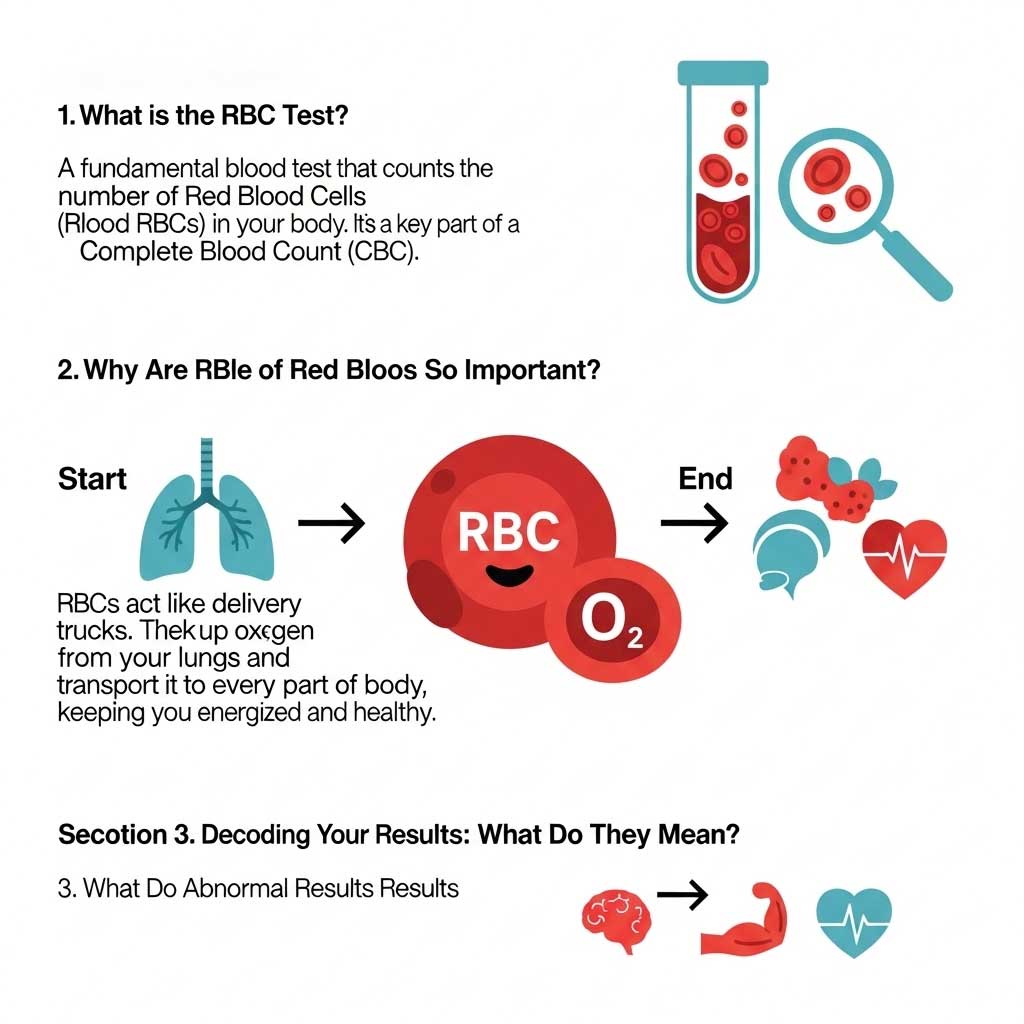
At its core, an RBC test is a measure of the number of red blood cells in your blood, typically part of a complete blood count (CBC). These vital cells are responsible for transporting oxygen from your lungs to the rest of your body and carrying carbon dioxide back to the lungs to be exhaled. Abnormal RBC counts can signal various underlying health issues, ranging from nutritional deficiencies to chronic diseases. While this medical context is essential, our focus shifts to the economic realities surrounding this commonplace diagnostic.
Understanding the Basics of the RBC Test
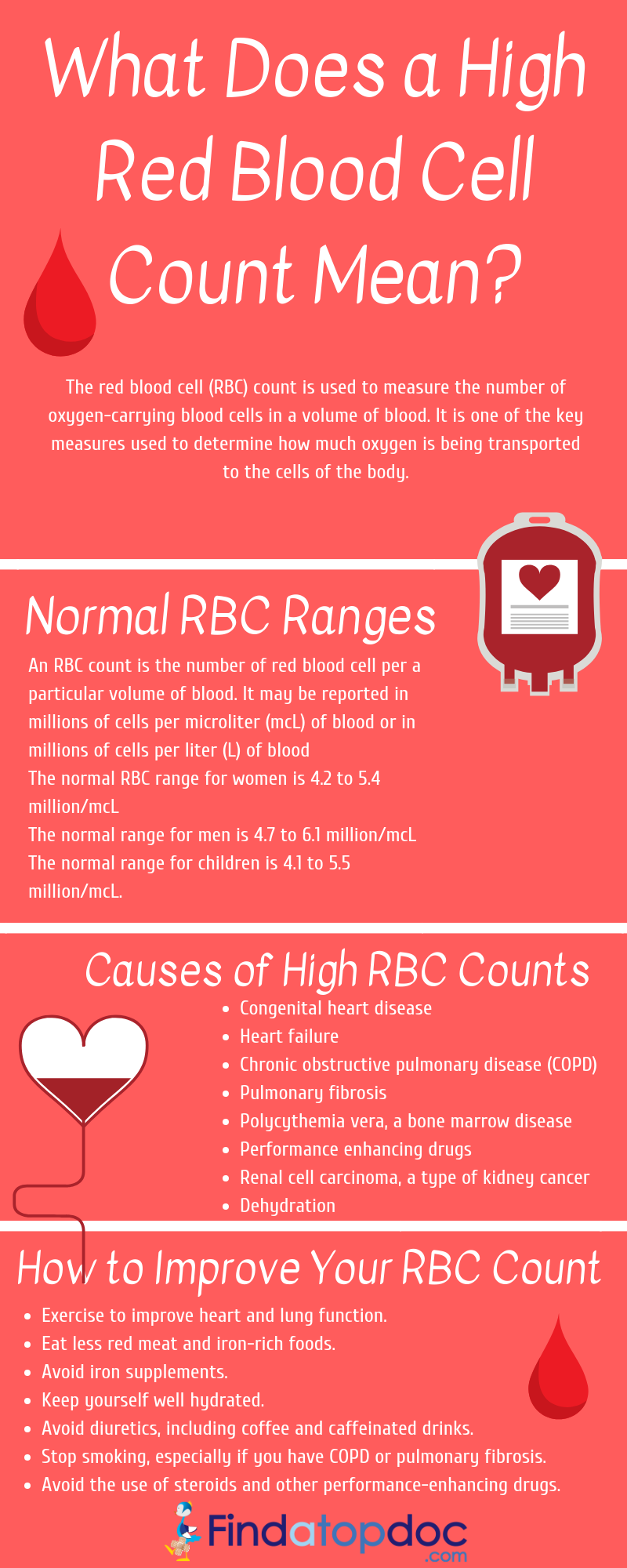
Before diving into the financial aspects, a brief understanding of the RBC test’s purpose is necessary. It helps physicians diagnose and monitor conditions affecting red blood cells. High RBC counts could indicate dehydration, kidney disease, or lung disease, while low counts often point to anemia, blood loss, or bone marrow disorders. It’s a crucial early indicator that prompts further investigation, making it an indispensable tool in preventive and diagnostic medicine. However, the convenience and medical necessity of this test come with a price tag, varying significantly based on several factors.
Average Costs and Pricing Variables for Diagnostic Blood Work
The direct cost of an RBC test, often bundled within a CBC, can fluctuate considerably. For an uninsured individual paying cash, a CBC might range anywhere from $20 to $100, though it can sometimes be higher in hospital settings. Several factors influence this pricing:
-
Geographical Location: Costs can differ significantly between urban and rural areas, or even between states.
-
Type of Facility: Independent diagnostic laboratories generally offer lower prices than hospital-based labs, which often have higher overheads.
-
Bundled vs. Unbundled Services: An RBC test is rarely ordered in isolation. It’s usually part of a CBC, which includes white blood cell count, hemoglobin, hematocrit, and platelet count. The quoted price is often for the entire CBC.
-
Cash Price vs. Insured Price: Labs often have a “cash price” for uninsured patients that can sometimes be lower than the price billed to insurance companies, which are subject to negotiated rates.
-
Physician’s Office vs. Lab Draw: Sometimes, the blood draw itself is performed in a physician’s office and billed separately from the lab analysis.
Understanding these variables is the first step in demystifying medical billing and preparing for potential expenses.
Decoding Your Bill: Understanding Lab Fees and Professional Charges
When you receive a bill for diagnostic testing, it’s not always a straightforward line item. Often, there are multiple charges involved. You might see a charge from the laboratory for the actual analysis of the blood sample (the “technical component”). Separately, you might receive a bill from the healthcare provider who ordered the test or interpreted the results (the “professional component”). For example, a CBC could have a lab charge for processing the sample and a physician’s charge for reviewing the results and providing a diagnosis. This separation of charges can lead to confusion and unexpectedly higher total costs if not anticipated. Asking for an itemized bill can help clarify these distinctions and ensure accuracy.
Navigating the Insurance Maze: Coverage, Deductibles, and Maximizing Benefits
For most individuals with health insurance, the financial burden of an RBC test is mitigated, but not entirely eliminated. Understanding your specific insurance policy is paramount to avoiding surprises.
Health Insurance and the RBC Test: What’s Typically Covered?
Most comprehensive health insurance plans cover medically necessary diagnostic tests, and an RBC test (as part of a CBC) almost always falls into this category. “Medically necessary” generally means the test is ordered by a healthcare provider to diagnose, monitor, or treat a specific medical condition. Routine wellness exams, which often include a CBC, are also typically covered as part of preventive care benefits, sometimes at 100% with no out-of-pocket cost. However, if the test is ordered without a clear medical indication or as part of an experimental protocol, it might not be covered. Always verify with your insurance provider if you are unsure.
The Impact of Deductibles, Co-pays, and Co-insurance on Your Wallet
Even with insurance, you’re likely to encounter out-of-pocket expenses due to common insurance structures:
-
Deductibles: This is the amount you must pay out of your own pocket for healthcare services before your insurance company begins to pay. If your deductible hasn’t been met, the full negotiated cost of the RBC test will likely be your responsibility.
-
Co-pays: A co-payment is a fixed amount you pay for a covered healthcare service after you’ve paid your deductible. While an office visit might have a co-pay, diagnostic tests often fall under co-insurance or deductible clauses.
-
Co-insurance: This is your share of the cost of a healthcare service, calculated as a percentage (e.g., 20%) of the amount allowed by your insurance plan, after you’ve met your deductible. So, if an RBC test costs $50 and your co-insurance is 20%, you’d pay $10 after your deductible is met.
These mechanisms mean that even with insurance, an RBC test isn’t necessarily “free.” Savvy consumers understand these terms and factor them into their healthcare budgeting.
Strategies for Cost-Effective Diagnostic Testing
Proactive steps can help minimize out-of-pocket expenses for diagnostic tests:
-
Choose In-Network Providers: Always ensure the lab or facility performing the test is within your insurance network. Out-of-network services can result in significantly higher costs or no coverage at all.
-
Ask for Cash Prices: If you have a high deductible that you’re unlikely to meet, or if you’re uninsured, ask the lab for their cash price. This can sometimes be lower than the amount billed to insurance, as it avoids administrative complexities.
-
Utilize HSAs/FSAs: Health Savings Accounts (HSAs) and Flexible Spending Accounts (FSAs) allow you to set aside pre-tax money for qualified medical expenses, including diagnostic tests. This offers a tax advantage and helps budget for healthcare costs.
-
Shop Around: For routine tests, if your doctor doesn’t have a specific lab preference, compare prices among different in-network diagnostic labs. Price transparency tools, if available, can be helpful.
-
Understand Medical Necessity: Discuss with your doctor why a test is being ordered. While an RBC test is often standard, unnecessary duplicate tests can accumulate costs.
By employing these strategies, individuals can exercise greater control over their healthcare expenditures related to diagnostic services.
Beyond the Test: The Financial Implications of RBC Results on Long-Term Health
The financial ramifications of an RBC test extend far beyond the immediate cost of the procedure itself. The results can be a crucial indicator of underlying health conditions that, if left unaddressed, can lead to substantial long-term financial burdens.
The Cost of Undiagnosed or Untreated Conditions
Ignoring symptoms that an RBC test could help clarify (e.g., persistent fatigue due to anemia) is a false economy. Untreated conditions typically worsen over time, leading to more complex, invasive, and expensive treatments. For instance, severe, untreated anemia could lead to heart problems, neurological issues, or require blood transfusions—each carrying significant medical bills, lost wages due to illness, and a diminished quality of life. The initial cost of an RBC test is a small fraction of the potential costs associated with managing a chronic disease that could have been detected and treated earlier. This indirect financial impact is often far greater than the direct cost of the test.
Proactive Health Management as a Financial Investment
Framing regular check-ups and appropriate diagnostic tests like the RBC test as investments, rather than mere expenses, is a powerful shift in perspective. Early detection of issues like iron deficiency anemia, for example, allows for simple, inexpensive interventions like dietary changes or iron supplements. Contrast this with the cost of managing severe anemia that has progressed to a point requiring hospital stays or specialized treatments. The “return on investment” for proactive health management is substantial, manifesting as lower future medical bills, increased productivity, and enhanced overall well-being. Investing in one’s health through regular monitoring helps protect one’s most valuable asset: the ability to earn income and enjoy life without the debilitating financial drain of chronic illness.
Integrating Health Expenses into Your Personal Financial Plan
Effective personal financial planning must account for healthcare expenses. This includes not only the expected costs (like premiums and co-pays) but also creating an emergency fund for unexpected medical bills. Individuals should:
-
Budget for Healthcare: Allocate a specific portion of your budget for health-related expenses, including routine diagnostics, medications, and potential co-insurance.
-
Build an Emergency Fund: Aim for at least 3-6 months of living expenses in an accessible savings account, part of which can cover high deductibles or unforeseen medical emergencies.
-
Review Insurance Annually: Re-evaluate your health insurance plan during open enrollment to ensure it still meets your needs, considering your health status, anticipated medical usage (including diagnostics), and financial capacity.
-
Factor in Long-Term Care: As we age, healthcare costs typically rise. Incorporating long-term care planning into your financial strategy can protect your assets from the potentially exorbitant costs of extended medical care.
By consciously integrating healthcare into financial planning, individuals can build a more resilient financial future, prepared for the financial realities of maintaining health.
The Economic Engine of Diagnostics: Business Perspectives on Lab Services
Beyond the individual’s financial burden, diagnostic testing represents a significant and growing sector within the broader healthcare economy. Clinical laboratories, which perform RBC tests and countless others, are integral players in a multi-billion dollar industry.
The Diagnostic Market: A Lucrative Sector within Healthcare
The global in-vitro diagnostics (IVD) market, which includes blood tests like RBC, is valued at hundreds of billions of dollars and continues to grow steadily. This growth is driven by an aging population, rising prevalence of chronic diseases, increasing awareness of preventive health, and continuous innovation in testing technologies. This market is highly competitive, featuring large multinational corporations alongside specialized local labs. For investors, this sector offers opportunities due to its essential nature and consistent demand, often considered a defensive investment within healthcare. Key players continuously invest in R&D to develop more accurate, faster, and cost-effective diagnostic tools.
Business Models and Revenue Streams for Clinical Laboratories
Clinical laboratories operate on diverse business models, generating revenue through various streams:
-
Volume-Based Services: The most common model, where labs process a high volume of tests ordered by physicians and hospitals. Revenue is directly tied to the number of tests performed.
-
Specialized Testing: Some labs focus on highly specialized, high-margin tests that require advanced technology and expertise, catering to niche medical fields.
-
Partnerships: Labs often partner with hospitals, physician groups, and even pharmaceutical companies for clinical trials, establishing long-term revenue streams.
-
Direct-to-Consumer (DTC): An emerging model where labs offer certain tests directly to consumers, bypassing physician orders, often for wellness or genetic insights. While an RBC test is typically physician-ordered, the trend toward DTC reflects a broader shift towards consumer engagement in diagnostics.
Pricing strategies in this sector are complex, involving negotiations with insurance companies, government payers (like Medicare/Medicaid), and cash pricing for uninsured patients. The challenge for labs is to balance profitability with accessibility and competitive pricing.
Innovation and Future Trends in Diagnostic Cost Efficiency
The diagnostic landscape is constantly evolving, driven by technological advancements aimed at improving accuracy, speed, and cost-efficiency.
-
Automation and AI: Robotics and artificial intelligence are revolutionizing lab operations, enabling higher throughput, reducing human error, and potentially lowering operational costs over time. AI can also assist in analyzing complex test results, leading to faster diagnoses.
-
Point-of-Care Testing (POCT): This trend involves bringing diagnostic tests closer to the patient, such as in a doctor’s office or even at home. While currently more expensive for some tests, POCT can reduce logistical costs (e.g., transport of samples) and provide immediate results, potentially avoiding follow-up visits.
-
Telemedicine and Remote Monitoring: The rise of telemedicine facilitates remote ordering of tests and virtual consultations, streamlining the process and potentially reducing indirect costs associated with travel and time off work.
-
Data Analytics and Precision Medicine: Advanced data analytics are helping to identify which tests are most effective for specific patient populations, reducing unnecessary testing and directing resources more efficiently.
These innovations hold the promise of making diagnostic tests, including the RBC test, more accessible and potentially more affordable in the future, ultimately benefiting both patients and the healthcare system financially. However, regulatory hurdles and the significant capital investment required for new technologies remain challenges.
Conclusion
The “what is rbc test” question, while seemingly straightforward from a medical standpoint, unravels a complex web of financial considerations when viewed through the lens of personal finance and the broader healthcare economy. Understanding the direct costs, navigating insurance complexities, recognizing the long-term financial implications of health outcomes, and appreciating the business dynamics of diagnostic services are all critical for individuals aiming for financial resilience. By treating diagnostic health as an integral part of their financial planning, individuals can make more informed decisions, mitigate unexpected expenses, and ultimately safeguard both their physical well-being and their financial future. In a world where healthcare costs continue to rise, knowledge about common diagnostics like the RBC test, and its associated financial landscape, is not just helpful—it’s essential.
aViewFromTheCave is a participant in the Amazon Services LLC Associates Program, an affiliate advertising program designed to provide a means for sites to earn advertising fees by advertising and linking to Amazon.com. Amazon, the Amazon logo, AmazonSupply, and the AmazonSupply logo are trademarks of Amazon.com, Inc. or its affiliates. As an Amazon Associate we earn affiliate commissions from qualifying purchases.