
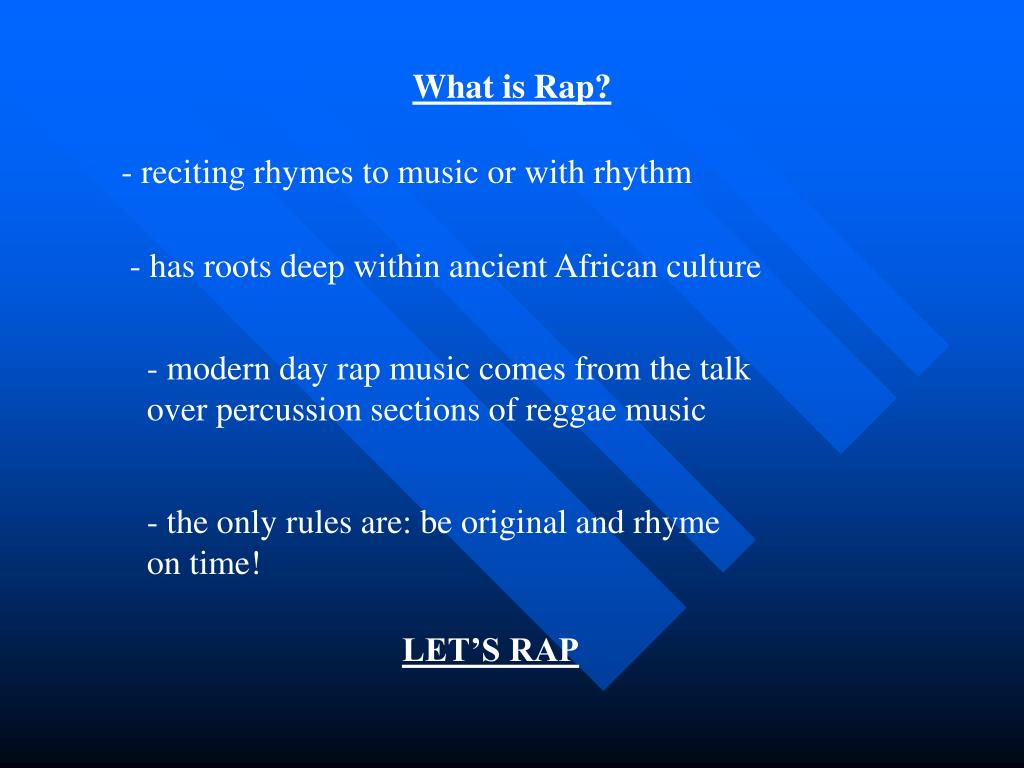
In the contemporary landscape of digital media, “rapping” has transcended its origins as a rhythmic vocal performance to become a sophisticated intersection of human creativity and high-end technology. While traditionally defined as the delivery of rhymes and wordplay over a beat, modern rapping is now inextricably linked to the software, hardware, and algorithms that power the global music industry. To understand what rapping is today, one must look beyond the microphone and into the digital ecosystems that define how it is produced, refined, and distributed.
From the integration of Artificial Intelligence (AI) in lyric generation to the complex signal processing of Digital Audio Workstations (DAWs), technology has democratized the art form while simultaneously complicating the definition of “the artist.” In this exploration, we analyze the technological frameworks that have redefined rapping, focusing on the software tools and digital trends that are shaping the future of the genre.

The Technological Foundation of Modern Rapping
At its core, the modern rap performance is a product of high-level software engineering. The transition from analog recording to digital environments has allowed for a level of precision and manipulation that was previously impossible. Today, a rapper is often as much a digital technician as they are a poet.
Digital Audio Workstations (DAWs) and Signal Processing
The primary environment for the modern rapper is the Digital Audio Workstation (DAW). Software such as Ableton Live, FL Studio, and Logic Pro serves as the digital canvas where vocal tracks are layered, chopped, and rearranged. These platforms utilize advanced signal processing algorithms to ensure that the vocal sits perfectly within the frequency spectrum of the beat. For many artists, “rapping” involves the use of non-destructive editing, where a single verse might be compiled from dozens of different takes (a process known as comping). This technological capability ensures that the final product is a hyper-refined version of human capability, optimized for digital consumption.
The Role of Auto-Tune and Pitch Correction Software
Perhaps no piece of technology has altered the sound of rapping more than Antares Auto-Tune or Celemony’s Melodyne. Originally designed as subtle tools for pitch correction, these software applications have become stylistic instruments. In modern rap, these tools are used to create a “robotic” or “fluid” aesthetic, blurring the line between rapping and singing. Technically, these tools work by shifting the pitch of the vocal input to the nearest semi-tone in a specified scale in real-time. This allows artists to experiment with melodic structures that were historically outside the reach of the traditional rapper, effectively expanding the sonic palette of the genre through software-driven innovation.
AI and Machine Learning: Redefining Lyricism and Flow
As we move deeper into the decade, Artificial Intelligence is beginning to play a central role in the creative process of rapping. AI is no longer just a tool for post-production; it is increasingly becoming a collaborator in the writing and vocalization phases.
Large Language Models (LLMs) as Creative Writing Assistants
The emergence of Large Language Models, such as GPT-4 and specialized AI lyric generators, has fundamentally changed the writing process. These AI tools can analyze vast datasets of existing hip-hop lyrics to suggest rhyme schemes, metaphors, and thematic structures. For many tech-savvy artists, rapping now involves an iterative process with an AI assistant. By inputting a specific mood or subject, the artist can generate a “seed” of lyrics which they then refine. This synthesis of human intuition and algorithmic data processing is creating a new hybrid form of creative output, where the machine provides the structural possibilities and the human provides the emotional nuance.
Generative Voice Synthesis and Deepfake Vocals
One of the most disruptive technologies in the “what is rapping” conversation is generative voice synthesis. Using RVC (Retrieval-based Voice Conversion) and other deep learning models, software can now replicate the specific timbre, cadence, and “flow” of any given rapper. This has led to the rise of AI-generated tracks where the “rapping” is performed entirely by a computer model trained on an artist’s previous discography. This technology raises profound questions about digital security and intellectual property, but it also opens new doors for virtual artists and the preservation of legacy voices through high-fidelity digital cloning.
The Distribution Tech: How Algorithms Shape the Genre
To understand what rapping is in a commercial sense, one must understand the technology that determines who gets heard. In the digital age, a rap song is not just a piece of music; it is a data packet optimized for platform algorithms.
Streaming Platform Optimization and Metadata
The success of a rap track is heavily influenced by how it interacts with the recommendation engines of Spotify, Apple Music, and YouTube. Rapping has adapted to these technological constraints; for example, many modern tracks are shorter, with the “hook” appearing earlier to prevent listener “skipping,” which would negatively signal the algorithm. Metadata and tagging also play a crucial role. Tech-savvy creators use specific keywords and genre-tags to ensure their rapping is categorized correctly by the AI that manages curated playlists. In this context, rapping is a product designed to thrive within a specific digital architecture.
Social Media Apps and Viral Soundbite Engineering
Applications like TikTok have introduced a new technological dimension to rapping: the “soundbite.” Modern rapping is often engineered to be “remixable” or “meme-able” within short-form video apps. This involves creating 15-to-30-second segments with high rhythmic impact or “catchphrases” that the app’s audio-extraction tools can easily isolate. The tech behind these apps—specifically their ability to sync audio with video and track user engagement—has forced rappers to think about the “verticality” and “shareability” of their vocal performances. Rapping, therefore, has evolved into a multi-sensory digital asset.
Future Trends: The Convergence of Virtual Reality and Performance
Looking ahead, the definition of rapping will continue to expand as it merges with Virtual Reality (VR) and decentralized technologies. The performance aspect of rapping is moving away from physical stages and into immersive digital environments.
Metaverse Concerts and 3D Spatial Audio
Virtual Reality platforms like Fortnite and Roblox have already hosted “Metaverse” concerts where rappers perform as digital avatars. This technology requires a different approach to vocal delivery, often utilizing 3D spatial audio software to create an immersive experience for the listener. In a VR environment, rapping is not a static 2D experience; the sound must move with the user’s perspective. This requires sophisticated software integration between the audio engine and the game engine (such as Unreal Engine or Unity), creating a new frontier for how rap is experienced and performed.
Blockchain and Decentralized Tech in Artist Ownership
Finally, the “Money” side of the rap “Tech” equation is being revolutionized by blockchain technology. Web3 and NFTs (Non-Fungible Tokens) are allowing rappers to bypass traditional distribution models, selling their “rapping” directly to fans as unique digital assets. Smart contracts ensure that royalties are distributed automatically and transparently via code, rather than through complex corporate accounting. This shift represents the ultimate integration of rapping into the tech stack, where the art form becomes a decentralized financial instrument, providing artists with greater control over their digital footprint and revenue streams.

Conclusion
When we ask “what is rapping” in a modern context, the answer is found at the intersection of human expression and advanced technology. It is a genre that has embraced the digital revolution more than perhaps any other, utilizing everything from AI-driven lyricism and voice synthesis to algorithmic distribution and VR performances.
As software continues to evolve, the tools used to create and consume rap will become even more integrated into our daily lives. Whether through the use of sophisticated DAWs, AI collaborators, or blockchain-based distribution, rapping remains a dynamic and tech-forward medium that continues to push the boundaries of what is possible in the digital age. For the modern creator, understanding the tech is just as important as mastering the flow.
aViewFromTheCave is a participant in the Amazon Services LLC Associates Program, an affiliate advertising program designed to provide a means for sites to earn advertising fees by advertising and linking to Amazon.com. Amazon, the Amazon logo, AmazonSupply, and the AmazonSupply logo are trademarks of Amazon.com, Inc. or its affiliates. As an Amazon Associate we earn affiliate commissions from qualifying purchases.