
In the modern global economy, a city is more than just a collection of coordinates, infrastructure, and residents; it is a brand. Place branding—the strategic process of identifying, developing, and communicating a city’s unique identity—is essential for attracting investment, talent, and tourism. When we ask, “What is Rapid City known for?” we are essentially analyzing the success of a multi-decade branding strategy. Rapid City, South Dakota, serves as a masterclass in how a mid-sized municipality can leverage its history, geography, and cultural assets to create a powerful, recognizable corporate identity that resonates on a global scale.
The Core Pillar: Establishing ‘The City of Presidents’ Brand
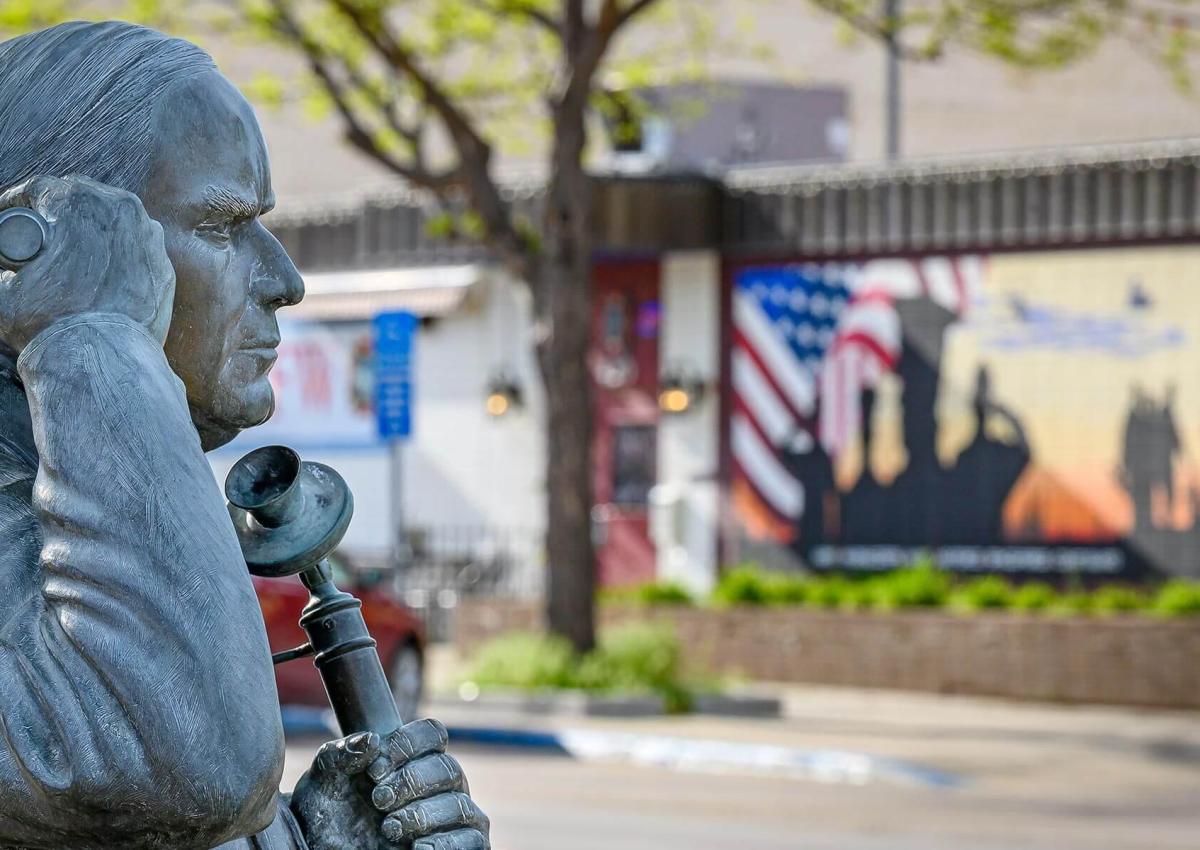
At the heart of Rapid City’s brand identity is its self-styled moniker: “The City of Presidents.” While many cities struggle to find a unique selling proposition (USP) that differentiates them from their neighbors, Rapid City leaned into a historical narrative that is both patriotic and visually distinct. This brand pillar is not merely a nickname; it is a physical manifestation of a strategic marketing vision.
The Intersection of History and Public Art
The “City of Presidents” project, which features life-sized bronze statues of every past U.S. President on various street corners downtown, is a textbook example of brand storytelling through public art. By placing these statues in the public square, the city transformed its downtown area into an open-air museum. This initiative served two brand objectives: it created an “Instagrammable” environment long before social media existed, and it established a sense of prestige and permanence. From a branding perspective, this consistency in theme across the urban landscape reinforces the city’s identity every time a visitor turns a corner.
How Consistent Brand Assets Drive Tourism
Consistency is the bedrock of any successful brand. Rapid City has meticulously maintained the quality and historical accuracy of its presidential statues, ensuring that the brand promise—a walk through American history—is delivered to every visitor. This consistency has created high brand equity. When people think of Rapid City, the mental image of the bronze statues often appears alongside the granite faces of Mount Rushmore. By aligning its local identity with national icons, Rapid City has successfully “borrowed” the authority of the presidency to bolster its own municipal reputation.
The Gateway Strategy: Leveraging Geographic Brand Positioning
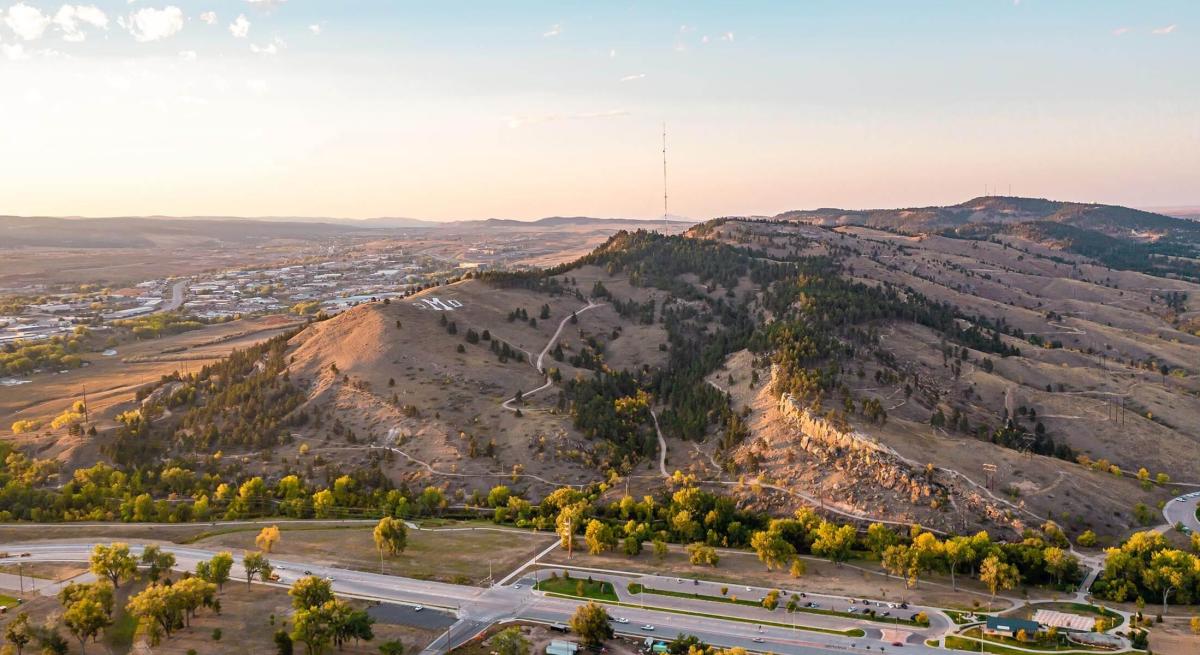
A significant portion of what Rapid City is known for stems from its “Gateway Strategy.” In marketing, positioning is everything. Rapid City is not just a destination in its own right; it is strategically branded as the “Gateway to the Black Hills” and the “Gateway to Mount Rushmore.” This positioning allows the city to capture the spillover brand value of some of the most famous landmarks in the world.
Capitalizing on Adjacent Landmarks
Rapid City’s brand strategy does not view Mount Rushmore or Custer State Park as competition; rather, it views them as high-value “partner brands.” By positioning itself as the central hub for these attractions, Rapid City ensures that it is the primary beneficiary of the region’s massive tourism traffic. This is a classic “Brand Association” tactic. Just as a software company might brand itself as “the premier platform for [Famous Tool],” Rapid City brands itself as the premier lodging and cultural center for the American West’s most iconic sites.
The ‘Basecamp’ Narrative in Destination Marketing
In recent years, the brand has evolved from a simple “gateway” to a “basecamp.” This subtle shift in brand language is significant. A “gateway” is something you pass through; a “basecamp” is where you stay, spend money, and return to every evening. This rebranding reflects a more sophisticated understanding of the consumer journey. By promoting its breweries, boutique hotels, and dining scene as the “Basecamp of the Black Hills,” Rapid City has successfully extended the average length of stay for visitors, directly impacting the local economy’s bottom line.

Brand Resilience: Transitioning from a Stopover to a Destination
For decades, Rapid City faced a branding challenge: it was often perceived as a secondary “stopover” on the way to other locations. To combat this, city planners and marketing professionals executed a “Brand Pivot” to revitalize the downtown core and establish Rapid City as a primary destination with its own unique value proposition.
Diversifying the Brand Identity Beyond Monuments
To build a resilient brand, a city cannot rely on a single attraction. Rapid City expanded its identity by investing in the “Main Street Square” project. This transformed a formerly underutilized space into a vibrant community hub featuring fountains, ice skating, and live music. From a brand management perspective, this move was about diversifying the “product offering.” It sent a message that Rapid City is not just about old statues and nearby rocks; it is a contemporary, living city with a high quality of life. This shift appealed to a younger demographic of “digital nomads” and tech-savvy travelers who look for lifestyle brands in the cities they visit.
The Role of Community Engagement in Brand Longevity
A brand is only as strong as the people who live it. Rapid City’s success is largely due to the alignment between the city’s official branding and its residents’ local pride. When the local community embraces the “City of Presidents” or the “Gateway” identity, they become brand ambassadors. This organic advocacy is more powerful than any paid advertising campaign. The hospitality and pride exhibited by locals reinforce the brand promise of being a welcoming, historic, and adventurous Western city.
Economic Impact of Cultural Branding
The strategic branding of Rapid City is not merely an exercise in aesthetics; it is a calculated business move designed to drive economic growth. The ROI (Return on Investment) of place branding is measured in tax revenue, business recruitment, and the appreciation of property values.
Brand Equity and the Local Economy
The strong brand equity of Rapid City has made it a magnet for small businesses and entrepreneurs. When a city has a clear identity, it becomes an easier “sell” for developers and investors. The “Rapid City brand” suggests stability, a steady stream of consumers (tourists), and a high quality of life. This has led to a revitalized downtown real estate market, where historic buildings are repurposed into high-end lofts and tech startups. The brand, in effect, serves as a de-risking mechanism for capital investment.
Strategic Lessons for Emerging Municipal Brands
What Rapid City is known for provides a roadmap for other cities looking to establish a corporate identity. The lessons are clear:
- Find Your USP: Rapid City took a historical niche and made it physical.
- Leverage Proximity: Use the strength of neighboring attractions to build your own brand authority.
- Invest in Experience: A brand is a promise kept. The cleanliness, safety, and cultural richness of the downtown area ensure the promise is fulfilled.
- Adapt and Evolve: Transitioning from a “gateway” to a “basecamp” shows the importance of refreshing the brand narrative to meet modern consumer expectations.
Conclusion: The Enduring Legacy of the Rapid City Brand
Rapid City is known for many things—statues, mountains, history, and adventure—but beneath the surface, it is known for its remarkable success in place branding. By treating the city’s identity with the same rigor and strategic foresight as a Fortune 500 company, Rapid City has carved out a unique space in the American landscape. It has successfully navigated the transition from a regional service center to a national brand, proving that when a city knows what it stands for, the rest of the world will eventually know it too.
The story of Rapid City is a testament to the power of a well-executed brand strategy. It serves as a reminder that a city’s greatest asset is not just its location or its resources, but the story it tells about itself. Through the “City of Presidents” and its “Gateway” positioning, Rapid City has built an enduring legacy that continues to attract millions, proving that a strong brand is the most sustainable economic engine a city can possess.
aViewFromTheCave is a participant in the Amazon Services LLC Associates Program, an affiliate advertising program designed to provide a means for sites to earn advertising fees by advertising and linking to Amazon.com. Amazon, the Amazon logo, AmazonSupply, and the AmazonSupply logo are trademarks of Amazon.com, Inc. or its affiliates. As an Amazon Associate we earn affiliate commissions from qualifying purchases.