
In the ever-accelerating world of Artificial Intelligence, staying abreast of the latest advancements can feel like a race against time. New acronyms and methodologies emerge with remarkable frequency, each promising to push the boundaries of what machines can understand and achieve. Among these innovations, Retrieval Augmented Generation (RAG) AI has rapidly carved out a significant niche, transforming how AI models interact with and leverage external information. If you’ve encountered the term “RAG AI” and wondered about its implications for technology, branding, and even your personal finances, you’ve come to the right place. This article delves into the core of RAG AI, exploring its capabilities, benefits, and how it’s reshaping the landscape of intelligent systems.
Understanding the Foundation: How Traditional AI Models Work
Before we can truly appreciate the power of RAG AI, it’s crucial to understand the limitations of more traditional AI models, particularly large language models (LLMs). LLMs, like GPT-3 or BERT, are trained on massive datasets of text and code. This training allows them to learn patterns, grammar, factual information, and even reasoning capabilities. When you ask an LLM a question, it generates a response based on the knowledge it has acquired during its training phase.
However, this inherent knowledge has several limitations:
- Static Knowledge: The information an LLM possesses is a snapshot in time. It doesn’t automatically update with real-world events, new research, or evolving company policies. If a company launches a new product or revises its service terms today, a standard LLM won’t know about it until it’s retrained, which is a costly and time-consuming process.
- Hallucinations and Inaccuracies: Despite their vast training data, LLMs can sometimes “hallucinate,” generating plausible-sounding but factually incorrect information. This is often because they are predicting the next most likely word based on statistical patterns, rather than accessing verified, up-to-date facts.
- Lack of Domain-Specific Expertise: While LLMs have broad knowledge, they may lack the deep, specialized understanding required for niche industries or internal company knowledge bases. Asking a general LLM about specific, proprietary company data will yield no useful results.
These limitations highlight a critical need for AI systems that can access and incorporate external, dynamic, and specific information to provide more accurate, relevant, and up-to-date responses. This is precisely where RAG AI steps in.
The Power of Retrieval: How RAG AI Augments Generation
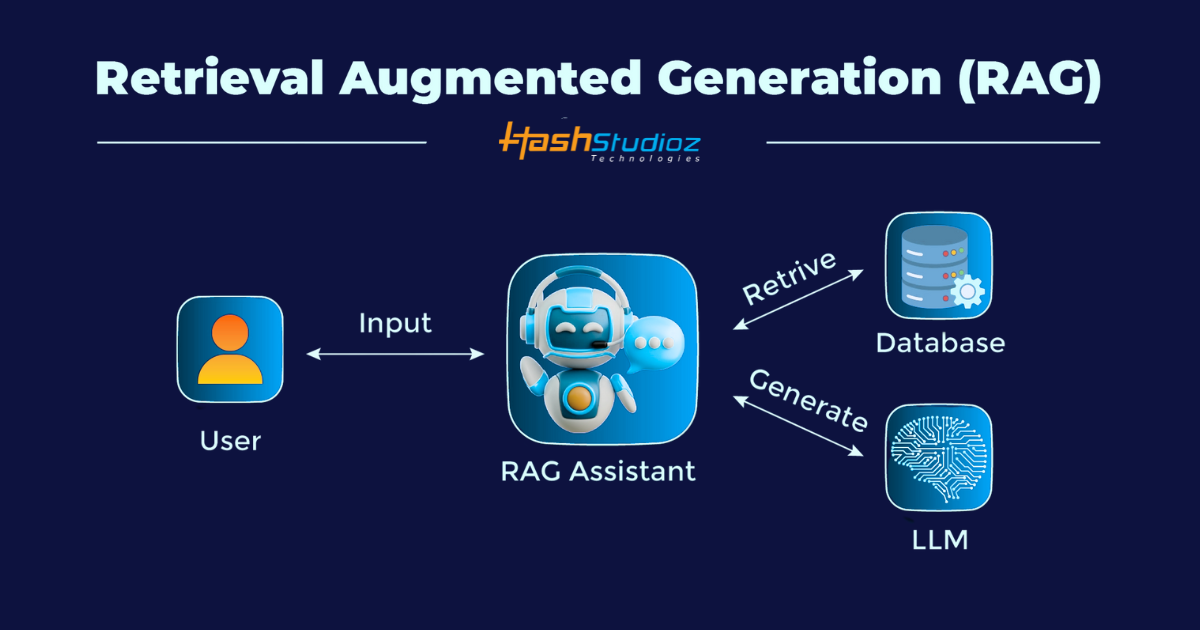
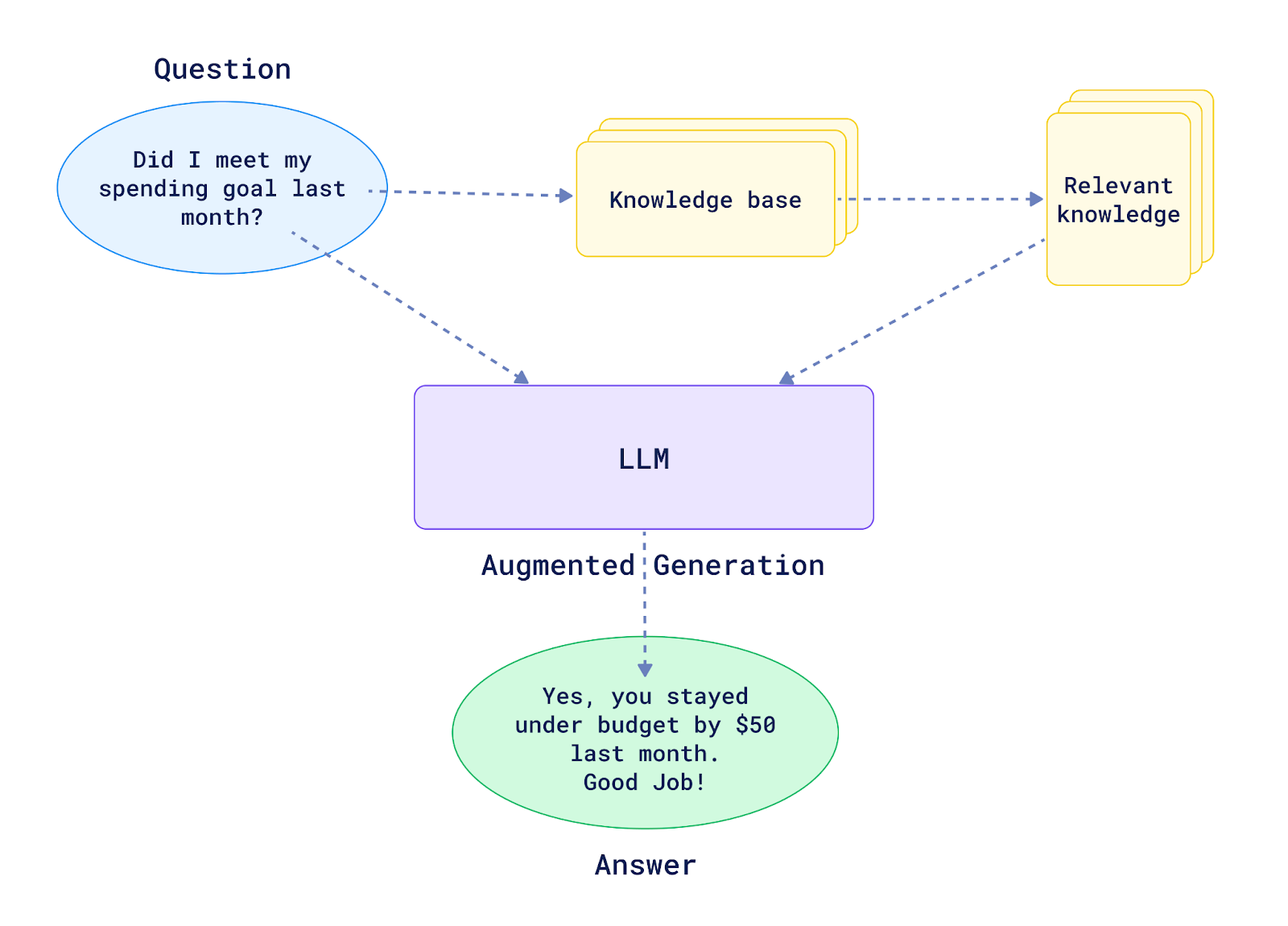
Retrieval Augmented Generation (RAG) AI represents a significant architectural shift in how LLMs operate. Instead of solely relying on their internal, static knowledge base, RAG models are designed to dynamically retrieve relevant information from an external source before generating a response. Think of it as giving your AI a research assistant that can instantly access and consult a library of documents, databases, or even the live internet before answering your questions.
The RAG process typically involves two key components:
The Retriever
The retriever is responsible for searching an external knowledge base for information that is most relevant to the user’s query. This knowledge base can be diverse, including:
- Databases: Structured data, like product catalogs, customer records, or financial statements.
- Document Repositories: Collections of articles, research papers, internal wikis, legal documents, or training manuals.
- Websites and APIs: Real-time information from the internet or other connected services.
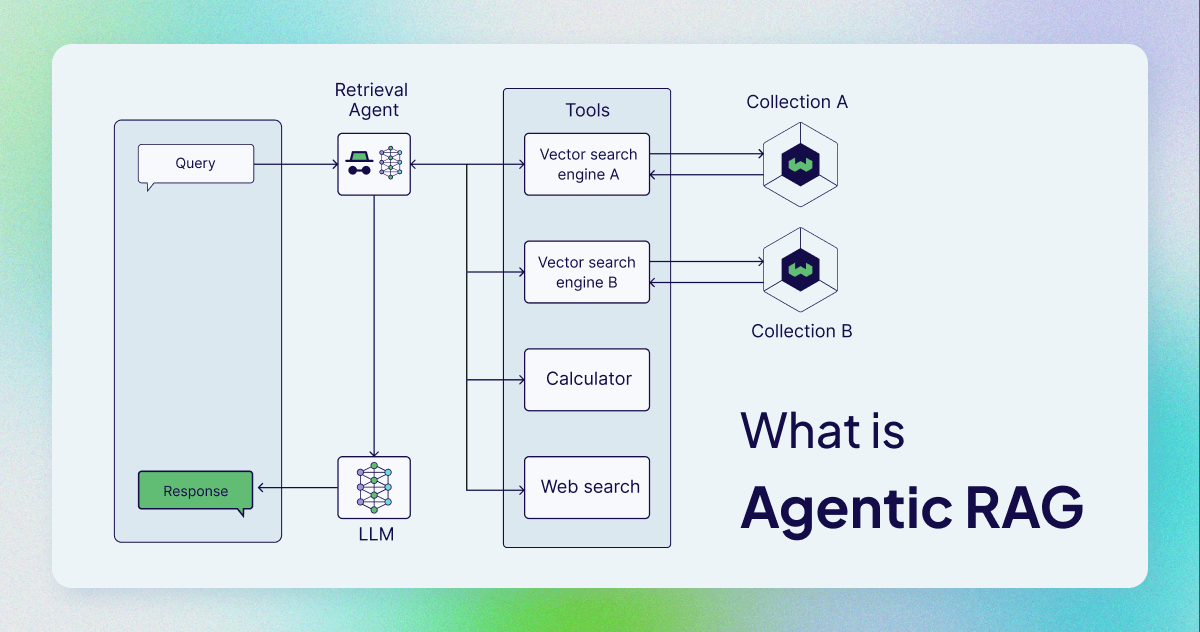
When a user poses a question, the retriever analyzes the query and uses sophisticated search algorithms (often leveraging techniques like vector embeddings) to find the most pertinent snippets of information from its external sources. The goal is to extract the factual context that the LLM needs to formulate an accurate and informed answer.
The Generator
Once the retriever has gathered the relevant information, it passes this context to the generator, which is typically a large language model. The generator then uses this retrieved information, along with its own learned knowledge, to construct a coherent and comprehensive response.
The key advantage here is that the generator is no longer solely dependent on its training data. It can “see” and process the up-to-date, specific information provided by the retriever. This allows for:
- Factually Grounded Responses: By drawing directly from reliable external sources, RAG AI significantly reduces the likelihood of hallucinations and inaccuracies. The AI is more likely to provide answers that are directly supported by evidence.
- Access to Up-to-Date Information: If the external knowledge base is regularly updated, the RAG AI system will always have access to the latest information, making it ideal for dynamic environments.
- Domain-Specific Expertise: By pointing the retriever to specialized internal documents or databases, RAG AI can imbue LLMs with deep expertise in a particular field or company.
Applications Across Key Sectors
The ability of RAG AI to combine the vast generative power of LLMs with the accuracy and currency of external data opens up a world of possibilities across various industries, directly impacting technology, branding, and financial operations.
Revolutionizing Tech and Productivity
From a technological standpoint, RAG AI is a game-changer for how we build and interact with AI tools.
Enhanced AI Tools and Applications
Imagine AI-powered customer support chatbots that can access your company’s latest product manuals and customer history to resolve issues instantly and accurately. Or consider AI assistants that can draft technical documentation by referencing internal code repositories and design specifications. RAG AI makes these scenarios not just possible, but practical.
For developers, RAG can be used to build more intelligent code completion tools, documentation search engines, and even automated testing frameworks that understand the context of a project. The ability to query and synthesize information from diverse technical sources allows for faster development cycles and more robust software.
Personal and Professional Productivity
On a personal level, RAG AI can power more sophisticated personal knowledge management systems. Users can create private knowledge bases of their notes, research, and important documents, and then use a RAG-powered assistant to quickly find answers and synthesize information. This can drastically improve research efficiency, study habits, and the ability to recall complex information.
For professionals, RAG can streamline workflows by providing instant access to company policies, project updates, or competitor analysis. Imagine an employee asking their AI assistant about the latest marketing campaign strategy, and receiving a detailed answer derived from internal strategy documents and recent market reports, rather than a generic, potentially outdated response.
Digital Security and Information Verification
In the realm of digital security, RAG AI can be used to develop more intelligent threat detection systems. By retrieving and analyzing current threat intelligence feeds and internal security logs, RAG can help identify anomalies and potential breaches with greater accuracy. Furthermore, RAG can be employed to create tools that help verify the authenticity of information, by cross-referencing claims with authoritative external sources, combating misinformation.
Shaping Brands and Elevating Marketing
The implications of RAG AI for branding and marketing are profound, enabling organizations to connect with their audiences more effectively and consistently.
Dynamic Brand Communication
A core challenge in branding is maintaining consistent messaging across all touchpoints and ensuring that communication reflects the most current brand guidelines, product information, and marketing strategies. RAG AI can act as a central intelligence hub for a brand’s narrative.
Marketing teams can use RAG-powered tools to generate campaign copy, social media posts, or website content that is perfectly aligned with the latest brand voice and product features. If a brand launches a new product or updates its mission statement, a RAG system can immediately incorporate this information, ensuring that all AI-generated communications are up-to-date and on-brand.
Personalized Marketing and Customer Experience
RAG AI allows for hyper-personalization in marketing. By integrating customer data, purchase history, and engagement patterns with external product catalogs and marketing content, RAG can enable AI to craft highly tailored messages and recommendations. This leads to a more engaging and relevant customer experience, fostering stronger brand loyalty. For instance, a customer service AI could access a customer’s past interactions and current needs to offer solutions that are not only accurate but also empathetic and aligned with their journey.
Reputation Management and Case Studies
In reputation management, RAG AI can continuously monitor online mentions, news articles, and social media sentiment. By retrieving and analyzing this information, it can flag potential issues early and even help draft initial responses or summaries for review. For case studies, RAG can assist in gathering data from past projects, customer testimonials, and performance metrics, making the creation of compelling narratives much more efficient.
Driving Financial Intelligence and Decision-Making
The financial sector, with its inherent need for accuracy, real-time data, and deep domain knowledge, is a prime beneficiary of RAG AI.
Empowering Personal Finance and Investing
For individuals, RAG AI can power more sophisticated personal finance applications. Imagine an AI that can access your bank statements, investment portfolios, and market news to provide personalized financial advice, budget recommendations, or investment insights. By retrieving real-time market data and your personal financial situation, it can offer guidance that is both relevant and actionable.
For investors, RAG can assist in research by retrieving and analyzing financial reports, analyst ratings, and economic indicators. This allows for more informed investment decisions, reducing the reliance on manual data compilation and analysis.
Optimizing Business Finance and Operations
Businesses can leverage RAG AI to gain deeper insights into their financial health. By integrating with accounting software, ERP systems, and market data, RAG can provide sophisticated financial reporting, forecasting, and scenario analysis. An AI could, for example, analyze sales data against inventory levels and market demand to optimize stock management, or forecast future revenue based on current trends and external economic factors.
Facilitating Online Income and Side Hustles
For those pursuing online income streams or side hustles, RAG AI can be a powerful ally. It can help identify market trends, research niche opportunities, and even assist in creating product descriptions, marketing materials, or service offerings. An entrepreneur looking to start a new online store could use RAG to research profitable niches, analyze competitor pricing, and generate product ideas based on current consumer demand.
The Future is Augmented
Retrieval Augmented Generation (RAG) AI is not just another technological buzzword; it represents a fundamental evolution in how AI systems can access, process, and utilize information. By bridging the gap between the generative capabilities of LLMs and the dynamic, factual knowledge of external sources, RAG AI is creating more accurate, context-aware, and ultimately, more useful AI applications.
As RAG technology continues to mature and integrate with even more diverse data sources, we can expect to see its influence grow across all sectors. From building smarter software and more engaging brands to enabling more informed financial decisions, RAG AI is poised to become an indispensable tool in our increasingly data-driven world, pushing the boundaries of what artificial intelligence can achieve.
aViewFromTheCave is a participant in the Amazon Services LLC Associates Program, an affiliate advertising program designed to provide a means for sites to earn advertising fees by advertising and linking to Amazon.com. Amazon, the Amazon logo, AmazonSupply, and the AmazonSupply logo are trademarks of Amazon.com, Inc. or its affiliates. As an Amazon Associate we earn affiliate commissions from qualifying purchases.