
In the landscape of modern retail, few names evoke as much immediate recognition—or as much fervent consumer passion—as Rae Dunn. To the uninitiated, the name might represent nothing more than a simple ceramic mug with a single, elongated word like “COFFEE” or “SIP” emblazoned on the side. However, from a brand strategy perspective, Rae Dunn represents a masterclass in identity, scarcity marketing, and the monetization of a specific lifestyle aesthetic.
Rae Dunn is a California-based artist whose collaboration with licensing giants and retailers has transformed her hand-crafted ceramic style into a global phenomenon. What began as a personal artistic endeavor has evolved into a multi-category brand that dominates the “farmhouse chic” interior design market. This article explores the brand’s strategic pillars, its unique approach to market scarcity, and the psychological drivers that have turned everyday kitchenware into highly sought-after collectibles.
The Core Identity: Defining the Rae Dunn Aesthetic
At the heart of the Rae Dunn brand is a commitment to a very specific, recognizable aesthetic. In a world of over-engineered products and high-gloss finishes, Rae Dunn leaned into the philosophy of wabi-sabi—the Japanese art of finding beauty in imperfection. This foundational principle is what separates the brand from its competitors.
The Power of Typography and “Skinny Letters”
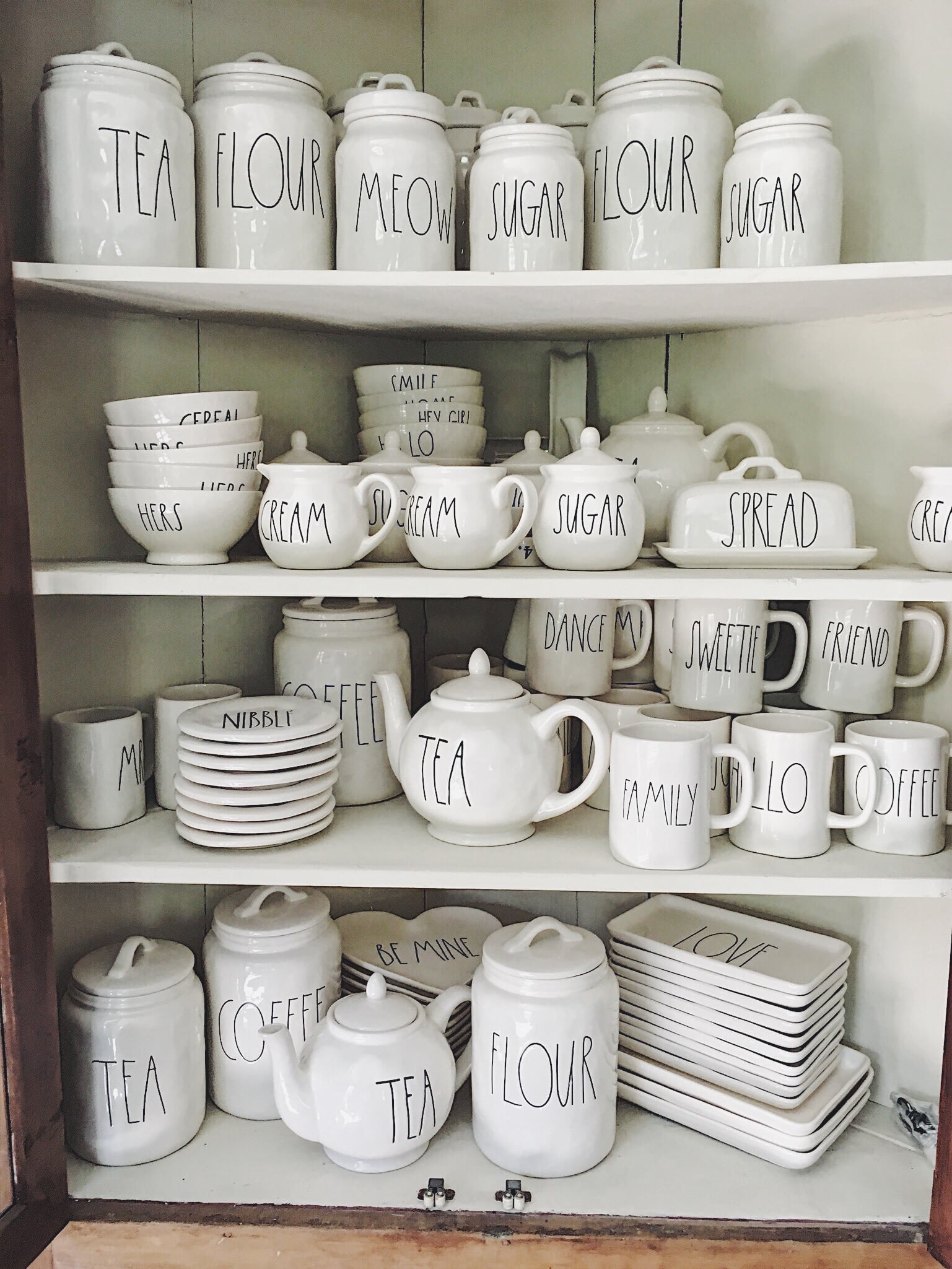
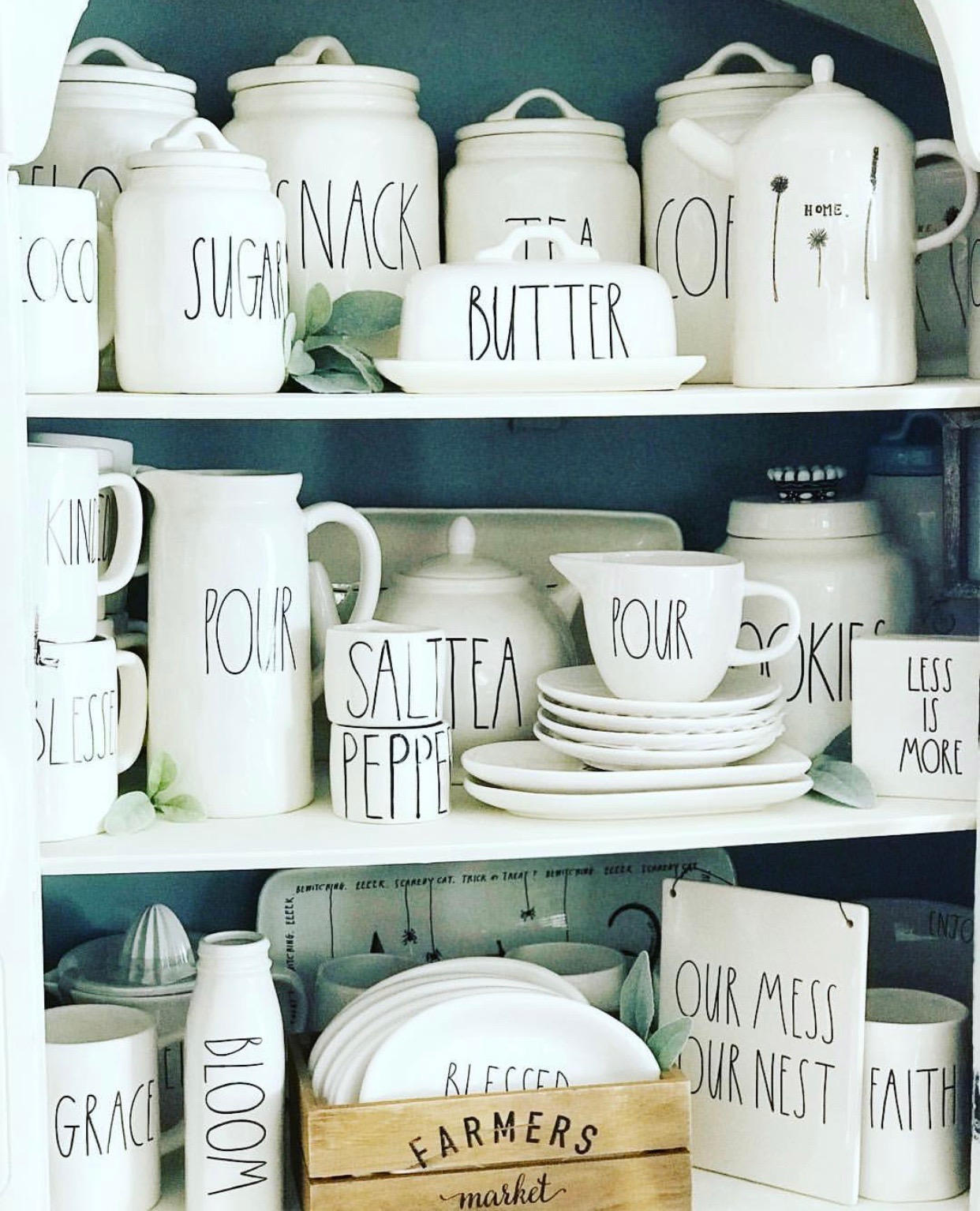
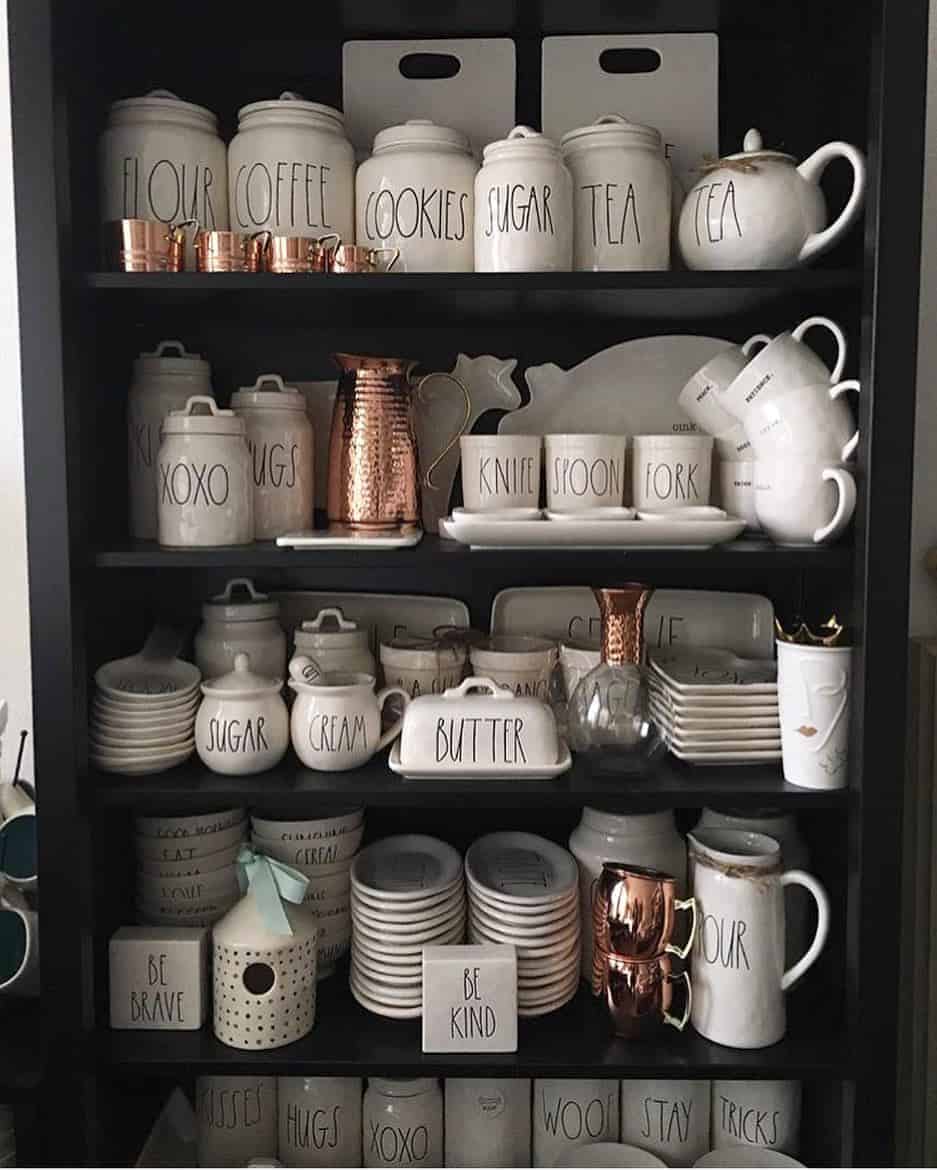
The most iconic element of the Rae Dunn brand is undoubtedly the typography. The hand-lettered, elongated, serif font has become a visual shorthand for the brand itself. Strategically, this typography serves as a powerful “brand signal.” It is instantly recognizable from across a room, allowing consumers to signal their membership in a specific lifestyle community. By using simple, evocative words—such as “EAT,” “HOME,” or “BLESSED”—the brand taps into universal human sentiments, making the products feel personal and intentional rather than mass-produced.
Hand-Crafted Imperfection in a Mass-Market World
The “Rae Dunn look” is defined by slight irregularities. The ceramics often feature subtle dimples, asymmetrical shapes, and a creamy white glaze that suggests a handmade origin. For a corporate identity, this is a brilliant move: it bridges the gap between the artisanal and the commercial. Even though these items are produced at scale through licensing partners like Magenta, they retain the “soul” of an artist’s studio. This perceived authenticity is a high-value currency in modern branding, as consumers increasingly seek out products that feel grounded and human.
The “Less is More” Philosophy
In branding, clarity is often more important than complexity. Rae Dunn’s minimalism allows the products to integrate seamlessly into various home environments, particularly the popular “Modern Farmhouse” style. By keeping the color palette neutral and the messaging concise, the brand avoids the trap of seasonal obsolescence. A “COCOA” mug is as relevant today as it will be in five years, ensuring long-term brand equity and a timeless appeal that encourages repeat purchases.
Strategic Distribution and Scarcity: The TJX Partnership
While the aesthetic is the “what” of the brand, the distribution strategy is the “how.” Unlike many high-end lifestyle brands that aim for exclusive boutiques or luxury department stores, Rae Dunn found its home in the aisles of the TJX Companies (TJ Maxx, Marshalls, and HomeGoods). This choice was pivotal in building the brand’s unique market position.
Exclusivity through Mass Production
It seems like a paradox: how can a brand be exclusive if it is sold at a discount retailer? The Rae Dunn strategy relies on “fragmented availability.” While thousands of items are produced, they are distributed inconsistently across thousands of locations. A customer might find a “FLOUR” canister in one store but never see it again in another. This creates an environment where the product is both affordable and incredibly difficult to find, driving a sense of urgency that traditional retail models often lack.
The “Thrill of the Hunt” Marketing Model
This distribution strategy has birthed a consumer behavior known as “hunting.” Because the inventory is unpredictable, shoppers are incentivized to visit stores frequently—sometimes daily—to check for new arrivals. From a brand perspective, this is a dream scenario. The brand does not need to spend millions on traditional advertising because the scarcity of the product generates its own organic buzz. The “hunt” becomes a gamified shopping experience, where the reward is a $5.99 mug that feels like a rare trophy.
Inventory Management as a Branding Tool
Rae Dunn’s licensing partners release products in small “drops” or seasonal collections. By limiting the production runs of specific words or shapes, they maintain high demand and a robust secondary market. This strategy prevents market saturation and ensures that the brand remains “fresh.” When a brand can maintain its desirability despite being sold at a discount price point, it has successfully decoupled its value from its MSRP, relying instead on emotional and psychological worth.
Community and the Cult of the Brand
A brand is only as strong as the community it fosters. Rae Dunn has managed to transcend the status of a “product” to become a “lifestyle identifier.” This transformation is largely due to the massive, self-sustaining digital community that has grown around the brand.
Social Media and the “Dunn Hunter” Phenomenon
Platforms like Instagram, Pinterest, and Facebook are flooded with images of curated “Dunn Displays.” The hashtag #RaeDunn has millions of posts, showcasing how enthusiasts style their collections. This user-generated content (UGC) provides the brand with infinite marketing material and social proof. More importantly, it has created a subculture of “Dunn Hunters”—dedicated collectors who share tips on store restocks, trade rare items, and form genuine social bonds over their shared hobby.
Emotional Connection and Nostalgia
The brand taps into a deep-seated desire for comfort and nostalgia. The simple words used on the pottery—”OATMEAL,” “POOF,” “DREAM”—evoke a sense of childhood simplicity and domestic peace. In an increasingly digital and chaotic world, these tactile, analog objects offer a grounding influence. Successful branding often targets the “limbic system” of the brain—the area responsible for emotions and memories—and Rae Dunn does this by turning a functional kitchen item into an emotional touchstone.
Brand Loyalty in the Digital Age
The loyalty of Rae Dunn collectors is legendary. This loyalty is maintained through a delicate balance of accessibility and aspiration. While the brand is affordable, the community creates a hierarchy based on “HTF” (Hard To Find) items. This internal ecosystem keeps consumers engaged for years. They aren’t just buying a plate; they are participating in a narrative of collection and curation, which is a much more powerful driver of long-term loyalty than price or utility alone.
Scaling a Personal Brand into a Commercial Empire
The transition from Rae Dunn the artist to Rae Dunn the global brand is a significant case study in successful licensing and brand expansion. Maintaining the integrity of a personal brand while scaling for mass-market consumption is a challenge that many fail to navigate.
Licensing and Product Diversification
Rae Dunn’s success is built on a sophisticated licensing model. By partnering with companies like Magenta Inc., the brand was able to move beyond ceramics into textiles, office supplies, pet products, and even holiday decor. Each new category adheres strictly to the core visual identity. Whether it is a dog bed or a notebook, the “skinny letter” typography and minimalist aesthetic remain constant. This consistency allows the brand to capture a larger “share of wallet” from its existing fans without diluting the brand’s core message.
Maintaining Authenticity During Growth
One of the risks of mass-market success is “brand fatigue” or the perception of “selling out.” Rae Dunn has mitigated this by keeping the artist herself at the center of the narrative. Rae Dunn remains an active artist, and her personal brand—centered on her quiet life in the San Francisco Bay Area, her love for her dog, and her sketches—provides the “origin story” that justifies the mass-market products. Consumers feel they are supporting an artist’s vision, even when they are buying that vision at a corporate retailer.
Lessons for Modern Entrepreneurs
The Rae Dunn story offers several key lessons for brand builders:
- Find Your “Signature”: Develop a visual element that is uniquely yours and apply it consistently.
- Lean Into Scarcity: Even if you produce a lot, don’t make it all available everywhere at once.
- Build a Community, Not Just a Customer Base: Give your followers a reason to talk to each other, not just to you.
- Value Imperfection: In an age of AI and automation, the human touch (or the appearance of it) is a premium feature.
In conclusion, Rae Dunn is far more than a collection of ceramics. It is a sophisticated branding ecosystem that leverages minimalist design, strategic scarcity, and community engagement to create a powerhouse in the lifestyle market. By understanding the psychology of the “hunt” and the emotional resonance of simple, authentic design, the brand has secured a permanent place in the homes—and hearts—of millions.
aViewFromTheCave is a participant in the Amazon Services LLC Associates Program, an affiliate advertising program designed to provide a means for sites to earn advertising fees by advertising and linking to Amazon.com. Amazon, the Amazon logo, AmazonSupply, and the AmazonSupply logo are trademarks of Amazon.com, Inc. or its affiliates. As an Amazon Associate we earn affiliate commissions from qualifying purchases.