
In the landscape of modern physics and technological innovation, few concepts are as foundational—yet as frequently misunderstood—as radiant energy. Often simplified to mean “light” or “heat,” radiant energy actually encompasses the entire spectrum of electromagnetic radiation. From the microwave signals that carry our cellular data to the laser pulses that drive the global internet through fiber-optic cables, radiant energy is the invisible currency of the digital age.
Understanding what radiant energy is requires a shift in perspective. It is not merely a byproduct of physical processes; it is a dynamic form of energy that travels in waves or particles (photons) and does not require a medium to move. This unique characteristic is what allows us to communicate with satellites in the vacuum of space and harness the power of the sun. For tech enthusiasts, engineers, and digital architects, mastering the principles of radiant energy is essential to understanding the future of hardware, connectivity, and artificial intelligence.

1. The Mechanics of Radiant Energy: Waves, Photons, and the Spectrum
To appreciate how radiant energy drives technology, one must first understand its dual nature. Radiant energy exists as electromagnetic waves, characterized by their frequency and wavelength. Unlike mechanical energy (like sound), which requires air or water to travel, radiant energy is self-sustaining.
Defining the Electromagnetic Spectrum
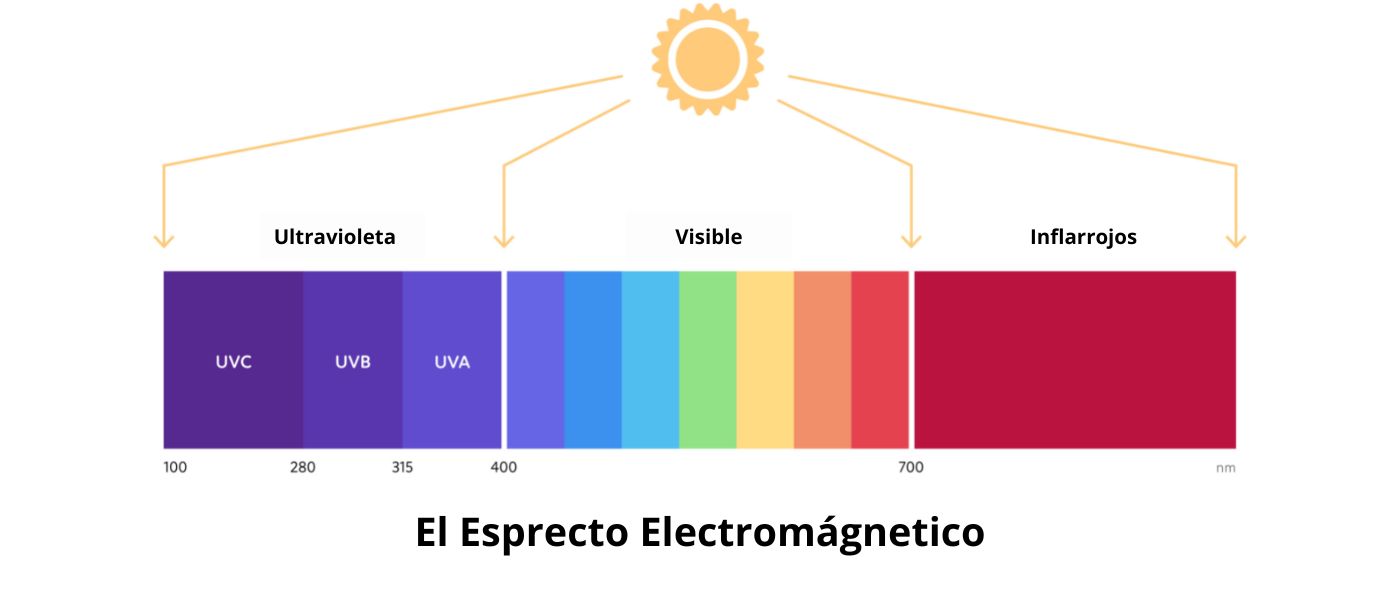
The electromagnetic spectrum is the roadmap of radiant energy. At one end, we have low-frequency radio waves, and at the other, high-frequency gamma rays. In between lies the visible light we see, the infrared radiation we feel as heat, and the ultraviolet light used in semiconductor manufacturing. Every modern “gadget” utilizes a specific slice of this spectrum. For instance, Wi-Fi routers operate on specific radio frequency bands, while the FaceID sensors on smartphones utilize infrared radiant energy to map a user’s features in 3D.
The Quantization of Energy: Photons in Tech
In the realm of quantum technology and high-end sensors, we treat radiant energy as discrete packets called photons. This perspective is vital for the development of digital cameras and solar cells. When a photon strikes a silicon wafer in a camera sensor, it displaces an electron, creating a digital signal. This conversion of radiant energy into electrical data is the “magic” behind every digital image captured today. As we move toward quantum computing, the ability to manipulate individual photons—packets of radiant energy—will be the key to unprecedented processing speeds.
2. Radiant Energy in Physical Infrastructure: Fiber Optics and Connectivity
Perhaps the most significant application of radiant energy in the tech world is the global telecommunications grid. While we often think of the internet as “the cloud,” it is actually a physical network of glass cables pulsating with radiant energy.
Fiber Optics: Data at the Speed of Light
Fiber-optic technology represents the pinnacle of radiant energy application. By converting electrical data into pulses of light (visible or near-infrared radiant energy), we can transmit massive amounts of information over thousands of miles with minimal signal loss. This process relies on “total internal reflection,” where the radiant energy is trapped within a glass core. Because light travels faster and at higher frequencies than electrical signals in copper wire, radiant energy allows for the gigabit and terabit speeds that define modern enterprise technology.
The Evolution of Wireless Communication: From 5G to 6G
Wireless tech is essentially the management of radiant energy in the radio and microwave frequencies. As we transition from 5G to 6G, tech developers are pushing into higher frequency bands, such as “millimeter waves.” These waves are a form of radiant energy that can carry significantly more data than traditional radio waves, though they have shorter ranges. The challenge for modern tech hardware is building antennas and receivers sensitive enough to harvest this high-frequency radiant energy effectively without being blocked by physical obstacles.
3. Powering the Future: Energy Harvesting and Remote Charging
As the Internet of Things (IoT) expands, the need to power billions of small devices without traditional batteries or wires has become a primary focus of tech R&D. Radiant energy is the solution to this “power bottleneck.”

Photovoltaics and Micro-Solar Integration
We are moving beyond large-scale solar farms. Modern tech is seeing the integration of “micro-photovoltaics” directly into gadgets. E-ink tablets, smartwatches, and even laptop lids are being designed to harvest ambient radiant energy from indoor lighting to trickle-charge batteries. This “energy harvesting” ensures that devices can remain “always-on” by converting the radiant energy of a lightbulb or the sun into usable DC current.
The Frontier of Far-Field Wireless Charging
One of the most exciting trends in consumer tech is “over-the-air” wireless charging. Unlike traditional Qi charging, which requires physical contact (inductive charging), far-field charging uses focused beams of radiant energy (usually in the infrared or radio frequency spectrum) to power a device from across a room. A transmitter identifies the device’s location and sends a targeted stream of radiant energy to a receiver, which converts it back into electricity. This technology promises a future where our smartphones and wearables never need to be plugged in.
4. Optical Computing: The Next Leap in Processing Power
For decades, the tech industry has relied on electrons moving through silicon (electronics). However, as chips get smaller, we are hitting the limits of heat and physics. Enter “photonics” or optical computing, which uses radiant energy instead of electricity to perform logic operations.
Replacing Electrons with Photons
In a traditional CPU, moving electrons generate significant heat due to resistance, which limits processing speed. Optical computers use radiant energy to carry out calculations. Because photons do not have mass or charge, they do not interfere with one another and generate virtually no heat. This allow for “massively parallel” processing, where multiple streams of radiant energy can pass through the same architecture simultaneously, potentially making AI training and complex simulations thousands of times faster than today’s best GPUs.
LIDAR and Computer Vision
Radiant energy is also the “eyes” of the AI revolution. LIDAR (Light Detection and Ranging) systems used in autonomous vehicles and high-end drones work by emitting pulses of radiant energy and measuring the time it takes for them to bounce back. By analyzing the behavior of this reflected radiant energy, AI algorithms can construct high-definition 3D maps of the environment in real-time. This is a primary example of how sensing radiant energy is essential for the development of robotics and spatial computing.
5. Thermal Management and the “Dark Side” of Radiant Energy
In the world of high-performance computing and data centers, radiant energy is both a tool and a challenge. Every server rack emits radiant energy in the form of infrared radiation—commonly known as heat.
Infrared Sensing and Thermal Regulation
Managing the radiant heat emitted by high-end processors is one of the greatest challenges in hardware design. Modern laptops and servers use sophisticated thermal management systems that include infrared sensors to monitor heat signatures. If the radiant energy output exceeds a certain threshold, the system “throttles” the hardware to prevent damage. Innovation in “radiant cooling” materials is also on the rise—these are surfaces designed to emit infrared radiant energy back into the atmosphere more efficiently, allowing devices to stay cool without noisy fans.
Security and Signal Interference
As we saturate our environment with various forms of radiant energy—Wi-Fi, Bluetooth, 5G, Satellite—the risk of “signal noise” or interference grows. Tech security firms are now focusing on “TEMPEST” shielding and electromagnetic interference (EMI) protection. Because radiant energy can “leak” from cables and devices, sophisticated hackers can potentially intercept the radiant signatures of a keyboard or monitor to steal data. Modern digital security involves not just firewalls and passwords, but the physical shielding of radiant energy to ensure data privacy.
Conclusion: The Radiant Future
Radiant energy is the invisible thread that connects every facet of modern technology. It is the light in our screens, the signal in our airwaves, the power in our solar cells, and the potential future of our processors. As we move toward a world defined by 6G connectivity, AI-driven robotics, and green energy, our ability to manipulate, harvest, and protect radiant energy will be the defining factor of technological progress.
For the tech-savvy individual, understanding radiant energy is no longer an academic exercise; it is a prerequisite for navigating a world where the boundaries between the physical and the digital are increasingly blurred by the speed of light. Whether it is through the deployment of massive satellite constellations or the refinement of a single pixel on an OLED display, radiant energy remains the most powerful tool in the innovator’s toolkit.
aViewFromTheCave is a participant in the Amazon Services LLC Associates Program, an affiliate advertising program designed to provide a means for sites to earn advertising fees by advertising and linking to Amazon.com. Amazon, the Amazon logo, AmazonSupply, and the AmazonSupply logo are trademarks of Amazon.com, Inc. or its affiliates. As an Amazon Associate we earn affiliate commissions from qualifying purchases.