
In the ever-evolving landscape of personal computing and digital entertainment, graphics processing units (GPUs) stand as silent titans, powering everything from the most demanding video games to complex AI computations. Among the leading players in this crucial technology is AMD’s Radeon brand. But what exactly is Radeon? This article delves into the heart of AMD’s graphics division, exploring its significance across technology, its brand identity, and its impact on the financial world.
The term “Radeon” isn’t just a catchy name; it represents a lineage of graphical processing hardware and the associated software that collectively define AMD’s presence in the graphics card market. From its inception, Radeon has been synonymous with pushing the boundaries of visual fidelity, performance, and innovation. Whether you’re a seasoned gamer, a creative professional, or simply a curious tech enthusiast, understanding Radeon is key to grasping the current state and future trajectory of visual computing.
The Technological Core: Radeon’s Evolution and Architecture
At its fundamental level, Radeon refers to AMD’s proprietary line of Graphics Processing Units (GPUs) and the integrated graphics found in their APUs (Accelerated Processing Units). These are specialized electronic circuits designed to rapidly manipulate and alter memory to accelerate the creation of images intended for output to a display device. The sheer processing power of a Radeon GPU is staggering, enabling it to handle complex graphical calculations that would overwhelm a conventional CPU.
From ATI to AMD: A Legacy of Innovation
The Radeon brand has a rich history, tracing its roots back to ATI Technologies, a company renowned for its pioneering work in graphics. ATI introduced the first Radeon graphics card in 2000, and its impact was immediate. Over the years, ATI’s Radeon cards became synonymous with excellent performance for their price point, often offering compelling alternatives to dominant competitors. In 2006, AMD acquired ATI, integrating its established graphics expertise into its broader semiconductor portfolio. This merger allowed AMD to develop more cohesive and powerful solutions, combining its CPU technology with ATI’s graphics prowess to create the APUs that are prevalent in many laptops and consoles today.
Architectural Advancements: GCN, RDNA, and Beyond
The performance and capabilities of Radeon GPUs are intrinsically linked to their underlying architecture. AMD has consistently iterated and improved upon its designs to deliver greater efficiency and raw power.
Graphics Core Next (GCN): The Foundation for Modern Graphics
For many years, AMD’s graphics architecture was dominated by Graphics Core Next (GCN). Introduced in 2012, GCN was a significant departure from previous designs, focusing on a more unified and efficient approach to parallel processing. GCN introduced the concept of Compute Units (CUs), which are the fundamental building blocks of the GPU. Each CU houses a set of stream processors, texture units, and other components, allowing it to handle a variety of graphical tasks. GCN’s modular design enabled AMD to scale its GPUs effectively, from entry-level cards to high-end powerhouses, and laid the groundwork for future architectural leaps. Its strengths lay in its versatility, catering well to both gaming and general-purpose computing (GPGPU) workloads.
Radiance Next Architecture (RDNA): A New Era of Performance and Efficiency
More recently, AMD has transitioned to its Radiance Next Architecture (RDNA), starting with RDNA 1 and progressing through RDNA 2 and RDNA 3. RDNA represents a significant redesign focused on enhancing performance per watt and improving efficiency, particularly for gaming workloads. Key advancements in RDNA architectures include:
- Stream Processor Enhancements: RDNA architectures feature improved stream processors that are more efficient and powerful.
- Ray Tracing Cores: RDNA 2 and RDNA 3 introduce dedicated Ray Accelerators for hardware-accelerated ray tracing, a rendering technique that simulates the physical behavior of light for incredibly realistic visuals. This has been a major focus for modern gaming and visual design.
- Infinity Cache: RDNA 2 and RDNA 3 incorporate AMD’s Infinity Cache, a large, high-bandwidth L3 cache located on the GPU die. This dramatically reduces memory latency and increases effective memory bandwidth, leading to significant performance gains, especially at higher resolutions.
- Power Efficiency Improvements: RDNA architectures are designed with power efficiency as a core tenet, allowing for higher clock speeds and better performance within a given power budget.
These architectural evolutions are not just academic exercises; they translate directly into tangible benefits for users. Faster loading times in games, smoother frame rates, the ability to run visually demanding titles at higher resolutions and with more complex graphical settings, and accelerated rendering times for professional applications are all direct results of AMD’s continuous innovation in Radeon GPU architecture.
Software and Drivers: The Unsung Heroes
While the hardware is the star of the show, the software ecosystem surrounding Radeon is equally critical. AMD’s Radeon Software Adrenalin Edition is a comprehensive suite that not only allows users to fine-tune their graphics settings but also provides a wealth of features for gamers and content creators. This includes:
- Performance Monitoring and Tuning: Users can track their GPU performance in real-time and adjust various settings to optimize for specific games or applications.
- Recording and Streaming Tools: Built-in features for capturing gameplay and streaming to popular platforms are invaluable for content creators.
- Image Sharpening and Enhancement: Technologies like Radeon Image Sharpening (RIS) can improve visual clarity in games, while AMD’s FidelityFX suite offers a range of post-processing effects to enhance image quality.
- Driver Updates: Regular driver updates are crucial for ensuring compatibility with new games and applications, as well as for patching performance issues and security vulnerabilities. AMD’s commitment to frequent and stable driver releases is a key aspect of the Radeon experience.
The Brand Identity: Radeon’s Market Position and Perception
Beyond the raw technology, Radeon has cultivated a distinct brand identity within the competitive GPU market. AMD’s branding strategy for Radeon has consistently focused on delivering value, performance, and accessibility, often positioning itself as a strong contender that provides compelling alternatives to its rivals.
A Challenger’s Spirit: Value and Performance
Historically, Radeon has often been perceived as the more accessible option, offering a strong performance-per-dollar proposition. This has made it a popular choice for a wide range of consumers, from budget-conscious gamers to those seeking robust performance without breaking the bank. The brand has successfully built a reputation for providing excellent gaming experiences, often at price points that encourage wider adoption.
Targeting Diverse Audiences: From Gamers to Professionals
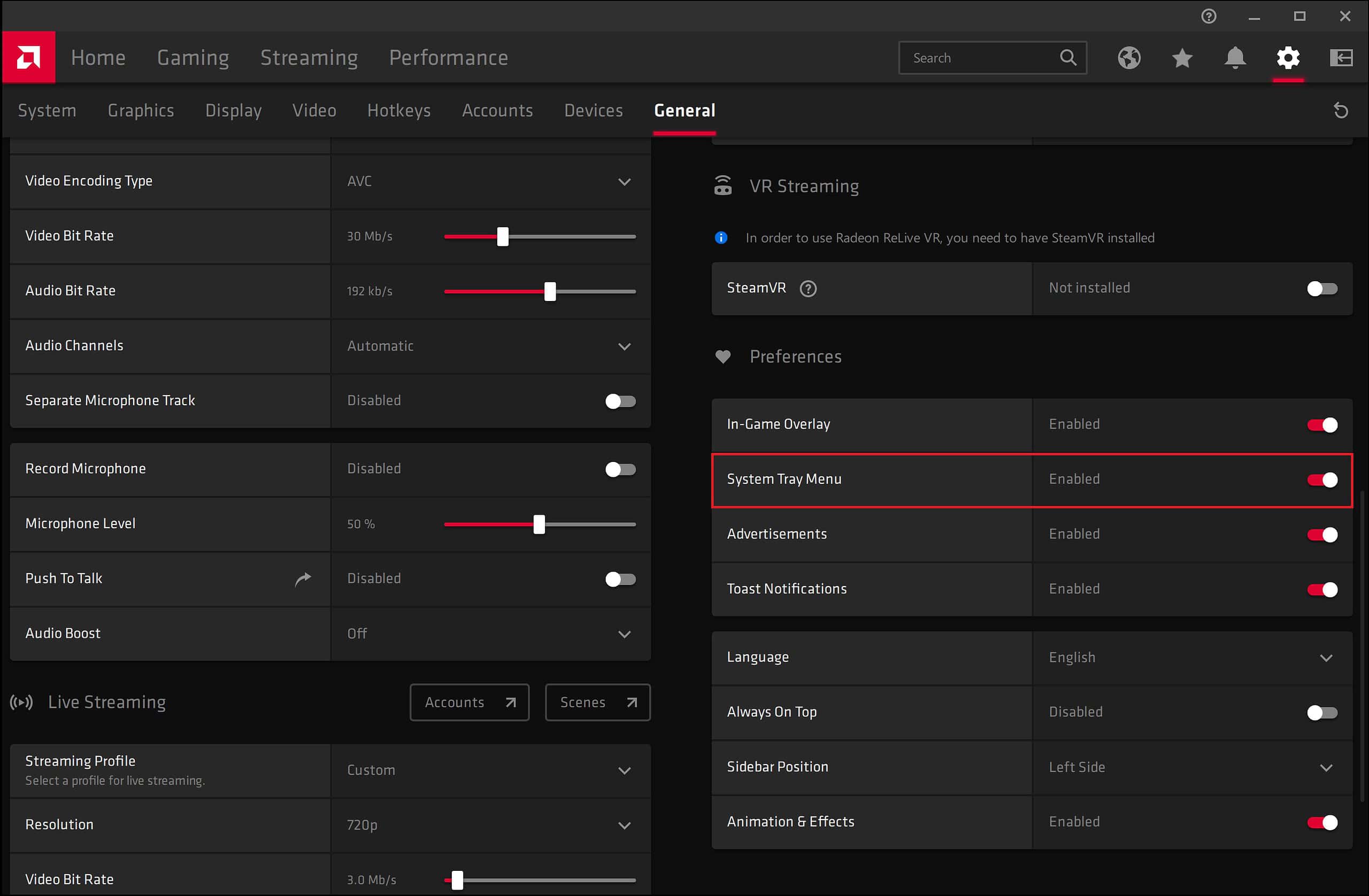
While gaming has always been a primary focus for Radeon, AMD has increasingly expanded its reach to professional markets. Radeon Pro graphics cards are designed for demanding creative workloads such as video editing, 3D modeling, CAD, and scientific visualization. These cards are optimized for professional applications and come with certified drivers that ensure stability and compatibility with industry-standard software. This dual approach allows the Radeon brand to cater to a broad spectrum of users, from casual gamers to seasoned professionals.
Community and Ecosystem: Building Loyalty
AMD has also invested in building a strong community around its Radeon brand. Through developer outreach, engagement with content creators, and active participation in online forums and social media, AMD fosters a sense of loyalty among its users. This ecosystem approach is crucial in the tech industry, where word-of-mouth and community support can significantly influence purchasing decisions. Case studies and benchmarks shared by the community often highlight the strengths and capabilities of Radeon hardware, further solidifying its brand perception.
The Financial Landscape: Radeon’s Impact on Investment and the Economy
The Radeon brand, as a core component of AMD’s business, has a significant impact on the financial world, influencing investment decisions, driving market competition, and contributing to the broader economic landscape of the technology sector.
AMD’s Financial Performance: A Key Revenue Driver
Graphics processors are a major revenue stream for AMD. The success of its Radeon line directly correlates with AMD’s financial performance. Strong sales of Radeon GPUs, both discrete cards and integrated graphics, contribute to the company’s top-line revenue and profitability. Investors closely monitor AMD’s GPU market share and the performance of its Radeon products when evaluating the company’s prospects. The competition between AMD’s Radeon and NVIDIA’s GeForce is a constant factor in the tech stock market, with each product cycle and earnings report scrutinized for insights into market dynamics.
The GPU Market: Competition and Innovation
The intense competition between AMD’s Radeon and its primary competitor, NVIDIA’s GeForce, is a driving force behind innovation in the GPU market. This rivalry benefits consumers and businesses alike, as both companies are compelled to release increasingly powerful and efficient hardware to gain market share. The ongoing “arms race” in GPU technology fuels advancements that trickle down to various applications, from entertainment to scientific research. The financial implications are substantial, with billions of dollars invested annually in research and development, manufacturing, and marketing of these critical components.
Empowering Digital Economies: Online Income and Productivity
Beyond the direct financial performance of AMD, Radeon technology plays an indirect but crucial role in empowering digital economies and personal finance.
- Gaming Industry Growth: The vast and rapidly growing gaming industry relies heavily on powerful GPUs like those offered by Radeon. The ability to deliver immersive and visually stunning gaming experiences directly fuels this multi-billion dollar market. Streamers and content creators within the gaming community often leverage Radeon hardware to produce high-quality content, generating income through platforms like Twitch and YouTube.
- Creative Professions and Side Hustles: For freelance artists, designers, video editors, and other creative professionals, Radeon Pro GPUs can be essential tools for their livelihood. Efficient rendering and processing capabilities enable them to take on more complex projects and complete them faster, directly impacting their earning potential. This also extends to individuals pursuing “side hustles” that involve digital content creation or graphic design, where affordable yet powerful Radeon cards can be a crucial investment.
- AI and Machine Learning Development: While often associated with dedicated AI accelerators, GPUs, including Radeon cards, are increasingly used for training and deploying machine learning models. This has profound implications for businesses developing AI tools and applications, potentially leading to new revenue streams and increased productivity through automation and intelligent systems. The accessibility of powerful graphics hardware at various price points democratizes access to these emerging technologies.
- Financial Tools and Performance Analysis: Even in the realm of personal finance and investing, the power of modern computing, often facilitated by robust GPUs, is essential. Complex financial modeling, data analysis, and algorithmic trading all benefit from significant processing power. While not directly tied to the Radeon brand in every instance, the underlying technological advancements in graphics processing contribute to the infrastructure that supports these activities.
In conclusion, Radeon is far more than just a brand name for graphics cards. It represents a technological lineage of innovation, a strategically positioned brand within a highly competitive market, and a significant contributor to the economic forces that shape our digital world. From the intricate architectures that render breathtaking visuals to the community and financial ecosystems it supports, Radeon stands as a testament to the power and importance of advanced graphics processing in the 21st century.
aViewFromTheCave is a participant in the Amazon Services LLC Associates Program, an affiliate advertising program designed to provide a means for sites to earn advertising fees by advertising and linking to Amazon.com. Amazon, the Amazon logo, AmazonSupply, and the AmazonSupply logo are trademarks of Amazon.com, Inc. or its affiliates. As an Amazon Associate we earn affiliate commissions from qualifying purchases.