
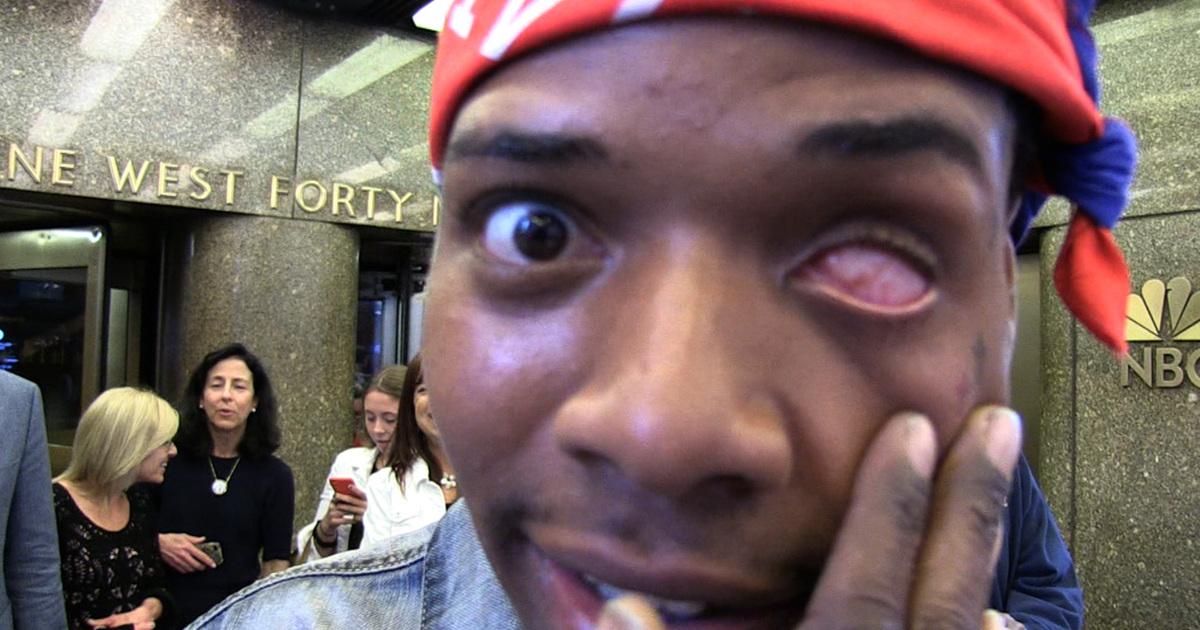
In the hyper-competitive landscape of the global entertainment industry, visibility is the primary currency. However, “visibility” does not merely refer to being seen; it refers to being remembered. When Willie Maxwell II, known professionally as Fetty Wap, burst onto the music scene in 2014 with the chart-topping hit “Trap Queen,” the public’s attention was immediately captured by two things: his unique melodic flow and his striking physical appearance. Specifically, the absence of his left eye became a central point of public discourse.
While many viewed the condition through the lens of a “medical injury,” from a strategic branding perspective, it represented something far more profound. It was a masterclass in organic brand differentiation. By choosing not to hide his condition, Fetty Wap leveraged a perceived vulnerability into a powerful visual trademark. This article explores the intersection of personal narrative and brand strategy, examining how Fetty Wap’s approach to his identity offers critical lessons for modern brand development and market positioning.
Authenticity as a Brand Pillar: The Narrative of Resilience
In the realm of personal branding, authenticity is often touted as a buzzword, yet few figures embody it as effectively as Fetty Wap did during his rise. For years, rumors circulated that he had been shot or involved in a violent altercation—narratives that are common in the gritty “trap” subgenre of hip-hop. However, the truth was much more human: he lost his eye to congenital glaucoma as a child.
Challenging Industry Beauty Standards
The music industry, particularly the pop and hip-hop crossover markets, has historically been obsessed with a polished, curated aesthetic. Artists are often pressured to hide physical “imperfections” to appeal to a broader demographic. Fetty Wap’s decision to forgo a prosthetic eye was a radical departure from these norms. By presenting himself exactly as he was, he signaled a level of self-assurance that resonated deeply with a generation of consumers who value “the real” over “the manufactured.”
From a brand strategy standpoint, this was a move toward high-integrity positioning. When a brand refuses to mask its history or its unique characteristics, it builds a foundation of trust. Fetty Wap’s face became a symbol of resilience, transforming a medical history into a badge of authenticity that bolstered his artistic persona.
The Power of the Origin Story
Every successful brand needs a “founding myth” or a compelling origin story. Fetty Wap’s eye condition provided a natural narrative arc of overcoming adversity. By eventually clarifying that the loss was due to a childhood illness rather than violence, he pivoted the brand from one of “danger” to one of “survival and success.” This pivot allowed him to maintain his street credibility while simultaneously making him a more sympathetic and inspirational figure for mainstream audiences.
Visual Differentiation: Standing Out in a Saturated Market
In any industry, the greatest challenge is the “sea of sameness.” Whether you are a software startup or a recording artist, if you look and sound like everyone else, your cost of customer acquisition sky rockets. Fetty Wap avoided this trap through involuntary—and then voluntary—visual differentiation.
The Psychology of Recognition
The human brain is wired to recognize patterns and anomalies. In a lineup of dozens of rising rappers in 2015, Fetty Wap was instantly recognizable. This is the “Purple Cow” theory popularized by Seth Godin: in a field of brown cows, a purple cow stands out and demands attention.
His physical appearance served as a natural logo. Just as the Nike Swoosh or the Apple logo is recognizable without text, Fetty Wap’s silhouette became an iconic visual asset. This immediate recognition reduced the friction of brand discovery. Before a listener even heard a note of his music, they knew who he was. This visual hook ensured that his brand stayed top-of-mind during the critical early stages of his career.
Consistency as a Brand Asset
Branding fails when it is inconsistent. If Fetty Wap had worn an eye patch one day, a prosthetic the next, and sunglasses the third, the brand message would have been diluted. By consistently showing his face without ornamentation, he solidified his visual identity. This consistency turned a physical trait into a strategic asset. In business terms, this is equivalent to a company maintaining a strict visual language across all platforms—it builds “brand equity” through repetition and reliability.
Strategic Transparency: Managing Public Perception and Market Narrative
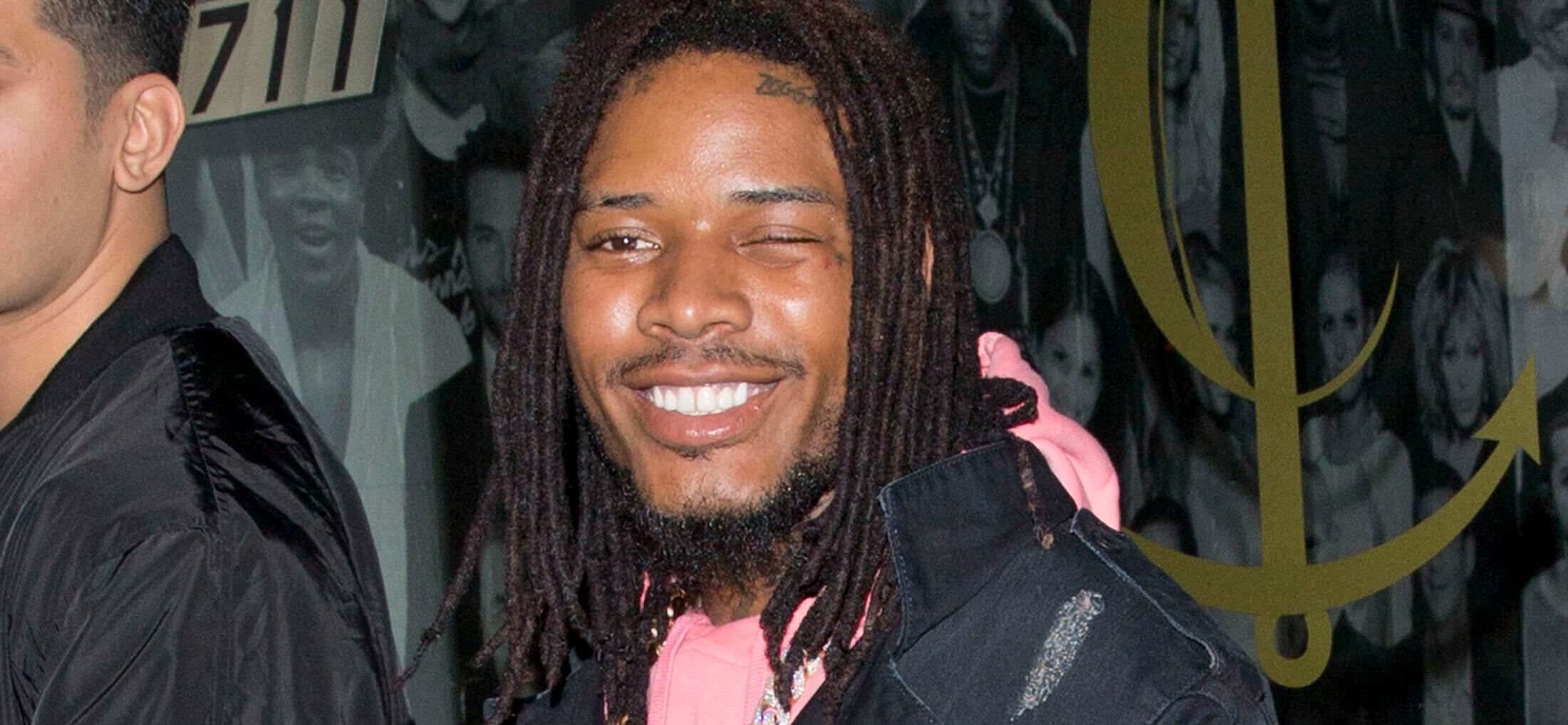
In the digital age, a brand’s story is often told by the public before the brand has a chance to tell it itself. Fetty Wap’s management of the “eye injury” narrative provides a fascinating case study in strategic transparency and PR management.
Controlling the Narrative vs. Allowing Speculation
For a period, Fetty Wap allowed the mystery surrounding his eye to linger. In marketing, mystery can be a powerful tool for engagement; it drives “search intent” and social media conversation. However, mystery eventually hits a point of diminishing returns.
When the speculation reached its peak, he addressed the issue directly in interviews, explaining the glaucoma diagnosis and the failed surgeries of his youth. This move was a tactical “brand refresh.” By providing the facts, he took the power away from gossip outlets and repositioned himself as a transparent leader of his own narrative. For corporate brands, this mirrors the strategy of addressing a product flaw or a company setback head-on to prevent long-term reputational damage.
Converting Vulnerability into Authority
By discussing his eye condition, Fetty Wap moved from being a subject of curiosity to an authority on his own life. He empowered fans who also felt “different” or “scarred.” This created a deep emotional connection—the “holy grail” of branding. When a brand can move a consumer from mere recognition to emotional loyalty, it achieves a level of sustainability that transcends temporary trends. Fetty Wap’s brand became about more than just music; it became about the courage to be oneself in a world that demands conformity.
Lessons for Modern Personal Branding and Corporate Identity
The story of how Fetty Wap navigated public perception regarding his eye offers several high-level takeaways for entrepreneurs, marketers, and brand strategists.
Embracing the “Unique Value Proposition” (UVP)
In business, your UVP is what makes you different and better than the competition. Often, companies try to hide the things that make them different because they fear they are “too weird” or “unconventional.” Fetty Wap’s success proves that what makes you different is often your most valuable asset. The goal of branding is not to fit in; it is to stand out. Brands should identify their “eye”—that one unique, perhaps even controversial trait—and lead with it.
Humanizing the Identity
We are living in an era of “Human-to-Human” (H2H) marketing. Consumers are increasingly wary of faceless corporations and overly polished influencers. They want to see the “scars.” Fetty Wap’s brand was humanized by his condition. It made him relatable despite his massive wealth and fame.
Corporate brands can learn from this by showing the “behind-the-scenes” struggles, admitting to mistakes, and showcasing the humans behind the products. A brand that is “too perfect” is often perceived as “too fake.” Vulnerability, when handled with confidence, is a competitive advantage.
The Longevity of Visual Assets
Finally, Fetty Wap’s career reminds us that while trends in music or technology may change, a strong visual identity has longevity. Even as his musical output fluctuated in later years, his “brand” remained intact. People still know exactly who he is because of the visual foundation he built in 2015.
For businesses, this underscores the importance of investing in a timeless and distinctive visual identity. Your logo, your color palette, and your “public face” should be designed to endure beyond the current market cycle.

Conclusion: The Legacy of a Bold Brand Strategy
What many initially dismissed as a tragic “eye injury” was, in reality, the catalyst for one of the most successful brand launches of the 2010s. Fetty Wap did not succeed in spite of his eye; he succeeded, in large part, because of how he chose to integrate it into his brand identity.
He taught the world of marketing that authenticity is not about being perfect—it is about being honest. By leaning into his unique physical reality, he bypassed the traditional hurdles of the music industry and established a global brand that was instantly recognizable, deeply relatable, and strategically differentiated. For any brand looking to make an impact in a crowded marketplace, the lesson is clear: your perceived flaws are often your greatest strengths, provided you have the courage to make them the centerpiece of your story.
aViewFromTheCave is a participant in the Amazon Services LLC Associates Program, an affiliate advertising program designed to provide a means for sites to earn advertising fees by advertising and linking to Amazon.com. Amazon, the Amazon logo, AmazonSupply, and the AmazonSupply logo are trademarks of Amazon.com, Inc. or its affiliates. As an Amazon Associate we earn affiliate commissions from qualifying purchases.