
In the complex landscape of hospitality finance, understanding the nomenclature of pricing is essential for both business owners and savvy investors. One of the most fundamental yet often misunderstood terms is the “rack rate.” While the modern traveler rarely pays it, the rack rate remains the financial North Star for hotel operations, serving as the baseline for all revenue management strategies, discount structures, and profit margin calculations.
In this guide, we will analyze the rack rate through the lens of business finance, exploring its role in yield management, its impact on a property’s bottom line, and how it functions as a critical tool for financial forecasting and regulatory compliance.

The Financial Foundation: Understanding the Rack Rate as a Baseline
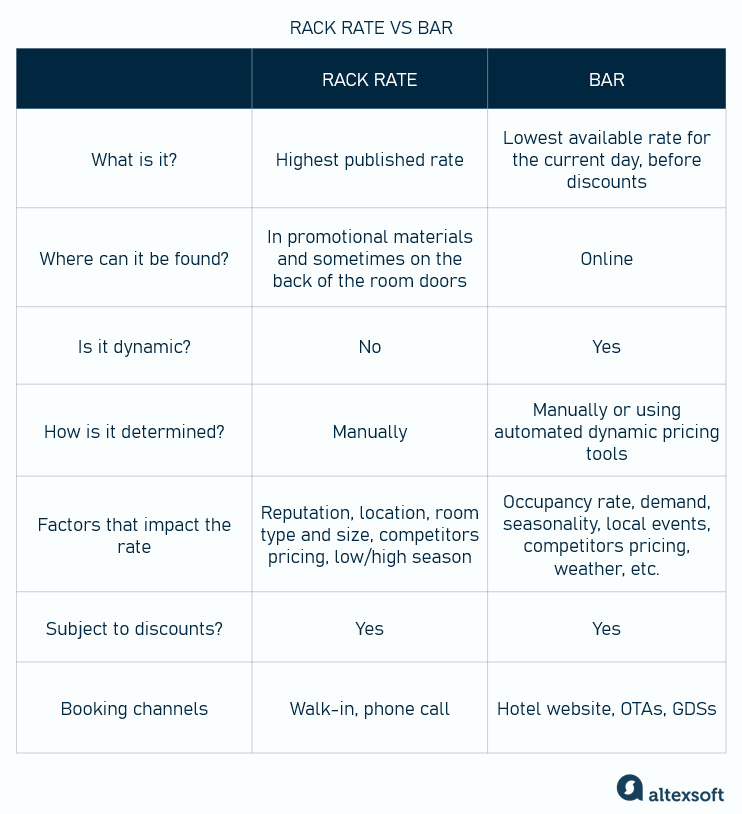
The rack rate is defined as the official, non-discounted price of a hotel room as established by the management. Historically, this was the price printed on a “rack” or a brochure at the front desk before the advent of digital booking systems. In contemporary business finance, it represents the maximum price a hotel is willing to charge for a specific room type on any given day.
The Purpose of the Rack Rate in Hospitality Finance
The rack rate serves as the “Manufacturer’s Suggested Retail Price” (MSRP) of the hospitality world. It acts as a financial anchor. Without a fixed rack rate, a hotel would struggle to quantify the value of its “inventory” (rooms). By establishing a ceiling price, the finance department can calculate potential maximum revenue, which is a vital metric for valuation and securing business loans.
Why It Acts as the “MSRP” of Hospitality
Just as a car dealership uses a sticker price to begin negotiations, a hotel uses the rack rate to define the premium value of its service. It represents the price paid by a walk-in guest during a period of 100% occupancy. From an accounting perspective, every discount offered—whether to a corporate partner, a loyalty member, or an online travel agency (OTA)—is measured against this baseline to determine the “cost of acquisition” and the impact on the net profit margin.
Revenue Management and the Strategy of Discounting
In the realm of money and business finance, the delta between the rack rate and the actual price paid is where the science of revenue management lives. Most guests pay a “negotiated rate” or a “discounted rate,” but these figures are mathematically tied to the rack rate.
Dynamic Pricing vs. Static Rack Rates
Modern hotels use sophisticated algorithms to adjust prices in real-time based on demand, a practice known as dynamic pricing. However, the rack rate usually remains static for a season or a year. The finance team uses the rack rate to set the “fences” for dynamic pricing. For instance, a revenue manager might decide that the lowest allowable rate during the off-season will never drop below 40% of the rack rate to ensure that the variable costs of cleaning and maintenance are covered while still contributing to fixed cost recovery.
Calculating Yield and RevPAR (Revenue Per Available Room)
Two of the most important financial metrics in the hotel industry are Yield and RevPAR. The rack rate is the denominator in the yield calculation:
- Yield = (Actual Revenue / Potential Revenue at Rack Rate) x 100
A high yield indicates that the hotel is successfully selling rooms at or near the rack rate, which significantly boosts the business’s cash flow. RevPAR, on the other hand, helps investors understand how much money each room is generating, regardless of whether it is occupied. If a hotel has a high rack rate but very low occupancy, the RevPAR will suffer, signaling a need for a shift in financial strategy.
The Business Impact of Rack Rates on Profit Margins
For a hotel to remain solvent and profitable, it must balance its “Average Daily Rate” (ADR) against its operating expenses. The rack rate plays a subtle but powerful role in maintaining these profit margins, especially during peak fiscal periods.
High-Demand Periods and Maximum ROI
During major events—such as the Super Bowl, international festivals, or peak holiday seasons—hotels often eliminate all discounts and sell exclusively at the rack rate (or even a “premium rack rate”). These periods are the primary drivers of annual profitability. For a business finance professional, these “compression nights” are essential because they provide the highest Return on Investment (ROI) per room, as the labor and utility costs remain relatively fixed while the revenue per unit skyrockets.
Legal Implications and Financial Transparency
In many jurisdictions, hotels are legally required to disclose their rack rate. You may notice a card on the back of your hotel room door stating the maximum price for that room. From a financial compliance standpoint, this protects the business from accusations of price gouging. By registering a high rack rate with local authorities, the hotel gains the legal flexibility to fluctuate its prices upward during high-demand periods without exceeding a pre-defined legal limit.
Managing Rack Rates in a Digital Economy
The rise of the digital economy has transformed how rack rates are utilized. In the past, the rack rate was a public-facing figure; today, it is often an internal benchmark used to manage relationships with third-party distributors.
Distribution Channels and Commission Costs
When a hotel lists a room on an OTA like Expedia or Booking.com, they often pay a commission ranging from 15% to 25%. If the hotel sells a room at a “discounted” rate on these platforms, the profit margin is squeezed twice: once by the discount and once by the commission. Financial controllers use the rack rate to calculate the “Net Rate”—the amount the hotel actually keeps after all fees. Understanding the gap between the rack rate and the net rate is crucial for determining which distribution channels are most cost-effective for the business.
Balancing Direct Sales vs. OTA Bookings
To maximize income, a key business strategy is to drive “direct bookings.” By offering a rate that is slightly lower than the rack rate but higher than the OTA rate, the hotel can capture more profit by avoiding third-party commissions. For example, if the rack rate is $300 and the OTA rate is $220 (with a 20% commission), the hotel nets $176. If the hotel offers a direct booking rate of $250, the guest saves money compared to the rack rate, and the hotel nets $250—a significantly better financial outcome for the business.
Strategic Implementation: Optimizing Your Hotel’s Financial Health
Setting a rack rate is not a “set it and forget it” task. It requires deep financial analysis, competitor benchmarking, and a clear understanding of the property’s value proposition in the market.
Setting the Right Ceiling
If a hotel sets its rack rate too low, it leaves money on the table during periods of high demand. If it sets the rate too high, the “discounts” offered might seem unrealistic, or the hotel might face tax implications if property taxes are based on potential gross income. A professional financial approach involves looking at historical data to find the “sweet spot” where the rack rate is high enough to capture maximum revenue during peak times but realistic enough to serve as a logical anchor for corporate negotiations.
Monitoring Competitor Benchmarking
In business finance, you cannot operate in a vacuum. Revenue managers use “Compset” (competitor set) data to see how their rack rates compare to similar properties in the area. If a hotel’s rack rate is significantly higher than its competitors’ without a corresponding increase in luxury or service, the property risks losing its market share. Conversely, a lower rack rate might signal a “budget” brand identity, which could devalue the asset in the eyes of potential investors or buyers.

Conclusion: The Financial Vitality of the Rack Rate
While the average traveler may view the rack rate as an obsolete number on a door, for the business finance professional, it is an indispensable tool. It provides the framework for revenue management, the baseline for calculating profitability, and the legal ceiling for dynamic pricing.
In the high-stakes world of hospitality investment, the rack rate is more than just a price—it is a reflection of a property’s market position and a primary driver of its fiscal health. By masterfully managing the relationship between the rack rate and discounted segments, hotel operators can optimize their yield, protect their margins, and ensure long-term financial success in an increasingly competitive global market.
aViewFromTheCave is a participant in the Amazon Services LLC Associates Program, an affiliate advertising program designed to provide a means for sites to earn advertising fees by advertising and linking to Amazon.com. Amazon, the Amazon logo, AmazonSupply, and the AmazonSupply logo are trademarks of Amazon.com, Inc. or its affiliates. As an Amazon Associate we earn affiliate commissions from qualifying purchases.