
In the landscape of personal finance and real estate investment, the term “racial steering” represents one of the most persistent and damaging obstacles to equitable wealth accumulation. While often discussed in the context of civil rights, racial steering is, at its core, a significant financial phenomenon that dictates the flow of capital, the appreciation of assets, and the long-term net worth of millions of individuals. Understanding what racial steering is—and how it manifests in the modern market—is essential for any investor, homeowner, or financial professional seeking to navigate the complexities of the housing market.
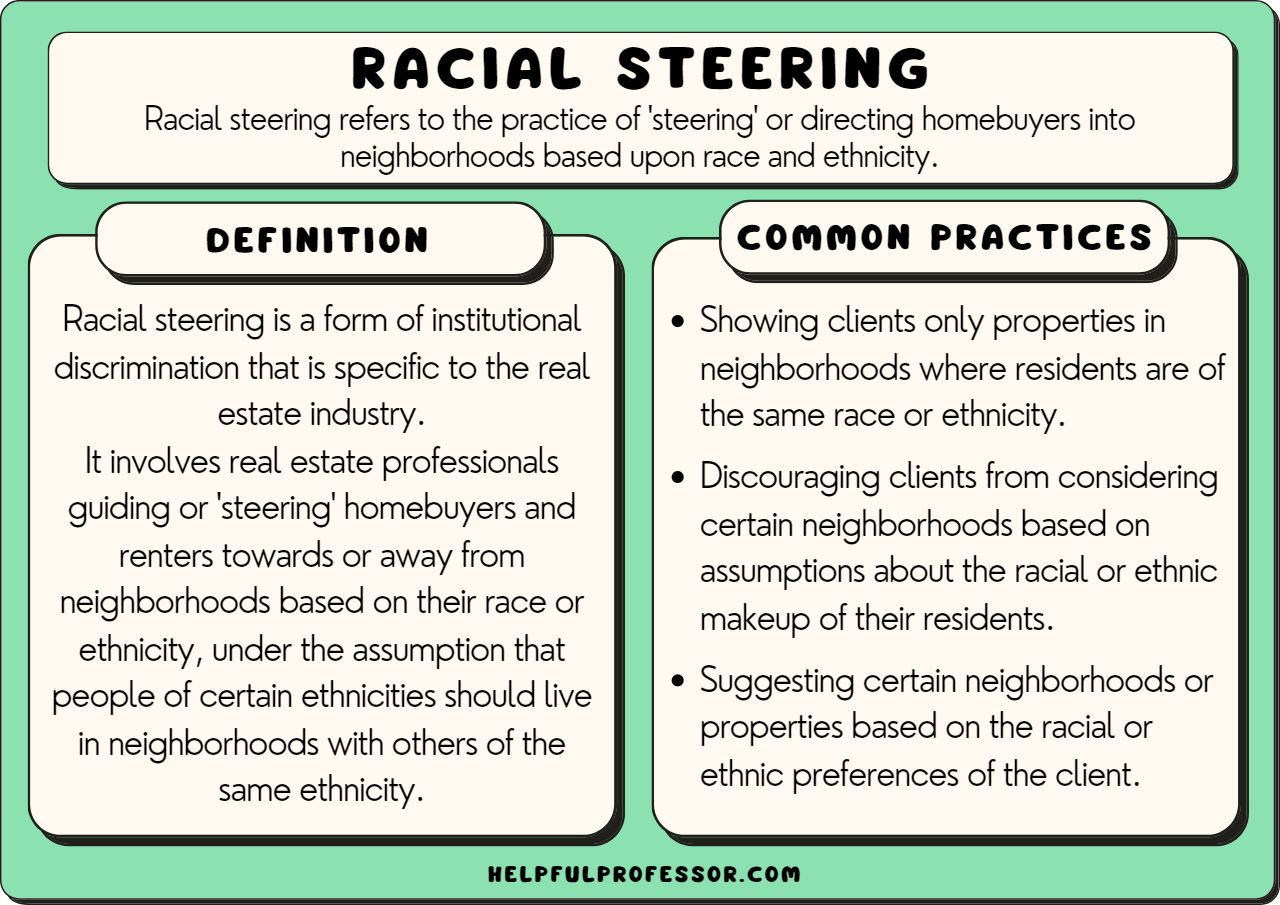
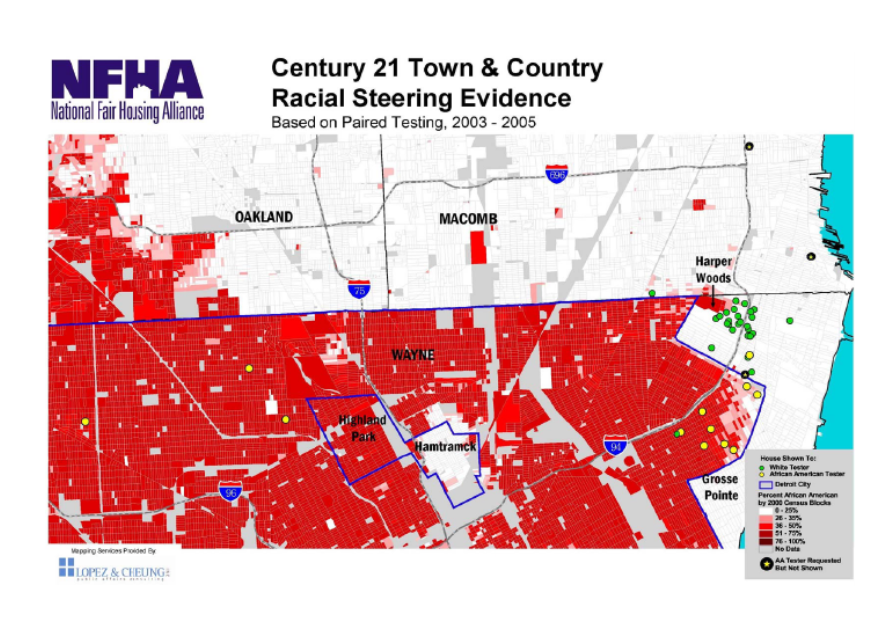
Racial steering occurs when real estate agents or brokers guide prospective homebuyers toward or away from certain neighborhoods based on their race or ethnicity. Rather than presenting all available options that meet a buyer’s financial criteria, a professional might restrict a client’s search to areas where their race is already predominant. This practice is not always overt; often, it is a subtle redirection that can have profound, compounding effects on a household’s financial future.
The Economic Mechanics of Racial Steering
To understand the financial impact of racial steering, one must look at housing as the primary vehicle for wealth building in the middle class. For the average person, a home is not just a place to live; it is their largest financial asset. When steering occurs, it artificially restricts the market, creating inefficiencies that prevent certain demographics from accessing high-appreciation neighborhoods.
The Impact on Asset Appreciation
When a real estate professional steers a high-income minority buyer away from an affluent, high-growth neighborhood and toward a lower-income or less-resourced area, they are effectively limiting that buyer’s return on investment. Historically, homes in predominantly white neighborhoods have appreciated at higher rates than those in predominantly minority neighborhoods, even when adjusting for home quality and local amenities. This “appreciation gap” is a direct result of historical and contemporary steering practices that funnel demand into specific geographical pockets while starving others of investment.
For an investor or homeowner, a 2% or 3% difference in annual appreciation can equate to hundreds of thousands of dollars over the life of a 30-year mortgage. When steering limits access to these “blue-chip” neighborhoods, it acts as a silent tax on the wealth-building potential of the affected parties.
Market Inefficiency and Demand Distortion
From a purely capitalistic perspective, racial steering is a form of market manipulation. It interferes with the natural laws of supply and demand. In a healthy market, a buyer with a specific budget should be able to compete for any property within that price range. Steering creates “artificial silos” where demand is segmented by race rather than by purchasing power. This leads to undervalued assets in steered-to neighborhoods and potentially overinflated prices in steered-from neighborhoods, creating a volatile landscape for long-term financial planning.
Racial Steering and the Generational Wealth Gap
The financial consequences of racial steering are not limited to a single transaction. Because real estate is a primary source of generational wealth, the effects of being steered into lower-value areas compound over decades. This is one of the primary drivers behind the widening wealth gap in the United States and other developed economies.
The Role of Home Equity in Personal Finance
Home equity serves as the foundation for various financial maneuvers. It is often used to fund education, start small businesses, or provide a cushion for retirement. When steering prevents a family from entering a high-equity-growth area, it reduces their ability to leverage their home for these purposes.
Consider two families with identical incomes and credit scores purchasing homes in the same year. If one family is steered toward a neighborhood with stagnant growth and the other is shown a neighborhood with booming infrastructure development, the latter will have significantly more liquid capital available through home equity lines of credit (HELOCs) or cash-out refinances ten years later. This capital can be reinvested into the stock market or other ventures, creating a multiplier effect that the steered family cannot access.
Education and the “Zip Code Premium”
In many regions, property taxes fund local school districts. This creates a feedback loop: high property values lead to better-funded schools, which in turn drive property values even higher. Racial steering often directs minority families away from these high-performing districts, forcing them to pay a premium for housing that does not offer the same educational ROI. For a family’s financial plan, this means they may eventually need to spend more on private education or supplemental tutoring, further draining their ability to save and invest.

Modern Indicators and the Evolution of Financial Bias
While the Fair Housing Act of 1968 made racial steering illegal, the practice has evolved from blatant refusal to show homes into more sophisticated, data-driven forms of bias. Today’s financial professionals and investors must be aware of “Steering 2.0,” which often utilizes technology and subtle psychological cues.
Algorithmic Steering and Digital Tools
With the rise of PropTech (Property Technology), there is a growing concern regarding algorithmic bias. Many real estate platforms use “recommendation engines” similar to those used by social media. If these algorithms are trained on historical data that includes the results of past steering, they may inadvertently replicate those patterns. For example, an automated system might only show a minority user homes in certain zip codes based on “users like you,” effectively automating the steering process without a human agent ever making a conscious decision.
The “Availability” Narrative
Modern steering often takes the form of selective information sharing. An agent might tell a buyer that a home in a specific neighborhood “just went under contract” or that the “neighborhood vibe doesn’t match” the buyer’s lifestyle, without providing objective data. Financially, this is dangerous because it prevents the buyer from making an informed decision based on market trends and comps. When certain listings are hidden or discouraged, the buyer is denied the opportunity to perform a true cost-benefit analysis on the property.
Strategies for Identifying and Mitigating Steering in Your Investment Journey
For those looking to protect their financial interests, identifying racial steering is a critical skill. Whether you are a first-time homebuyer or a seasoned real estate investor, ensuring that your search is objective and market-driven is paramount to securing your financial future.
Due Diligence and Data-Driven Searching
The best defense against steering is independent research. Before engaging with a real estate professional, investors should use objective financial tools to identify high-growth areas. This includes looking at:
- Price-to-Rent Ratios: Understanding where the most value lies.
- Historical Appreciation Rates: Looking at 10-year and 20-year trends.
- Infrastructure Pipelines: Checking city planning records for upcoming transit, commercial hubs, or park developments.
By entering the process with a pre-determined list of zip codes and neighborhoods based on financial metrics, you minimize the opportunity for an agent to steer your search based on non-financial factors.
Working with Fiduciary-Minded Professionals
While not all real estate agents are fiduciaries in the same way a financial advisor might be, many operate with a high level of transparency. It is important to interview multiple agents and ask specific questions about how they curate their listings. A professional who provides a comprehensive list of all homes within a price bracket—regardless of neighborhood demographics—is essential for a fair financial transaction.
Legal Protections and Reporting
Understanding the legal landscape is also a form of financial protection. The Fair Housing Act remains a powerful tool. If an investor suspects they are being steered, reporting the incident to the Department of Housing and Urban Development (HUD) is not just a social act; it is a way to protect the integrity of the housing market. Market integrity ensures that prices are set by value, not by bias, which protects the investments of all participants.
The Broad Financial Implications for the Real Estate Market
When racial steering is prevalent, the entire real estate market suffers from systemic risk. Markets that are segmented by bias are less resilient than those that are integrated and fluid. For institutional investors and those looking at the macro-economic picture, steering represents a “deadweight loss”—an economic inefficiency where the potential for value creation is lost due to artificial constraints.
Removing steering from the equation allows for a more competitive market where properties are valued based on their intrinsic qualities and location-based utility. This leads to more stable growth patterns and a healthier economy. For the individual, avoiding the traps of racial steering is the first step in ensuring that their largest investment—their home—performs as a true asset, providing the security and growth necessary for long-term financial independence.
aViewFromTheCave is a participant in the Amazon Services LLC Associates Program, an affiliate advertising program designed to provide a means for sites to earn advertising fees by advertising and linking to Amazon.com. Amazon, the Amazon logo, AmazonSupply, and the AmazonSupply logo are trademarks of Amazon.com, Inc. or its affiliates. As an Amazon Associate we earn affiliate commissions from qualifying purchases.