
Race, often mistakenly perceived as a biological reality, is fundamentally a social construct. To truly grasp its profound impact on society, and critically, on the intricate world of branding and corporate identity, one must understand the concept of “racial formation.” This theory, primarily articulated by sociologists Michael Omi and Howard Winant, offers a robust framework for understanding how race is created, organized, and constantly re-articulated within social, economic, and political systems. For brands operating in a diverse and increasingly socially conscious global market, comprehending racial formation is not merely academic; it is an imperative for effective strategy, authentic communication, and sustainable growth.
The Sociological Genesis of Race as a Social Construct
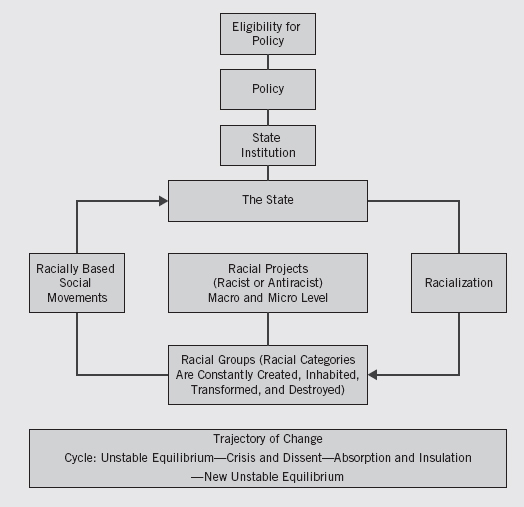
At its core, racial formation posits that race is not an inherent, fixed biological category but rather a dynamic, fluid sociohistorical process. It is the means by which racial categories are invented, inhabited, transformed, and, at times, destroyed. This perspective moves beyond simplistic notions of racism as individual prejudice, instead focusing on the institutional and structural dimensions that shape racial meanings and identities.
From Biological Fallacy to Social Reality
For centuries, dominant narratives attempted to root race in biological difference, categorizing humanity into distinct “races” based on superficial physical traits. However, scientific consensus has long debunked this, revealing far greater genetic variation within so-called racial groups than between them. Racial formation theory builds upon this understanding, arguing that despite its biological baselessness, race became a powerful social reality through historical processes. It highlights how racial categories have been constructed and deployed to organize populations, allocate resources, and justify systems of power and inequality. These categories are not static; they shift across time and geography, reflecting changing social and political landscapes.
The Dynamic Process of Racialization
Racial formation operates through what Omi and Winant call “racial projects.” A racial project is simultaneously an interpretation, representation, or explanation of racial dynamics, and an effort to reorganize and redistribute resources along particular racial lines. These projects can be large-scale, like state legislation or national policies, or smaller, everyday interactions, media representations, and cultural narratives. They connect “what race means” (ideology) with “how race operates” (social structure).
For example, a historical immigration law defining who can be a citizen is a racial project, as is a marketing campaign that inadvertently reinforces racial stereotypes. Understanding racial formation means recognizing that every institution, every policy, and indeed, every brand communication, operates within and often contributes to these ongoing racial projects.
Racial Formation’s Impact on Brand Strategy and Identity
Brands do not exist in a vacuum; they are embedded within societies shaped by racial formation. Therefore, a brand’s strategy, identity, and market success are inextricably linked to its understanding and navigation of these deeply ingrained racial dynamics. Ignoring racial formation risks alienating key consumer segments, eroding trust, and undermining long-term brand equity.
Understanding Diverse Consumer Bases
Racial formation profoundly influences how different groups perceive themselves, their values, aspirations, and consumption habits. A brand’s ability to connect with its target audience requires moving beyond superficial demographic data (e.g., age, income) to a deeper understanding of the cultural and social realities shaped by racial formation. This includes historical experiences, community ties, media preferences, and even attitudes towards authority or collectivism. Brands that recognize these nuanced differences can tailor products, services, and messaging to resonate authentically, rather than adopting a one-size-fits-all approach that risks appearing tone-deaf or irrelevant. For instance, understanding the racially formed socio-economic disparities and cultural expressions of a particular community is critical for designing impactful community engagement initiatives or developing products that genuinely meet specific needs.
Crafting Inclusive Marketing Narratives
Marketing and advertising are powerful racial projects in themselves. They create, reinforce, or challenge representations of race. Brands have a significant role in shaping public perceptions and contributing to the ongoing racial formation process. Therefore, crafting inclusive marketing narratives is not just a matter of “checking a box” for diversity; it’s about conscious storytelling that reflects the multifaceted realities shaped by racial formation. This means avoiding tokenism, challenging harmful stereotypes, and ensuring authentic representation across all touchpoints. Brands that successfully navigate this complex terrain build stronger emotional connections with diverse audiences, fostering loyalty and positive associations. Conversely, campaigns that fail to understand racial formation risk backlash, accusations of cultural insensitivity, or worse, reinforcing problematic stereotypes that damage brand reputation.
Authenticity and Brand Trust in a Racialized Landscape
In an era of heightened social awareness, consumers—especially younger generations—expect brands to be authentic and to reflect their values. Racial formation highlights how trust is built or broken based on a brand’s perceived understanding of and engagement with racial issues. Brands that actively demonstrate an awareness of racial formation through their actions, not just words, are more likely to earn consumer trust. This includes transparency in sourcing, equitable hiring practices, and meaningful support for racially marginalized communities. When a brand’s internal values and external communications align with an understanding of racial formation, it fosters a deeper sense of authenticity, which is a powerful differentiator in a crowded marketplace.
Corporate Identity and Employer Branding Through a Racial Lens
Beyond consumer-facing aspects, racial formation deeply influences a brand’s internal corporate identity and its employer branding strategy. A company’s culture, its leadership, and its commitment to diversity and inclusion are all shaped by and contribute to ongoing racial projects.
Internal Culture and Representation
The internal culture of a brand is a microcosm of broader societal racial formation. Questions about who holds power, whose voices are heard, and what opportunities are available often reflect underlying racial dynamics. A strong corporate identity—one that truly embodies its stated values—must address these internal realities. This means actively working to dismantle barriers created by racial formation, ensuring equitable representation at all levels, and fostering an inclusive environment where individuals from all racial backgrounds feel valued and empowered. A brand cannot credibly claim to be inclusive externally if its internal structures and culture do not reflect that commitment.
Attracting and Retaining Diverse Talent
Employer branding has become a critical battleground in the “war for talent.” In a world increasingly conscious of racial equity, a brand’s ability to attract and retain diverse talent is directly linked to its reputation for understanding and addressing racial formation. Prospective employees from racially marginalized groups often seek out companies where they see authentic representation, equitable practices, and a culture that acknowledges and supports their experiences. Brands that invest in robust diversity, equity, and inclusion (DEI) initiatives—rooted in an understanding of how racial formation impacts career pathways and workplace experiences—will gain a significant advantage in securing top talent. This also contributes to a more innovative and resilient workforce, as diverse perspectives challenge assumptions and drive creative solutions.
Social Responsibility and Brand Reputation
Today, brands are expected to be good corporate citizens, taking stances on critical social issues. Racial formation provides the lens through which many of these issues are understood. How a brand responds to moments of racial injustice, engages in community initiatives, or advocates for policy changes related to racial equity significantly shapes its overall reputation. Brands that leverage their platforms to promote racial justice and address the legacies of racial formation can enhance their reputation, build deeper connections with stakeholders, and differentiate themselves in the market. Conversely, perceived inaction or missteps can severely damage brand equity, leading to boycotts, public outcry, and long-term negative associations.
Navigating the Complexities: Practical Considerations for Brands
For brands to successfully navigate the complexities of racial formation, a proactive and informed approach is essential. This goes beyond superficial gestures and requires deep, sustained commitment.
Data-Driven Insights and Cultural Competency
Understanding racial formation demands moving beyond generic demographic data. Brands need to invest in rigorous qualitative and quantitative research that explores the specific historical contexts, cultural nuances, and socio-economic realities of various racially defined groups. This includes ethnographic studies, deep listening, and partnering with community experts. Furthermore, fostering cultural competency within marketing teams, product development, and leadership is crucial. Training and ongoing education can equip brand professionals with the sensitivity and knowledge needed to engage authentically and avoid missteps.
Avoiding Tokenism and Stereotyping
A superficial understanding of diversity can lead to tokenism—the practice of making only a perfunctory effort to include members of marginalized groups. Brands must recognize that racial formation produces complex, multi-dimensional identities. Representation should be authentic, reflect a spectrum of experiences, and challenge rather than reinforce stereotypes. This requires critical self-reflection on internal biases and an active effort to bring diverse voices into the creative and decision-making processes, ensuring that portrayals are genuine and respectful.
Long-Term Commitment to Equity
Racial formation is an ongoing process, not a problem that can be “fixed” with a single campaign or initiative. Brands need to commit to a long-term journey of racial equity. This means embedding anti-racist principles into core business practices, from supply chain ethics and vendor selection to product design and community investment. It requires continuous evaluation, adaptation, and a willingness to evolve as racial dynamics shift. Such sustained commitment signals genuine values and builds enduring trust.
The Future of Branding in a Continuously Forming Racial Reality
The landscape of racial formation is constantly evolving, influenced by global events, technological advancements, and shifting social norms. For brands, this means that the task of understanding and responding to racial dynamics is an ongoing one.
Proactive Engagement and Leadership
Rather than simply reacting to societal shifts, forward-thinking brands can become proactive leaders in shaping more equitable racial realities. This involves using their influence to advocate for positive change, supporting policies that promote racial justice, and investing in initiatives that dismantle systemic inequalities. Brands have significant platforms, and how they choose to use them can either perpetuate or transform the outcomes of racial formation. Leadership in this space not only enhances brand reputation but also contributes meaningfully to societal progress.

Responding to Societal Shifts
The expectations placed upon brands by consumers and employees alike are continually rising. As discussions around racial identity, equity, and justice become more prominent, brands must remain agile and responsive. This requires continuous learning, actively soliciting feedback, and being prepared to adapt strategies in real-time. Brands that commit to understanding racial formation are better equipped to anticipate trends, navigate challenges, and maintain relevance and trust in a world where racial identity plays a central, often powerful, role in consumer and employee consciousness. The ability to engage thoughtfully and effectively with the complexities of race will increasingly define successful branding in the 21st century.
aViewFromTheCave is a participant in the Amazon Services LLC Associates Program, an affiliate advertising program designed to provide a means for sites to earn advertising fees by advertising and linking to Amazon.com. Amazon, the Amazon logo, AmazonSupply, and the AmazonSupply logo are trademarks of Amazon.com, Inc. or its affiliates. As an Amazon Associate we earn affiliate commissions from qualifying purchases.