
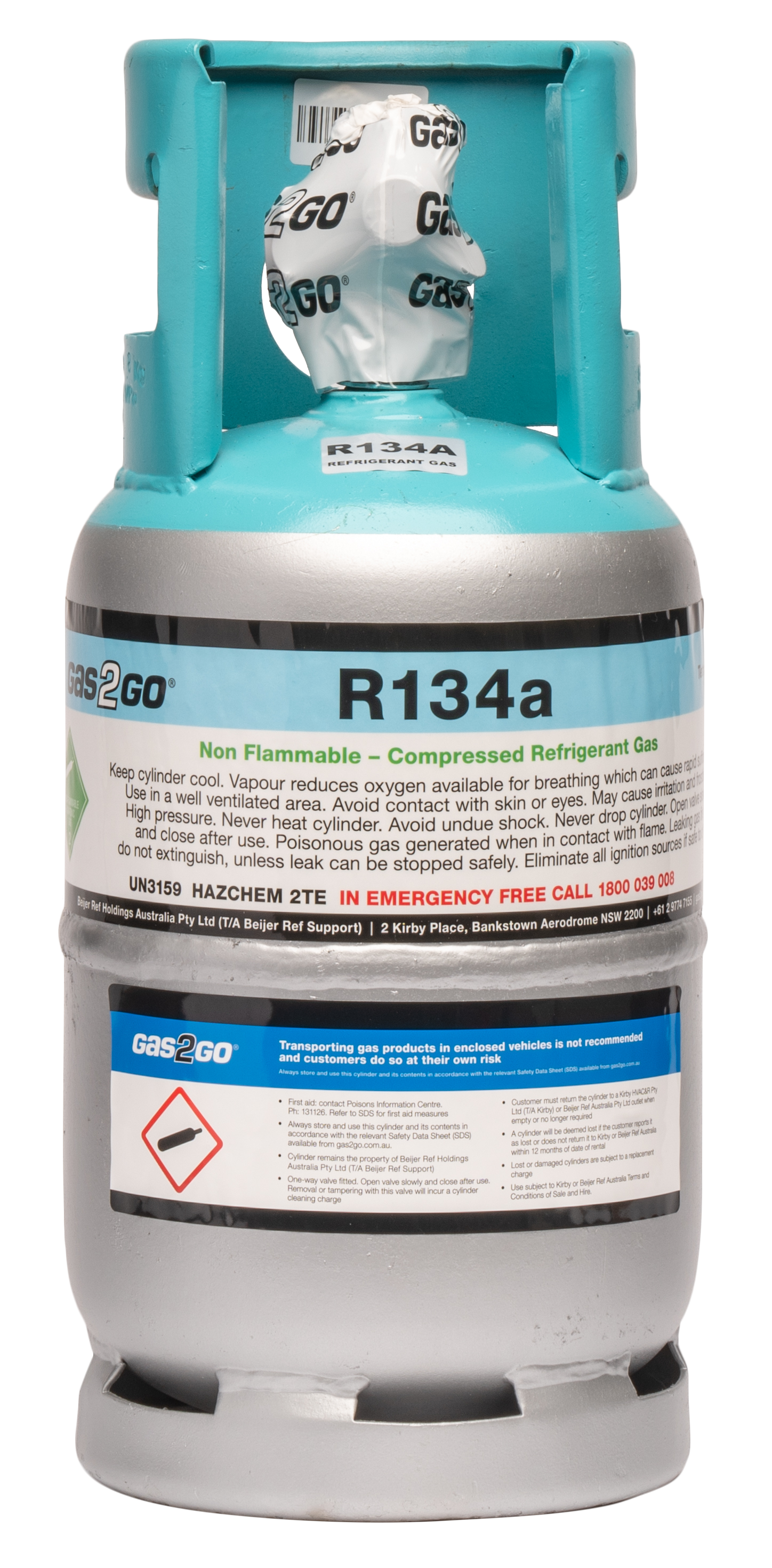
In the vast ecosystem of modern technology, few inventions have had as pervasive an impact on daily life and industrial processes as refrigeration. From preserving food to ensuring comfortable indoor climates, the ability to control temperature is fundamental. At the heart of most contemporary refrigeration and air conditioning systems lies a crucial component: the refrigerant. Among these, R134a, scientifically known as 1,1,1,2-Tetrafluoroethane, stands out as one of the most widely adopted and recognized. While its prominence has seen shifts due to evolving environmental regulations, understanding R134a is essential for anyone delving into the mechanics of cooling technology, its historical trajectory, and the innovations shaping its future.

This article will comprehensively explore R134a refrigerant, dissecting its chemical properties, its pivotal role in various technological applications, its environmental footprint, and the broader technological landscape of refrigerants it inhabits.
The Core Chemistry and Function of R134a
To truly grasp what R134a is, we must first understand its chemical identity and the fundamental principles by which refrigerants operate within a cooling cycle. R134a is a hydrofluorocarbon (HFC), a class of synthetic organic compounds composed of hydrogen, fluorine, and carbon atoms. Its specific chemical formula, CH2FCF3, denotes its structure.
Chemical Composition and Thermodynamic Properties
R134a is characterized by several key thermodynamic properties that make it an excellent refrigerant. It boasts a favorable boiling point at atmospheric pressure (approximately -26.3 °C or -15.3 °F), allowing it to readily absorb heat at low temperatures and pressures. Crucially, it exhibits a high latent heat of vaporization, meaning it can absorb a significant amount of heat as it transitions from a liquid to a gas, making it highly efficient for cooling purposes.
One of its most significant advantages, which led to its widespread adoption, is its non-flammability and low toxicity. Unlike some earlier refrigerants, R134a poses a minimal immediate hazard in terms of fire risk or acute toxic exposure, contributing to its safety profile in consumer and industrial applications. Furthermore, it is a stable compound under normal operating conditions, resisting degradation and ensuring a long service life within sealed refrigeration systems.
The Refrigeration Cycle: How R134a Delivers Cool
The magic of cooling isn’t about “creating cold” but rather about “removing heat.” Refrigerants like R134a achieve this through a continuous cycle of phase changes, exploiting the principles of thermodynamics. This vapor-compression refrigeration cycle typically involves four primary components:
- Compressor: This mechanical device acts as the heart of the system, taking low-pressure, low-temperature R134a vapor and compressing it into a high-pressure, high-temperature vapor. This action increases the refrigerant’s energy content and temperature, preparing it to release heat.
- Condenser: The hot, high-pressure R134a vapor then flows into the condenser (often a series of coiled tubes with fins). Here, it releases its absorbed heat to the cooler ambient air or water, causing the refrigerant to condense back into a high-pressure liquid. This is the heat rejection phase.
- Expansion Valve (or Metering Device): The high-pressure R134a liquid then passes through an expansion valve. This device precisely controls the flow of refrigerant and, more importantly, causes a sudden drop in pressure. As the pressure drops, the liquid R134a rapidly expands and its temperature significantly decreases, often below the temperature of the space to be cooled.
- Evaporator: The now cold, low-pressure R134a liquid/vapor mixture enters the evaporator (another heat exchanger). As it passes through the evaporator coils, it absorbs heat from the surrounding environment (e.g., the interior of a refrigerator or a car cabin). This absorbed heat causes the R134a to boil and turn back into a low-pressure, low-temperature vapor, completing the cycle. The cool air or liquid is then circulated to the desired area.
R134a’s thermodynamic characteristics are optimized for efficient operation within this cycle, making it a reliable workhorse for heat transfer.
Widespread Applications Across Industries
Since its introduction as a replacement for the ozone-depleting R12 (CFC-12) in the late 20th century, R134a rapidly became the industry standard across a multitude of applications. Its balanced properties made it suitable for diverse cooling needs, from consumer goods to heavy industry.
Automotive Air Conditioning Systems
Perhaps the most recognized application of R134a is in automotive air conditioning (AC). From the early 1990s through the 2010s, virtually every new vehicle manufactured globally utilized R134a as its primary refrigerant. Its compatibility with vehicle systems, its non-flammability, and its efficiency in cooling cabin spaces made it the refrigerant of choice for decades. Mechanics and car owners alike became familiar with its specific handling requirements and the characteristic pressures associated with its operation.
Domestic and Commercial Refrigeration
Beyond vehicles, R134a found a pervasive home in household appliances and commercial refrigeration units. Most residential refrigerators and freezers manufactured during its peak adoption period contained R134a. In the commercial sector, it powered supermarket display cases, cold storage units, vending machines, and water coolers. Its stability and performance made it a reliable option for continuous operation, crucial for food preservation and other temperature-sensitive goods.
Industrial Chillers and Heat Pumps
Industrial applications also heavily leveraged R134a. It was commonly used in centrifugal and scroll chillers for large-scale air conditioning in buildings, data centers, and process cooling applications in manufacturing. Heat pump systems, which can provide both heating and cooling by reversing the refrigeration cycle, also frequently incorporated R134a. Its ability to operate across a broad range of temperatures and pressures made it adaptable to the demanding requirements of industrial environments.
Environmental Impact and Regulatory Landscape
While R134a offered a significant leap forward in environmental safety compared to its CFC predecessors by having zero Ozone Depletion Potential (ODP), its long-term environmental impact became a growing concern due to its Global Warming Potential (GWP).

Global Warming Potential (GWP)
Unlike CFCs which destroyed the ozone layer, HFCs like R134a do not deplete stratospheric ozone. However, they are potent greenhouse gases. R134a has a GWP of 1430, meaning that one kilogram of R134a released into the atmosphere has the same warming effect as 1430 kilograms of carbon dioxide over a 100-year period. While its atmospheric concentration is lower than CO2, its high GWP makes it a significant contributor to climate change if released. Leaks from refrigeration and AC systems, as well as improper disposal, are the primary pathways for R134a to enter the atmosphere.
Global Efforts Towards Phasedown
The recognition of HFCs’ GWP led to international agreements to control and ultimately phase down their production and consumption. The Kigali Amendment to the Montreal Protocol, adopted in 2016, mandates a global phasedown of HFCs, including R134a. This amendment sets specific timetables for developed and developing countries to reduce their HFC use, aiming for an 80-85% reduction by the late 2040s.
Regional regulations have also played a crucial role. In the European Union, the F-Gas Regulation has been particularly stringent, driving the transition away from high-GWP HFCs in various sectors. For example, it effectively banned R134a in new model type-approved cars and light vans since 2017, pushing manufacturers towards refrigerants with GWP below 150. Similar regulations are emerging in other nations and regions, shaping the future of cooling technology.
Handling, Safety, and System Compatibility
Working with R134a, like any industrial chemical or pressurized gas, requires adherence to specific safety protocols and an understanding of its system compatibility. While it’s relatively safe in terms of flammability and toxicity, proper handling is paramount.
Safe Practices for R134a Systems
Technicians dealing with R134a must use appropriate Personal Protective Equipment (PPE), including safety glasses and gloves, to prevent frostbite from contact with liquid refrigerant and chemical exposure. Recovery equipment is legally mandated in many regions to capture and recycle R134a rather than venting it into the atmosphere. This not only complies with environmental regulations but also allows for the safe reuse of the refrigerant. Proper ventilation is also crucial, especially when working in enclosed spaces, to avoid oxygen displacement or potential inhalation hazards.
Tools, Equipment, and System Integrity
Maintaining systems that use R134a requires specialized tools. Manifold gauges are used to measure the pressure within the system, diagnosing performance issues. Vacuum pumps are essential for evacuating air and moisture from the system before recharging, as these contaminants can severely impair performance and lead to component failure. Leak detection equipment (electronic sniffers, UV dye) is also critical for identifying and repairing leaks, minimizing refrigerant loss and environmental impact. The integrity of the sealed system is central to the efficient and environmentally responsible operation of R134a technology.
Lubricant and Material Compatibility
A key technical consideration for R134a systems is compatibility with lubricants. Unlike its predecessor R12, R134a is not compatible with mineral oils. Instead, it requires synthetic polyalkylene glycol (PAG) oils in automotive applications and polyol ester (POE) oils in stationary systems. Mixing these oils or using the wrong type can lead to compressor failure and system damage. Furthermore, specific elastomers and plastics used for seals and hoses must also be compatible with R134a to prevent leaks and ensure longevity.
The Future of Refrigeration Technology
The phasedown of R134a is not an end but a transition, spurring significant innovation in refrigeration technology. The drive for lower GWP refrigerants, coupled with increasing demands for energy efficiency, is shaping the next generation of cooling solutions.
Innovations in Refrigerant Development
The primary successor to R134a, especially in automotive AC, is R1234yf (2,3,3,3-Tetrafluoropropene). With a GWP of less than 1, it represents a significant improvement from an environmental perspective, though its mild flammability requires new safety protocols and system designs. Other low-GWP alternatives gaining traction include natural refrigerants like R290 (propane), R600a (isobutane), and R744 (CO2). Each of these has unique thermodynamic properties, safety considerations, and application niches, driving diversification in the refrigerant market.
Energy Efficiency and Sustainability in Cooling Systems
Beyond the refrigerant itself, technological advancements in the entire refrigeration cycle are crucial. Variable speed compressors, advanced heat exchanger designs, smart controls, and improved insulation are all contributing to significantly more energy-efficient systems. The focus is not just on the refrigerant’s direct environmental impact but also on the indirect impact from the energy consumption required to power cooling systems. Integrating renewable energy sources to power these systems further enhances their sustainability profile.
The Role of Smart Technology in HVAC
Modern HVAC and refrigeration systems are increasingly incorporating smart technologies, IoT (Internet of Things) devices, and AI-driven control algorithms. These technologies enable predictive maintenance, optimize system performance in real-time, detect leaks early, and even allow for remote monitoring and diagnostics. This integration of digital intelligence with mechanical systems ensures that the next generation of cooling technology is not only environmentally friendlier but also more reliable, efficient, and user-friendly.
In conclusion, R134a has been a cornerstone of refrigeration technology for decades, facilitating unprecedented levels of comfort and food safety globally. However, as scientific understanding of climate change evolves, so too must our technological solutions. The ongoing transition away from R134a marks a significant chapter in the history of cooling, demonstrating technology’s dynamic nature and its continuous evolution towards more sustainable and efficient paradigms. Understanding R134a’s legacy and its successors is key to appreciating the complex interplay between chemistry, engineering, and environmental stewardship that defines modern tech innovation.
aViewFromTheCave is a participant in the Amazon Services LLC Associates Program, an affiliate advertising program designed to provide a means for sites to earn advertising fees by advertising and linking to Amazon.com. Amazon, the Amazon logo, AmazonSupply, and the AmazonSupply logo are trademarks of Amazon.com, Inc. or its affiliates. As an Amazon Associate we earn affiliate commissions from qualifying purchases.