
In the dynamic landscape of modern commerce, efficient financial management is not just an advantage—it’s a necessity. For businesses, from fledgling startups to established enterprises, the ability to collect payments swiftly, securely, and seamlessly integrated into their accounting processes is paramount. This is precisely where QuickBooks Payments steps in. More than just a simple payment processor, QuickBooks Payments is an integrated financial tool designed to simplify and accelerate the payment collection cycle, directly impacting a business’s cash flow, operational efficiency, and overall financial health. It’s an extension of the widely adopted QuickBooks ecosystem, enabling businesses to manage their incoming funds with unprecedented ease and accuracy, thereby empowering them to focus more on growth and less on administrative financial hurdles. By understanding what QuickBooks Payments entails, businesses can unlock significant efficiencies and fortify their financial foundations.

The Core Functionality: How QuickBooks Payments Works as a Financial Engine
At its heart, QuickBooks Payments is engineered to bridge the gap between sales and cash in hand, acting as a crucial financial engine for businesses. It removes the friction points traditionally associated with payment collection, offering a multi-faceted approach to receiving funds. This core functionality is built on principles of integration, diversity in payment options, and customer convenience, all of which contribute directly to a healthier financial standing for the business.
Seamless Integration with the QuickBooks Ecosystem
One of the most compelling features of QuickBooks Payments, from a financial management perspective, is its deep, native integration with QuickBooks accounting software. Whether a business utilizes QuickBooks Online, QuickBooks Desktop, or QuickBooks Point of Sale, the payment processing solution operates as an inherent part of the system. When a customer pays an invoice through QuickBooks Payments, the transaction is automatically recorded, categorized, and reconciled within the QuickBooks ledger. This eliminates the tedious and error-prone process of manual data entry, saving countless hours for finance teams and business owners. The financial benefit here is immense: real-time, accurate financial records mean up-to-date cash flow visibility, more reliable financial reports, and a significantly reduced risk of accounting discrepancies that can lead to costly errors or compliance issues. It transforms the accounting process from a reactive chore into a proactive, automated financial update.
Diverse Payment Acceptance Methods for Enhanced Financial Reach
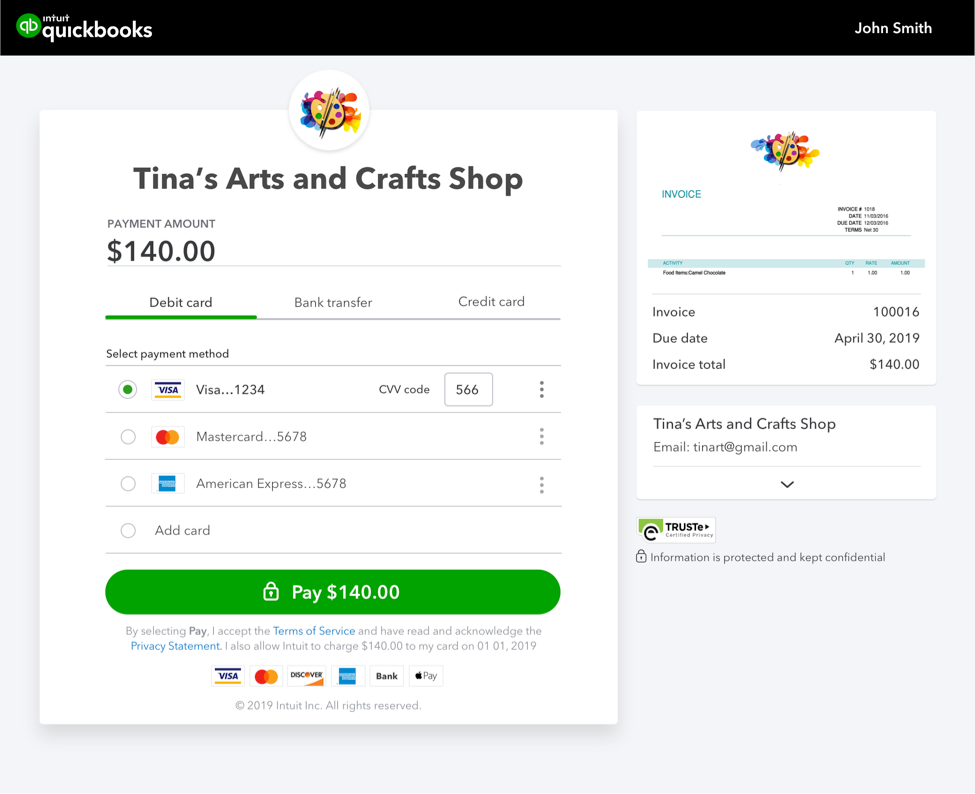
In today’s diverse market, customers expect flexibility in how they pay. QuickBooks Payments caters to this expectation by supporting a wide array of payment methods, broadening a business’s financial reach and reducing barriers to payment. Businesses can accept:
- Credit and Debit Cards: Virtually all major credit and debit cards (Visa, MasterCard, American Express, Discover) are supported, enabling businesses to cater to the vast majority of consumer preferences.
- ACH Bank Transfers: For larger transactions or recurring payments, ACH (Automated Clearing House) transfers offer a cost-effective alternative to card payments, directly debiting a customer’s bank account. This is particularly valuable for B2B transactions or subscription services, ensuring steady, predictable income streams.
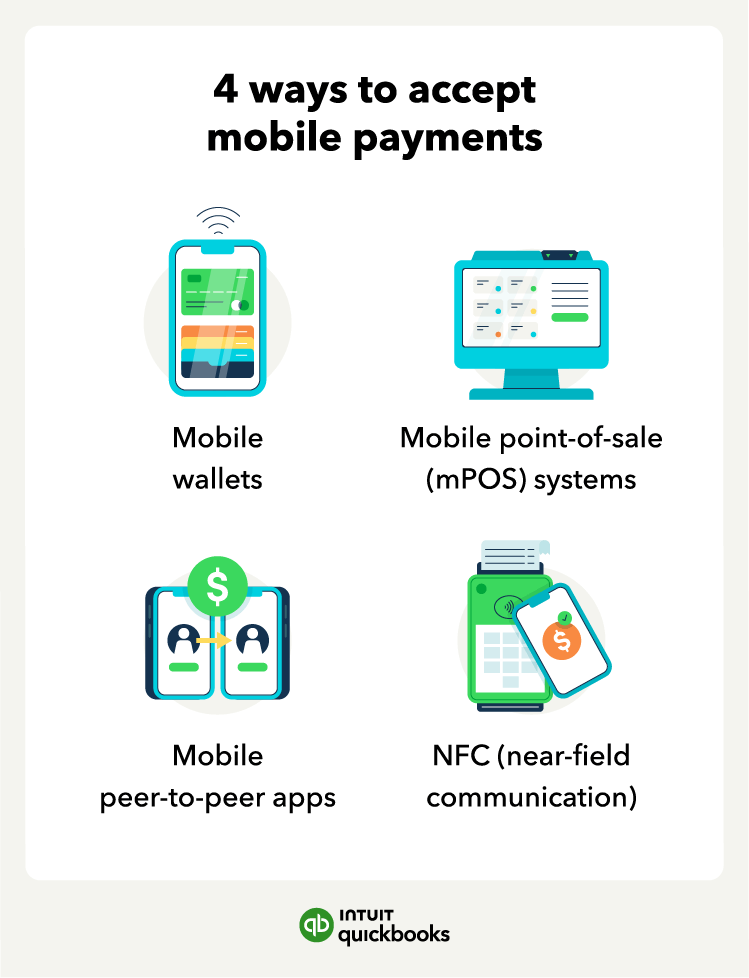
- Digital Wallets: Support for Apple Pay and Google Pay provides modern, secure, and convenient payment options for customers, particularly those transacting on mobile devices, thereby expanding conversion opportunities.
These diverse methods can be accepted through various channels, including online invoices, payment links, embedded payment buttons on websites, mobile card readers for on-the-go transactions, or integrated point-of-sale (POS) systems. This flexibility is not just a convenience; it’s a strategic financial move that minimizes payment friction, accelerates collection, and ultimately improves a business’s cash conversion cycle.
Empowering Customer Convenience for Faster Financial Returns
A fundamental truth in business finance is that the easier it is for customers to pay, the faster a business gets paid. QuickBooks Payments is designed with customer convenience at its core. When an invoice is sent from QuickBooks, it includes a prominent “Pay Now” button, allowing customers to complete payment with just a few clicks. This streamlined experience reduces the likelihood of late payments and eliminates the need for customers to mail checks or make phone calls, which can delay cash inflow. By empowering customers to pay on their terms, using their preferred method, at any time, businesses significantly shorten their accounts receivable cycle, directly leading to improved liquidity and a healthier balance sheet.
Key Benefits for Business Finance
The integration and functionality of QuickBooks Payments translate into tangible financial benefits that resonate across every facet of a business’s operations. These advantages extend beyond mere payment processing, impacting cash flow, accounting accuracy, financial insights, and cost management.
Accelerating Cash Flow and Reducing Late Payments
For any business, cash flow is the lifeblood. QuickBooks Payments directly addresses the critical challenge of cash flow management by dramatically accelerating the speed at which funds move from customer to business. The ability to accept immediate online payments, rather than waiting for checks in the mail, can cut payment times from weeks to days, or even minutes. Furthermore, QuickBooks allows for automated payment reminders, nudging customers about upcoming or overdue invoices without manual intervention. This proactive approach significantly reduces the incidence of late payments, freeing up working capital that might otherwise be tied up in outstanding receivables. The impact on financial stability is profound, enabling businesses to meet operational expenses, invest in growth opportunities, and manage debt more effectively.
Simplified Reconciliation and Accounting Accuracy
One of the most time-consuming and error-prone aspects of financial management is reconciling payments with invoices and bank statements. QuickBooks Payments transforms this process. Because all payments are processed directly within or linked to the QuickBooks software, every transaction is automatically matched to its corresponding invoice. This automatic reconciliation eliminates the need for manual cross-referencing, vastly reducing human error and saving significant accounting hours. The resulting financial records are exceptionally accurate, providing a clear, real-time picture of a business’s financial position. This accuracy is invaluable for preparing financial statements, managing tax obligations, and ensuring audit readiness, ultimately contributing to better, more reliable financial decision-making.
Enhanced Financial Reporting and Business Insights
With payment data flowing directly into QuickBooks, businesses gain access to a wealth of financial information that can be leveraged for deeper insights. Integrated payment processing allows for comprehensive reporting on sales trends, customer payment behaviors, average payment times, and outstanding receivables. Finance managers can easily generate reports that highlight profitable customer segments, identify bottlenecks in the payment collection process, or analyze the effectiveness of different payment methods. These enhanced financial reports move beyond mere historical data, providing actionable intelligence that can inform strategic financial planning, budgeting, and forecasting. Understanding payment patterns helps businesses anticipate cash inflows more accurately, optimize pricing strategies, and make data-driven decisions that propel financial growth.
Cost-Efficiency and Transparency in Transaction Fees
While payment processing comes with associated fees, QuickBooks Payments offers a structure that prioritizes transparency and often proves cost-efficient, particularly for businesses already using QuickBooks for their accounting. Fees are typically structured as a percentage per transaction, sometimes with an additional flat fee, or through a monthly subscription model for higher-volume businesses that offers lower per-transaction rates. The key financial benefit here is the transparency: businesses know exactly what they are paying, without hidden costs. When compared to managing separate payment gateways and reconciling them manually, the integrated solution can lead to significant savings in administrative time and potential error costs, which are often overlooked in a direct fee comparison. For many businesses, the operational efficiencies and improved cash flow far outweigh the direct transaction costs, contributing positively to the overall financial bottom line.
Security and Compliance: Protecting Your Financial Assets
In an era rife with cyber threats, the security of financial transactions is non-negotiable. QuickBooks Payments is built with robust security measures and strict compliance standards to protect both the business’s and its customers’ sensitive financial information, mitigating risks and safeguarding financial assets.
Robust Security Measures for Financial Data Protection
QuickBooks Payments employs industry-leading security protocols to ensure the integrity and confidentiality of every transaction. This includes advanced data encryption (such as SSL/TLS) for all data in transit and at rest, rendering sensitive information unreadable to unauthorized parties. Tokenization is another critical feature: instead of storing actual credit card numbers, QuickBooks Payments converts them into unique, non-sensitive tokens. This means that if a system breach were to occur, hackers would only obtain tokens, not actual card details, significantly reducing the risk of financial fraud and data compromise. Additionally, sophisticated fraud detection tools continuously monitor transactions for suspicious activity, alerting businesses to potential threats and helping prevent financial losses due to fraudulent charges. These measures are vital for maintaining customer trust and protecting the business from financial liabilities associated with data breaches.
PCI DSS Compliance to Ensure Financial Integrity
The Payment Card Industry Data Security Standard (PCI DSS) is a set of security standards designed to ensure that all companies that process, store, or transmit credit card information maintain a secure environment. Non-compliance can result in hefty fines, damage to reputation, and even the loss of the ability to process card payments, posing a significant financial risk. QuickBooks Payments is fully PCI DSS compliant, and its integrated nature helps businesses maintain their own compliance more easily. By handling the complexities of secure data transmission and storage, QuickBooks Payments significantly reduces the burden on businesses to individually meet these stringent requirements. This outsourced compliance management not only saves financial resources that would otherwise be spent on audits and security infrastructure but also provides peace of mind, allowing businesses to focus on their core operations while knowing their payment processes adhere to the highest industry standards for financial integrity.
Setting Up and Optimizing QuickBooks Payments for Your Business
Implementing and effectively utilizing QuickBooks Payments can significantly enhance a business’s financial operations. The process is designed to be straightforward, and with strategic optimization, businesses can maximize its financial returns.
Getting Started: Application and Approval Process
Integrating QuickBooks Payments into your financial workflow typically begins with a simple application process within your QuickBooks account. Businesses provide necessary financial and identifying information, which is then reviewed for approval. This verification process is a standard industry practice designed to ensure security and compliance. Once approved, the payment processing functionality is activated within the QuickBooks platform, ready for immediate use. The ease of setup means businesses can quickly transition to a more efficient payment collection system, minimizing downtime and accelerating the realization of its financial benefits.
Choosing the Right Plan and Features for Financial Needs
QuickBooks Payments often offers different pricing tiers or feature sets designed to cater to varying business needs and transaction volumes. Businesses can typically choose between a “pay-as-you-go” model, ideal for lower-volume businesses or those with infrequent transactions, or a subscription-based plan that offers lower per-transaction rates for businesses with higher processing volumes. Selecting the right plan is a crucial financial decision. Businesses should analyze their historical transaction data and project future payment volumes to choose the most cost-effective option, ensuring they pay optimal rates for their specific financial profile. This flexibility allows businesses to scale their payment processing capabilities without incurring unnecessary costs.
Best Practices for Maximizing Financial Returns
To fully capitalize on the financial advantages of QuickBooks Payments, businesses should adopt several best practices:
- Automate Recurring Payments: For subscription services or ongoing client retainers, setting up recurring payments ensures predictable income streams and minimizes manual invoicing effort, significantly stabilizing cash flow.
- Leverage Payment Links and Online Invoices: Make it as easy as possible for customers to pay by sending invoices with built-in “Pay Now” buttons or by generating standalone payment links for quick collections. This dramatically reduces delays.
- Utilize Automated Reminders: Configure QuickBooks to send automatic payment reminders for overdue invoices. This gentle nudging can significantly improve collection rates without requiring constant manual follow-up, freeing up valuable financial administrative time.
- Monitor Financial Reports: Regularly review the financial reports generated by QuickBooks, particularly those related to payments, accounts receivable, and cash flow. These insights are invaluable for identifying trends, making informed financial decisions, and proactively addressing potential cash flow issues.
- Integrate with POS and Mobile Devices: For businesses with physical locations or on-the-go sales, integrating with a QuickBooks Point of Sale system or using mobile card readers ensures that all transactions seamlessly flow into the accounting system, maintaining accurate, real-time financial records across all sales channels.
Conclusion
QuickBooks Payments stands out as an indispensable financial tool for businesses seeking to optimize their payment collection processes, enhance cash flow, and maintain immaculate financial records. By offering seamless integration with the QuickBooks accounting ecosystem, diverse payment acceptance methods, and robust security measures, it transforms a typically cumbersome administrative task into a streamlined, efficient, and financially empowering operation. Its ability to accelerate cash flow, simplify reconciliation, provide deep financial insights, and ensure compliance positions it as a strategic asset for any business focused on sustained financial health and growth. In an economy where every dollar and every minute counts, understanding and leveraging what QuickBooks Payments offers is not just a convenience—it’s a critical component of a resilient and prosperous financial future.
aViewFromTheCave is a participant in the Amazon Services LLC Associates Program, an affiliate advertising program designed to provide a means for sites to earn advertising fees by advertising and linking to Amazon.com. Amazon, the Amazon logo, AmazonSupply, and the AmazonSupply logo are trademarks of Amazon.com, Inc. or its affiliates. As an Amazon Associate we earn affiliate commissions from qualifying purchases.