
The “quarter-life crisis” is often discussed in psychological terms—a period of insecurity, doubt, and disappointment surrounding one’s career, relationships, and financial situation that typically occurs between the ages of 25 and 35. However, when stripped of its emotional weight, the quarter-life crisis is fundamentally a financial phenomenon. It is the intersection of rising cost-of-living pressures, stagnant wage growth, and the daunting realization that the traditional milestones of adulthood—homeownership, debt-free living, and retirement security—are increasingly difficult to reach.
For many young professionals, the crisis isn’t just about “finding oneself”; it is about finding a way to remain solvent in an economy that feels rigged against them. To navigate this period successfully, one must view the quarter-life crisis through the lens of personal finance, capital allocation, and long-term wealth strategy.
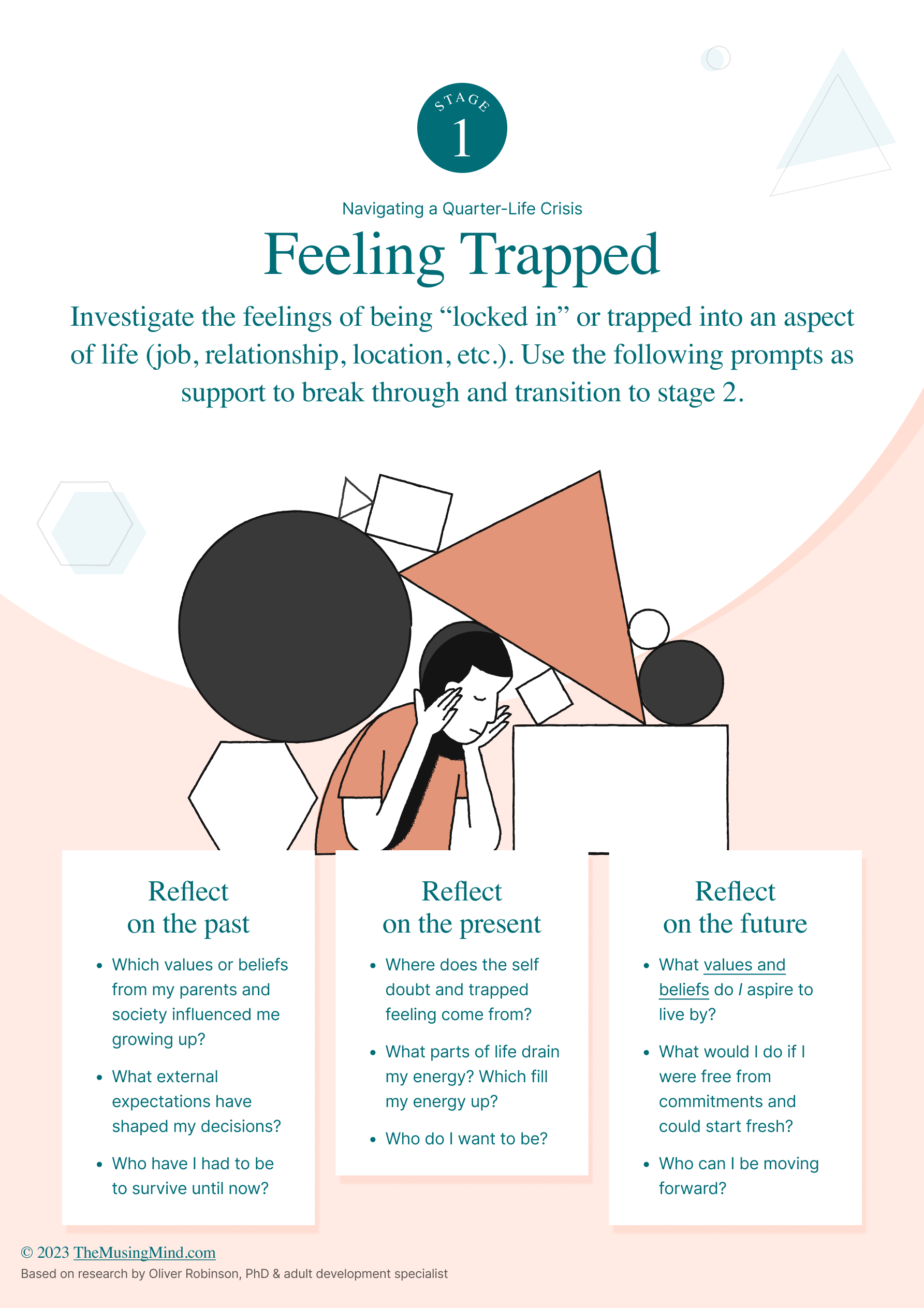
The Economic Anatomy of the Quarter-Life Crisis
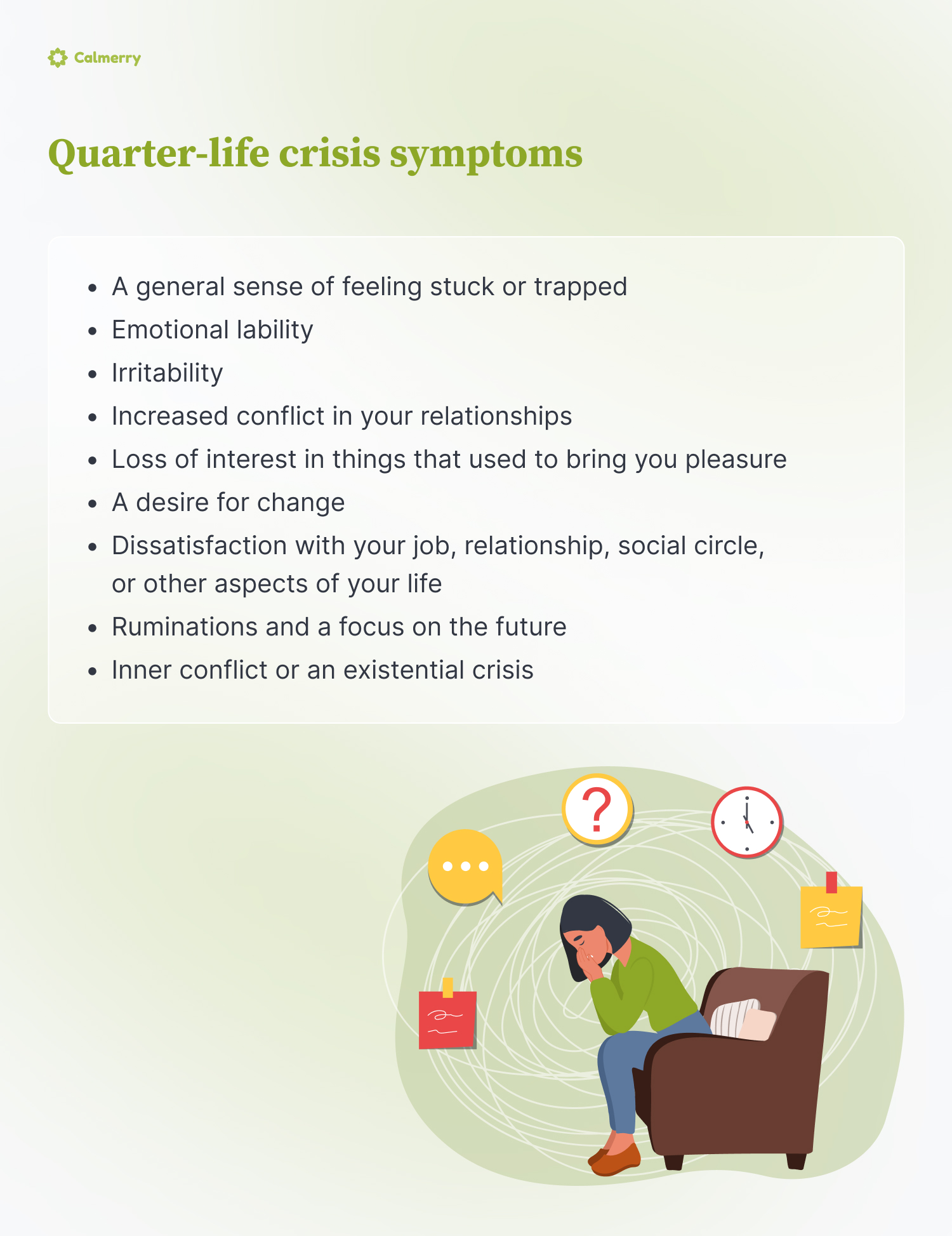
The feeling of being “stuck” that defines a quarter-life crisis is often rooted in tangible economic barriers. Unlike previous generations, today’s young adults enter the workforce with a unique set of financial headwinds that dictate their lifestyle choices and mental well-being.
The Burden of Student Loan Debt
For the majority of people in their 20s, the quarter-life crisis begins with a balance sheet heavily weighted toward liabilities. Student loan debt is the primary driver of delayed adulthood. When a significant portion of a monthly paycheck is diverted toward interest payments rather than equity building or investments, the feeling of “treading water” becomes literal. This debt-to-income imbalance limits mobility, preventing young professionals from taking the risks necessary for high-growth career pivots or entrepreneurial ventures.
The Rent-to-Income Ratio Challenge
Housing costs have outpaced wage growth in nearly every major metropolitan hub. A quarter-life crisis is frequently exacerbated by the realization that a professional salary barely covers the cost of a modest apartment. When 30% to 50% of take-home pay is allocated to rent, the ability to build an emergency fund or invest in the market is severely diminished. This creates a sense of financial claustrophobia, where one feels one “emergency” away from total insolvency, fueling the anxiety typical of this age bracket.
The Impact of Lifestyle Inflation and Social Comparison
In the digital age, financial anxiety is often compounded by “performative consumption.” Social media platforms create a distorted view of what a 25-year-old’s lifestyle should look like. This leads to lifestyle inflation—spending money on travel, dining, and luxury goods to keep up with a perceived peer group—which further erodes the financial foundation. The quarter-life crisis is often a collision between the desire for immediate gratification and the harsh reality of one’s actual net worth.
Career Stagnation and the Opportunity Cost of Stability
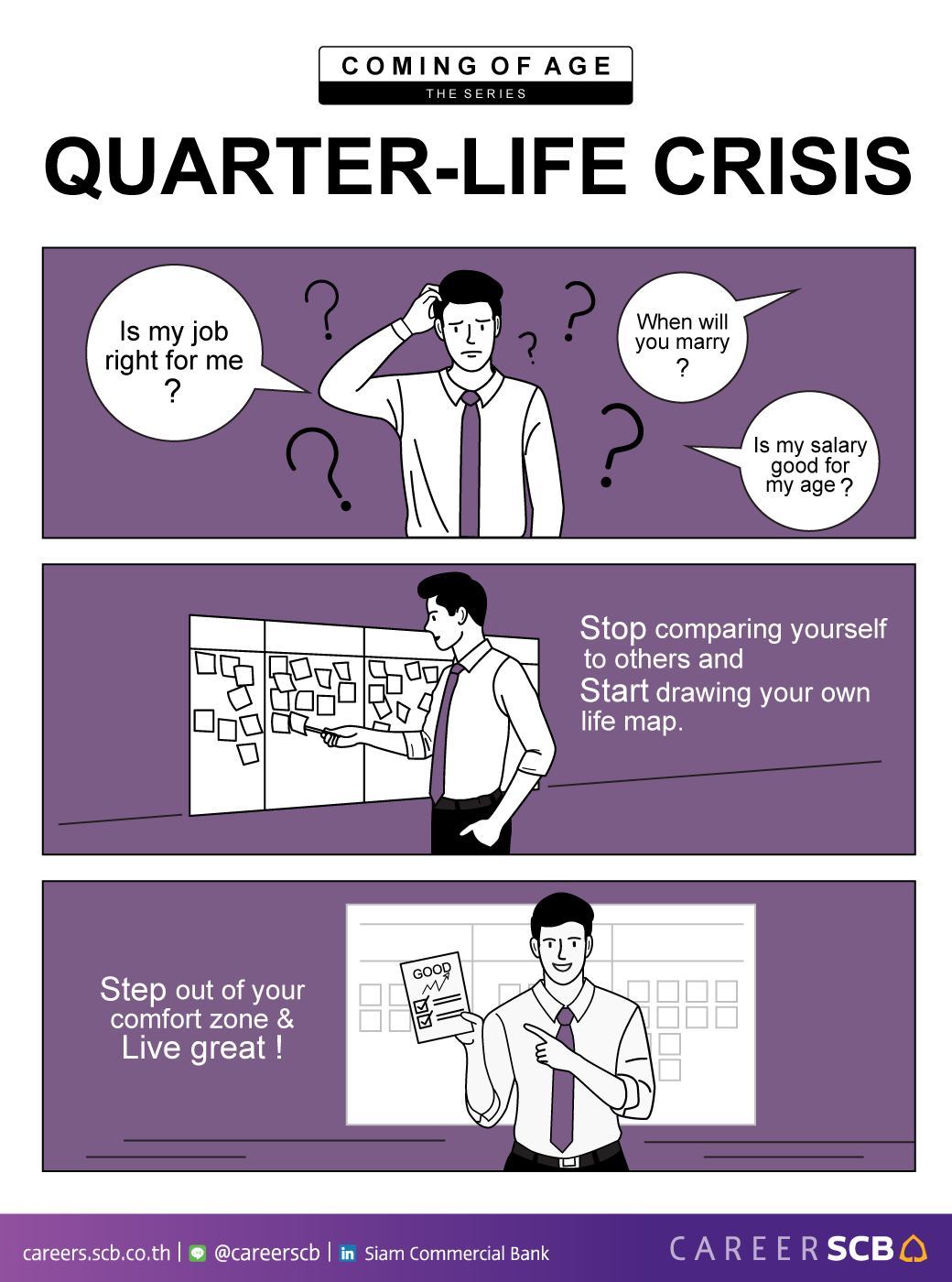
A central theme of the quarter-life crisis is the “mid-entry-level plateau.” After three to five years in the workforce, many professionals realize that their current trajectory may not lead to the financial independence they envisioned. This realization often prompts a desire for a radical change, but such changes come with significant financial risks.
The Mid-Entry-Level Plateau
By age 27 or 28, many individuals have mastered their initial job roles but find that the path to upper management or significant raises is blocked by organizational bloat or economic cooling. This stagnation is a financial crisis because it represents a loss of “human capital” value. If your earning potential isn’t scaling with your experience, you are effectively losing money relative to inflation. Recognizing this plateau is often the catalyst for the “crisis” move: quitting a job to go back to school or switching industries entirely.
Evaluating the ROI of Graduate Education
A common response to a quarter-life crisis is to seek refuge in academia. While an MBA, JD, or specialized Master’s degree can increase long-term earning potential, they also represent a massive opportunity cost. One must calculate the Return on Investment (ROI) of such a move. Taking on an additional $100,000 in debt at age 26 requires a significant salary jump to justify the years of lost wages and interest accumulation. A financial-first approach to the quarter-life crisis involves analyzing whether a pivot requires a degree or simply a strategic “job hop” to a higher-paying competitor.
Side Hustles as a Financial Safety Net
To combat the feeling of helplessness, many in their mid-20s are turning to diversified income streams. The “Side Hustle” isn’t just a buzzword; it is a sophisticated risk-management strategy. By developing a secondary source of income—whether through freelancing, e-commerce, or the gig economy—young professionals can mitigate the risk of a primary job loss. This financial buffer provides the psychological “permission” to explore new career paths without the fear of total financial ruin.
Strategies for Wealth Building Amidst Uncertainty
While a quarter-life crisis feels like a period of chaos, it is actually the most critical window for wealth accumulation due to the power of compounding. The financial decisions made during these “crisis” years will dictate one’s financial status for the next four decades.
Automating Investments Amidst Uncertainty
The best antidote to financial anxiety is a system that works regardless of your emotional state. Setting up automated contributions to a 401(k), 403(b), or a Roth IRA ensures that even while you are questioning your career path, your wealth is growing. In your 20s, time is a more valuable asset than the size of the contribution. Investing even small amounts during a quarter-life crisis ensures that you aren’t “falling behind” the market, even if you feel you are falling behind your peers.
The Psychology of “Comparison Spending”
To move past the crisis, one must decouple their self-worth from their spending. Professional financial planning at this age involves identifying “value-based spending.” This means ruthlessly cutting costs on things that don’t provide long-term utility (like trend-based fashion or excessive delivery services) while investing in things that do (like professional coaching, high-yield savings accounts, or index funds). Managing the psychology of money is just as important as managing the numbers themselves.
Building an “Escape Fund”
Many people feel trapped in their quarter-life crisis because they lack the liquidity to change their circumstances. An “Escape Fund”—a hyper-targeted emergency fund—is designed to cover 6 to 12 months of living expenses specifically for the purpose of a career transition or a move to a lower-cost-of-living area. Having this capital on hand transforms a “crisis” into an “opportunity.” It shifts the power dynamic from the employer to the individual, allowing for more aggressive salary negotiations and the ability to say “no” to unfulfilling work.
Redefining Success: Financial Independence vs. Conventional Milestones
The quarter-life crisis is often a result of measuring one’s life against outdated 20th-century milestones. In the modern economy, the definition of financial success has shifted from “ownership” to “agency.”
Pivoting Careers Without Financial Ruin
The ability to pivot is a financial skill. It requires “lean living” during the transition period and a clear understanding of your “burn rate.” Those who navigate the quarter-life crisis most effectively are those who treat their life like a startup. They understand when to “pivot” their career and when to “persevere.” From a money perspective, this means maintaining a low debt-to-income ratio to ensure that you are agile enough to move when a better financial opportunity arises.
The FIRE Movement and Early Retirement Logic
Many individuals experiencing a quarter-life crisis find solace in the FIRE (Financial Independence, Retire Early) movement. The core tenets of FIRE—extreme savings rates and low-cost index fund investing—provide a structured framework to combat the aimlessness of a mid-20s crisis. By focusing on a “Financial Independence Number,” young adults can turn their existential dread into a mathematical goal. This shift in focus from “What am I doing with my life?” to “How much do I need to be free?” is a powerful psychological tool.
Capitalizing on Professional Networking for Financial Growth
Finally, the “brand of you” is a financial asset. During a quarter-life crisis, investing in a professional network is often more valuable than a high-yield savings account. In the modern job market, the highest-paying roles are rarely found on public job boards; they are found through referrals. Building a “social capital” portfolio can lead to exponential increases in income, which is the fastest way to resolve the financial pressures of the quarter-life crisis.
In conclusion, a quarter-life crisis is not a sign of failure, but a signal that your current financial and professional “operating system” needs an upgrade. By focusing on debt reduction, aggressive investing, and strategic career pivots, you can transform this period of uncertainty into the foundation of a life defined by financial freedom and professional autonomy. The crisis is temporary, but the financial habits built during this time will last a lifetime.
aViewFromTheCave is a participant in the Amazon Services LLC Associates Program, an affiliate advertising program designed to provide a means for sites to earn advertising fees by advertising and linking to Amazon.com. Amazon, the Amazon logo, AmazonSupply, and the AmazonSupply logo are trademarks of Amazon.com, Inc. or its affiliates. As an Amazon Associate we earn affiliate commissions from qualifying purchases.