
The landscape of modern medicine is increasingly defined by the transition from traditional, subjective observation to precise, data-driven diagnostics. At the forefront of this shift in the field of infectious disease is QuantiFERON testing. While often discussed in clinical settings, QuantiFERON is, at its core, a sophisticated piece of biotechnology that leverages advanced immunological principles and automated laboratory systems to solve a decades-old problem: the accurate detection of Mycobacterium tuberculosis.
Understanding what QuantiFERON testing is requires looking beyond the vial of blood. It represents a significant leap in diagnostic technology, moving away from the “analog” methods of the past century toward a “digital” age of molecular accuracy and integrated health data.
The Technological Evolution of Tuberculosis Screening
For over a hundred years, the primary method for detecting tuberculosis (TB) infection was the Tuberculin Skin Test (TST), also known as the Mantoux test. This method was inherently analog and prone to human error. It required a physical injection of purified protein derivative and a subjective measurement of skin swelling 48 to 72 hours later. The QuantiFERON-TB Gold Plus (QFT-Plus) test revolutionized this process by digitizing the immune response into measurable data points.
Moving Beyond the Skin Test: The IGRA Breakthrough
QuantiFERON is classified as an Interferon-Gamma Release Assay (IGRA). This technology operates on the principle of detecting cell-mediated immune responses. Instead of relying on a patient’s skin reaction, which can be influenced by previous vaccinations (like BCG) or external environmental factors, the QuantiFERON tech isolates the specific reaction of T-cells to TB antigens. This specificity is a hallmark of modern biotechnology—filtering out “noise” (cross-reactivity) to focus on the “signal” (actual infection).
How ELISA Technology Powers Modern Detection
The engine behind QuantiFERON testing is the Enzyme-Linked Immunosorbent Assay (ELISA). This biochemical technique uses solid-phase enzyme immunoassay to detect the presence of interferon-gamma (IFN-γ). When a patient’s blood is incubated with specific TB-relevant antigens, the T-cells release IFN-γ. The ELISA platform then uses colorimetric technology—measuring light absorbance—to quantify the concentration of these proteins. This converts a biological event into a precise numerical value, which can be analyzed by diagnostic software to determine a positive or negative result.
Digital Integration and Laboratory Automation in QuantiFERON Workflows
One of the most significant advantages of the QuantiFERON platform in the tech era is its compatibility with high-throughput laboratory automation. In the modern diagnostic ecosystem, speed and scalability are essential. Manual testing is no longer viable for global health monitoring or large-scale corporate health screenings.
High-Throughput Processing and Robotics
The modern QuantiFERON workflow is designed to integrate seamlessly with robotic liquid handling systems and automated plate washers. For example, the Qiagen Agility platform is a fully automated system that handles the entire QuantiFERON process—from the initial blood tube to the final result. By utilizing robotics, diagnostic labs can process hundreds of samples simultaneously with minimal human intervention. This reduction in “hands-on time” not only increases efficiency but significantly decreases the margin of error associated with manual pipetting and incubation timing.
Software-Driven Result Interpretation
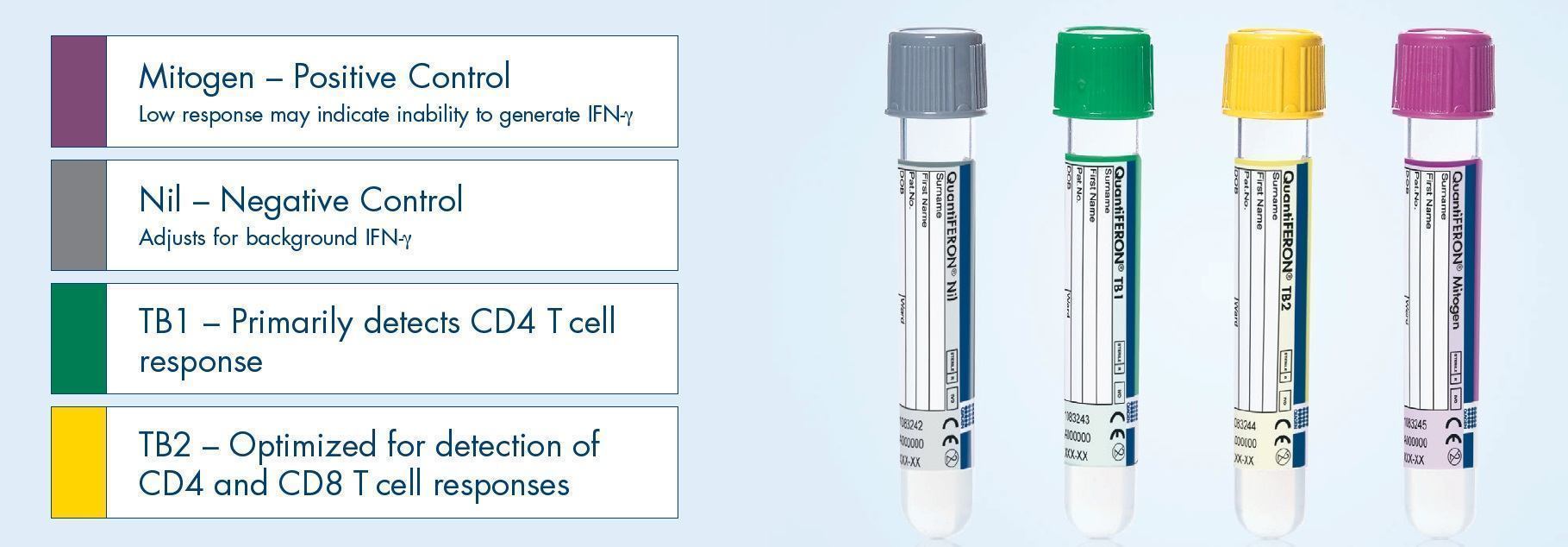
In the past, diagnostic results were often interpreted by a technician looking at a slide or a measurement. Today, QuantiFERON results are processed via dedicated interpretation software. This software applies complex algorithms to the raw optical density data generated by the ELISA reader. It accounts for “nil” controls (to ensure the patient’s immune system isn’t overactive) and “mitogen” controls (to ensure the patient’s immune system is actually functioning). By automating the interpretation, the technology ensures that every test is judged against a consistent, standardized digital benchmark, removing the subjectivity that plagued earlier diagnostic generations.
AI and Data Analytics: The Next Frontier for Diagnostic Accuracy
As we move further into the era of HealthTech, the data generated by QuantiFERON testing is becoming a valuable resource for artificial intelligence and machine learning models. The diagnostic is no longer a static “yes” or “no”; it is a data point in a larger predictive framework.
Predictive Modeling for Latent TB Progression
One of the greatest challenges in managing tuberculosis is determining which patients with a “latent” infection (those who have the bacteria but aren’t sick yet) will eventually progress to “active” TB. Tech innovators are currently using AI to analyze the quantitative values provided by QuantiFERON tests—not just the binary positive/negative result, but the specific levels of interferon-gamma. By correlating these levels with patient demographics and environmental data, machine learning algorithms are being developed to predict the risk of disease progression, allowing for more targeted and proactive technological intervention.
Integrating Diagnostic Data into Global Health Networks
QuantiFERON technology is increasingly integrated with Electronic Health Records (EHR) and global health surveillance clouds. When a laboratory processes a QuantiFERON test, the digital output can be automatically synced to public health databases. This real-time data flow is crucial for “Digital Epidemiology.” It allows health tech organizations to track outbreaks, monitor the efficacy of screening programs in real-time, and allocate resources based on live heatmap data rather than retrospective reports.
The Future of Biotech: QuantiFERON as a Blueprint for Diagnostic Innovation
The QuantiFERON platform is more than just a TB test; it is a blueprint for the future of specialized diagnostics. The success of the IGRA technology has paved the way for similar “immune-sensing” tech that can detect other pathogens and conditions.
Expanding the IGRA Platform for Other Pathogens
The technological framework of QuantiFERON—stimulating T-cells and measuring protein release—is currently being adapted for other applications. We are seeing the rise of similar technologies for detecting Cytomegalovirus (CMV), COVID-19 immunity, and even certain types of cancer. The “platform” approach to diagnostics mirrors the software industry; once you have a stable, reliable operating system (in this case, the IGRA/ELISA workflow), you can develop new “applications” (new antigens) to run on that same infrastructure.
The Role of Cloud Computing in Real-Time Pathogen Surveillance
Looking forward, the integration of QuantiFERON testing with cloud computing represents the next major milestone. By moving diagnostic analysis to the cloud, laboratories can benefit from global updates to interpretation algorithms. If a more accurate way to interpret IFN-γ levels is discovered, software updates can be pushed globally to every connected diagnostic machine, much like a firmware update for a smartphone. This ensures that a patient in a remote clinic receives the same high-standard diagnostic analysis as one in a major metropolitan hospital.

Conclusion: A Paradigm Shift in Diagnostic Tech
QuantiFERON testing represents the successful marriage of immunology and information technology. It has transformed a difficult, subjective medical procedure into a streamlined, automated, and data-rich process. For the technology industry, the story of QuantiFERON is a testament to the power of digitization—taking the complexities of the human immune system and translating them into clear, actionable data.
As we continue to advance in the fields of robotics, AI, and cloud integration, tools like QuantiFERON will only become more sophisticated. They serve as a critical reminder that the future of medicine is not just about better medicine, but about better technology. By continuing to refine these automated diagnostic platforms, the tech sector is playing an indispensable role in the global effort to eradicate infectious diseases and improve the accuracy of healthcare delivery worldwide. Whether it is through high-throughput laboratory robotics or predictive AI modeling, QuantiFERON stands as a pillar of modern diagnostic technology, proving that when biology meets bits and bytes, the results are life-changing.
aViewFromTheCave is a participant in the Amazon Services LLC Associates Program, an affiliate advertising program designed to provide a means for sites to earn advertising fees by advertising and linking to Amazon.com. Amazon, the Amazon logo, AmazonSupply, and the AmazonSupply logo are trademarks of Amazon.com, Inc. or its affiliates. As an Amazon Associate we earn affiliate commissions from qualifying purchases.