
In the rapidly evolving landscape of medical technology (MedTech), the transition from subjective, manual screening methods to automated, high-precision diagnostic tools marks a significant milestone. One of the most prominent examples of this technological leap is the QuantiFERON-TB Gold (QFT) test. While often discussed in clinical circles, its significance as a piece of sophisticated biotechnological engineering is frequently overlooked. This article explores the QuantiFERON-TB Gold test through the lens of modern technology, examining its underlying mechanics, the role of automation in its execution, and how it represents a digital shift in the global fight against infectious diseases.
The Technological Architecture of Interferon-Gamma Release Assays (IGRA)
The QuantiFERON-TB Gold test is not a simple chemical reaction; it is a complex Interferon-Gamma Release Assay (IGRA) that leverages the principles of modern immunology and molecular biology. At its core, the technology is designed to detect the presence of Mycobacterium tuberculosis infection by measuring the immune system’s response to specific synthetic peptides.
The Mechanics of Molecular Specificity
The “tech” inside the test begins with the selection of antigens. Unlike older methods, QFT utilizes highly specific synthetic peptides that simulate proteins found in M. tuberculosis—specifically ESAT-6 and CFP-10. From a bioengineering standpoint, this specificity is crucial. These proteins are absent from the BCG vaccine and most non-tuberculous mycobacteria. By using recombinant DNA technology to produce these antigens, the test ensures a level of molecular precision that prevents the “false positives” that plagued previous generations of diagnostic tools.
ELISA: The Hardware of the Laboratory
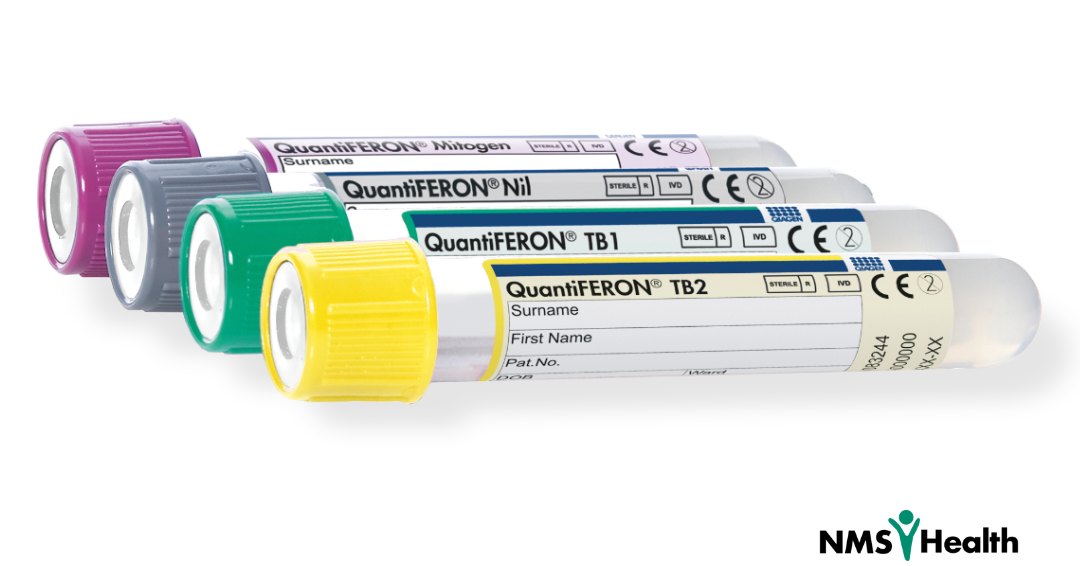
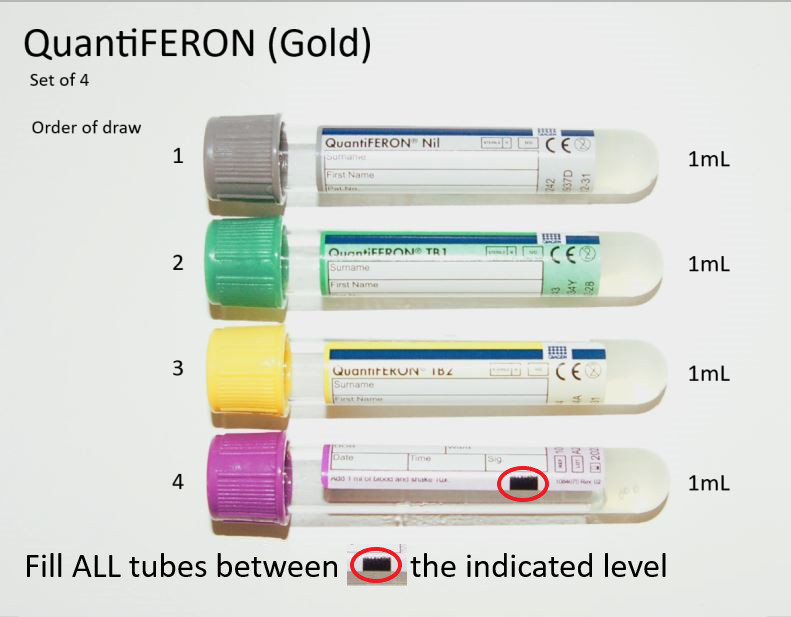
Once a blood sample is collected into specialized tubes, the secondary phase of the technology comes into play: the Enzyme-Linked Immunosorbent Assay (ELISA). This is a plate-based signaling technology designed for detecting and quantifying substances such as peptides, proteins, antibodies, and hormones. In the context of QFT, the ELISA platform uses sophisticated optical sensors to measure the concentration of interferon-gamma. The hardware involved—automated plate washers and spectrophotometers—reads the optical density of the samples, converting biochemical signals into digital data points that can be analyzed by laboratory software.
Automation and Digital Integration in Modern Labs
The shift from the traditional Tuberculin Skin Test (TST) to QuantiFERON-TB Gold represents a shift from manual labor to automated workflows. In the world of tech, automation is the key to scalability and accuracy, and the QFT process is a prime example of this transition.
Streamlining the Laboratory Workflow
Modern diagnostic laboratories are increasingly reliant on high-throughput automation. The QuantiFERON technology is designed to fit into these automated ecosystems. From the moment the blood-filled tubes are loaded into a centrifuge to the final reading of the ELISA plate, human intervention is minimized. Automated pipetting systems and robotic arms handle the reagents with microliter precision, ensuring that the biochemical environment remains consistent across thousands of tests. This reduction in “human touchpoints” is a technological safeguard against the variability that often leads to diagnostic errors.
Health Informatics and Electronic Health Records (EHR)
A critical component of modern MedTech is how data moves from the lab to the clinician. The results of a QuantiFERON-TB Gold test are digital by nature. Unlike a skin test, which requires a practitioner to manually measure a skin reaction with a ruler and then transcribe that measurement into a paper file, QFT results are generated as digital files. These files can be seamlessly integrated into Electronic Health Records (EHR) via HL7 (Health Level Seven) protocols. This digital pipeline allows for real-time monitoring of infection rates across populations, providing public health officials with the data needed for predictive modeling and resource allocation.

The Tech Evolution: Moving Beyond Subjective Diagnostics
To understand the technological value of QuantiFERON-TB Gold, one must compare it to the “legacy system” it is replacing: the Tuberculin Skin Test (TST), which has remained largely unchanged for over a century.
Objective Reading vs. Subjective Interpretation
The TST relies on the “Mantoux” method, where a healthcare worker must visually and physically inspect a patient’s skin 48 to 72 hours after an injection. This process is inherently subjective; different observers may measure the “induration” (swelling) differently. In contrast, QuantiFERON technology provides a binary, objective output based on digital thresholds. The software analyzes the interferon-gamma levels and categorizes them as positive, negative, or indeterminate based on programmed algorithms. This removes the “human error” factor, replacing an analog measurement with a digital verification.
Solving the BCG Interference Problem through Bio-Engineering
One of the greatest technical hurdles in TB screening was the interference caused by the BCG (Bacille Calmette-Guérin) vaccine, which is widely used globally. Because the vaccine and the bacteria share certain antigens, the old skin tests could not distinguish between someone who was vaccinated and someone who was actually infected. The QuantiFERON-TB Gold test solves this through targeted antigen engineering. By focusing only on the genomic regions (RD1) that are present in the actual pathogen but absent in the vaccine strain, the technology provides a clear, high-resolution view of the patient’s status. It is essentially a “high-definition” diagnostic compared to the “low-resolution” results of the past.
The Future of Diagnostic Tech: AI and Predictive Analysis
As we look toward the future of QuantiFERON technology, the focus is shifting toward how artificial intelligence (AI) and machine learning can further refine diagnostic accuracy and predictive power.
AI-Driven Result Interpretation
While the current QFT technology provides a clear positive or negative result, there is a wealth of “grey area” data in the quantitative interferon levels. Tech developers are now exploring AI algorithms that can analyze these numerical values alongside other patient metrics (age, co-morbidities, geographic location) to predict the likelihood of a latent infection progressing into active disease. This move toward predictive analytics would transform the test from a simple diagnostic tool into a proactive management system.
The Road to Next-Gen Sequencing (NGS)
While QuantiFERON-TB Gold remains the gold standard for IGRA technology, the MedTech industry is already looking at how protein-based diagnostics can interface with genomic testing. There is a growing trend toward integrating IGRA results with Next-Generation Sequencing (NGS) to identify specific strains of tuberculosis and their potential resistance to drugs. In this ecosystem, a positive QFT result would trigger an automated workflow that leads to a full genomic breakdown of the pathogen, allowing for highly personalized treatment plans.
Conclusion: The Digital Frontier of Global Health
The QuantiFERON-TB Gold test is far more than a routine lab procedure; it is a sophisticated marriage of biotechnology, automation, and digital data management. By replacing the manual, subjective methods of the 20th century with a high-precision, software-driven diagnostic platform, the technology has fundamentally changed how we approach infectious disease screening.
As MedTech continues to advance, the integration of these tests into global digital infrastructures will be vital. The ability to collect, analyze, and transmit high-accuracy diagnostic data in real-time is the backbone of modern public health. For the engineers, data scientists, and biotechnologists behind these tools, the QuantiFERON-TB Gold test serves as a blueprint for the future of diagnostics—a future defined by objectivity, precision, and the relentless pursuit of technological excellence in the service of human health.
aViewFromTheCave is a participant in the Amazon Services LLC Associates Program, an affiliate advertising program designed to provide a means for sites to earn advertising fees by advertising and linking to Amazon.com. Amazon, the Amazon logo, AmazonSupply, and the AmazonSupply logo are trademarks of Amazon.com, Inc. or its affiliates. As an Amazon Associate we earn affiliate commissions from qualifying purchases.