
Pulse Secure, a name synonymous with robust enterprise-grade security solutions, has long been a foundational component in the digital defense strategies of countless organizations worldwide. At its core, Pulse Secure provides a comprehensive suite of secure access technologies designed to protect corporate networks, applications, and data from unauthorized access and cyber threats, irrespective of user location or device. In an increasingly interconnected and threat-laden digital landscape, understanding Pulse Secure means grasping the critical mechanisms that enable secure remote access, enforce network access policies, and lay the groundwork for zero-trust security architectures.
Initially known for its pioneering work in Virtual Private Network (VPN) technology, Pulse Secure has evolved significantly to address the complex demands of modern IT environments. This evolution includes expanding its capabilities beyond simple remote access to encompass advanced Network Access Control (NAC), a sophisticated framework for ensuring only compliant devices and authorized users can connect to the network, and contributing substantially to the paradigm shift towards Zero Trust Access (ZTA) models. For IT professionals, C-suite executives, and anyone involved in maintaining digital integrity, comprehending Pulse Secure’s offerings is crucial for building resilient, future-proof security infrastructure. It represents a commitment to securing the perimeter, controlling internal access, and verifying every interaction in an age where the traditional network perimeter has all but dissolved.
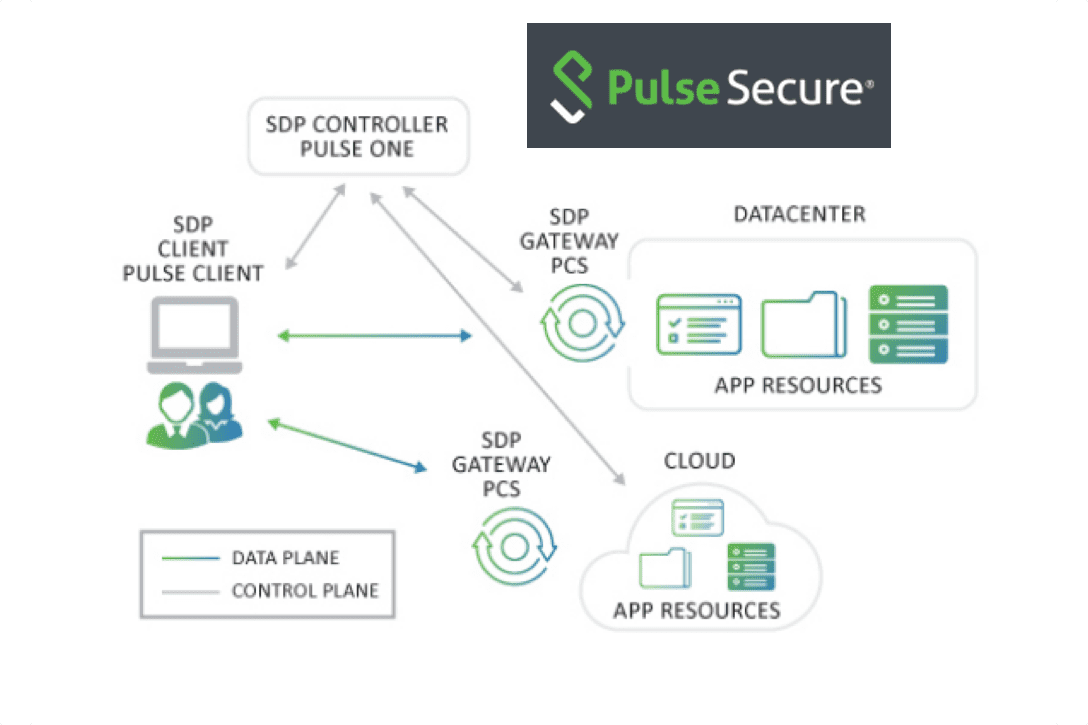
Understanding the Core Offering: Secure Access
The overarching mission of Pulse Secure solutions is to provide secure access. This concept is far more nuanced than simply allowing users to log in; it involves a multi-layered approach to verifying identity, assessing device posture, and controlling what resources an authenticated user or device can access. This holistic approach ensures that an organization’s digital assets remain protected whether users are on-premises, working remotely, or connecting via a myriad of personal and corporate devices.
VPN and Remote Access
At the foundation of Pulse Secure’s offerings is its highly regarded Virtual Private Network (VPN) technology, primarily delivered through Pulse Connect Secure. A VPN establishes a secure, encrypted tunnel over an unsecure network, typically the internet, allowing remote users to access internal corporate resources as if they were physically connected to the office network. This is indispensable for distributed workforces, enabling employees, contractors, and partners to securely connect from any location.
Pulse Secure’s VPN solution stands out for its enterprise-grade features, including robust authentication mechanisms (multi-factor authentication, SAML, certificates), granular access control, and high scalability. Unlike consumer-grade VPNs, enterprise solutions like Pulse Connect Secure offer centralized management, detailed logging, and integration with existing identity management systems, making them suitable for large organizations with complex security requirements. It ensures that data in transit is encrypted, protecting sensitive information from interception and tampering, a cornerstone of secure remote work.
Network Access Control (NAC)
Beyond simply getting users onto the network, Network Access Control (NAC) is about controlling who and what can access network resources once connected. Pulse Policy Secure is Pulse Secure’s answer to this critical security challenge. NAC operates on the principle that not all devices or users should have equal access to all network segments. It acts as a gatekeeper, inspecting devices as they attempt to connect to the network, assessing their compliance with security policies, and then assigning them appropriate access levels.
This includes checking for up-to-date antivirus software, operating system patches, device type (corporate vs. personal), and user role. If a device fails to meet the defined security posture, NAC can automatically quarantine it, deny access, or restrict its access to remediation resources until it becomes compliant. This capability is vital for mitigating risks introduced by unmanaged devices, IoT devices, and “bring your own device” (BYOD) policies, preventing them from becoming vectors for malware or unauthorized data access. Pulse Policy Secure provides visibility into all devices on the network, enforces consistent policies across wired, wireless, and VPN connections, and dynamically adapts access based on real-time threat assessments.
Zero Trust Access (ZTA)
The evolving threat landscape, characterized by sophisticated phishing attacks, ransomware, and insider threats, has driven a paradigm shift from perimeter-based security to a “never trust, always verify” model known as Zero Trust. Pulse Secure has been instrumental in enabling organizations to adopt Zero Trust Access (ZTA) principles. Rather than assuming that everything inside the network is safe, Zero Trust demands continuous verification of every user, device, and application attempting to access resources, regardless of their location relative to the traditional network perimeter.
Pulse Secure’s architecture supports ZTA by combining strong identity authentication, continuous device posture assessment, and micro-segmentation capabilities. This means that even an authenticated user on a compliant device might only be granted access to the specific applications or data they need for their current task, and this access is continuously re-evaluated. If a user’s role changes, their device becomes non-compliant, or unusual behavior is detected, access can be immediately restricted or revoked. This granular control minimizes the “blast radius” of a potential breach, ensuring that if one segment is compromised, the impact is contained. By integrating identity, device, and application context, Pulse Secure helps organizations move away from implicit trust and towards explicit verification at every access point.
Key Components and How They Work
Pulse Secure’s comprehensive solution suite is built upon several core components that work in concert to deliver integrated secure access. Understanding these individual elements provides a clearer picture of how the overall system functions to protect an organization’s digital assets.
Pulse Connect Secure (PCS)
Pulse Connect Secure is the foundational secure access gateway. It is a robust, purpose-built appliance (physical or virtual) that acts as the secure entry point for remote users and devices into the corporate network. PCS establishes and manages encrypted VPN tunnels, authenticates users against various identity stores (e.g., Active Directory, LDAP, RADIUS), and applies granular access policies.
Its primary function is to provide seamless, secure remote access to applications and resources, whether hosted on-premises or in the cloud. Key features include:
- SSL VPN: Utilizes standard web browsers, making it easy for users to connect without complex client installations for basic access.
- Client-based VPN: Leverages the Pulse Secure Client for more persistent, full-network access and advanced features like endpoint security checks.
- High Availability and Scalability: Designed for enterprise environments, PCS can be deployed in clusters for redundancy and to handle a large number of concurrent users.
- Session Persistence: Maintains connectivity even if the underlying network connection fluctuates.
- Granular Access Control: Policies can be defined based on user role, device type, location, and other contextual factors, dictating which resources are accessible.
Pulse Policy Secure (PPS)
Pulse Policy Secure is the Network Access Control (NAC) component of the suite. It is deployed alongside network infrastructure (switches, wireless access points) to enforce access policies for all users and devices connecting to the internal network, regardless of whether they are wired, wireless, or VPN users. PPS acts as a central policy enforcement engine.
When a device attempts to connect, PPS:
- Identifies the device: Using MAC addresses, user credentials, and other network attributes.
- Profiles the device: Determines its type (laptop, smartphone, IoT device), operating system, and other characteristics.
- Assesses Device Posture: Checks for compliance with security policies, such as the presence of antivirus software, firewall status, OS patch levels, and unauthorized applications. This is often done via an agent (Pulse Secure Client) or agentless methods.
- Enforces Policies: Based on the device and user profile, PPS assigns appropriate network access. This could range from full access to specific network segments, restricted guest access, or complete quarantine if the device is non-compliant or malicious.
- Provides Visibility: Offers a centralized view of all devices connected to the network, their compliance status, and their access levels.
Pulse Secure Client
The Pulse Secure Client is a lightweight software application installed on end-user devices (laptops, smartphones, tablets). It serves multiple critical functions:
- VPN Connectivity: Facilitates the creation and management of secure VPN tunnels to Pulse Connect Secure gateways.
- Endpoint Security Posture Assessment: Works in conjunction with Pulse Policy Secure to perform checks on the client device’s security posture before and during network access. This ensures that the device continuously meets compliance requirements.
- Centralized Management: Allows IT administrators to manage and push configurations to client devices, ensuring consistent security policies.
- User Experience: Provides a seamless and intuitive interface for users to connect securely, often with single sign-on capabilities.

The client acts as the “eyes and ears” on the endpoint, providing the necessary data for the Pulse Secure ecosystem to make informed access decisions. It’s a cornerstone for implementing strong Zero Trust principles, as it enables continuous monitoring and enforcement at the device level.
The Evolution and Modern Relevance
Pulse Secure’s journey reflects the broader shifts in enterprise IT and cybersecurity. What began as a solution primarily focused on remote VPN access has matured into a comprehensive platform addressing the complexities of hybrid work models, cloud adoption, and the proliferation of IoT devices. Its modern relevance is underscored by its adaptability to these rapidly changing landscapes.
Adapting to Hybrid Work
The COVID-19 pandemic accelerated the adoption of hybrid and remote work models, making secure access more critical than ever. Organizations needed to provide seamless and secure access to corporate resources from employees’ homes, co-working spaces, and public networks. Pulse Secure’s architecture, particularly its robust VPN and endpoint posture assessment capabilities, was ideally positioned to support this transition.
It enabled employees to connect securely to internal applications, whether SaaS, cloud-hosted, or on-premises, while ensuring their devices adhered to corporate security policies. This adaptation was not just about providing connectivity but about extending the security perimeter to every endpoint, regardless of location, ensuring business continuity without compromising data integrity. The continuous assessment offered by the Pulse Secure Client, combined with the granular access policies of PPS, meant that even devices connecting from less secure environments could be trusted only to the extent necessary and continually verified.
Integration with Cloud and IoT
Modern enterprises operate in a hybrid cloud environment, with applications and data residing across on-premises data centers, private clouds, and public cloud platforms (AWS, Azure, Google Cloud). Pulse Secure solutions are designed to provide consistent secure access across this distributed infrastructure. By supporting various authentication protocols and integrating with cloud identity providers, it simplifies access management for cloud-native and cloud-migrated applications.
Furthermore, the explosion of Internet of Things (IoT) devices in corporate environments (smart sensors, cameras, industrial control systems) presents unique security challenges. These devices often lack traditional security agents and can introduce significant vulnerabilities if not properly managed. Pulse Policy Secure addresses this by providing agentless profiling and policy enforcement for IoT devices. It can identify these devices, assess their risk profile, and assign them to isolated network segments, limiting their ability to interact with critical corporate data and preventing them from being exploited as entry points for attackers. This capability is vital for maintaining a strong security posture in an era where every connected device is a potential attack surface.
Benefits for Organizations
Implementing Pulse Secure solutions delivers a multitude of tangible benefits that directly contribute to an organization’s security posture, operational efficiency, and user satisfaction. These advantages are particularly pronounced in complex, hybrid IT environments.
Enhanced Security Posture
The primary benefit is a significantly enhanced security posture. By centralizing secure access, Pulse Secure eliminates many common vulnerabilities associated with disparate, unmanaged access points. The combination of strong authentication, continuous device posture assessment, and granular access control ensures that only authorized users on compliant devices can access specific resources. This multi-layered defense significantly reduces the risk of unauthorized access, data breaches, and malware propagation. The adoption of Zero Trust principles further hardens the environment by removing implicit trust and verifying every access request, thus minimizing the attack surface and containing potential threats. Organizations gain greater visibility into who is accessing what, from where, and on which device, enabling faster detection and response to anomalies.
Simplified Management
Despite its sophisticated capabilities, Pulse Secure is designed for simplified management through a unified policy framework. Administrators can define security policies once and apply them consistently across all access vectors – VPN, wired, and wireless. The central management console provides a single pane of glass for monitoring, configuring, and troubleshooting secure access, reducing the operational overhead typically associated with managing multiple disparate security solutions. This centralization streamlines policy enforcement, ensures consistency, and reduces the likelihood of configuration errors, which are often a source of security vulnerabilities. Automation features within the platform can also reduce manual intervention, further freeing up IT staff to focus on strategic initiatives.
Improved User Experience
While security is paramount, a cumbersome user experience can lead to workarounds and Shadow IT, undermining security efforts. Pulse Secure strives to balance robust security with user-friendliness. The Pulse Secure Client provides a seamless and intuitive interface for users to connect, often with single sign-on (SSO) capabilities, reducing login fatigue. The ability to access all necessary corporate resources securely, regardless of location or device, empowers employees and enhances productivity. By providing a reliable and fast connection, and by preventing access issues due to security non-compliance before they arise, Pulse Secure ensures that security becomes an enabler of productivity rather than a hindrance.
Pulse Secure’s Place in the Digital Security Landscape
Pulse Secure has long held a prominent position in the digital security market, recognized for its specialized focus on secure access. Its journey has been marked by continuous innovation and strategic alignments, ensuring its relevance in a rapidly evolving threat landscape.
Acquisition by Ivanti
A significant development in Pulse Secure’s history was its acquisition by Ivanti in 2020. Ivanti, a company specializing in IT asset management, service management, and endpoint security, integrated Pulse Secure’s leading secure access solutions into its broader product portfolio. This acquisition was a strategic move aimed at creating a more comprehensive security offering, particularly in the realm of secure access and endpoint management.
Under the Ivanti umbrella, Pulse Secure’s technologies continue to be developed and enhanced, benefiting from Ivanti’s resources and complementary product lines. The integration allows for a more unified approach to managing and securing the everywhere workplace, combining Ivanti’s strength in endpoint management and automation with Pulse Secure’s expertise in secure connectivity and zero-trust access. For existing Pulse Secure customers, this meant continued support, a clearer path for product evolution, and potential for tighter integration with other IT and security tools.

Future Outlook and Continued Innovation
The future of secure access, particularly as driven by concepts like SASE (Secure Access Service Edge) and evolving Zero Trust architectures, demands continuous innovation. Pulse Secure, now as part of Ivanti, is poised to remain a key player in this evolution. The focus continues to be on delivering flexible, scalable, and highly secure access solutions that can adapt to new threats and changing business requirements.
This includes further enhancements in cloud security, deeper integration with AI and machine learning for threat detection and behavioral analytics, and expanded support for a broader range of endpoints and IoT devices. As organizations continue their digital transformation journeys, the need for secure, seamless access to applications and data from anywhere, on any device, will only intensify. Pulse Secure’s foundational technologies, backed by Ivanti’s vision, are expected to continue evolving to meet these challenges, empowering businesses to operate securely and efficiently in an increasingly complex digital world. Its commitment to “never trust, always verify” through robust authentication, granular policy enforcement, and continuous monitoring ensures its enduring relevance in the ongoing battle against cyber threats.
aViewFromTheCave is a participant in the Amazon Services LLC Associates Program, an affiliate advertising program designed to provide a means for sites to earn advertising fees by advertising and linking to Amazon.com. Amazon, the Amazon logo, AmazonSupply, and the AmazonSupply logo are trademarks of Amazon.com, Inc. or its affiliates. As an Amazon Associate we earn affiliate commissions from qualifying purchases.