
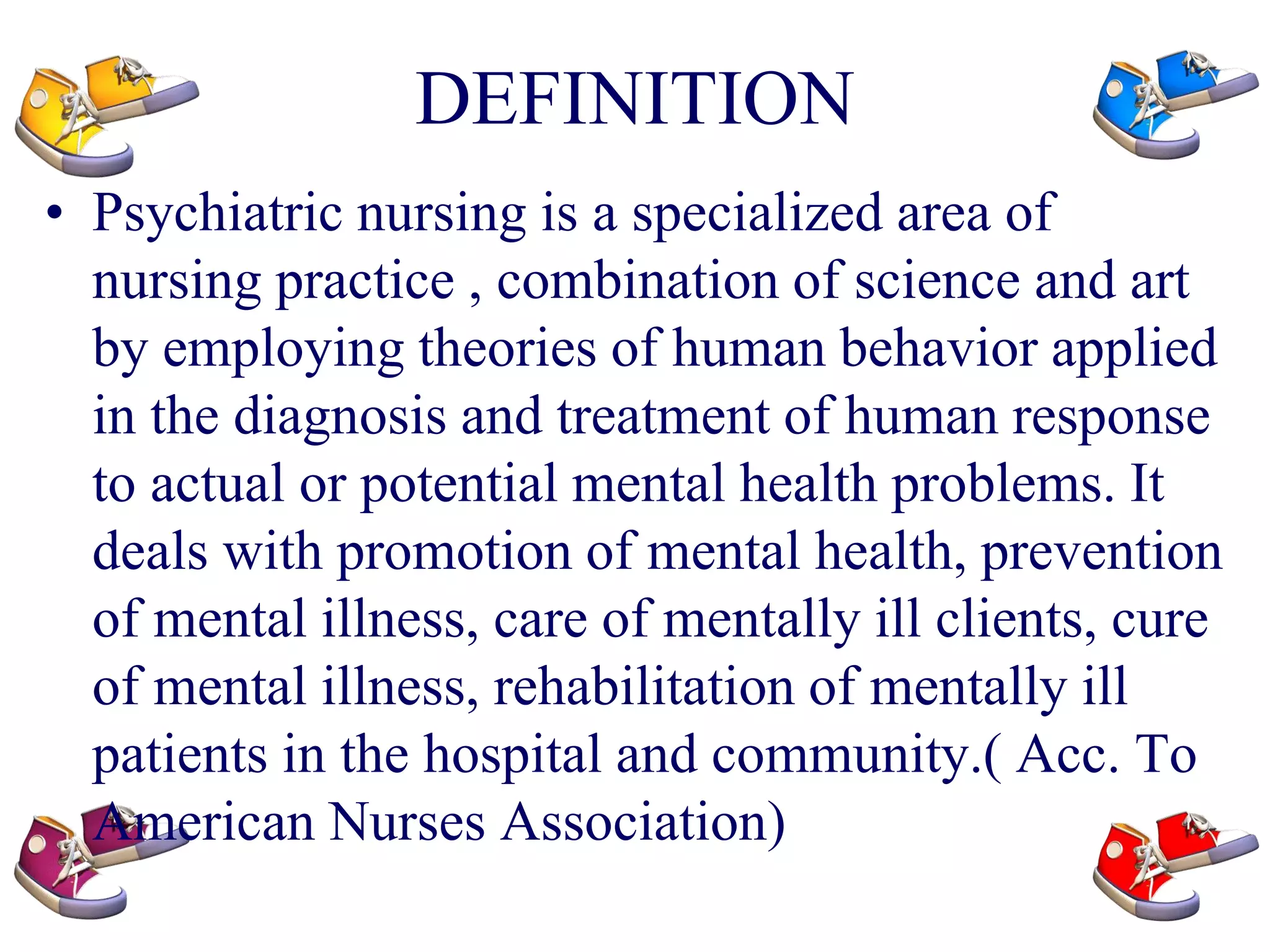
When individuals ask, “What is psych nursing?” they are often seeking a definition of the clinical duties involved in psychiatric-mental health nursing. However, from a professional and financial perspective, psychiatric nursing is more than just a medical specialty; it is one of the most resilient and high-yielding sectors within the modern healthcare economy. In an era where mental health awareness is at an all-time high, the demand for psychiatric nurses has created a unique “seller’s market” for labor, offering practitioners significant leverage in terms of salary, benefits, and entrepreneurial opportunities.

This article explores psychiatric nursing through the lens of personal finance and business strategy, analyzing the return on investment (ROI) for education, the lucrative potential of advanced practice, and the evolving market trends that make this field a cornerstone of the healthcare investment landscape.
The Economics of Psychiatric Nursing: Salary and Market Demand
At its core, the value of any profession is dictated by the laws of supply and demand. Currently, the United States and global markets are facing a critical shortage of mental health professionals. This shortage has transformed psychiatric nursing into a high-income “niche” within the nursing profession. Unlike general medical-surgical nursing, which often operates on standardized hospital pay scales, psychiatric nursing frequently commands premiums due to the specialized nature of the work and the high level of emotional intelligence required.
Base Salary and Shift Differentials
The financial journey of a psychiatric nurse typically begins at the Registered Nurse (RN) level. According to recent labor statistics, psychiatric RNs often earn a base salary comparable to or slightly higher than their peers in other specialties, ranging from $75,000 to $95,000 annually depending on geography. However, the true “money” in psych nursing lies in the shift differentials and overtime. Because psychiatric facilities operate 24/7, nurses who strategically work “off-peak” hours—nights, weekends, and holidays—can increase their gross income by 15% to 20% through these premiums.
Regional Variations and the “Cost of Living” Arbitrage
For the savvy professional, psychiatric nursing offers the opportunity for geographic arbitrage. Certain states, particularly those with high mental health funding and lower costs of living, offer the best “real” income. For example, while a nurse in California may earn a higher six-figure salary, a psychiatric nurse in a state like Texas or Georgia may retain more net wealth due to lower taxes and housing costs. Understanding these regional economic fluctuations is vital for any nurse looking to maximize their lifetime earnings.
Retention Bonuses and Recruitment Incentives
Because the “churn” rate in high-stress environments can be significant, many private psychiatric hospital chains offer aggressive signing bonuses. It is not uncommon to see “psych-specific” recruitment packages ranging from $5,000 to $20,000 for a two-year commitment. For a nurse focused on debt elimination or early-stage investing, these lump-sum payments provide a powerful catalyst for wealth building.
Maximizing ROI: The Financial Path from RN to PMHNP
In the world of personal finance, education is an investment. In the context of psych nursing, the most significant “alpha”—or excess return—is found by transitioning from a Registered Nurse to a Psychiatric-Mental Health Nurse Practitioner (PMHNP). This transition represents one of the highest ROIs in the entire healthcare industry.
The PMHNP Value Proposition
A PMHNP is an advanced practice nurse who can diagnose, treat, and prescribe medication for mental health disorders. From a financial standpoint, the jump in earning potential is staggering. While an RN may cap out around $100,000, a PMHNP can easily enter the market with a starting salary between $130,000 and $170,000. In high-demand areas or private practice settings, total compensation can exceed $200,000. When you calculate the cost of a Master’s or Doctorate program against the $70k–$100k annual salary increase, the “payback period” for the degree is often less than three years.
Tuition Reimbursement and Debt Forgiveness Programs
One of the most overlooked financial benefits of psych nursing is the availability of state and federal debt forgiveness. Because psychiatric care is often classified as a “high-need” area, many nurses working in underserved communities or government-run facilities qualify for programs like the HRSA Nurse Corps Loan Repayment Program. These programs can pay off up to 85% of nursing education debt. For a professional, this is essentially a tax-free “bonus” worth tens of thousands of dollars, significantly increasing their net worth.
Specialization and Sub-Niches
Within psychiatric nursing, further specialization can lead to even higher billing rates. Nurses who specialize in geriatric psychiatry, pediatric mental health, or substance abuse disorders find themselves in sub-niches with even less competition. In the business of healthcare, rarity equals value. By positioning oneself as an expert in a specific demographic, a nurse practitioner can command higher consulting fees and more lucrative employment contracts.

High-Income Side Hustles and Business Opportunities
Psychiatric nursing is not limited to the traditional 12-hour hospital shift. The modern financial landscape allows psych nurses to diversify their income streams, moving away from being “employees” toward becoming “business owners” or “consultants.”
The Travel Nursing Gold Mine
Psychiatric travel nursing is a high-yield strategy for those without permanent ties to a single location. Travel agencies often pay psychiatric nurses significantly higher hourly rates than staff positions, often including tax-free stipends for housing and meals. During peak demand periods, a psychiatric travel nurse can earn $3,000 to $5,000 per week. For those focused on “FIRE” (Financial Independence, Retire Early), a few years of travel nursing can provide the capital needed for real estate investing or starting a private clinic.
Legal Nurse Consulting and Expert Witness Work
Experienced psychiatric nurses possess knowledge that is highly valuable to the legal system. Legal Nurse Consulting is a lucrative side hustle where nurses review medical records for personal injury, malpractice, or workers’ compensation cases. As an expert witness, a psychiatric nurse can bill anywhere from $150 to $500 per hour to testify on the standard of care. This is a low-overhead, high-margin business that leverages clinical expertise for professional-grade consulting fees.
Private Practice and Telehealth Ventures
With the relaxation of telehealth regulations, PMHNPs are increasingly starting their own private practices. The “cash-pay” model for mental health is booming, as many patients prefer to pay out-of-pocket for immediate access to care rather than waiting for insurance-based providers. By cutting out the middleman (the hospital), a psychiatric nurse practitioner can keep a larger percentage of the billing. Even a part-time telehealth practice, seeing 5–10 patients a week, can generate a significant secondary income stream with minimal overhead costs.
The Business of Mental Health: Market Trends and Future Growth
To truly understand “what is psych nursing,” one must look at the macro-economic trends driving the industry. Mental health is no longer a peripheral concern; it is a central pillar of the global healthcare market, attracting billions in venture capital and private equity.
The Rise of Telepsychiatry Platforms
Companies like BetterHelp, Talkspace, and various start-ups are aggressively recruiting psychiatric nurses and practitioners. These platforms represent a shift in the business model of mental health, moving toward a “subscription-based” or “on-demand” service. For the psychiatric nurse, this means increased job flexibility and the ability to “gig-work” the profession, much like the software industry.
Private Equity and Behavioral Health Consolidation
There is a massive trend of private equity firms purchasing independent psychiatric hospitals and substance abuse clinics. This consolidation usually leads to more standardized business practices and, often, more competitive benefit packages to attract top-tier talent. As these facilities scale, there is a growing need for “Nurse Executives”—professionals who understand both the clinical side of psych nursing and the “bottom line” of healthcare administration.
The Economics of Integrated Care
Insurers and large health systems are realizing that untreated mental health issues drive up the costs of physical healthcare (e.g., untreated depression leads to poorer outcomes for heart disease). Consequently, there is a financial push for “Integrated Care” models where psych nurses are embedded in primary care clinics. This integration is opening up new roles in “Care Coordination” and “Value-Based Care,” where nurses are rewarded financially for improving patient outcomes and reducing hospital readmission rates.
Conclusion: Investing in a Career in Psych Nursing
When we view psychiatric nursing through a financial and business lens, the answer to “What is psych nursing?” becomes clear: It is a high-growth, recession-resistant career path with an exceptional ROI. Whether through traditional employment, high-yield travel contracts, or the launch of a private practice, psychiatric nurses are uniquely positioned to thrive in the modern economy.
For the professional looking to maximize their earning potential while making a profound social impact, psychiatric nursing offers a rare combination of stability and “upside.” By strategically managing education, seeking out high-demand niches, and embracing the entrepreneurial opportunities of telehealth and consulting, a career in psychiatric nursing can be the foundation of a robust and diversified financial portfolio. In the business of healthcare, the mind is the final frontier—and those who specialize in its care are among the most valuable assets in the market today.
aViewFromTheCave is a participant in the Amazon Services LLC Associates Program, an affiliate advertising program designed to provide a means for sites to earn advertising fees by advertising and linking to Amazon.com. Amazon, the Amazon logo, AmazonSupply, and the AmazonSupply logo are trademarks of Amazon.com, Inc. or its affiliates. As an Amazon Associate we earn affiliate commissions from qualifying purchases.