
In the realm of brand strategy, communication is often reduced to what we say and how we visualize it. We obsess over brand voice, color palettes, and typography. However, one of the most potent forms of communication remains invisible to the naked eye: proxemics. Proxemics is the study of human use of space and the effects that population density has on behavior, communication, and social interaction. For the modern brand, understanding proxemics is not just an academic exercise; it is a critical component of corporate identity and consumer psychology that dictates how a brand is perceived in both physical and digital environments.

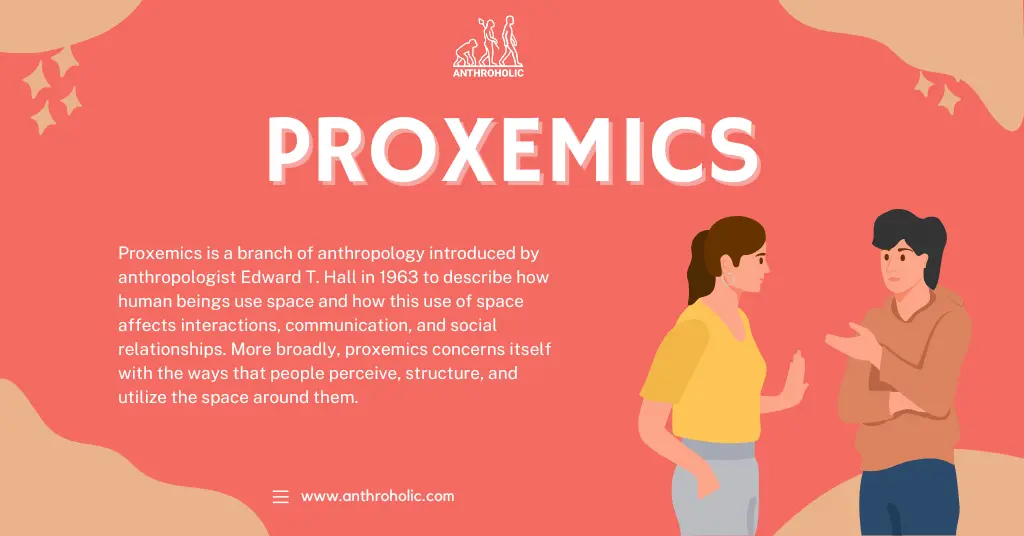
Originally coined by anthropologist Edward T. Hall in 1963, proxemics explains how humans perceive and use space to achieve certain communication goals. In a branding context, this translates to the “silent language” of distance. Whether it is the layout of a flagship retail store, the “white space” on a premium website, or the physical distance a salesperson maintains during a consultation, proxemics signals authority, intimacy, accessibility, and luxury.
The Psychology of Space: Why Proxemics Matters for Brand Identity
At its core, proxemics is about the psychological impact of proximity. Every brand occupies a space in the consumer’s life, and the physical or metaphorical distance a brand maintains defines its relationship with its audience. When a brand ignores the rules of proxemics, it risks creating “spatial dissonance”—a feeling of discomfort or mistrust in the consumer that can lead to brand abandonment.
Brand identity is built on consistency. If a luxury brand claims to be exclusive but crowds its retail floor with high-density inventory and narrow aisles, the spatial communication contradicts the brand promise. Conversely, a discount retailer that utilizes vast, empty spaces might confuse customers who associate such layouts with high price points. Proxemics allows brand strategists to align the physical environment with the brand’s core values.
In corporate identity, proxemics also plays a role in internal branding. The layout of a corporate headquarters—whether it features open-plan offices, private cubicles, or collaborative “huddle” spaces—communicates the brand’s internal culture. A brand that values transparency and innovation will use space differently than a brand that prioritizes hierarchy and security. By mastering proxemics, organizations ensure that their physical presence is a direct reflection of their strategic positioning.
Navigating the Four Zones of Consumer Distance
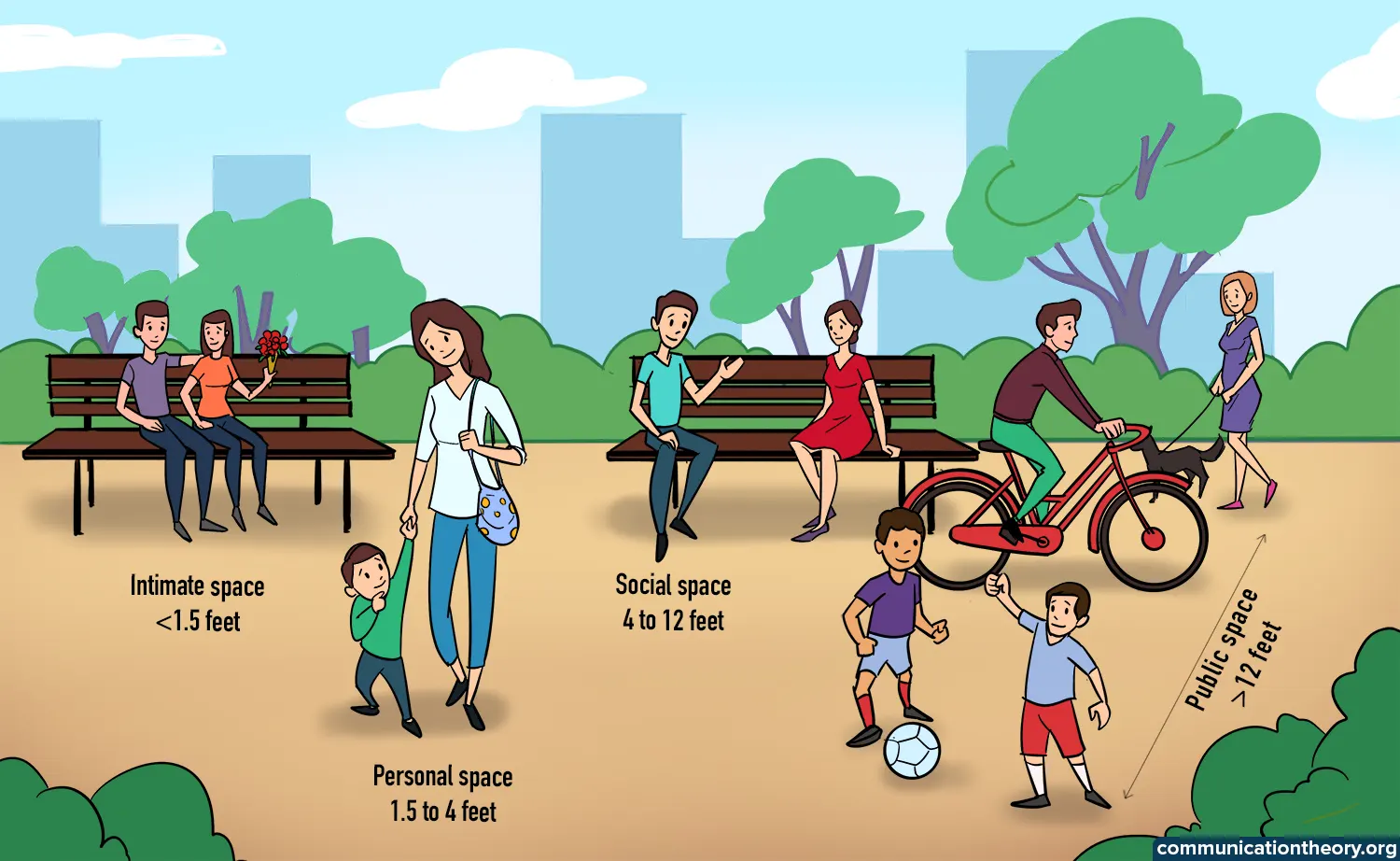
Edward T. Hall identified four distinct zones of physical distance: intimate, personal, social, and public. For marketers and brand strategists, these zones provide a framework for designing customer journeys and touchpoints.
The Intimate Zone (0 to 18 inches)
This zone is reserved for close relationships and high levels of trust. In branding, entering the intimate zone is a high-risk, high-reward endeavor. This is the realm of wearable technology, personal care products, and luxury services like bespoke tailoring or high-end spa treatments. Brands that operate in this space must prioritize comfort and consent. If a brand forces its way into this zone—through intrusive mobile notifications or aggressive sales tactics—it triggers a “fight or flight” response, damaging the brand’s reputation instantly.
The Personal Zone (1.5 to 4 feet)
This is the space where most professional interactions occur. In a retail or consultative environment, this is the distance maintained during a one-on-one conversation between a brand representative and a client. Personal branding experts often focus on this zone, as it is where rapport is built. A brand that masters the personal zone communicates reliability and attentiveness. It is the distance of a handshake or a shared look at a product catalog.
The Social Zone (4 to 12 feet)
The social zone is where most impersonal business is conducted. This is the distance of a checkout counter, a reception desk, or a group workshop. For brands, this zone is about efficiency and professional service. It provides enough distance for the consumer to feel safe and unpressured, yet enough proximity for clear communication. Effective brand design in this zone focuses on removing barriers—such as high counters or plexiglass shields—that might create a sense of detachment or coldness.
The Public Zone (Over 12 feet)
This is the realm of mass communication. It includes billboards, storefront displays, and stage presentations. At this distance, the brand must communicate through bold visuals and simplified messaging. The goal here is not intimacy, but awareness and authority. Brands that dominate the public zone through grand architectural statements or massive advertising footprints signal power and market leadership.
Proxemics in Retail and Environmental Branding
The most direct application of proxemics is found in retail design and environmental branding. The way a brand organizes its physical space acts as a non-verbal narrative for the customer.
Luxury vs. Mass Market Spatial Strategies
Luxury brands are masters of “negative space.” When you walk into a high-end boutique, you are often met with vast expanses of empty floor, high ceilings, and minimalist displays. This uses the “public zone” even when the customer is inside, creating a sense of awe and exclusivity. By forcing the customer to navigate a large space to reach a single product, the brand communicates that the item is rare and valuable.
In contrast, mass-market retailers often utilize “high-density” proxemics. By placing products close together and narrowing aisles, they create a sense of abundance and urgency. This environment encourages “the hunt” for a bargain. However, if the density becomes too high, it leads to “shoppers’ stress,” which can reduce the time a customer spends in the store. Strategic branding involves finding the perfect density that matches the brand’s price point and target demographic.
The “Third Place” Concept
Brands like Starbucks have successfully utilized proxemics to create what sociologists call the “Third Place”—a space between home (the first place) and work (the second place). By offering a variety of seating arrangements that cater to different proxemic needs—stools for the social/public zone, armchairs for the personal/intimate zone, and communal tables for the social zone—they allow the consumer to choose their own level of engagement. This flexibility makes the brand an integral part of the consumer’s daily ritual.
Digital Proxemics: Designing for Intimacy in a Virtual World
As branding shifts increasingly toward digital platforms, the principles of proxemics have evolved into “digital proxemics.” While there is no physical distance in a mobile app or a website, the human brain still applies spatial logic to digital interfaces.
User Interface (UI) and Visual Distance
In digital design, “white space” (or negative space) functions exactly like the empty floor of a luxury boutique. A website crowded with banners, pop-ups, and dense text feels like a cluttered discount store. It feels “close” and overwhelming. A brand that utilizes generous margins, large imagery, and clear hierarchies feels more premium and trustworthy. It gives the user “room to breathe,” which translates to a more positive brand experience.
The Intimacy of the Mobile Screen
The smartphone is arguably the most intimate object a person owns. Because we hold it within our “intimate zone,” the brands that appear on it are granted a level of proximity that was previously impossible. This is why mobile branding requires a different strategy than desktop branding. On mobile, communication must be more personal, less intrusive, and highly relevant. Brands that master digital proxemics understand that being on a user’s home screen is a privilege that requires a respectful use of “digital space.”
Personal Branding in Video Communication
In the era of remote work and digital influence, personal branding is often conducted via video calls. Proxemics plays a vital role here; the distance a person sits from the camera can change the tone of the communication. Being too close to the camera can feel aggressive or uncomfortably intimate, while being too far away can make the speaker seem detached or unimportant. Successful personal brands maintain a “personal zone” distance on screen, ensuring they appear approachable yet professional.
Implementing Spatial Strategy: A Guide for Brand Managers
To leverage proxemics effectively, brand managers must conduct a spatial audit of every touchpoint. This involves looking beyond the visual identity and analyzing the “felt” distance between the brand and the consumer.
- Define the Desired Relationship: Is your brand a trusted advisor (personal zone), a prestigious icon (public zone), or a daily companion (intimate zone)? Your spatial choices must reflect this.
- Audit the Physical Footprint: In retail or office spaces, measure the density. Are there physical barriers preventing the desired level of connection? Does the layout facilitate the intended customer journey?
- Refine the Digital Experience: Analyze your website and app through the lens of digital proxemics. Are you crowding the user’s screen? Does your layout feel premium or cluttered?
- Train for Proxemic Awareness: For brands with a heavy sales or service component, staff should be trained in the nuances of physical space. Understanding when to lean in and when to step back can be the difference between closing a deal and losing a client.
In conclusion, proxemics is the invisible thread that connects a brand’s values to a consumer’s comfort. By understanding the silent language of space, brands can design environments and experiences that feel natural, trustworthy, and authoritative. Whether in a sprawling flagship store or a five-inch smartphone screen, the mastery of distance is a hallmark of sophisticated brand strategy. In an increasingly crowded marketplace, the brands that know how to give their customers space—and when to draw them close—are the ones that will build lasting, meaningful connections.
aViewFromTheCave is a participant in the Amazon Services LLC Associates Program, an affiliate advertising program designed to provide a means for sites to earn advertising fees by advertising and linking to Amazon.com. Amazon, the Amazon logo, AmazonSupply, and the AmazonSupply logo are trademarks of Amazon.com, Inc. or its affiliates. As an Amazon Associate we earn affiliate commissions from qualifying purchases.