
In the complex ecosystem of modern healthcare, the intersection of administrative precision and financial viability is defined by provider credentialing. While often viewed as a back-office burden or a bureaucratic hurdle, credentialing is the fundamental financial architecture that allows medical practitioners to practice, bill, and generate revenue. For any healthcare organization, group practice, or independent clinic, understanding the financial implications of the credentialing process is not just about compliance—it is about securing the lifeblood of the business.
The Financial Necessity of Credentialing
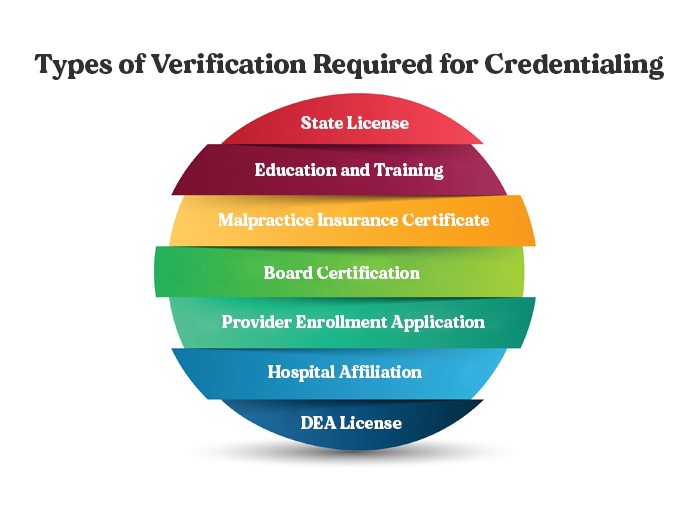
At its core, provider credentialing is the formal process of assessing and confirming the qualifications of a healthcare practitioner. This includes verifying medical licenses, education, training, residency, board certifications, and professional work history. From a business finance perspective, however, credentialing is the bridge between a provider’s clinical services and the ability to receive payment from insurance payers.
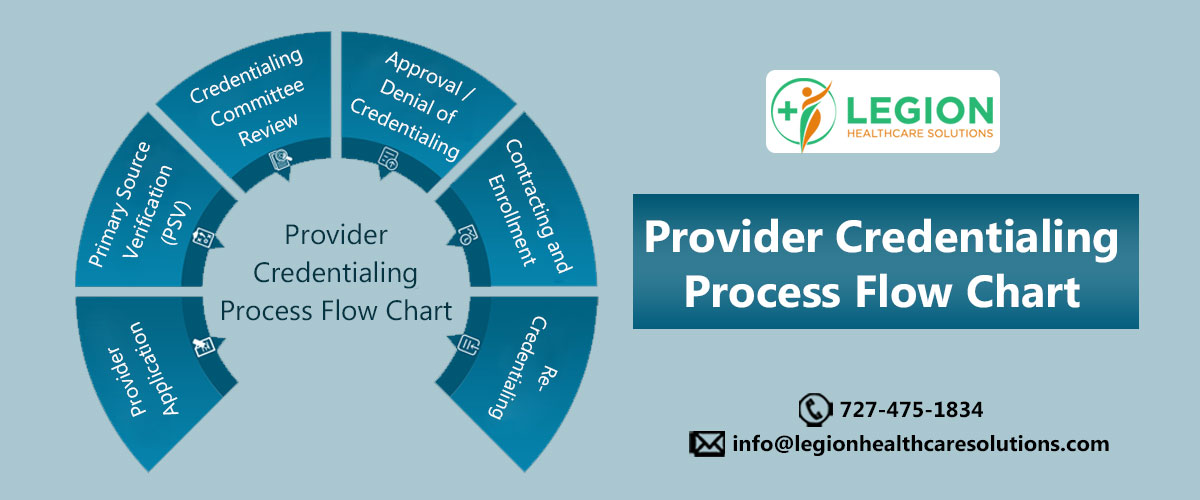
Without being successfully credentialed and subsequently “paneled” with insurance carriers, a provider is considered an out-of-network entity. This status creates a significant financial friction point. Patients are often unwilling or unable to pay out-of-network rates, and insurance companies will not reimburse for services rendered by non-credentialed providers. Consequently, a failure to manage the credentialing pipeline effectively leads to unbillable clinical hours, stalled cash flow, and a rapid accumulation of accounts receivable that never convert to revenue.
Effective credentialing is essentially a form of revenue cycle management. By ensuring that all providers are properly vetted and authorized by major commercial and government payers, a practice stabilizes its income stream. It transforms “potential” service revenue into “realized” cash, preventing the common financial leakage that plagues newly expanded practices or those hiring new associates.
Credentialing as a Strategic Business Asset
In the world of business finance, assets are not limited to physical equipment or real estate; they include the operational permissions that allow a business to function at scale. Credentialing is a mission-critical intangible asset. When a practice invests in a robust, standardized credentialing process, it is investing in the scalability of its revenue model.
The Cost of Administrative Inefficiency
The financial impact of manual or disorganized credentialing is rarely measured in the cost of paperwork alone. Instead, it is measured in “opportunity cost.” For every week a provider remains uncredentialed due to administrative delays, the practice loses thousands of dollars in billable revenue.
When organizations treat credentialing as a side-task, they often encounter “denial loops.” These occur when a claim is submitted, but the insurance company rejects it because the provider’s credentialing status has lapsed or was never finalized. The administrative cost of appealing these denials, combined with the delayed payment, acts as a hidden tax on the practice’s profitability. Scaling a practice requires a proactive financial approach to credentialing—one that tracks expiration dates, monitors payer enrollment cycles, and mitigates the risk of “re-credentialing gaps” that can suddenly sever a practice’s access to its primary patient base.
Payer Mix and Profitability
Strategic credentialing also involves an analysis of the “payer mix.” Business finance relies on understanding margins, and not all insurance plans reimburse at the same rate. By analyzing which payers offer the most favorable reimbursement schedules for specific clinical services, a practice can prioritize its credentialing efforts. Focusing on the “right” payers—those that provide the best balance between volume and reimbursement—is a classic exercise in revenue optimization. A business that blindly credentials with every available carrier may find itself burdened with low-margin accounts that consume high administrative resources, whereas a targeted credentialing strategy maximizes the bottom line.
Managing the Lifecycle of Provider Data
Credentialing is a data-intensive process that requires meticulous lifecycle management. In the financial sector of healthcare, accuracy is the currency. Any discrepancy in data—a slight spelling error in a tax ID number, a mismatched address, or an outdated NPI registry—can result in immediate claim denials.
The Role of Centralized Repository Tools
To maintain financial health, practices must adopt centralized credentialing repositories, often referred to as a “Credentialing Passport.” Maintaining a single source of truth for all provider documentation minimizes the risk of human error. From a business finance standpoint, this centralization reduces the “cost per credentialing event.” By maintaining digital files that are audit-ready, a practice reduces the time spent responding to payer inquiries, thereby freeing up administrative capital to be allocated toward revenue-generating growth activities.
Compliance as a Financial Hedge
Regulatory compliance is an essential safeguard against catastrophic financial loss. Payer audits are increasingly sophisticated; if a provider’s credentials cannot be verified to the exact specifications required by the carrier, the practice may be forced to initiate a “clawback.” In this scenario, insurance companies demand a refund for all services rendered during a period where a provider was found to be improperly credentialed.
These recoupments can reach tens or hundreds of thousands of dollars, posing a direct threat to the solvency of a practice. Consequently, maintaining airtight credentialing records acts as a financial hedge, protecting the business from the sudden and severe liquidity shocks associated with insurance audits and forced payment returns.
Future-Proofing Revenue through Automation
As the healthcare market becomes increasingly competitive, the financial winners will be those who reduce the friction between “service delivery” and “payment receipt.” The traditional manual model of mailing paper applications and waiting for months of phone follow-ups is becoming obsolete.
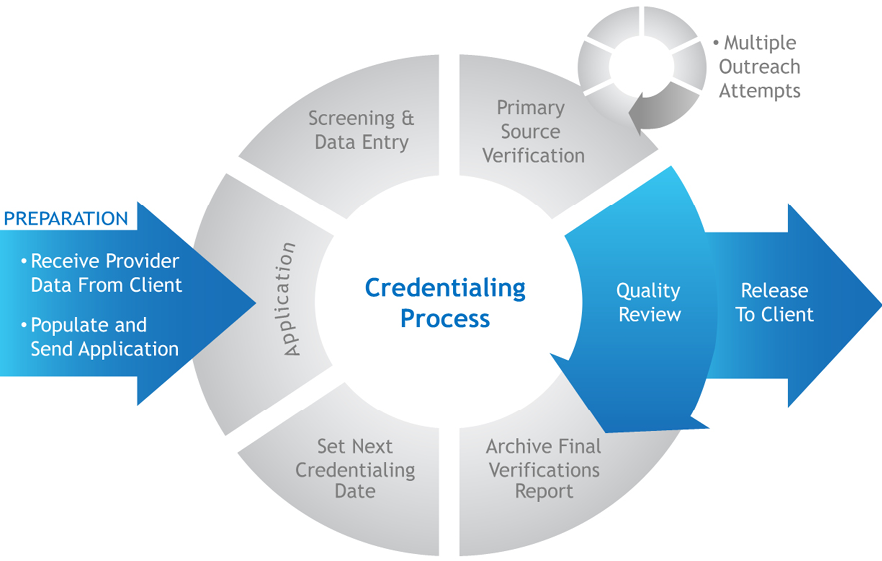
Modern financial strategy dictates the adoption of automated credentialing software. These tools provide real-time dashboards that track the status of every application, alert the finance department to upcoming license renewals, and sync directly with state and federal databases to ensure that information is always current.
By automating the credentialing workflow, a business shifts its focus from “chasing paperwork” to “optimizing revenue.” When the time to credential a new provider is reduced by 30% to 50%, the practice gains a distinct competitive advantage. It can bring new revenue-generating talent on board faster, expand service lines into new geographic territories, and respond more agilely to changes in the insurance landscape.
Ultimately, provider credentialing is the foundation of the healthcare revenue cycle. It is not merely a box to be checked; it is a financial process that determines whether a business flourishes or stalls. For any organization looking to optimize its financial trajectory, the credentialing department should be viewed as a profit center that, when managed with precision and technology, creates the stability required for long-term growth and sustained profitability. Through strategic oversight, data management, and the integration of automated tools, practices can ensure that every hour of clinical work performed is backed by the administrative authorization required to turn that work into bottom-line success.
aViewFromTheCave is a participant in the Amazon Services LLC Associates Program, an affiliate advertising program designed to provide a means for sites to earn advertising fees by advertising and linking to Amazon.com. Amazon, the Amazon logo, AmazonSupply, and the AmazonSupply logo are trademarks of Amazon.com, Inc. or its affiliates. As an Amazon Associate we earn affiliate commissions from qualifying purchases.