
Real estate represents the most significant asset class in most investment portfolios, whether for an individual homeowner or a corporate entity. When capital is deployed into land or physical structures, the certainty of what is being purchased is paramount. This is where a property survey becomes an indispensable financial tool. A property survey is a professional assessment that determines the precise legal boundaries, physical features, and jurisdictional restrictions of a parcel of land. From a financial perspective, it is a form of due diligence that mitigates risk, ensures the integrity of the collateral for lenders, and protects the buyer’s equity from future legal disputes.

In the world of finance and investing, a property survey serves as the bridge between a legal description on a deed and the physical reality of the ground. Without an accurate survey, an investor is essentially buying an abstraction. Understanding the nuances of property surveying is critical for anyone looking to build wealth through real estate, as it directly impacts property valuation, insurability, and the ability to leverage assets for future growth.
Understanding Property Surveys as a Financial Safeguard
At its core, a property survey is a professional service performed by a licensed land surveyor to establish the exact dimensions and location of a property. However, to a savvy investor or a personal finance manager, it is a risk-mitigation report. When you purchase a property, you are not just buying the soil and the structures; you are buying a set of legal rights defined by boundaries.
The Role of the Surveyor in Asset Protection
A licensed surveyor utilizes historical records, legal descriptions, and advanced measurement technology to pin down the “corners” of a property. This process ensures that the financial value you are paying for aligns with the physical acreage available. For an investor, the surveyor acts as a specialized auditor. Just as a financial auditor verifies the numbers on a balance sheet, a surveyor verifies the physical boundaries of the asset. This verification is essential for protecting the asset’s “title,” which is the legal ownership record. If a survey reveals that a portion of the property is being used by a neighbor or that a structure is built over a boundary line, the financial value of that asset is immediately compromised.
Defining the Scope of a Survey
A comprehensive survey goes beyond mere lines in the dirt. It identifies easements—legal rights for others to use parts of your land for utilities or access—and setbacks, which are government-mandated distances from the boundary where building is prohibited. For a developer or a business owner, these details are the difference between a profitable project and a financial disaster. If you purchase land for a commercial expansion only to find that an underground utility easement runs through the center of your planned building site, your investment capital is effectively trapped.
The Financial Implications of Skipping a Property Survey
Many buyers, particularly in residential real estate, are tempted to skip a survey to save on closing costs. This is often a “penny wise and pound foolish” decision that can lead to catastrophic financial losses. In the context of personal finance, a survey is an insurance policy against future litigation and loss of property value.
Boundary Disputes and Legal Liabilities
The most common financial risk associated with forgoing a survey is the boundary dispute. If a neighbor claims that your new fence, driveway, or garage encroaches on their land, you could be forced to remove the structure at your own expense. Furthermore, legal battles over land boundaries are notoriously expensive, often costing tens of thousands of dollars in attorney fees—far exceeding the cost of an initial survey. By establishing the “metes and bounds” of the property upfront, an investor secures their physical equity and prevents the drain on liquid assets that litigation entails.
Title Insurance and Lender Requirements
From a business finance perspective, property surveys are often a prerequisite for obtaining a mortgage. Lenders view a survey as a way to verify the collateral. If the bank is lending $500,000 for a property, they want to ensure that the house they are financing is actually located on the lot described in the deed. Most title insurance companies also require a survey to provide “extended coverage.” Without a survey, your title insurance policy will likely contain an “exception” for boundary issues. This means that if a boundary problem arises later, the insurance company will not pay for your defense or your loss. Investing in a survey ensures that your title insurance is robust, providing a safety net for your investment.
Types of Property Surveys for the Strategic Investor

Not all surveys are created equal. Depending on your financial goals—whether you are buying a home, developing a commercial plaza, or investing in raw timberland—the type of survey required will vary.
Boundary Surveys: Establishing Physical Limits
The most common type for residential investors is the boundary survey. This involves a search of the public records and a field measurement to locate or set the property corners. This is the baseline for personal finance protection. It allows a homeowner to know exactly where they can build, plant, or fence without infringing on a neighbor’s rights.
ALTA/NSPS Surveys: The Gold Standard for Commercial Finance
For commercial real estate transactions, the ALTA (American Land Title Association) survey is the industry standard. These surveys are highly detailed and follow strict national standards. They include information on zoning, access rights, water features, and detailed improvements. For a business or a real estate investment trust (REIT), an ALTA survey is a non-negotiable part of the due diligence process. It provides the level of detail necessary for high-stakes financing and complex title insurance policies.
Topographic Surveys for Development and Appreciation
Investors looking to “add value” to a property through development often require a topographic survey. This maps the elevation and contours of the land, as well as the location of trees, utilities, and man-made structures. From a financial planning standpoint, a topographic survey is used to estimate construction costs. If the land has steep grades or poor drainage, the cost of development will be significantly higher. Understanding these physical constraints through a survey allows an investor to accurately model their Return on Investment (ROI) before breaking ground.
Cost-Benefit Analysis: The ROI of Professional Surveying
While a survey is an additional upfront cost in a real estate transaction, its Return on Investment is calculated in the “costs avoided.” In financial terms, it is a hedge against “latent defects” in the land’s legal standing.
Estimating Surveying Costs in Your Budget
The cost of a survey can range from a few hundred to several thousand dollars, depending on the size of the lot, the density of vegetation, and the complexity of the legal records. When budgeting for a real estate acquisition, this should be viewed as a mandatory closing cost, similar to an inspection or an appraisal. In the context of a $400,000 investment, a $1,000 survey represents only 0.25% of the asset value—a small price to pay for the security of the remaining 99.75%.
How Accurate Surveys Prevent Costly Encroachment Issues
“Adverse Possession” is a legal concept where a person can gain ownership of land by using it openly for a certain period. If a neighbor’s shed has been on your potential property for 20 years, they might actually have a claim to that land. A survey identifies these encroachments before you close the deal. This allows you to negotiate a price reduction, require the seller to remedy the issue, or walk away from a tainted asset. In this way, the survey preserves the liquidity and “cleanness” of your investment.
Navigating the Survey Process During a Real Estate Transaction
Integrating a property survey into your investment workflow requires timing and an understanding of the deliverables. It is not merely about receiving a map; it is about interpreting the data to make an informed financial decision.
Timing the Survey Within the Due Diligence Period
In most real estate contracts, there is a “due diligence” or “inspection” period. This is the window of time where the buyer can investigate the asset and still back out with their earnest money intact. A survey should be ordered immediately upon signing the contract. If the surveyor finds a significant issue—such as the house being built over the property line—the investor can use this information to renegotiate the purchase price or terminate the contract, protecting their capital from a bad deal.
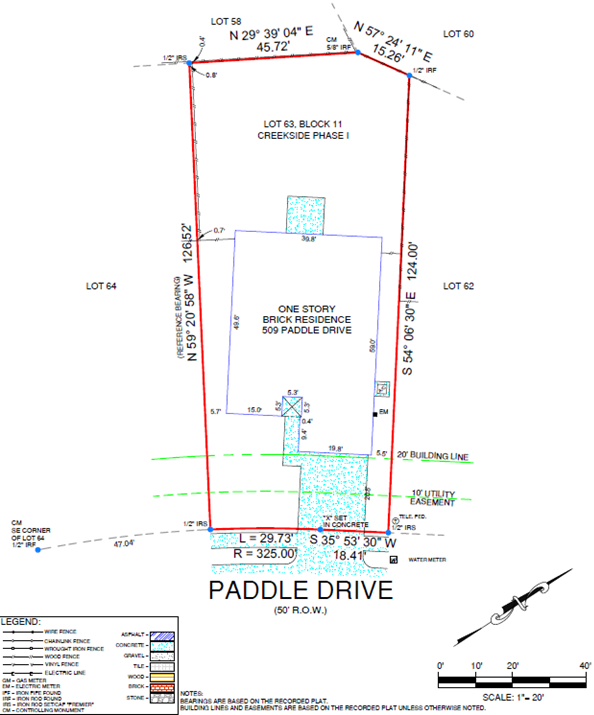
Interpreting the Final Plat and Legal Description
The final output of a survey is usually a “plat,” which is a visual map of the property, and a written legal description. An investor should review these documents alongside their attorney or title agent. Pay close attention to “exceptions” and “encroachments.” If the plat shows a city sewer line running through the backyard, that is an easement that might limit your ability to build a pool or an addition, which in turn affects the future resale value of the home. By understanding these documents, you are better equipped to manage your real estate portfolio with a focus on long-term value and risk reduction.
In conclusion, a property survey is far more than a technical map; it is a fundamental pillar of sound financial management in real estate. By defining the physical and legal reality of an asset, a survey protects equity, ensures insurability, and prevents the massive financial drain of boundary-related litigation. For the serious investor, the question isn’t whether you can afford a survey, but rather whether you can afford the financial risk of not having one.
aViewFromTheCave is a participant in the Amazon Services LLC Associates Program, an affiliate advertising program designed to provide a means for sites to earn advertising fees by advertising and linking to Amazon.com. Amazon, the Amazon logo, AmazonSupply, and the AmazonSupply logo are trademarks of Amazon.com, Inc. or its affiliates. As an Amazon Associate we earn affiliate commissions from qualifying purchases.