
In the realm of personal branding, every aspect of our presentation contributes to the message we convey. Few occasions demand as much sensitivity and careful consideration of one’s image as a funeral. Proper funeral attire is not merely about adhering to a dress code; it is a profound non-verbal communication of respect, empathy, and support. It reflects an individual’s understanding of social etiquette and their capacity to adapt their personal brand to a solemn, significant life event. Understanding what constitutes appropriate dress for a funeral is a critical component of managing one’s professional and personal identity, ensuring that our presence adds to the solemnity and comfort of the occasion, rather than detracting from it.

The Brand of Respect: Attire as a Personal Statement
Our clothing choices are a powerful extension of our personal brand. At a funeral, this expression shifts from showcasing individuality or professional power to demonstrating reverence, humility, and solidarity with the grieving. The “brand” we project at a funeral is one of respect for the deceased and their family, communicated silently but emphatically through our attire.
The Foundation: Somber Colors and Modest Silhouettes
The cornerstone of appropriate funeral attire across most Western cultures is a palette of somber, muted colors. Black is traditionally favored, symbolizing mourning and formality. However, dark grays, navy blues, deep greens, and subtle browns are also acceptable. The objective is to avoid anything vibrant, distracting, or celebratory. These subdued tones project a sense of seriousness and reverence, aligning with the gravity of the occasion.
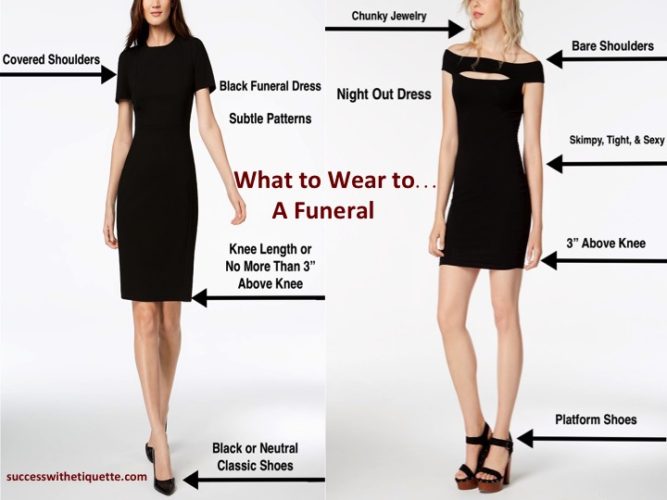
Equally important is the silhouette. Modesty and conservatism are key. This typically translates to classic, tailored pieces that cover the shoulders and knees. For men, a suit (two or three-piece) or dress trousers paired with a dress shirt and tie is standard. For women, a dress, skirt suit, or tailored trousers with a modest top or blouse are appropriate. Necklines should be high, hemlines should be at or below the knee, and sleeves should ideally cover the shoulders. This deliberate choice of modest, understated clothing helps ensure that the focus remains on the ceremony and remembrance, rather than on an individual’s fashion statement. It reinforces a brand image that prioritizes collective mourning over personal expression.
Fabric and Fit: Professionalism in Detail
Beyond color and cut, the fabric and fit of your attire contribute significantly to the overall impression of professionalism and respect. High-quality, wrinkle-free fabrics such as wool, crepe, linen, or refined blends communicate attention to detail and a polished personal brand. Avoid overly casual materials like denim, bright cottons, or overly shiny synthetic fabrics.
A well-fitting garment projects an image of meticulousness and care. Clothes should be neither too tight nor too loose; they should allow for comfortable movement while maintaining a structured appearance. Ill-fitting clothing can inadvertently convey a lack of care or disrespect. Ensuring your attire is clean, pressed, and in good repair reinforces the message that you have taken the time and effort to present yourself appropriately for this significant event, thereby upholding the integrity of your personal brand.
Cultural Nuances and Identity: Adapting Your Personal Brand
While general guidelines exist, proper funeral attire is also deeply influenced by cultural and religious traditions. A globally aware personal brand recognizes the importance of adapting one’s presentation to specific contexts, demonstrating cultural sensitivity and an understanding of diverse identities.
Traditional Expectations Across Faiths
Different faiths and cultures often have distinct expectations for mourning attire. For instance, in some Jewish traditions, men may wear a kipa (skullcap), and Shiva callers might prefer dark but not necessarily black clothing. In many Asian cultures, white can be a color of mourning, symbolizing purity, and bright colors are strictly avoided. Some African and Caribbean traditions incorporate specific cultural garments or vibrant colors in celebrations of life, although often after the initial solemn ceremony.
Understanding these variations is crucial for an individual whose personal brand emphasizes respect, inclusivity, and global awareness. Before attending a funeral, especially if unfamiliar with the family’s background, a discreet inquiry about specific customs can prevent unintentional missteps and ensure your attire aligns respectfully with the family’s traditions. This proactive approach reinforces a thoughtful and considerate personal brand.
Regional Variations and Contemporary Interpretations
Beyond religious customs, regional differences and evolving societal norms can also subtly impact funeral attire. While traditional black remains dominant, some contemporary services, often termed “celebrations of life,” might encourage attendees to wear brighter colors or attire that reflects the deceased’s personality. These are usually specified by the family.

Without explicit instruction to deviate, the safest approach for your personal brand remains conservative, dark attire. However, being attuned to these potential variations showcases flexibility and an ability to navigate complex social situations, hallmarks of a well-developed and adaptable personal brand. Your ability to adjust your presentation based on the specific context speaks volumes about your emotional intelligence and respect for others’ preferences.
Corporate Identity and Professional Presentation: The Role of Funeral Professionals
For individuals whose professional roles place them at the heart of funeral services—such as funeral directors, embalmers, officiants, or support staff—attire is not just a personal statement but a critical component of their corporate identity and the brand they represent. Their appearance directly influences public perception of the funeral home, institution, or organization they serve.
Uniformity and Consistency: Reinforcing Trust
Funeral service professionals often adhere to strict dress codes, sometimes involving uniforms or a consistent style of dark, formal business attire. This uniformity reinforces a brand image of professionalism, reliability, and solemnity. When all staff present a cohesive, respectful appearance, it builds trust and reassures grieving families that they are in capable and respectful hands. Consistency in presentation across all team members contributes to a strong, recognizable corporate identity that communicates competence and empathy during a sensitive time.
Balancing Empathy with Professionalism
The attire of funeral professionals must strike a delicate balance between conveying empathy and maintaining a professional distance. While their role is to offer comfort and guidance, their presentation must always remain dignified and appropriate for the somber context. This means classic suits, conservative dresses, impeccable grooming, and a demeanor that reflects both compassion and efficient service. Their visual brand should evoke confidence and support without being overly somber or detached. It’s a testament to their brand’s ability to navigate deep emotional landscapes with unwavering professionalism.
Accessories and Grooming: Enhancing Your Brand Image
The smaller details of your presentation—accessories and grooming—can significantly enhance or detract from your overall personal brand image at a funeral. These elements should be approached with the same intention of respect and understated elegance as your main attire.
Minimalist Adornment: Less is More
Accessories should be minimal and understated. For jewelry, choose simple, classic pieces that do not draw attention. Small earrings, a simple watch, or a wedding band are typically appropriate. Avoid statement necklaces, large or dangling earrings, excessive rings, or anything that glitters conspicuously. The goal is to avoid any element that could be perceived as flashy or distracting. Your accessories should subtly complement your attire, reinforcing an image of thoughtful restraint rather than personal adornment.
Similarly, headwear should be removed indoors unless it holds religious or cultural significance. Scarves, if worn, should be in a somber color and tied conservatively. Handbags or briefcases should be modest in size and color, avoiding bright or novelty designs. Every accessory decision should underscore the seriousness of the occasion and the respect you wish to convey.
Impeccable Grooming: A Mark of Care
Impeccable grooming is a non-negotiable aspect of presenting a respectful personal brand at a funeral. Hair should be neat, clean, and styled conservatively. For those with long hair, tying it back can convey additional neatness. Makeup should be minimal and natural; bold colors or heavy application are inappropriate. Nail polish, if worn, should be neutral or clear. Fragrances should be subtle or entirely omitted, as strong scents can be distracting or cause discomfort to others.
For men, a clean shave or a well-groomed beard is essential. Hair should be neatly styled. These grooming details demonstrate self-awareness and attention to personal care, signaling that you have prepared thoughtfully for the occasion and respect the sanctity of the event. It contributes to an overall impression of dignity and professionalism, solidifying a well-managed personal brand even in difficult circumstances.
Strategic Attire Decisions: Building a Lasting Impression
Ultimately, understanding “what is proper funeral attire” goes beyond a mere checklist of clothing items; it’s about making strategic decisions that bolster your personal brand during a moment of profound sensitivity. Your attire at a funeral serves as a powerful non-verbal cue, signaling your empathy, respect, and emotional intelligence.
By choosing somber colors, modest silhouettes, and ensuring impeccable grooming and minimal accessories, you project an image of thoughtful consideration. This commitment to appropriate presentation helps to create an atmosphere of reverence and support for the bereaved. It ensures that your presence is a comforting addition, a testament to your understanding of social graces and your ability to adapt your personal branding to resonate with the gravity of the occasion. In doing so, you build a lasting impression as a person who values respect, demonstrates integrity, and offers genuine support through both actions and appearance.
aViewFromTheCave is a participant in the Amazon Services LLC Associates Program, an affiliate advertising program designed to provide a means for sites to earn advertising fees by advertising and linking to Amazon.com. Amazon, the Amazon logo, AmazonSupply, and the AmazonSupply logo are trademarks of Amazon.com, Inc. or its affiliates. As an Amazon Associate we earn affiliate commissions from qualifying purchases.