
In the vast ecosystem of online retail, Amazon stands as a colossal entity, constantly innovating its approach to customer engagement and loyalty. One such nuanced mechanism, often encountered by its millions of users, is the “Promotional Balance.” Far from being a mere discount, Amazon’s promotional balance represents a sophisticated marketing tool, meticulously designed to influence consumer behavior, foster brand loyalty, and drive strategic business objectives. Understanding its intricacies reveals a deeper layer of Amazon’s brand strategy and its continuous efforts to optimize the customer journey.
Unpacking the Concept of Amazon’s Promotional Balance
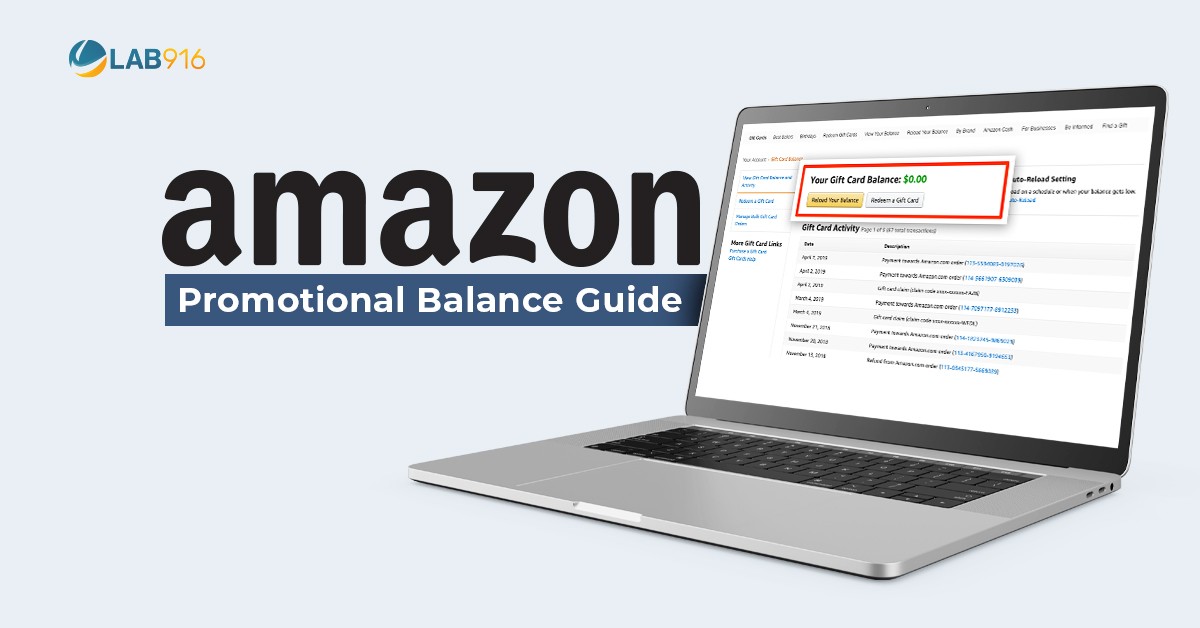
At its core, a promotional balance on Amazon is a credit awarded to a customer’s account, which can be applied towards eligible purchases on the platform. However, its nature and function are distinct from other forms of stored value, making it a pivotal element in Amazon’s marketing playbook.
More Than Just a Discount: A Strategic Marketing Tool
Unlike a simple percentage off at checkout or a direct price reduction, promotional balance is a pre-loaded credit. This distinction is crucial from a marketing perspective. It creates a sense of accrued value for the customer, encouraging them to return to the platform and utilize their “earned” funds. It’s a subtle nudge, a psychological incentive that transforms a passive discount into an active asset waiting to be deployed. For Amazon, it’s not just about reducing the immediate cost of an item but about fostering a continuous transactional relationship with the customer. It’s a strategic investment in future purchases and sustained engagement, reflecting a brand’s commitment to nurturing its customer base beyond a single transaction.
How Promotional Balance Differs from Gift Cards and Account Credit
To fully appreciate the strategic role of promotional balance, it’s essential to differentiate it from other forms of account credit:
-
Gift Cards: Amazon Gift Cards are purchased directly by a customer (or received as a gift) and carry a specific monetary value with broad applicability across most products. They function like currency within Amazon, with minimal restrictions and often no expiration date. They are a form of payment, not explicitly tied to a marketing action.
-
Account Credit: This generally refers to refunds for returned items or credit from specific transactions that don’t involve a promotional aspect. Like gift cards, it’s typically versatile and has no expiration unless explicitly stated.
-
Promotional Balance: This is distinct due to its origin and typical limitations. It is granted by Amazon as part of a specific marketing campaign or incentive program. Consequently, it often comes with strict terms, including:
-
Expiration Dates: Many promotional balances expire within a set timeframe (e.g., 30 days, 90 days), creating urgency for customers to make a purchase.
-
Usage Restrictions: It might be limited to specific product categories (e.g., “Prime Video purchases,” “Kindle books,” “items shipped and sold by Amazon.com”), minimum purchase amounts, or even specific brands.
-
Non-Transferability: Promotional balances are typically tied to the specific account they were granted to and cannot be transferred or cashed out.
-
These distinctions highlight that promotional balance is a tactical tool with defined parameters, designed to achieve specific marketing outcomes rather than serving as a general form of payment.
Common Sources of Promotional Balance
Amazon employs various avenues to distribute promotional balance, each aligned with particular marketing goals:
-
Trade-in Programs: Customers trading in old devices (phones, tablets, Kindles) often receive an Amazon gift card plus a promotional balance to incentivize upgrades or further purchases.
-
Specific Purchase Incentives: Buying certain products might qualify a customer for a promotional balance towards a future purchase in a related category. For example, buying an Alexa-enabled device might yield a balance for smart home accessories.
-
App Downloads and Usage: Encouraging users to download the Amazon shopping app or use specific app features can be rewarded with promotional credit.
-
Prime Membership Benefits: Special offers for Prime members, such as “spend X, get Y promotional credit,” are common during major sales events like Prime Day.
-
Surveys and Feedback: Providing feedback on products or services can sometimes be rewarded with promotional balance, helping Amazon gather valuable market intelligence.
-
Payment Method Promotions: Incentives for using specific payment methods (e.g., signing up for an Amazon credit card) or reloading an Amazon gift card balance.
The Strategic Imperative: Why Amazon Leverages Promotional Balance
Amazon’s use of promotional balance is not arbitrary; it’s a finely tuned element of its broader brand strategy, aimed at achieving several critical marketing objectives.
Driving Customer Acquisition and Engagement
For a brand operating at Amazon’s scale, constant customer acquisition and re-engagement are paramount. Promotional balances act as powerful lures:
-
New Customer Onboarding: Offering a small promotional credit for creating an account or making a first purchase can reduce the barrier to entry for new users.
-
Reactivating Lapsed Customers: Sending targeted offers to inactive accounts with a promotional balance can entice them back to the platform, reminding them of the value and convenience Amazon offers.
-
Encouraging Feature Adoption: Incentivizing the use of new features (e.g., Amazon Photos, specific Alexa skills) through promotional credit drives engagement with the broader Amazon ecosystem.
Fostering Brand Loyalty and Retention
Beyond initial acquisition, promotional balance plays a vital role in cementing customer loyalty and encouraging repeat business:
-
Reward Programs: It functions as a flexible reward system, recognizing and appreciating loyal customers without directly discounting product prices universally.
-
Prime Member Exclusives: Offering promotional balance to Prime members reinforces the value of the subscription, encouraging renewals and deeper engagement with the Prime ecosystem.
-
Post-Purchase Incentives: Providing a promotional balance after a significant purchase can encourage a follow-up purchase, creating a continuous buying cycle.
Influencing Purchasing Behavior and Product Discovery

One of the most strategic uses of promotional balance is its ability to subtly steer customer purchasing decisions:
-
Category Promotion: By restricting the balance to specific categories (e.g., “use on groceries,” “valid for electronics”), Amazon can stimulate demand for particular product lines or introduce customers to new offerings.
-
Private Label Push: Promotional balance can be strategically used to encourage purchases of Amazon’s own private label brands (e.g., Amazon Basics, Solimo), boosting their visibility and market share.
-
Inventory Management: For slow-moving inventory or overstocked items, targeted promotional balances can accelerate sales, reducing storage costs and freeing up capital.
-
Driving Impulse Purchases: The time-sensitive nature of many promotional balances creates urgency, often leading customers to make quicker purchasing decisions they might otherwise delay.
Data Collection and Personalization
While not explicitly a direct function, the redemption patterns of promotional balances provide invaluable data. Amazon can analyze which offers are most effective for which customer segments, what product categories benefit most, and how these incentives influence the overall customer lifetime value. This data then feeds into more personalized and effective marketing campaigns, strengthening Amazon’s ability to anticipate and meet customer needs.
Maximizing the Value: From Brand Strategy to Customer Experience
For Amazon, promotional balance is not just about individual transactions; it’s about building a robust and responsive brand relationship with its customers.
Enhancing Perceived Value and Customer Satisfaction
When customers receive a promotional balance, they often perceive it as an added benefit or a “bonus.” This positive reinforcement contributes to higher customer satisfaction and a stronger affinity for the Amazon brand. It transforms a transactional experience into one where the customer feels valued and rewarded, enhancing their overall brand perception. This positive sentiment can lead to increased word-of-mouth marketing and customer advocacy.
The Role in Campaign Measurement and ROI
From a brand and marketing perspective, promotional balances are highly measurable. Amazon can track:
-
Redemption Rates: How many customers actually use their awarded balance.
-
Lift in Sales: The incremental sales generated directly attributable to the promotion.
-
Average Order Value (AOV): Whether the promotional balance encourages customers to spend more than the balance itself.
-
Customer Lifetime Value (CLTV): The long-term impact on customer retention and repeat purchases.
This data allows Amazon to refine its promotional strategies, ensuring a positive return on investment for its marketing spend and continuously optimizing its approach to customer incentives.
Integrating Promotional Balance into Multi-Channel Marketing
Promotional balance is rarely a standalone offer. It’s often integrated into Amazon’s broader multi-channel marketing efforts:
-
Email Marketing: Customers receive notifications about their available balance and expiring offers.
-
In-App Notifications: Alerts within the Amazon app prompt users to check and utilize their credit.
-
Website Banners and Personalized Recommendations: The website prominently displays available balances and suggests eligible products, creating a seamless user experience that guides customers toward redemption.
This integration ensures maximum visibility and effectiveness, reinforcing the brand’s presence across all customer touchpoints.
Navigating the Nuances: Terms, Conditions, and Brand Expectations
While beneficial, the specific nature of promotional balance requires careful management from both Amazon and its customers.
Understanding Expiration Dates and Usage Restrictions
The strict terms and conditions associated with promotional balance are not arbitrary; they are critical components of Amazon’s marketing strategy. Expiration dates create a sense of urgency, driving immediate purchases and preventing customers from hoarding credit indefinitely. Usage restrictions ensure the balance is applied towards specific strategic goals, such as clearing inventory or promoting particular categories. For the customer, understanding these terms is crucial to avoid frustration and maximize the benefit. For Amazon, clear communication about these terms is paramount to maintaining brand trust and customer satisfaction. Ambiguity can lead to negative customer experiences, which can quickly erode brand reputation.
The Impact on Customer Support and Brand Reputation
Effective management of promotional balance is also a key factor in customer support and brand reputation. When customers encounter issues with applying their balance or understanding its terms, a responsive and helpful customer service experience can reinforce positive brand perception. Conversely, poor communication or unresolved issues can lead to frustration and damage the brand’s image. Amazon invests heavily in clear FAQs, automated explanations, and human support to ensure these interactions remain positive.
Best Practices for Brands Offering Similar Incentives
The scale and sophistication of Amazon’s promotional balance system offer valuable insights for any brand looking to implement similar incentive programs:
-
Clarity and Transparency: Clearly communicate the terms, conditions, and expiration dates of any promotional credit. Ambiguity breeds dissatisfaction.
-
Targeted Offers: Use data to segment customers and offer personalized promotions that are most relevant to their purchasing history and preferences.
-
Strategic Restrictions: Apply restrictions (e.g., category, product type) judiciously to align with specific marketing objectives, not merely to limit usage.
-
Seamless Integration: Ensure the promotional credit system is well-integrated into the user experience, making it easy for customers to find, apply, and understand their balance.
-
Measure and Adapt: Continuously track the performance of promotional campaigns and be prepared to iterate and optimize based on results.
In conclusion, Amazon’s promotional balance is much more than a simple financial perk. It is a sophisticated, data-driven marketing tool that underpins a significant part of Amazon’s brand strategy. By carefully designing and deploying these incentives, Amazon effectively acquires new customers, retains existing ones, influences purchasing behavior, and ultimately strengthens its formidable position in the global e-commerce landscape. For both customers and other brands, understanding this mechanism offers a deeper appreciation of the strategic genius behind Amazon’s enduring success.
aViewFromTheCave is a participant in the Amazon Services LLC Associates Program, an affiliate advertising program designed to provide a means for sites to earn advertising fees by advertising and linking to Amazon.com. Amazon, the Amazon logo, AmazonSupply, and the AmazonSupply logo are trademarks of Amazon.com, Inc. or its affiliates. As an Amazon Associate we earn affiliate commissions from qualifying purchases.