
In the rapidly evolving landscape of biotechnology and synthetic biology, the analogy between biological systems and computer software has never been more relevant. If the genome is the hard drive containing the blueprint for an organism, and proteins are the functional applications that carry out tasks, then the promoter region is the essential “startup command” or “execution script” that determines when, where, and how much of a specific program is run.
Understanding the promoter region is no longer just a pursuit for academic biologists; it has become a cornerstone of the technology sector, driving innovations in AI-driven drug discovery, gene therapy, and the burgeoning field of biological programming. As we move deeper into the era of precision medicine, the ability to decode and engineer these regions represents one of the most significant technological frontiers of the 21st century.
Decoding the Blueprint: The Fundamental Role of Promoter Regions in Genomic Tech
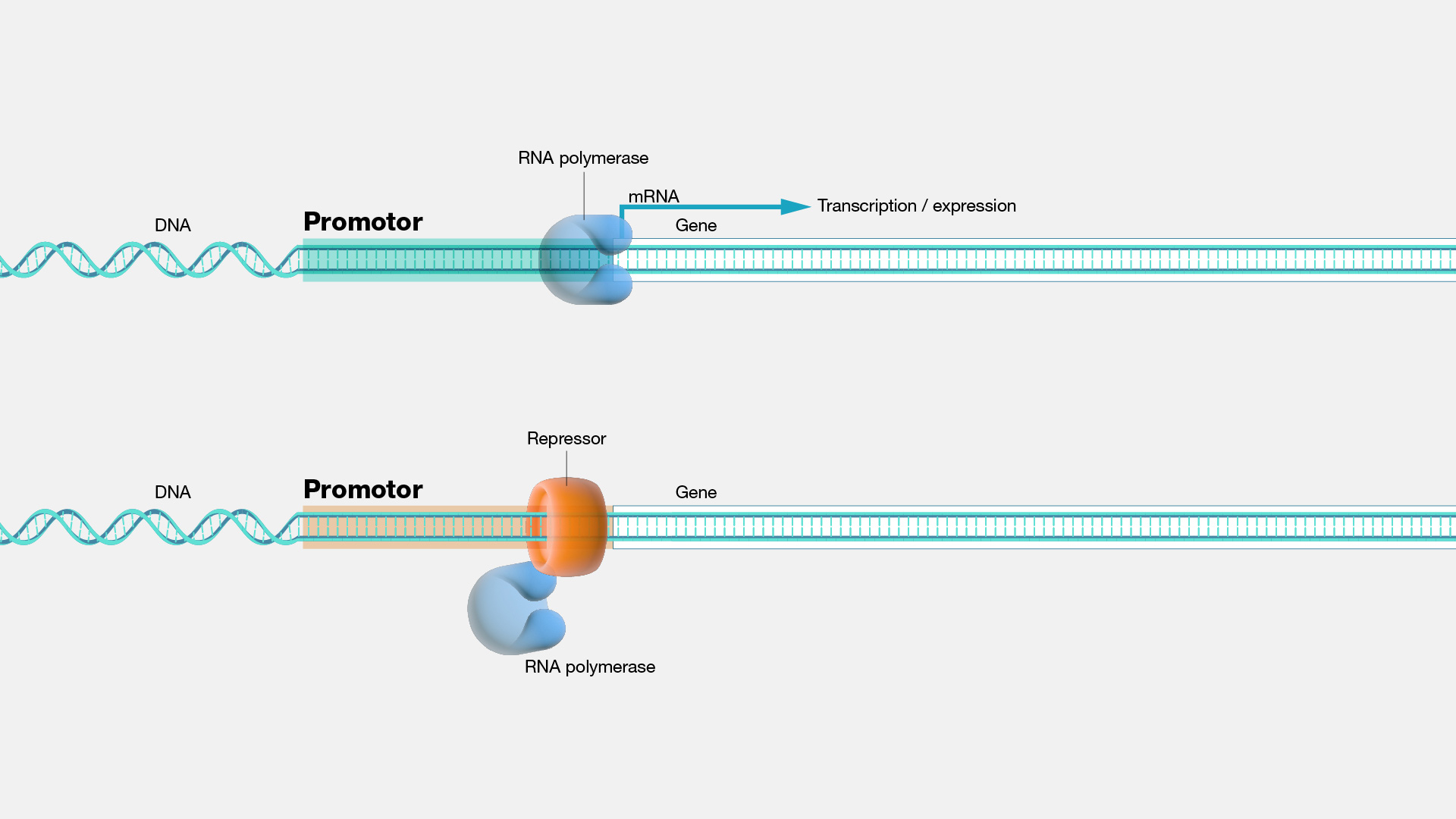
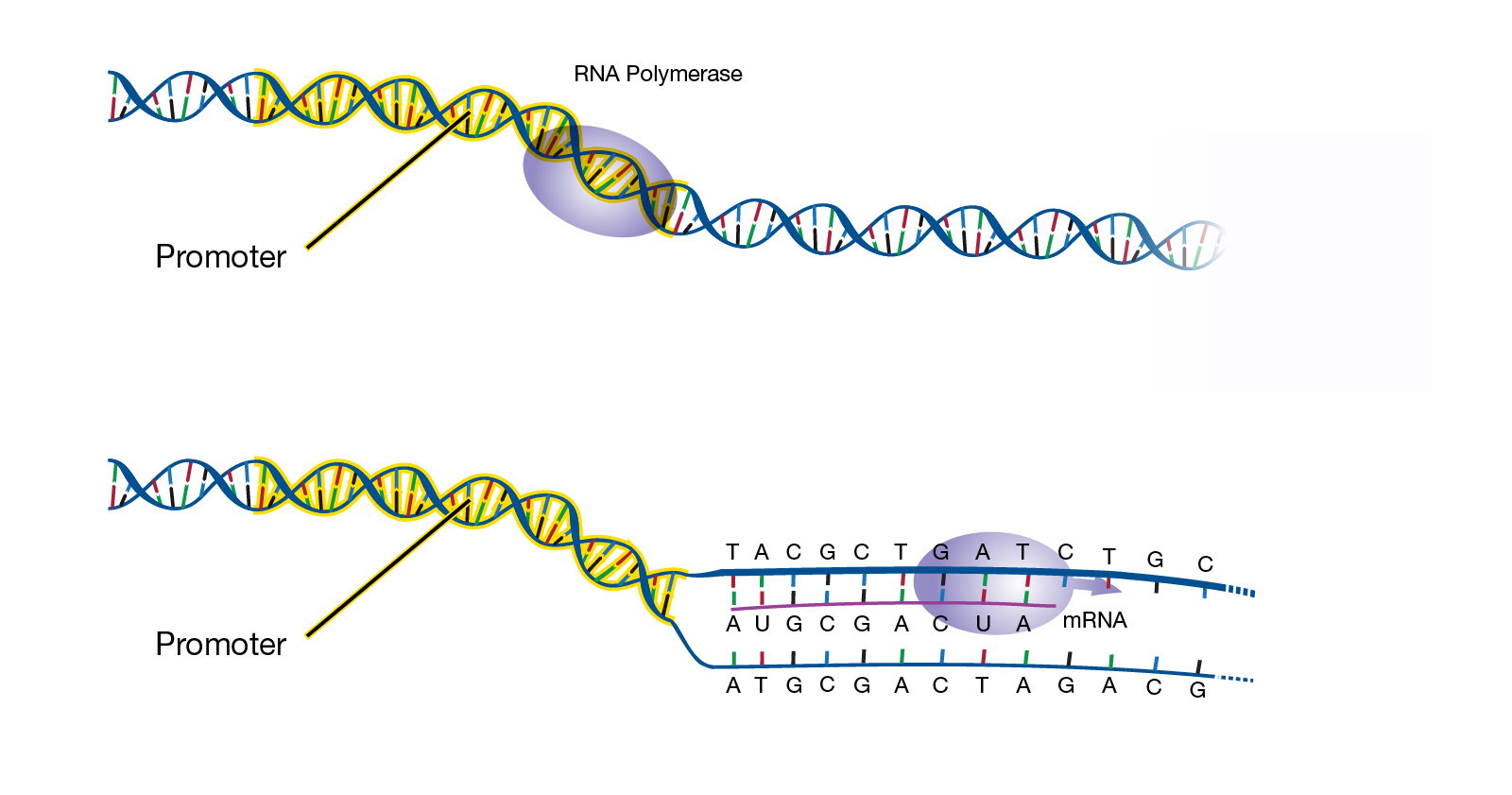
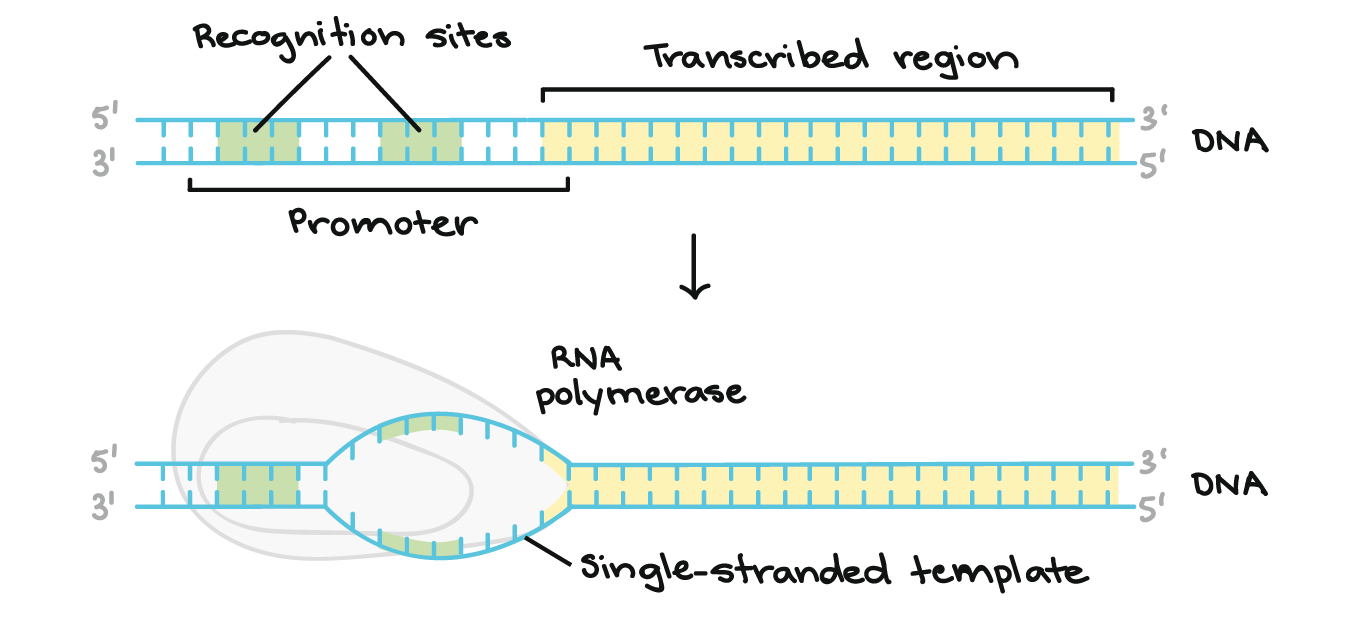
To appreciate the technological value of a promoter region, one must first understand its structural mechanics. In genetic terms, a promoter is a specific sequence of DNA located upstream (towards the 5′ region) of a gene. Its primary function is to provide a binding site for RNA polymerase and the necessary transcription factors that initiate the process of turning DNA into RNA.
What is a Promoter Region?
At its core, the promoter region acts as a gatekeeper. Without a functional promoter, a gene remains “silent,” even if the coding sequence itself is perfectly intact. In the context of technology, think of the promoter as a sophisticated logical operator. It processes inputs—such as chemical signals, environmental stressors, or developmental cues—and produces a binary output: Should this gene be “On” or “Off”?
In eukaryotes, these regions are complex architectures comprising various elements that ensure high-fidelity expression. The most famous of these is the TATA box, a conserved DNA sequence that helps position the RNA polymerase. However, the modern tech perspective views these not just as chemical bonds, but as regulatory sequences that can be mapped, analyzed, and eventually “re-coded.”
The Core Promoter vs. Regulatory Elements
The architecture of a promoter is hierarchical. The “Core Promoter” is the minimal portion required to initiate transcription. But the real “intelligence” lies in the proximal and distal regulatory elements. These include enhancers and silencers that can be located thousands of base pairs away but loop back to interact with the promoter.
From a data science perspective, these interactions represent a complex network of multi-dimensional nodes. Identifying these regions within the 3 billion base pairs of the human genome is a monumental task that has transitioned from manual laboratory “wet-bench” work to high-throughput computational analysis. Technology now allows us to treat these regulatory elements as “logic gates,” paving the way for the design of synthetic circuits.
Synthetic Biology and the Engineering of Promoters
As we move from observing biology to engineering it, the promoter region has become a modular tool in the synthetic biologist’s toolkit. This field, often referred to as “Bio-IT,” treats DNA as a programmable medium. By manipulating promoter regions, engineers can control the “dosage” of a protein, which is critical for everything from industrial fermentation to metabolic engineering.
Programming Cells like Software
In the tech world, “promoter engineering” is akin to optimizing a user interface or a backend API. If a biotech company wants a yeast cell to produce high yields of a biofuel or a pharmaceutical compound, they don’t just insert the gene; they must optimize the promoter.
Engineers use “Promoter Libraries”—vast databases of known sequences—to select the one that offers the precise strength of expression needed. Too much expression can be toxic to the cell; too little makes the process economically unviable. This “fine-tuning” is a classic optimization problem, now being solved with specialized software that can predict how a synthetic promoter will behave in a living system.
CRISPR and the Precision Revolution
The advent of CRISPR-Cas9 technology has fundamentally changed our relationship with the promoter region. While early genetic engineering was somewhat “blunt,” CRISPR allows for “Epigenetic Editing.” Instead of changing the gene itself, tech-enabled scientists can now target the promoter region to “dial up” or “dial down” gene expression without altering the underlying genetic code.
This technology, known as CRISPRa (activation) or CRISPRi (interference), acts as a biological dimmer switch. In a clinical tech setting, this means we could potentially treat diseases by re-activating a dormant protective gene or silencing a harmful one, simply by re-programming the promoter’s accessibility to the cell’s transcription machinery.
AI and Machine Learning in Promoter Identification
The sheer volume of genomic data generated by Next-Generation Sequencing (NGS) has created a “Big Data” challenge that only Artificial Intelligence can solve. Finding a promoter region within a vast sea of non-coding DNA is like finding a specific line of code in a program with billions of lines of “junk” comments.
Predictive Modeling of Gene Expression
Artificial Intelligence, specifically Deep Learning, has proven exceptionally adept at pattern recognition in linear sequences. Tech giants and specialized biotech startups are now deploying Convolutional Neural Networks (CNNs) and Transformers—the same tech behind Large Language Models—to predict promoter activity.
These AI tools can scan a sequence and identify the subtle motifs that signify a promoter. Furthermore, they can predict how a single mutation within a promoter region might lead to a disease. This predictive capability is a game-changer for “In Silico” biology, where experiments are run on a computer before a single drop of liquid is touched in a lab, saving billions in R&D costs.
Deep Learning and Regulatory Genomics
The future of this tech lies in “De Novo” promoter design. Rather than using promoters found in nature, AI models are now being used to design entirely synthetic promoters from scratch. These “digital-first” promoters can be engineered to respond to specific triggers, such as the presence of a drug or a specific change in blood sugar levels.
By using Generative Adversarial Networks (GANs), researchers can generate thousands of candidate sequences, filter them through predictive models for efficacy, and then synthesize the best performers. This represents the ultimate convergence of information technology and biological science.
Clinical Applications and Future Horizons in HealthTech
The ultimate “user” of promoter region technology is the patient. In the realm of HealthTech, the ability to control gene expression via the promoter is the key to the next generation of therapies.
Targeted Gene Therapy
One of the biggest hurdles in gene therapy has been “off-target effects.” If you inject a therapeutic gene into the body, you only want it to turn on in the target organ—for example, the liver or the heart. If the gene turns on everywhere, it can cause severe side effects.
The tech solution? “Tissue-specific promoters.” By using a promoter region that only activates in response to heart-specific transcription factors, engineers can ensure the “software” only runs on the correct “hardware.” This spatial control is essential for the safety and efficacy of modern genetic medicine.
Diagnostic Breakthroughs in Disease Detection
Beyond therapy, promoters are becoming vital tools in diagnostics. Many cancers are driven by the “mismanagement” of promoter regions—specifically, epigenetic changes like DNA methylation. New “Liquid Biopsy” technologies use high-sensitivity sensors to detect these methylation patterns in the promoter regions of tumor DNA circulating in the blood.
This is essentially a “digital signature” of cancer that can be detected long before a physical tumor is visible on an MRI. The integration of high-resolution sequencing tech with cloud-based analytics allows for early detection at a scale previously thought impossible.
The Responsibility of the Code
As we gain the ability to rewrite the promoter regions of the human genome, we are effectively taking control of the operating system of life. The “Tech” of the promoter region is not just about efficiency and innovation; it is about ethics.
The ability to “program” a human cell brings with it profound questions regarding genetic privacy, equity in access to high-tech treatments, and the long-term implications of altering regulatory sequences. As software engineers have learned with the rise of AI, the power of a tool is defined by the constraints and ethics of its deployment.
In conclusion, the promoter region is the most critical “interface” in biology. By viewing it through the lens of technology—as a programmable, predictable, and optimize-able component—we are unlocking the potential to cure the incurable and design a more resilient future. The bridge between the silicon chip and the DNA strand is the promoter, and we are only just beginning to learn how to write the code.
aViewFromTheCave is a participant in the Amazon Services LLC Associates Program, an affiliate advertising program designed to provide a means for sites to earn advertising fees by advertising and linking to Amazon.com. Amazon, the Amazon logo, AmazonSupply, and the AmazonSupply logo are trademarks of Amazon.com, Inc. or its affiliates. As an Amazon Associate we earn affiliate commissions from qualifying purchases.