
Probation, often misunderstood and frequently underestimated, represents a critical period of supervision or evaluation that carries profound financial implications across both legal and employment landscapes. Far from being merely a bureaucratic formality, probation directly impacts an individual’s income, expenses, assets, and long-term financial stability. Understanding its multifaceted economic dimensions is crucial for anyone navigating such a phase, whether it’s a court-ordered sentence or a preliminary period in a new job. For businesses, implementing or managing probationary employees also involves significant financial considerations, from resource allocation to risk mitigation.
Understanding Probation and Its Financial Foundations
At its core, probation serves as a conditional status, a trial period designed to assess an individual’s capacity to meet certain obligations or standards. While the specific nature of these conditions varies significantly between legal and employment contexts, the underlying financial thread remains constant. This period inherently introduces financial challenges and opportunities that demand astute management and foresight.
Legal Probation: A Financial Overview
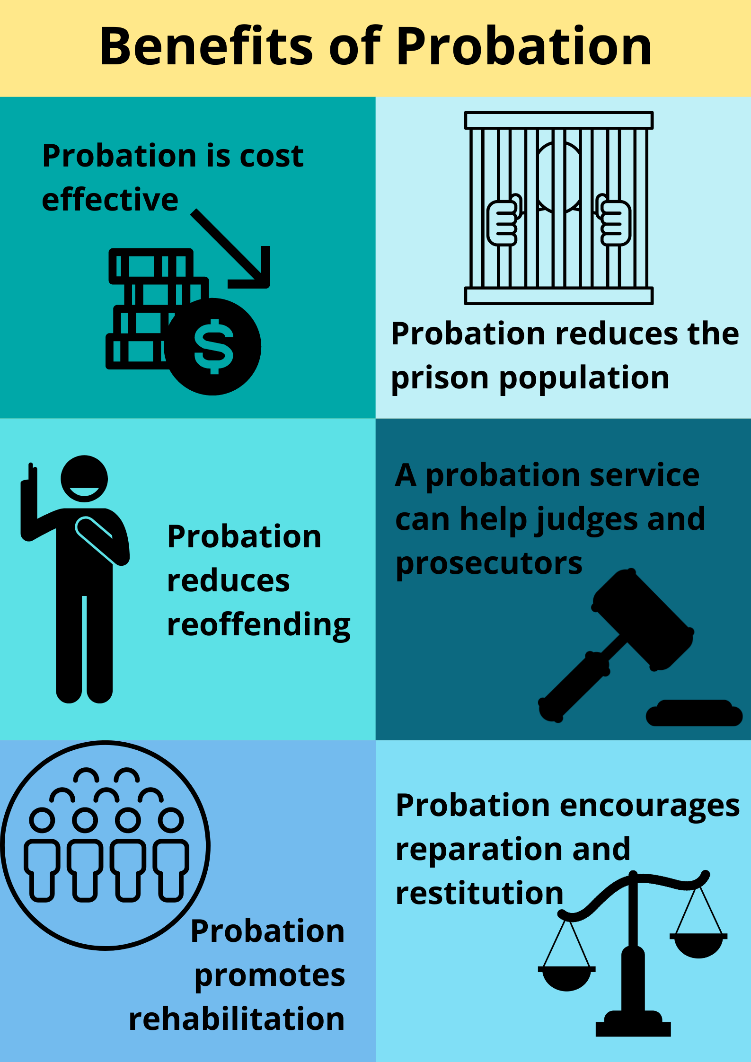
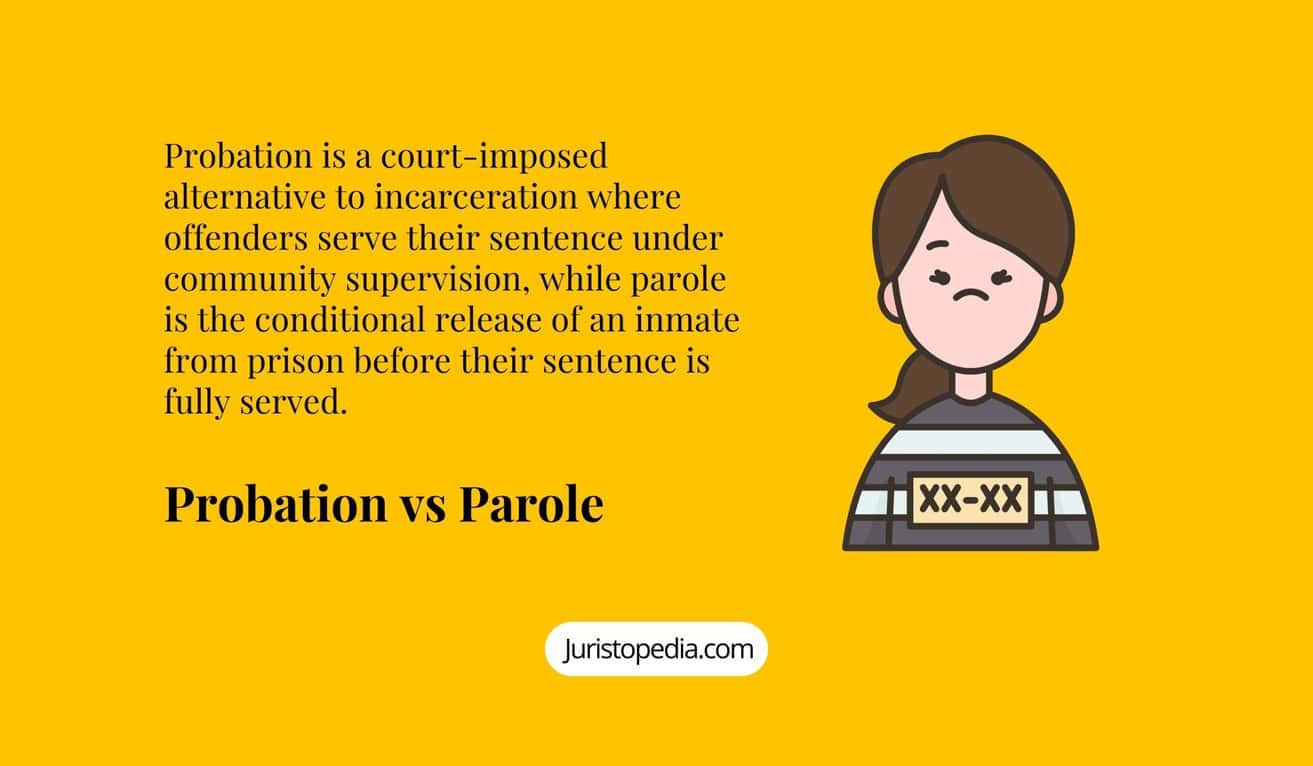
In the legal realm, probation is a criminal sentence imposed by a court, typically in lieu of incarceration, or as a component of a suspended sentence. It mandates that an individual adheres to a strict set of conditions for a specified period, under the supervision of a probation officer. From a financial perspective, legal probation is less about leniency and more about a different set of financial obligations. Conditions almost invariably include financial penalties such as fines, court costs, restitution to victims, and supervisory fees. Beyond these direct payments, legal probation can severely restrict earning potential through limitations on employment, travel, or even the type of work an individual can pursue, thereby impacting their ability to generate income and manage existing financial responsibilities. This creates a dual burden: increased financial outflows coupled with potentially constrained inflows.
Employment Probation: Workplace Economics
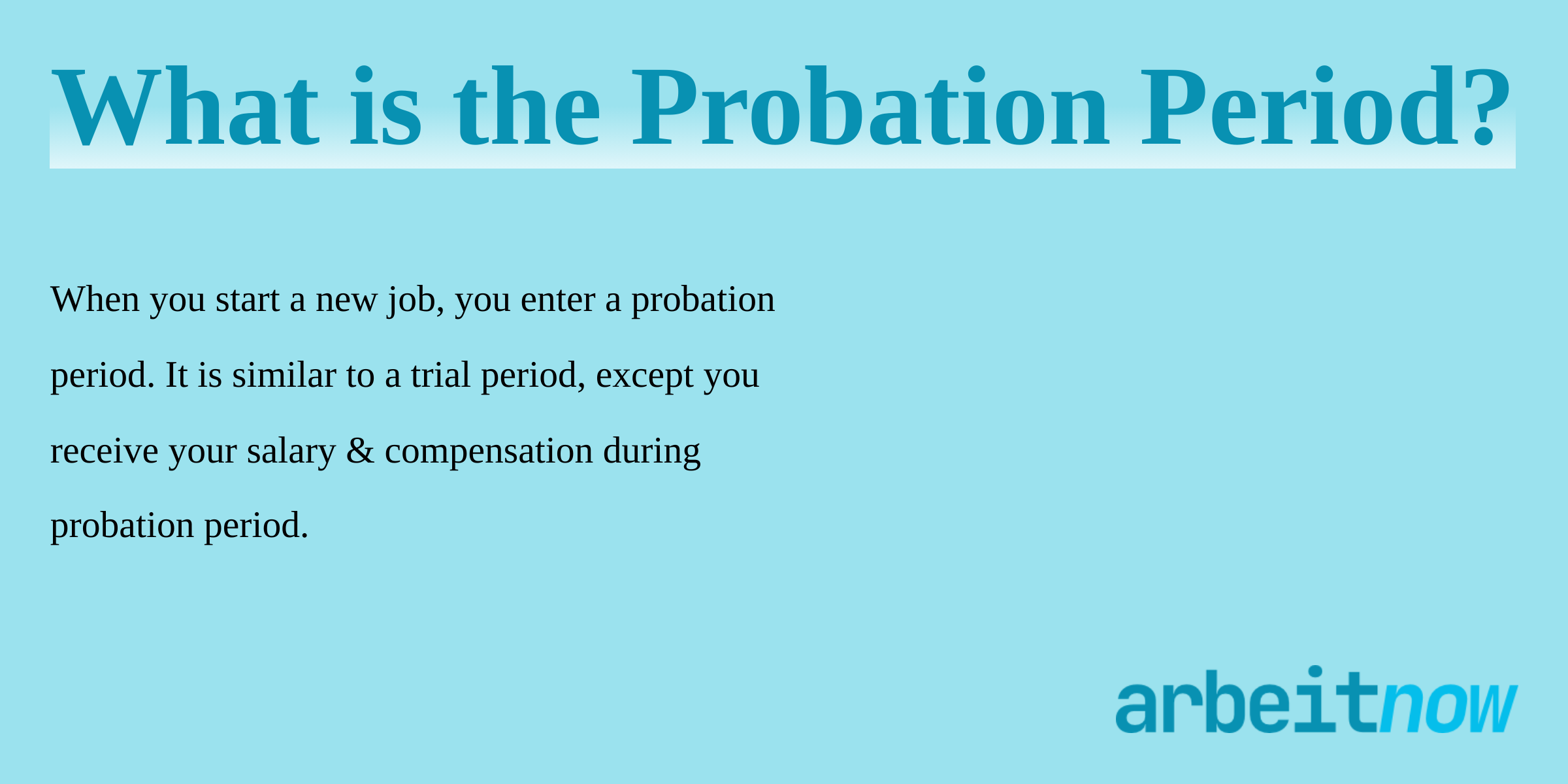
Within the professional sphere, employment probation refers to an initial period during which a new hire’s performance and suitability for a role are evaluated by an employer. This trial phase, common across industries, has distinct financial implications for both the employee and the business. For the employee, it often means working without full benefits (such as health insurance, retirement contributions, or paid time off) that might become available only after successful completion of the probationary period. Job security is also lower, directly impacting an individual’s financial planning and access to credit. For the employer, probationary periods are a financial strategy to mitigate hiring risks, reduce turnover costs by ensuring a good fit, and optimize resource allocation before investing fully in an employee’s long-term benefits and training. It’s a calculated financial risk assessment for both parties involved.
The Tangible Costs of Legal Probation
The financial burden of legal probation can be substantial, extending beyond simple monetary penalties to long-term economic disadvantages that can destabilize an individual’s personal finance ecosystem. These costs must be understood and planned for to prevent a cycle of debt and further legal complications.
Direct Financial Penalties
The most immediate financial impact of legal probation comes in the form of direct monetary obligations. These can include:
- Fines and Surcharges: Court-imposed penalties for the offense, which can range from minor amounts to thousands of dollars, often with additional administrative surcharges.
- Restitution: Payments mandated to compensate victims for damages or losses incurred, which can be significant depending on the nature of the crime. This is often prioritized by courts.
- Court Costs and Fees: Charges for filing, processing, and other administrative expenses associated with the legal proceedings.
- Probation Supervision Fees: Regular fees paid to the probation department for the cost of monitoring and supervision. These can be weekly or monthly and add up significantly over the duration of the probation.
- Program Costs: Expenses for mandatory programs such as drug testing, anger management classes, or educational courses required as conditions of probation. Each session or test often incurs a fee.
Failure to pay these direct costs can lead to serious financial repercussions, including further fines, extensions of probation, or even revocation of probation, potentially resulting in incarceration and even greater financial strain on dependents.
Indirect Economic Fallout
Beyond direct payments, legal probation introduces a host of indirect economic consequences that erode financial stability:
- Restricted Employment Opportunities: Many employers conduct background checks, and a criminal record, even for minor offenses, can severely limit job prospects, particularly in fields requiring licenses, fiduciary trust, or security clearances. This translates directly into lower earning potential and longer periods of unemployment.
- Reduced Income Potential: Even if employed, individuals on probation may be restricted from certain types of work (e.g., jobs involving travel, cash handling, or specific industries), leading to lower-wage positions or underemployment.
- Transportation Costs: Mandatory meetings with probation officers, court appearances, and required program attendance often necessitate increased transportation expenses, which can be a significant burden for those with limited income.
- Legal Fees: While the initial legal fees might be settled, ongoing issues or violations can require additional legal counsel, incurring further attorney fees.
- Impact on Credit and Housing: An inability to maintain stable employment or manage financial obligations due to probation can negatively affect credit scores, making it harder to secure housing, loans, or even utility services, often at higher rates.
Employment Probation’s Financial Stakes
For individuals entering a new role, employment probation is a period of financial vulnerability and strategic planning. Its successful completion is often the gateway to full financial integration within a company.
Salary, Benefits, and Security Implications
During an employment probationary period, the most immediate financial differences typically revolve around benefits and job security:
- Delayed Benefit Eligibility: Many companies structure their benefits packages (health insurance, dental, vision, 401(k) matching, paid time off accrual) to kick in only after an employee successfully completes probation. This means the employee must budget for these expenses themselves or go without critical coverage during this period.
- Reduced Job Security: Probationary employees generally have fewer protections against termination. This heightened risk translates into significant financial insecurity, making it difficult to plan for major purchases, secure loans, or even meet regular living expenses with full confidence.
- Lower Initial Pay: While not always the case, some roles may offer a slightly lower starting wage during probation, with an increase upon successful completion. This impacts immediate take-home pay.
Career Trajectory and Earning Potential
Successful navigation of an employment probationary period is a critical financial milestone for an employee’s career and long-term earning potential.
- Foundation for Growth: Completing probation demonstrates reliability and competence, opening doors to promotions, raises, and advanced training opportunities that directly impact future income.
- Access to Full Compensation Package: Once probation is cleared, employees typically gain access to the full suite of benefits, which can add significant value to their overall compensation, sometimes equivalent to thousands of dollars annually in insurance premiums, retirement contributions, and paid leave.
- Enhanced Negotiating Power: A proven track record within a company, starting with successful probation, strengthens an employee’s position for future salary negotiations and internal mobility. Conversely, failure can lead to unemployment, disrupting income streams and potentially creating gaps in employment history that impact future job prospects.
Strategic Financial Management During Probation
Whether facing legal or employment probation, proactive financial planning and stringent management are paramount to mitigate risks and ensure stability. This period demands a heightened focus on budgeting, debt management, and exploring all available avenues for income and support.
Budgeting and Debt Management
A detailed budget is the cornerstone of financial survival during probation.
- Expense Tracking: Meticulously track all income and expenditures, differentiating between mandatory costs (fines, fees, essential living expenses) and discretionary spending.
- Prioritization: Prioritize payments for fines, restitution, and supervision fees in legal probation, as failure to pay these can have severe legal consequences. For employment probation, prioritize essential living costs while planning for future benefit activation.
- Emergency Fund: Build or maintain a robust emergency fund to cover unexpected costs or periods of reduced income, which are more likely during probation.
- Debt Management: If existing debt is a burden, explore options like debt consolidation or negotiating lower interest rates, but be wary of predatory loans. Focus on high-interest debts while maintaining minimum payments on others.
Exploring Income Streams
Probation can necessitate creative approaches to income generation.
- Part-time or Gig Work: If permissible by probation conditions and employment contracts, consider part-time jobs, freelance work, or gig economy opportunities to supplement income and cover increased expenses.
- Skill Development: Invest in affordable skill-building courses or certifications that can increase earning potential within permissible fields. Many online platforms offer free or low-cost learning opportunities.
- Utilize Community Resources: Research government programs, non-profits, or community services that offer financial assistance, job placement services, or support for individuals navigating legal system challenges. This could include food assistance, housing aid, or transportation vouchers.
Rebuilding Financial Health Post-Probation
Successfully completing probation is a significant step, but the financial journey often continues with the task of rebuilding and securing long-term stability. This involves strategic actions to repair credit, rebuild savings, and leverage newfound opportunities.
Restoring Credit and Reputation
The impact of probation on an individual’s financial reputation, particularly their credit score, can be long-lasting.
- Credit Repair: Focus on consistently making on-time payments for all obligations. Consider secured credit cards or small, responsibly managed loans to gradually rebuild a positive credit history.
- Dispute Errors: Regularly check credit reports for errors and dispute any inaccuracies that might have arisen during or due to the probationary period.
- Professional Networking: For employment probation, actively network and seek professional references to help overcome any perceived employment gaps or challenges, which can indirectly aid in securing better-paying roles.
Long-Term Financial Planning
Post-probation is an opportune moment to re-evaluate and solidify long-term financial goals.
- Savings and Investments: Once stable, prioritize building savings for retirement, homeownership, or education. Explore appropriate investment vehicles that align with long-term financial objectives.
- Financial Education: Continue educating oneself on personal finance principles, investing strategies, and debt management to prevent future financial pitfalls.
- Career Advancement: Actively seek opportunities for career advancement, negotiate raises, and pursue professional development to maximize earning potential and ensure continued financial growth and stability, solidifying the economic gains achieved post-probation.