
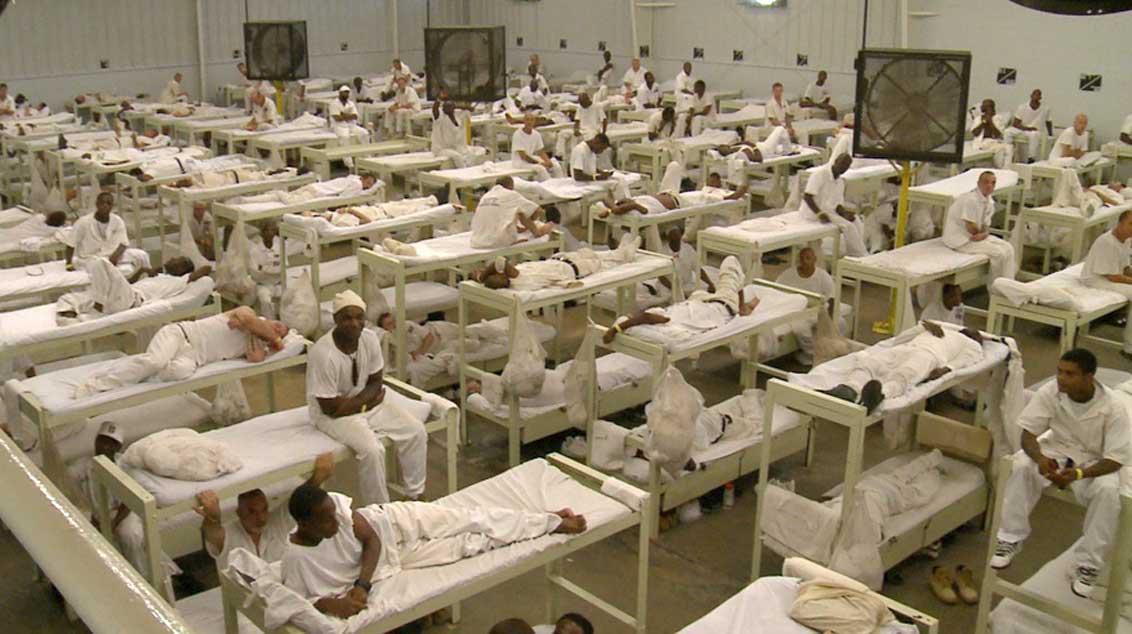
The question “what is prison like?” often conjures images of bleak cells, hardened inmates, and a harsh, unforgiving environment. While these elements are undeniably part of the correctional experience, they represent only a fraction of the reality. To truly understand what prison is like, especially from a financial perspective, we must delve into the complex interplay of economic realities that govern life within its walls and the profound financial implications it carries for individuals and their families. This exploration transcends mere survival; it examines the very systems of financial control, opportunity, and deprivation that define incarceration.

The Economy of Incarceration: Costs and Earnings
The financial landscape within correctional facilities is a peculiar one, marked by both significant state-imposed costs and limited, often exploitative, earning potential for inmates. Understanding this duality is crucial to grasping the economic realities of prison life.
The Inmate’s Purse: Wages and Spending Power
For incarcerated individuals, earning money is a far cry from traditional employment. Most correctional systems offer work programs, but the wages are typically meager, often falling below minimum wage standards in the outside world. These jobs can range from laundry services and kitchen work to manufacturing and maintenance. The purpose of these programs is often cited as vocational training, instilling a work ethic, and contributing to the operational costs of the facility. However, the primary outcome for the inmate is a very limited income stream.
The amount earned can vary significantly based on the state or country, the type of work, and the inmate’s classification. It’s not uncommon for wages to be in the range of cents per hour, or a few dollars per day. This paltry sum is then subject to various deductions. These can include restitution payments for victims, court fees, administrative charges, and contributions to inmate welfare funds. What remains is the inmate’s “trust fund” or “books,” a small amount that dictates their ability to purchase essential items from the commissary.
The Commissary: A Limited Marketplace
The commissary is the prison’s general store, where inmates can purchase a restricted range of goods, from toiletries and snacks to stationery and small personal items. Prices in the commissary are often inflated compared to retail prices on the outside, reflecting the captive market and the operational costs of stocking and managing these facilities. This means that even the limited earnings of an inmate can be rapidly depleted.
The ability to purchase these items is a crucial aspect of maintaining a semblance of normalcy and comfort. For many, a small treat like a candy bar or an extra pair of socks can be a significant morale booster. However, the financial constraints mean that these purchases are often carefully rationed, and the inability to afford even basic necessities can lead to hardship and stress. Families often play a vital role in supplementing commissary accounts, sending money to loved ones behind bars. This reliance on external financial support highlights the inherent limitations of the inmate economy.
The Cost of Incarceration: A Burden on Taxpayers and Families
The financial burden of incarceration extends far beyond the individual inmate. Taxpayers bear the brunt of the costs associated with running prisons, including security, staffing, food, healthcare, and infrastructure. These costs are substantial and represent a significant allocation of public funds.
Beyond the public purse, families of incarcerated individuals often face severe financial strain. The loss of an inmate’s income can plunge households into poverty, forcing reliance on social services or the remaining family members to shoulder a heavier financial load. Furthermore, legal fees, visitation costs (travel, accommodation), and the ongoing need to send money for commissary and communication can create a perpetual financial drain on families. This financial pressure can persist long after the inmate’s release, as they often face significant barriers to re-employment and rebuilding their financial stability.
Financial Strategies and Challenges During Incarceration
Life in prison necessitates the development of unique financial strategies, often born out of necessity and the limited opportunities available. These strategies, while functional within the prison context, also highlight the systemic financial challenges that individuals face.
The Art of Resource Management and Bartering
In a system where money is scarce and goods are limited, inmates often become adept at resource management and informal bartering. This can involve trading commissary items, services (like laundry or cleaning), or even small favors for other goods or privileges. This creates a micro-economy within the prison walls, where the perceived value of items can differ from their external market value.

For instance, a pack of cigarettes, a common currency in many prisons, might be traded for a longer phone call or a particular food item. These informal exchanges, while essential for navigating daily life, also underscore the lack of legitimate financial avenues and the reliance on a shadow economy. The ability to negotiate and engage in these exchanges can be a survival skill, but it also carries inherent risks, potentially leading to exploitation or conflict.
The Impact of Debt and Financial Obligations
For individuals entering prison, existing financial obligations rarely disappear. This includes outstanding debts, mortgages, car payments, child support, and student loans. The inability to earn a substantial income while incarcerated means that these debts often accumulate interest, leading to a spiraling financial crisis upon release.
Child support payments are a particularly sensitive and often contentious issue. While some jurisdictions may offer provisions or adjustments for incarcerated parents, the reality for many is that arrears continue to mount, creating significant obstacles to reunification and the ability to provide for their children upon release. This can lead to further legal entanglements and a persistent cycle of financial hardship.
The Role of Family and External Support
As mentioned, family and friends often become the primary financial lifeline for incarcerated individuals. Sending money for commissary, covering essential bills on the outside, or helping to maintain property can be critical for preventing further financial degradation. This reliance, while a testament to familial bonds, also highlights the inadequacy of the correctional system to provide a path towards financial self-sufficiency during incarceration.
However, the ability of families to provide this support is often limited by their own financial circumstances. The financial strain of having a loved one incarcerated can be immense, and the continuous outflow of resources can impact their own financial stability. This creates a complex web of financial dependency and stress that impacts both the incarcerated individual and their support network.
Re-entry and Financial Recovery: The Long Road Ahead
The financial challenges do not end with release from prison. The period of re-entry is often marked by significant financial hurdles that can impede an individual’s ability to reintegrate successfully into society.
The Employment Gap and Income Barriers
Upon release, individuals with a criminal record often face discrimination in the job market. Many employers are hesitant to hire individuals with felony convictions, regardless of their skills or rehabilitation efforts. This creates a significant employment gap, making it difficult to secure stable, well-paying employment. Even when jobs are available, they are often low-wage, unstable positions that do not allow for financial recovery.
The lack of a consistent income stream exacerbates existing debts and creates new financial pressures. The inability to meet basic needs like housing, food, and transportation can quickly lead to a return to the cycle of poverty and, potentially, recidivism. Breaking this cycle requires dedicated support systems, including job training programs, expungement services, and employer incentives.
Rebuilding Financial Literacy and Stability
Many individuals entering prison have limited financial literacy to begin with. The experience of incarceration, coupled with the lack of opportunities for legitimate financial engagement, can further erode their understanding of personal finance. Rebuilding financial stability requires not only securing employment but also developing essential financial management skills.
This includes budgeting, saving, understanding credit, and navigating financial systems. Programs that offer financial literacy education, counseling, and access to financial tools can be instrumental in helping formerly incarcerated individuals achieve financial independence. Without these resources, the path to financial recovery becomes significantly more arduous.
The Long-Term Financial Implications of Incarceration
The financial consequences of incarceration can be long-lasting, impacting not only the individual but also their families and communities for generations. The accumulation of debt, the interruption of earning potential, and the barriers to re-entry can create a perpetual cycle of disadvantage.
Addressing the financial realities of prison requires a multifaceted approach. This includes reforming the correctional system to provide more meaningful vocational training and fair wages, reducing the financial burdens placed on families, and investing in robust re-entry programs that focus on employment, financial literacy, and support services. Ultimately, understanding “what is prison like” from a financial perspective reveals a complex and often devastating economic reality that demands comprehensive solutions.
aViewFromTheCave is a participant in the Amazon Services LLC Associates Program, an affiliate advertising program designed to provide a means for sites to earn advertising fees by advertising and linking to Amazon.com. Amazon, the Amazon logo, AmazonSupply, and the AmazonSupply logo are trademarks of Amazon.com, Inc. or its affiliates. As an Amazon Associate we earn affiliate commissions from qualifying purchases.