
In the rapidly evolving landscape of digital entertainment, Prime Video has emerged as a cornerstone of the modern streaming era. Originally launched as a secondary perk for Amazon Prime subscribers, it has transformed into a sophisticated, standalone software platform and content delivery powerhouse. From a technical perspective, Prime Video is not just a library of movies; it is a complex intersection of cloud computing, high-end video codecs, and cross-platform software engineering designed to deliver high-fidelity content to millions of concurrent users worldwide.
Understanding Prime Video requires looking beyond the surface-level interface to explore how it leverages Amazon’s vast technological infrastructure. It represents a pivot point where software-as-a-service (SaaS) meets global media distribution, setting benchmarks for what users expect from a digital streaming application.
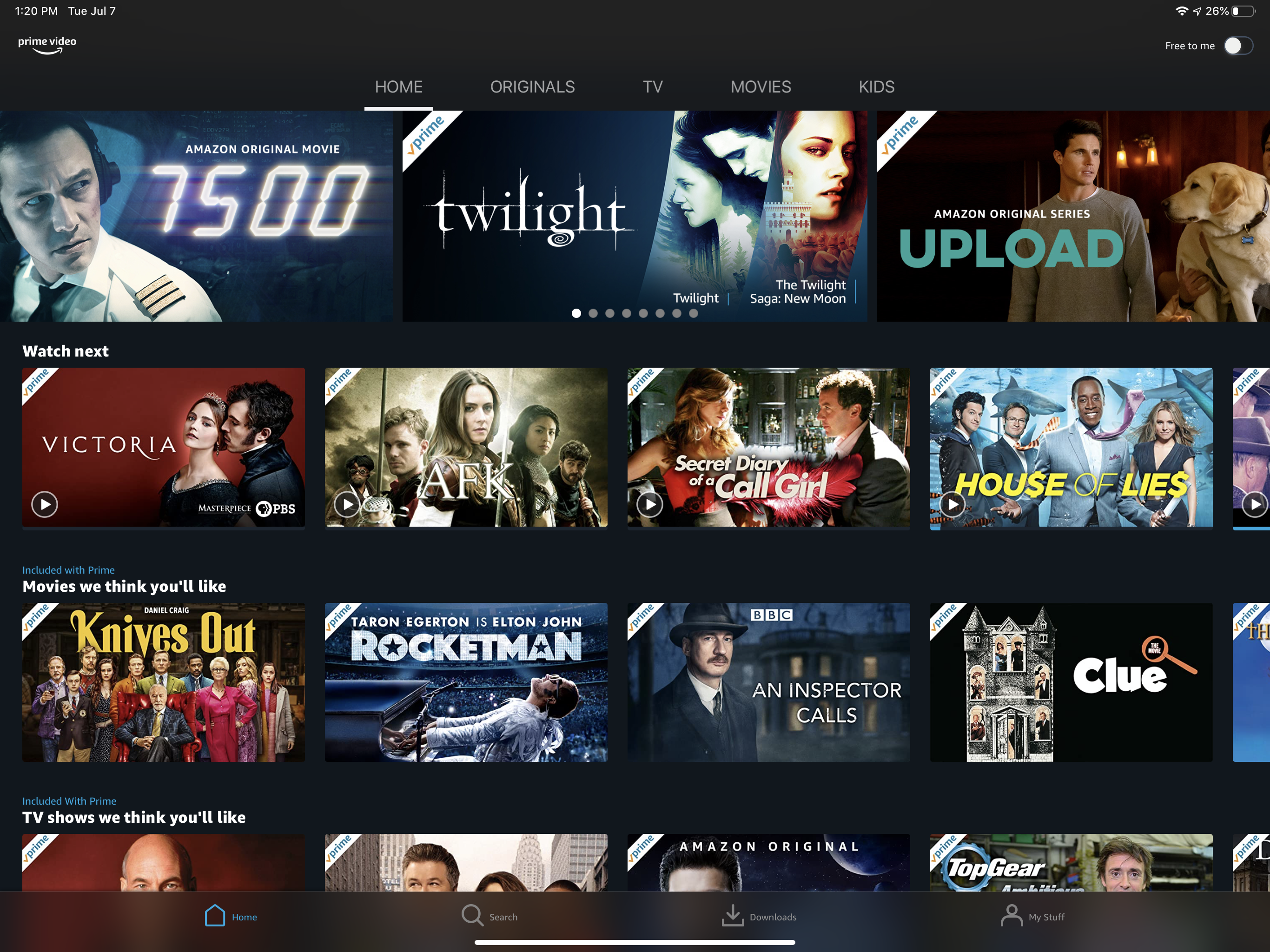
The Technological Foundation: Powering Global Delivery via AWS
At its core, Prime Video is an exhibition of the power of Amazon Web Services (AWS). Unlike many of its competitors who rely on third-party cloud providers, Prime Video operates within a vertically integrated ecosystem. This gives the platform a distinct advantage in terms of latency, scalability, and data management.
AWS Integration and Content Delivery Networks (CDN)
Prime Video utilizes a global network of edge locations to ensure that data travels the shortest distance possible to the end user. When you press “play,” the request is handled by a sophisticated load-balancing system that identifies the nearest server. By utilizing AWS’s global footprint, Prime Video minimizes buffering and maximizes uptime, even during high-traffic events like live Thursday Night Football broadcasts. This infrastructure is capable of handling millions of simultaneous 4K streams, a feat of engineering that requires massive bandwidth and intelligent traffic routing.
Proprietary Features: X-Ray and Immersive Data
One of the most innovative technical features of Prime Video is “X-Ray,” powered by IMDb (an Amazon-owned subsidiary). X-Ray is a metadata overlay that provides real-time information about actors, music, and trivia during playback. From a software standpoint, this requires precise synchronization between the video timecode and a massive database of biographical and production data. It turns the passive viewing experience into an interactive one, allowing users to dive deep into the technical credits of a film without leaving the app.
Artificial Intelligence in Content Preparation
Behind the scenes, Prime Video uses AI and machine learning to optimize video quality. Before a film reaches your screen, it undergoes “content analysis” where AI identifies the best way to compress the file without losing visual fidelity. This ensures that even users on lower-bandwidth connections receive the sharpest possible image, as the software dynamically adjusts the bitrate in real-time based on the user’s current hardware capabilities and network speed.
Device Ecosystem and Software Compatibility
Prime Video is renowned for its expansive device support. The challenge for the engineering team is ensuring a consistent user experience (UX) across thousands of different hardware configurations, ranging from low-power streaming sticks to high-end gaming consoles.
Multi-Platform Accessibility and App Architecture
The Prime Video application is built using a flexible architecture that allows it to run on diverse operating systems, including Android, iOS, Windows, and various proprietary Smart TV OSs (like Samsung’s Tizen or LG’s webOS). This cross-platform compatibility is achieved through a combination of native code for performance-critical tasks and web-based frameworks for UI consistency. Whether you are using a dedicated Fire TV device or a web browser, the logic remains cohesive, ensuring that your “Watch Next” list and progress are synced instantaneously across all devices.
Offline Viewing and Encryption Tech
A critical technical component for mobile users is the offline viewing feature. This requires sophisticated Digital Rights Management (DRM) and encryption protocols. When a user downloads a title, the file is encrypted with a unique key tied to that specific device and user account. The software must manage “lease” times—ensuring that the content remains playable for a set period while protecting the intellectual property of the studios. This balance of user convenience and digital security is a hallmark of the Prime Video software suite.
Integration with the Fire TV Ecosystem
While Prime Video works on almost any device, it is most deeply integrated with Amazon’s Fire TV hardware. On these devices, Prime Video isn’t just an app; it is the core of the operating system. This allows for system-level features like voice search via Alexa, where the hardware can process natural language requests to find specific genres or actors within the Prime Video library instantly.
Quality Standards: From 4K UHD to Spatial Audio
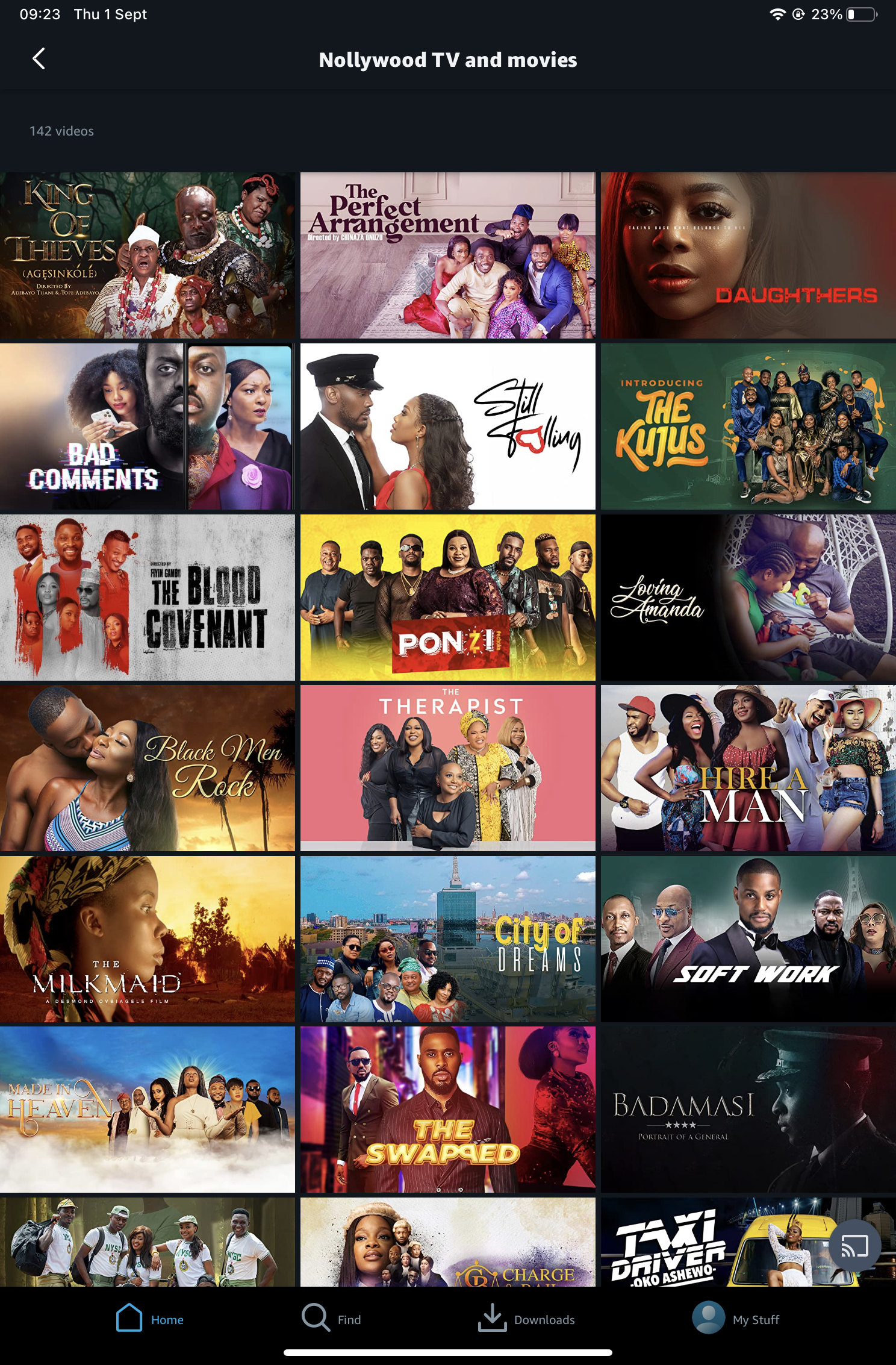
For home theater enthusiasts, Prime Video represents a high-water mark for audio-visual technology. The platform has been an early adopter of several industry standards that have now become the benchmark for “Ultra HD” entertainment.
Bitrate Management and Advanced Compression
Streaming 4K video requires moving a massive amount of data. Prime Video utilizes advanced video codecs such as HEVC (High-Efficiency Video Coding) and AV1. These codecs allow the platform to deliver high-resolution imagery at significantly lower bitrates than older formats like H.264. This technical efficiency is what allows a 4K stream to look crisp even on a standard residential internet connection. The software’s adaptive bitrate switching is nearly invisible, subtly lowering or raising the resolution to prevent the video from stopping to buffer.
HDR10+ and Dolby Vision Integration
Prime Video was one of the first major platforms to support HDR10+, a high-dynamic-range format that provides frame-by-frame metadata to adjust brightness and color levels. This ensures that the technical intent of the cinematographer is preserved, showing deep blacks and vibrant highlights. Furthermore, the platform supports Dolby Vision and Dolby Atmos, providing a cinematic experience that utilizes spatial audio technology to create a 360-degree sound field for users with compatible speaker systems or headphones.
Live Streaming Technology and Latency Reduction
Live sports represent the “final frontier” for streaming tech. Prime Video’s investment in live broadcasting (such as the Premier League or NFL) has led to breakthroughs in reducing “glass-to-glass” latency—the delay between the action on the field and the image on your TV. By optimizing the encoding pipeline and using specialized protocols, Prime Video has reduced this lag to a level that rivals traditional cable broadcasts, a significant technical achievement in the world of OTT (Over-The-Top) media.
The User Interface and Smart Personalization
The way a user interacts with a library of thousands of titles is governed by complex algorithms. Prime Video’s UI is a result of years of A/B testing and data-driven design intended to reduce “decision fatigue.”
AI-Driven Content Discovery
Prime Video uses sophisticated recommendation engines that go far beyond simple genre matching. By analyzing viewing habits, watch time, and even the time of day a user watches certain content, the AI builds a predictive model to suggest titles. These algorithms are processed on AWS servers, allowing the app to update recommendations in real-time. This level of personalization is what makes the “Tech” side of Prime Video so effective; it feels intuitive because it is backed by massive data processing.
Parental Controls and Security Protocols
Digital security is a vital part of the Prime Video tech stack. The platform offers robust parental controls, allowing users to set PIN-protected restrictions based on age ratings. From a technical standpoint, this requires the software to filter the entire database of metadata against user-defined permissions in milliseconds. Additionally, the platform employs multi-factor authentication and secure login protocols to protect user data and payment information across the Amazon ecosystem.
Profile Management and Multi-User Logic
The software supports up to six individual profiles per account. Each profile maintains its own watch history and personalized settings. Managing this data at scale—ensuring that one user’s “Continue Watching” list doesn’t bleed into another’s—requires a highly organized database structure. This multi-user logic is essential for modern households where the streaming app is shared across multiple generations and devices.
The Hybrid Architecture: SVOD, TVOD, and Channels
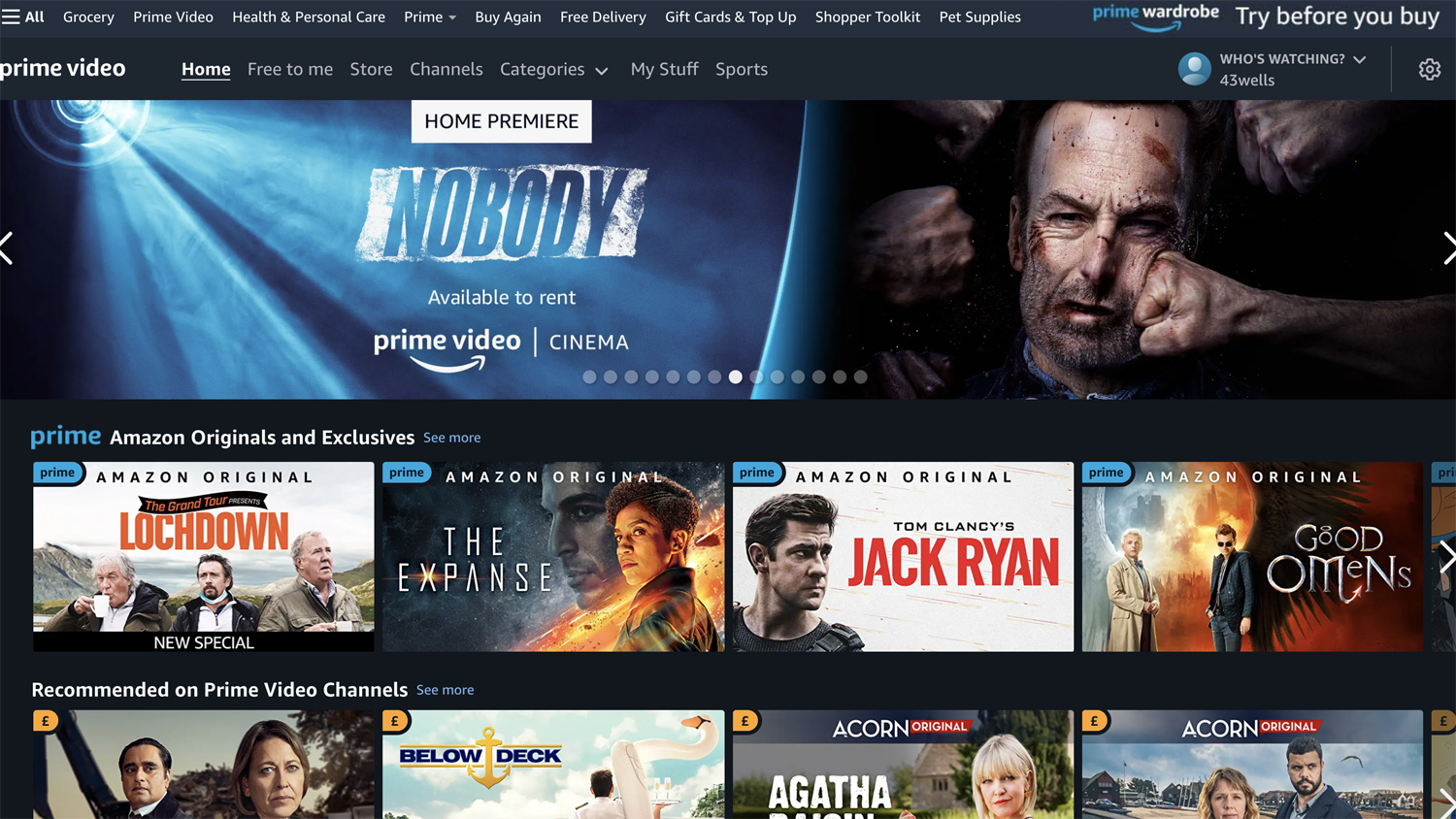
One of the most complex technical aspects of Prime Video is its hybrid business and delivery model. It operates simultaneously as a Subscription Video on Demand (SVOD) service, a Transactional Video on Demand (TVOD) store, and a hub for third-party “Channels.”
Seamless Third-Party Integration
Prime Video allows users to subscribe to other services (like Paramount+ or Max) directly through the Prime Video interface. This requires a “platform-within-a-platform” architecture. Technically, Prime Video must act as a gateway, managing the billing, authentication, and content delivery for external providers while maintaining a unified UI. This level of interoperability is rare in the tech world and requires deep API integration with partner networks.
The Digital Storefront and Rights Management
The ability to rent or buy movies within the same app where you stream “free” Prime content requires a sophisticated digital storefront. The software must distinguish between titles included in the membership and those that require a one-time purchase. This involves complex entitlement logic: once a user “buys” a movie, the software must ensure that the license remains permanently attached to their account, regardless of their Prime membership status.
Future-Proofing the Platform
As we look toward the future, Prime Video continues to experiment with emerging technologies like Virtual Reality (VR) and augmented metadata. The platform is designed to be modular, allowing Amazon to plug in new features as hardware evolves. Whether it is the move toward 8K resolution or more interactive “choose-your-own-adventure” style storytelling, the technical foundation of Prime Video is built to scale and adapt, ensuring its place at the forefront of the global technology and media landscape.
aViewFromTheCave is a participant in the Amazon Services LLC Associates Program, an affiliate advertising program designed to provide a means for sites to earn advertising fees by advertising and linking to Amazon.com. Amazon, the Amazon logo, AmazonSupply, and the AmazonSupply logo are trademarks of Amazon.com, Inc. or its affiliates. As an Amazon Associate we earn affiliate commissions from qualifying purchases.